
Listen to this article
London’s Rich History is a captivating tapestry woven from countless stories and events that span over two millennia. As the capital of England, this vibrant city exhibits a unique blend of the past and present, with its historical places and landmarks revealing tales from the Roman era to modern times. Strolling through its streets, visitors can explore Tudor London, marvel at magnificent Victorian architecture, and uncover remnants of Roman ruins that continue to shape the city’s character. The abundance of London museums, like the Museum of London, offers a deep dive into the city’s evolution, showcasing artifacts that speak to its dynamic heritage. Discovering London’s rich history invites you to experience the echoes of those who walked these streets long ago, making it a truly immersive journey through time.
The historical narrative of London is a compelling chronicle filled with remarkable milestones and transformative moments. From the ancient vestiges of Roman settlements to the bustling Victorian streets teeming with innovation and progress, the city embodies a continuous journey of evolution. As you delve into the legacy of architectural marvels that define the skyline, including Tudor homes and Gothic revival buildings, you’ll find a narrative that reveals the diversity and spirit of its people. With an array of landmarks serving as the backdrop for countless legendary tales, exploring this cosmopolitan metropolis offers insights into the lives and cultures that have shaped its foundation. Engaging with London’s past not only celebrates its rich chronology but also enhances appreciation for the multifaceted character that defines today’s vibrant city.
The Roman Influence on London’s Development
London’s foundation story begins in the first century AD, marked by the Roman invasion and the establishment of Londinium. The Romans chose this strategic location due to the River Thames, which served as a critical artery for trade and military defense. Over time, they built impressive infrastructure, including roads and fortifications, which set the stage for London’s rapid growth. Today, you can explore significant remnants of Roman London at sites like the London Wall and the remains of the Roman amphitheater.
The impact of Roman architecture and urban planning on London’s development is profound. The ruins found today tell the story of a city shaped by Roman engineering, which provided a framework for future generations. The Museum of London presents these artifacts and details the day-to-day life of Roman Londinium, allowing visitors to appreciate the cultural blend that characterized this early phase of London’s history.
Unearthing the Tales of Medieval London
Medieval London thrived even after the fall of the Roman Empire, establishing itself as a bustling economic hub by the 12th century. The construction of monumental structures like the Tower of London not only exemplifies the architectural prowess of the time but also highlights London’s growing importance as a center of power. This fortress acted as a royal palace, prison, and treasury, tales of which continue to fascinate both locals and tourists today.
Moreover, the Great Plague of 1665 had a dramatic impact on the city, underscoring London’s resilience in the face of adversity. The plague claimed a vast part of the population and led to extensive changes in the city’s layout and health practices. Memorials and historical accounts left from this period provide insights into the struggles of daily life during one of the most challenging times in London’s history.
The Cultural Flourishing of Tudor London
Tudor London marked a pivotal era of cultural rejuvenation that laid the groundwork for modern British theatre and arts. The iconic Globe Theatre, which was established in 1599, became a beacon of artistic expression and remains a symbol of London’s literary heritage. It served as the stage for many of Shakespeare’s greatest works, thus enriching the city’s cultural landscape.
The artistic awakening during the Tudor period influenced not only theatre but also architecture. Many structures built during this time showcase a blend of Gothic and Renaissance styles, signifying London’s evolution. This period serves as a reminder of the enduring impact of the arts on the city’s identity and the significance of recognizing London’s rich tapestry of history.
Georgian London: The Birth of Modern Urban Planning
The Georgian era was a transformative time for London, as the city became synonymous with elegance and architectural grandeur. Under the design innovations of figures like Sir Christopher Wren, iconic landmarks such as St. Paul’s Cathedral rose to prominence, serving as masterpieces that still inspire awe today. This period saw the establishment of spectacular squares and parks, contributing to London’s identity as a modern metropolis.
Furthermore, the sociopolitical climate during the Georgian era set the stage for important discussions about democracy and civil rights. The interconnectedness of society began to foster an environment ripe for change and development. Consequently, exploring the British Museum allows visitors to view artifacts that narrate not just local stories, but also the wider global narratives shaping the city’s diverse citizenry.
Victorian London: The Era of Industrialization
The Victorian era heralded a period of unprecedented industrialization, fundamentally changing the structure of London. The advent of the Industrial Revolution saw rapid population growth as workers flocked to the city for factory jobs. This demographic boom led to vast transformations in transport, notably with the birth of the London Underground in 1863, which revolutionized how Londoners navigated the city and spurred its expansion.
The architectural achievements of this period are nothing short of remarkable, exemplified by grand railway stations such as King’s Cross and Paddington. These magnificent structures reflect the industrious spirit of the time and signify London’s emergence as a global transport hub. Visitors can marvel at their stunning designs while considering the city’s vibrant historical context, which continues to influence London’s cultural landscape.
Resilience Through War: London’s Response to Conflict
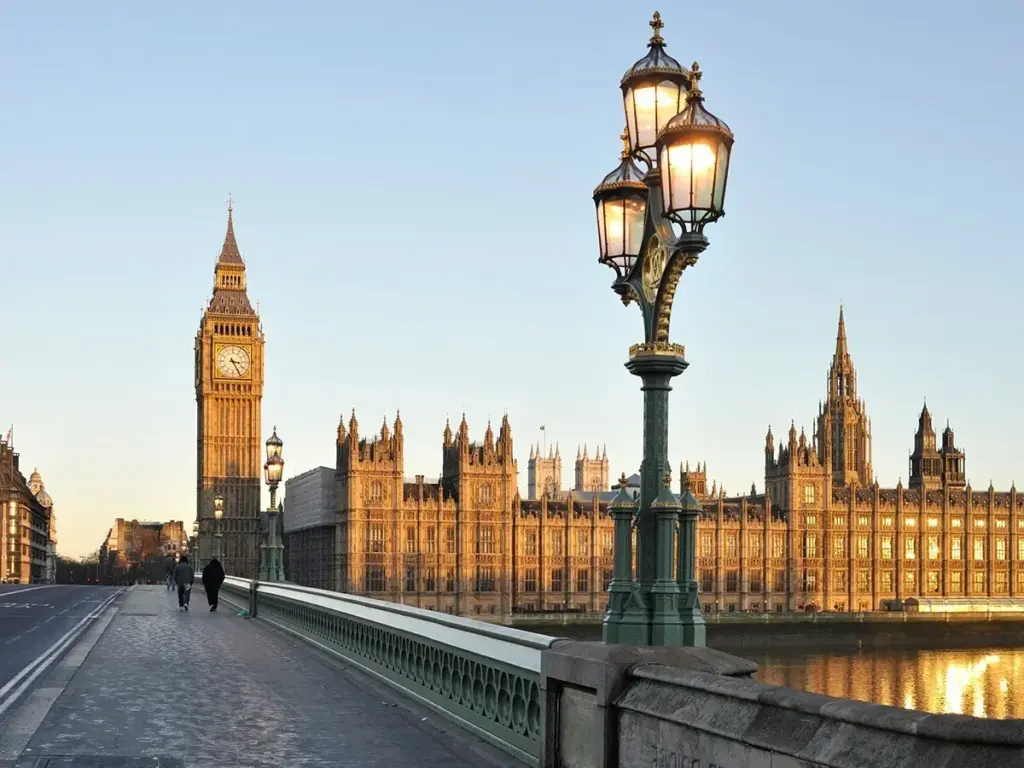
The impact of both World Wars significantly shaped London, not just through destruction but also through the resilience exhibited by its citizens. Londoners showcased fortitude during the Blitz, navigating through relentless bombing campaigns with a staunch spirit. Iconic landmarks such as Westminster Abbey and the Houses of Parliament endured these attacks, embodying symbols of hope and survival that resonate deeply within the city’s narrative.
Post-war, London underwent a significant transformation characterized by reconstruction and modernity. The juxtaposition of old and new structures, like the Shard and the Gherkin alongside historic sites, speaks to London’s ability to evolve while honoring its rich past. This layering of history is essential in understanding how the city has navigated adversity to emerge as a vibrant, contemporary metropolis.
Modern London: A Cultural Melting Pot
In modern times, London stands as a testament to global cultures converging in one dynamic city. It is a melting pot of languages, traditions, and ideas that contribute to its vibrant atmosphere. Markets like Camden are hubs of cultural exchange, offering visitors a taste of international cuisines and artistic endeavors. Such diversity fosters a unique London flavor that draws millions annually.
Events like the Notting Hill Carnival epitomize this multicultural identity, celebrating the city’s rich tapestry with colorful parades and music. Exploring lesser-known spots, such as the Charles Dickens Museum, adds depth to one’s visit, enriching the experience with stories of the past and their ties to the present. This cultural diversity continues to shape London’s evolution, providing ongoing narratives in an ever-changing landscape.
Exploring London’s Historical Landmarks
One cannot immerse themselves in London’s history without engaging with its vast array of landmarks that tell stories of bygone eras. From the historic Tower of London to the grandeur of Buckingham Palace, each site encapsulates a unique chapter of London’s narrative. These landmarks are not merely tourist attractions; they are pivotal points of interest that invoke the spirit of those who came before us.
Furthermore, lesser-known historical sites offer an alternative perspective on the city’s past. The Roman ruins scattered across London provide a glimpse into the city’s ancient beginnings, while Tudor houses like Hampton Court Palace exhibit the luxury and intrigue of royal life. Exploring such diverse historical landmarks allows visitors to appreciate the richness of London’s cultural heritage.
The Legacy of London Museums
London boasts a plethora of museums that meticulously preserve and present the city’s layered history. Institutions like the British Museum and the Victoria and Albert Museum house collections that reflect not only British history but also narratives from around the globe. They serve as custodians of the past where visitors can explore artifacts that span centuries, thus deepening their understanding of London’s impact on world history.
In addition to the major museums, smaller institutions such as the Geffrye Museum and the Charles Dickens Museum delve into specific aspects of the city’s history. These museums offer engaging insights into everyday life, showcasing the personal stories that paint a fuller picture of London’s past. Overall, the availability of diverse museums enriches the journey of exploring London, making history accessible and compelling for all.
Frequently Asked Questions
What are some key highlights of London’s rich history?
London’s rich history encompasses over two millennia, starting with Roman Londinium around 43 AD. Key highlights include the medieval Tower of London, the Tudor-era Globe Theatre associated with Shakespeare, and Georgian landmarks like St. Paul’s Cathedral. Visitors can explore Roman ruins, Victorian architecture, and sites from the World Wars.
Which historical places in London should I visit for an immersive experience?
For an immersive experience of London’s history, consider visiting the Tower of London, Westminster Abbey, and the British Museum. Additionally, the ancient ruins of the Roman Wall and the reconstructed Globe Theatre offer fascinating insights into different eras of London history.
What can I learn about Tudor London while exploring the city?
Exploring Tudor London reveals a period of cultural renaissance, particularly in the arts. Key sites include the Globe Theatre, where Shakespeare’s plays were performed, and Hampton Court Palace, Henry VIII’s lavish residence. This era marks London’s transformation into an artistic hub.
How did Victorian London influence modern architecture?
Victorian London showcased architectural splendor and innovation, with structures like the Houses of Parliament and railway stations such as King’s Cross. The era’s emphasis on grandeur and functionality laid the groundwork for many modern architectural practices seen across London today.
What role did museums play in understanding London’s history?
London’s museums, including the Museum of London, serve as vital repositories of the city’s rich history. They showcase artifacts that trace the evolution from Roman times through the medieval period to modern day, offering insights into cultural, social, and political developments.
How can I explore Roman ruins in London?
To explore Roman ruins in London, visit the Museum of London and the remains of the Roman Wall near the Barbican. The amphitheater excavated near Guildhall is another must-see, offering a glimpse into the city’s origins and Roman lifestyle.
What historical landmarks represent London’s resilience during World War II?
Landmarks such as the Houses of Parliament and Westminster Abbey symbolize London’s resilience during World War II. Despite extensive bombing, these sites survived, serving as enduring reminders of the city’s determination and historical significance amidst conflict.
What unique experiences can I find while exploring London’s architecture?
London’s architecture offers a unique blend of historical and contemporary styles. Visitors can explore iconic sites like St. Paul’s Cathedral, the modern Shard, and the Gherkin, which highlight the city’s architectural evolution from medieval to modern times.
How did the Great Plague affect London’s history?
The Great Plague of 1665 drastically impacted London, resulting in the deaths of around a quarter of the population. Its historical significance is commemorated through monuments and is a pivotal event that shaped urban planning and public health responses in the city.
What festivals in London celebrate its rich multicultural history?
The Notting Hill Carnival is a vibrant celebration of London’s multicultural history, featuring colorful parades and performances. This festival, along with diverse food markets like Camden, reflects the city’s rich tapestry of cultures and traditions, enhancing London’s cultural narrative.
| Historical Period | Key Events/Features | Significance |
|---|---|---|
| Roman London | Foundation of Londinium, Roman Wall, and amphitheater | Started trade and urban development. |
| Medieval London | The Tower of London, Great Plague, Great Fire of 1666 | Commercial hub; significant events shaped social dynamics. |
| Tudor Period | Establishment of the Globe Theatre and growth of the arts | Cultural resurgence leading to a flourishing creative scene. |
| Georgian London | Construction of St. Paul’s Cathedral and grand squares | Transition into modern city with architectural evolution. |
| Victorian London | Industrial Revolution, London Underground development | Shift in social structure, emergence of global center. |
| World War Impact | Endurance during the Blitz, post-war rebuilding | Resilience symbolized by surviving landmarks. |
| Modern London | Cultural melting pot, Notting Hill Carnival | Diversity and rich cultural narratives enhance tourism. |
Summary
London’s Rich History reflects the city’s journey through various eras, each contributing to its vibrant cultural tapestry. Spanning over two millennia, London’s narrative begins with Roman settlement and evolves through medieval power struggles, the artistic Renaissance, and the industrial advancements of the Victorian age. The resilience shown during the World Wars led to a dynamic post-war transformation, paving the way for the multicultural city we know today. Each historical layer paints a vivid picture of a city that continues to thrive, making it a captivating destination for history enthusiasts.