
Listen to this article
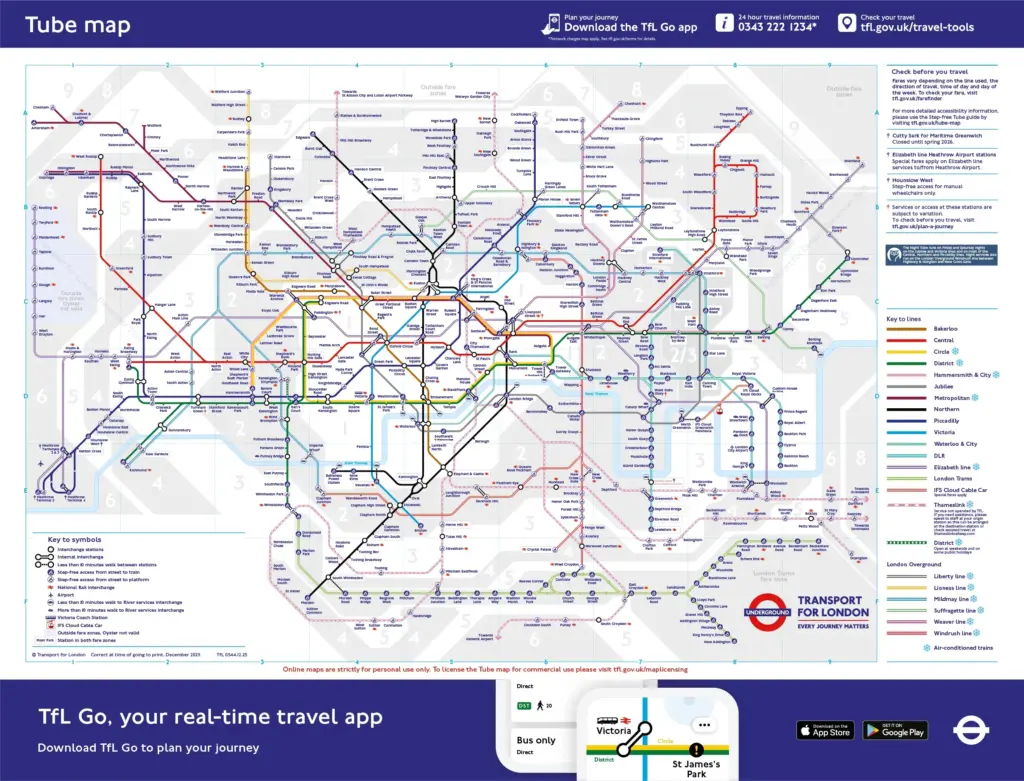
The London Underground, often affectionately called the Tube, stands as a testament to efficient public transportation in one of the world’s most bustling cities. Celebrated for its extensive network that weaves through the urban landscape, the Tube becomes the lifeline for over five million passengers daily, facilitating seamless travel throughout Greater London. This iconic transport system not only alleviates the pressure of road congestion but also reflects exemplary urban planning that prioritizes commuter needs over car dependency. While the contrast with American cities shows a reliance on sprawling highways, the London transport system ensures that getting from A to B can be both swift and convenient. As we delve deeper, it becomes increasingly clear how the Underground symbolizes a commitment to sustainable transport solutions, making London a model for future urban developments.
Often referred to as London’s underground railway, the Tube exemplifies a highly interconnected mass transit network that plays a critical role in daily commutes for millions. In a city marked by its historical significance and modern innovation, the underground system offers a glimpse into effective urban mobility strategy that contrasts starkly with the prevalent car-centric infrastructure seen in many American metropolises. This rail network not only elevates London’s status in public transport but also showcases meticulous urban planning efforts that cater to the diverse needs of its population. By examining how the British capital manages its transport, we can appreciate the advantages of investing in robust public transit, which ultimately fosters a more sustainable urban environment.
The Importance of the London Underground in Urban Transportation
The London Underground, often referred to simply as ‘the Tube’, stands as a paragon of efficient public transportation systems. With over 5 million passengers daily, it epitomizes the alternative to car dependency that many American cities face. In the UK, the Tube not only facilitates the movement of Londoners but also supports the economic framework of the city, enabling easy access to jobs, education, and services without the chaotic congestion that plagues many urban areas in the U.S. This reliance on the Underground contradicts the American model where sprawling highways dominate and public transport remains an afterthought.
In contrast to the multi-lane highways of American cities, the Tube’s extensive network elegantly weaves through London, reducing the need for multiple lanes dedicated to cars. The investments made in the London transport system reflect a commitment to sustainable urban planning, prioritizing public mobility over vehicle-centric infrastructure. This model fosters an environment where walking and cycling are also viable transportation methods, contributing to healthier lifestyles and cleaner air.
American Critics Appreciate Britain’s Public Transport
American visitors often marvel at the efficiency and coverage of London’s public transportation system compared to their own urban landscapes. Many express a sense of envy when they encounter the Tube, as it offers a level of accessibility that is rarely seen in American cities, where adequate public transport is often lacking. The overwhelming feedback highlights a stark contrast; while Americans navigate their daily lives based on car availability, Londoners enjoy the liberty of traveling without the constant worry of traffic or parking.
Furthermore, the favorable perception of London’s transport system invites discussions on urban planning paradigms. Many Americans reflect on their past experiences in car-dominated neighborhoods, realizing the inherent limitations those environments impose. In contrast, the London transport model shows that prioritizing public transit can lead to a more dynamic, vibrant urban setting where community interaction and convenience thrive.
British Rail and Its Legacy: A Lesson for American Transportation
British Rail, the predecessor to National Rail, played a pivotal role in shaping public transportation in the UK. Its legacy is a reminder of the need for comprehensive rail systems that support urban and suburban commuting needs. As the ad near Westminster cleverly highlighted, the future of transport does not have to rely solely on expanding roadways. Instead, it presents an opportunity for innovation and accessibility through rail systems that cater to the needs of millions.
In an America where public transportation often plays second fiddle to cars, the historical context of British Rail serves as a framework for rethinking transportation strategies. With increasing urban populations, investing in rail infrastructure and public transit options, as seen in London, could alleviate the traffic crises many American cities face today. A more balanced approach would foster sustainable growth, reduce environmental impact, and enhance the quality of life for residents.
Cultural Differences: Public Transport Experiences in the U.S. vs. London
Visitors from the U.S. often share anecdotes revealing the cultural differences in transportation experiences between American cities and London. Their narratives consistently highlight the convenience and efficiency of the London Underground, often contrasting it with the intricate web of highways and limited public transit found in American metropolitan areas. This often leads to a realization of how important transportation infrastructure is to the fabric of urban life.
As more Americans explore London and its transit options, they recognize the luxury of accessible public transport. For many, it represents an opportunity to engage with the city in a way that driving simply does not allow. The juxtaposition between a car-centric lifestyle and one that embraces efficient public transportation fosters a greater appreciation for urban planning strategies that prioritize community and connectivity over car dependency.
Impacts of Urban Planning on Transportation Choices
Urban planning significantly influences transportation choices, shaping how residents navigate their cities. In London, the integration of the Tube into the urban landscape exemplifies this approach, promoting public transportation as a viable option. This forward-thinking strategy not only reduces traffic congestion but also enhances environmental sustainability, a plea that many urban planners are echoing across the globe.
Conversely, in many American cities, the lack of robust public transit planning leads to car-centric developments that prioritize roadways over accessible transport options. Such developments often come with increased pollution, traffic, and a weakened sense of community. The challenges faced in these urban environments underscore the necessity for a dramatic shift in planning strategies, aiming toward a Europe-inspired model of public transportation integration.
Sustainable Transport: Lessons from London
Sustainability is another critical topic within the realm of public transportation. London’s commitment to eco-friendly transit options, such as low-emission buses and electrification of the Tube, highlights the importance of reducing environmental footprints. These proactive measures resonate with global efforts to combat climate change, offering a template for American cities wrestling with their own prolonged reliance on fossil fuels.
By investing in sustainable practices, the London transport system not only addresses immediate concerns of air quality and congestion but also sets a precedent for long-term urban vitality. American cities can take cues from this approach, implementing strategies that prioritize eco-conscious infrastructure to support a healthier future for urban dwellers. The transition toward more sustainable transport solutions reflects a broader cultural shift toward valuing efficiency and environmental responsibility.
The Integration of Public Transportation Systems in London
One of the remarkable aspects of the London transport system is its seamless integration. The synergy between the Underground, buses, and other forms of public transport creates a cohesive travel experience that is efficient and user-friendly. This interconnectivity not only serves locals but also enhances the experience of tourists, many of whom cite London’s public transport as a major factor in their positive impressions of the city.
In contrast, many American cities struggle with fragmented transport systems where different modes of transport operate in silos. The London model emphasizes the importance of accessibility and ease of use, advocating for integrated systems that allow commuters to transition from one service to another without hassle. This cohesive framework underscores how a well-planned transport network can elevate a city’s functionality and charm.
Navigating the Future: Challenges for American Urban Planning
As American cities evolve, the challenge remains to rethink urban planning fundamentally. With a growing urban populace and increasing traffic woes, local governments must prioritize public transport infrastructure akin to the successful strategies observed in London. This necessitates a comprehensive approach that considers investment in rail systems, buses, and cycling infrastructure, moving away from automobile dependency.
Failure to address these transportation challenges could result in continued congestion, pollution, and social isolation, particularly for those unable to afford a vehicle. By learning from the successes of the London transport system, cities across the U.S. can aspire to create safe, accessible, and environmentally friendly urban landscapes that effectively cater to the needs of all residents.
Celebrating Transportation Heritage: The Soul of London
The heritage of the London Underground reflects the city’s enduring connection to its past while moving toward its future. The iconic roundel symbol and vintage advertisements tell a story of an evolving transport system that has adapted to the city’s growth and challenges. This rich history is a source of pride for Londoners, reminding them of the community’s resilience and ingenuity.
As cities globally strive to modernize their transport systems, heritage can play a vital role in fostering public engagement and support for new initiatives. By celebrating the legacy of the Tube and its significance to London’s identity, similar programs in American cities could galvanize public interest and investment in public transportation, setting the stage for a restructured urban future.
Frequently Asked Questions
What makes the London Underground a preferred choice for public transportation in the city?
The London Underground, often referred to as ‘the Tube,’ is a highly efficient public transportation system that connects various parts of London seamlessly. Its extensive network covers 402 kilometers with 272 stations, allowing easy access across the city. Unlike many American cities that prioritize car travel, London’s investment in the Tube ensures that commuters can navigate urban areas without relying on vehicles, fostering a more walkable and sustainable environment.
How does the London Underground compare to public transportation in American cities?
The London Underground stands out as a superior public transportation system compared to many American cities, which often prioritize cars over mass transit. In cities like Los Angeles and New York, the reliance on personal vehicles creates congestion and limits accessibility. In contrast, the Tube offers regular service, affordability, and a comprehensive route system that encourages residents and visitors to use public transport instead of driving.
What are the benefits of investing in the London transport system?
Investing in the London transport system, especially the Underground, offers numerous benefits. It reduces traffic congestion, lowers carbon emissions, and improves air quality. Additionally, a well-maintained public transportation system promotes economic growth by facilitating easy commutes and enhancing accessibility to various city areas, ultimately leading to a more connected and thriving urban landscape.
Why do some Americans admire the London Underground?
Many Americans admire the London Underground for its efficiency and comprehensive reach. Unlike the car-centric infrastructure prevalent in most American cities, the Tube allows easy movement throughout London without the hassle of traffic congestion or parking issues. This admiration often stems from the contrast in urban planning approaches, highlighting the advantages of a well-integrated public transport system.
What are some common misconceptions about the London Underground?
A common misconception about the London Underground is that it mainly serves only central areas of London. In reality, the Tube extends beyond the city center, reaching suburbs and surrounding areas, making it a crucial part of the wider London transport system. Additionally, some perceive it to be overcrowded; however, advancements in scheduling and capacity management have significantly improved the commuting experience.
How does the London Underground contribute to urban planning in London?
The London Underground plays a vital role in urban planning by shaping the city’s development and growth. Its extensive network encourages density around stations, leading to vibrant neighborhoods with mixed-use developments. This efficient public transport infrastructure aids in sustainable urban growth by reducing the need for car travel and promoting public realm improvements, ensuring a more livable environment.
What historical influence did British Rail have on the London transport system?
British Rail was pivotal in the evolution of London’s transport system, establishing a foundation for national rail services and influencing the development of the London Underground. This historical context showcases how integrated public transportation has been essential in improving accessibility and connectivity across the city, emphasizing the importance of maintaining and growing the Tube in line with London’s needs.
What is the significance of the London Underground for tourists visiting the city?
The London Underground is significant for tourists as it provides a convenient and cost-effective way to explore the city. It offers quick access to major attractions, shopping districts, and cultural sites. Tourists appreciate the Tube’s frequency, coverage, and ease of use, allowing them to navigate London efficiently without the stress of car rentals or parking.
| Aspect | Details |
|---|---|
| American Perspective | Many Americans are urging British citizens to appreciate their public transport, particularly the London Underground. |
| Old Advertisement | An old British Rail ad highlighted the inefficiency of relying solely on roads for transportation, comparing it to Los Angeles’ car-centric model. |
| Public Comments | Londoners expressed gratitude for public transport, sharing experiences contrasting it with American cities where car dependence is the norm. |
| Urban Planning | Comments from both Brits and Americans noted the importance of public transport and the negative impact of car-centric urban planning in the U.S. |
Summary
The London Underground is a vital asset for the city, providing efficient transportation for thousands daily. Many Americans now highlight its advantages, prompting a renewed appreciation among Brits. The debate sparked by a resurfaced British Rail advertisement reminds us how fortunate we are to have a well-integrated public transport system, making London a more accessible and vibrant city compared to car-dominated American counterparts.