
Listen to this article
The history of London Underground is a captivating tale that spans over 160 years, marking it as the world’s first metro system. From its inception in 1863 to modern-day innovations, the London Tube has undergone profound changes, reflecting the evolution of transport in the capital. Significant developments, such as the ongoing discussions surrounding the Bakerloo line extension, showcase how the network adapts to meet the needs of commuters today. With new stations popping up and others fading into obscurity, the ongoing narrative of the London Underground is one of dynamic growth and nostalgia. This rich tapestry of change is accentuated by the fascinating history of London’s transport, making it a compelling subject for both locals and historians alike.
Exploring the origins of the iconic Tube system unveils a remarkable journey through urban transit in London. The evolution of this underground network, with its myriad of lines and stations, has shaped commuting experiences over generations. Noteworthy factors, such as alterations to the Bakerloo line and the addition of new stops, highlight the responsiveness of London transport to varying demands. As we delve into the past, we also encounter vivid memories that evoke the nostalgia of traveling on the Tube, where the ambiance was once characterized by newspaper-reading commuters and the absence of digital distractions. Each chapter in this grand saga of the London Underground contributes to our understanding of its role in shaping the city’s identity and connectivity.
The Revolutionary History of the London Underground
The London Underground has a rich history that dates back to its opening in 1863, marking it as the first underground railway system in the world. Over the past 160 years, the tube has evolved significantly, adapting to the needs of an ever-growing population and London’s relentless urban expansion. Originally designed to alleviate congestion on the streets above, the success of the initial Metropolitan line encouraged further development, leading to the establishment of multiple lines that crisscross the city. Historical accounts show that these early days were filled with ambition; the visionaries behind this transport system paved the way for a new era in public transportation.
As the years progressed, the London Underground saw numerous modifications and extensions, adapting to technological advancements and increasing demands. The introduction of electric trains in the early 20th century revolutionized the system, allowing for faster and more efficient travel across the city. Significant milestones, such as the opening of the Victoria Line in the 1960s, have become pivotal moments in the evolution of London’s transport infrastructure, showcasing the ingenuity behind continuous upgrades and expansions for enhanced commuter experience.
Significant Changes in the London Underground System
Over the decades, the London Underground has undergone significant changes, responding creatively to the demands of modern travel while maintaining its historical roots. Recent updates include extensive refurbishment projects aimed at improving accessibility and comfort for passengers. New stations like Nine Elms and Battersea Power Station have added essential links to the Northern Line, facilitating better connectivity for residents and tourists alike. Furthermore, there are ambitious plans on the horizon, including the proposed extension of the Bakerloo line further into South London, which will undoubtedly influence future transport dynamics in the city.
Additionally, fare adjustments have been implemented consistently to meet the financial demands of operating such a vast network. With changes to fare structures and the introduction of contactless payments, the Underground continues to align itself with modern technology, showcasing its adaptability. These ongoing adaptations highlight the London Underground’s commitment to evolving alongside the city it serves, preparing for a future that promises further innovations in urban transport.
Nostalgia Surrounding the London Tube Experience
The London Underground is not just a mode of transport; it encapsulates a unique culture and nostalgia that resonates with many Londoners. Remembering the Tube in the 1970s and 1980s, images evoke a sense of simpler times, illustrated by commuters absorbed in newspapers without the distractions of modern technology. Notable scenes, such as violinists busking in Bond Street station and passengers savoring their journeys amidst the foibles of daily life, invoke a charm that many long for today. Such reflections not only highlight quirky aspects of life on the Tube but also showcase the vibrant underground culture that arguably defined an era.
The nostalgia of the London Underground also intertwines with significant historical events. The images of Princess Alexandra riding in the driver’s cab of a Tube train after the Victoria line extension and the smokey atmosphere on the trains before the smoking ban is a reminder of the changes the system has undergone. This nostalgia serves as a connection to the past, allowing contemporary travelers to appreciate the rich tapestry of experiences that characterize life on the Underground, a symbol of London itself.
The Evolution of London Transport and Its Impact
The evolution of the London Underground is a reflection of broader changes in London transport as a whole. As the city has expanded, so too has the need for a robust and efficient transport network that accommodates a diverse population. The development of the Tube introduced groundbreaking approaches to urban mobility that have influenced public transportation systems worldwide. With its intricate network of lines and stations, the London Underground has set standards for accessibility and efficiency that other metropolitan areas aspire to emulate.
Significantly, as Londoners embrace sustainability and eco-consciousness, the Underground is adapting once more, with promises of further electrification and modern green technologies. The trend reflects London’s ambition to remain at the forefront of sustainable transport, reducing carbon footprints while still catering to the demands of modern commuters. Thus, the evolution of London transport is not just about the here and now; it paves the way for a sustainable future, preserving the legacy of the London Underground while shaping it for tomorrow.
Anticipating Future Changes in the Underground Network
Looking ahead, the London Underground is poised for an exciting array of transformations that will shape the future of urban transport. The potential expansion of the Bakerloo line into new territories reflects a strategic response to growing demand in South London. City planners are also exploring the introduction of completely new services that could integrate with existing tube lines, enhancing connectivity and reducing travel times. These prospective changes highlight an ongoing commitment to ensuring that the Underground continues to meet the needs of an increasingly populous city.
Moreover, as technology makes its mark on daily commuting, the Underground is expected to embrace innovations such as improved real-time information systems and advanced train operation technologies. Such advancements promise to enhance the overall passenger experience, making travel more efficient and enjoyable. By anticipating future needs and trends, the London Underground will remain a cornerstone of London’s transportation network, reflecting both the city’s history and its aspirations for a progressive urban future.
The Role of the London Tube in Shaping Urban Culture
The London Underground is not only a mode of transport; it is an integral part of London’s cultural identity. From iconic roundel symbols to the classic Tube map, it serves as a visual representation of the city’s connectivity and vibrancy. The history of the London Underground has influenced various artistic expressions, from literature to music, with countless artists drawing inspiration from the tube’s atmosphere and its passengers. Its presence in films, like “Bridget Jones’s Diary,” further solidifies its status as a cultural emblem, portraying the London Underground as a stage for everyday dramas.
Moreover, the Underground has fostered a unique community among its travelers. The interactions among commuters create an unspoken bond, contributing to the rich tapestry of London’s social life. It’s a place where stories converge, encapsulating a microcosm of London society that reflects its diversity. The role of the London Tube can thus be seen as a social equalizer, where every traveler, regardless of background, shares a common journey. As London evolves, so does the narrative of the Tube, maintaining its relevance as an essential thread in the fabric of the city’s culture.
Historical Snapshots: Capturing Life on the Underground
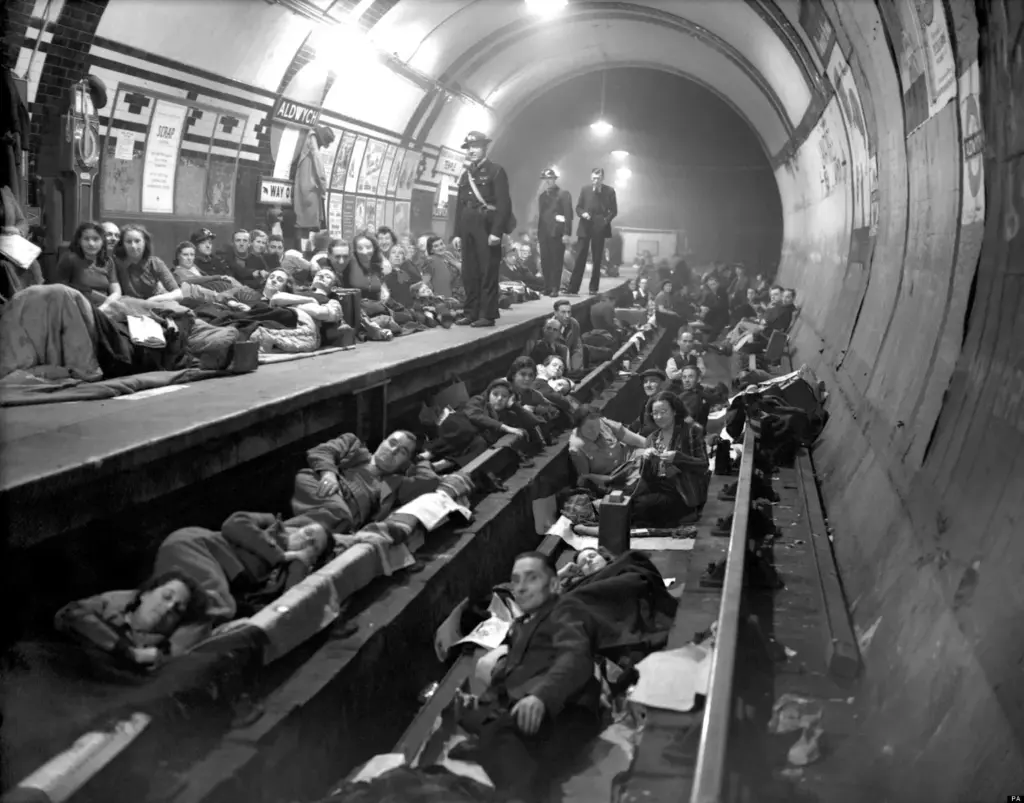
The archives of the London Underground are filled with historical snapshots that vividly depict life across various eras. Photographs from the 1970s show a deeply entrenched character of the Tube, emphasizing social behaviors like smoking and newspaper reading that seem almost nostalgic today. These images not only provide a veneer over the mundane but also reveal the essence of daily life, showcasing street performances and the interactions that adorned the stations. Moments like commuters waiting for trains or artists busking emphasize a rich social culture that was distinctly reflective of the time.
These historical records serve as invaluable resources, allowing present and future generations to glimpse the past. They capture vital elements of the underground culture, igniting nostalgia for older generations and sparking curiosity in younger ones. Understanding the evolution of the Tube through these images allows everyone to appreciate the journey of the London Underground, shaping our understanding of the city’s cultural and historical trajectory.
The Importance of Preserving London’s Transport Heritage
Preserving the heritage of the London Underground is vital for maintaining a connection with the city’s past. Historic stations, vintage trains, and iconic signage all contribute to the storytelling aspect of London’s transport network, offering insights into different eras of urban transport. Acknowledging and preserving these elements keeps the history of the Underground alive, highlighting the innovations and transformations that have occurred throughout its 160-year legacy. The commemoration of landmark events and milestones ensures that future generations can appreciate the significance of their transport system.
In addition, preservation efforts can serve as catalysts for tourism, drawing visitors interested in experiencing this historical marvel. The narrative of the London Underground as a pioneer of urban transportation has profound implications for how we view modern transport systems. By celebrating its history while adapting to contemporary needs, the London Underground exemplifies the balance between honoring the past and embracing the future, ensuring it remains a beloved component of London life.
Frequently Asked Questions
What are some key milestones in the history of London Underground?
The history of London Underground spans over 160 years, starting with its opening in 1863. Significant milestones include the introduction of the first electric trains in the early 1900s, the expansion of lines like the Bakerloo line extension, and the introduction of modern signaling systems. The Tube has continually evolved to meet the needs of its passengers, reflecting the transport evolution in London.
How has the nostalgia of London Underground changed over the decades?
The nostalgia of London Underground has shifted significantly from the 1970s and 1980s, a time marked by smoking and reading newspapers during commutes. Photographs from that era, like violinists busking at Bond Street station in 1979, capture the essence of communal experiences. Today, the nostalgia often focuses on the historical transformations alongside technological advancements and modern conveniences.
What are some recent changes in the history of the London Tube?
Recent changes in the history of London Underground include the expansion of the Northern line to Nine Elms and Battersea Power Station, which have modernized the transport system. Additionally, ongoing projects like the potential Bakerloo line extension aim to further improve connectivity in South London, demonstrating the Tube’s commitment to adaptation and efficiency.
How did the London Underground evolve during the 1970s and 1980s?
During the 1970s and 1980s, the London Underground witnessed several pivotal changes. This era was characterized by the gradual implementation of smoking bans post-1987 and modernization efforts. The presence of commuters reading newspapers and the absence of smartphones highlight a lifestyle that has since transformed, leading to a more technology-dependent commuting culture.
What role did the nostalgia of the London Tube play in cultural representations?
The nostalgia of the London Tube found expression in various cultural representations, notably in films like ‘Bridget Jones’s Diary’. The imagery from the 1970s and 1980s captures everyday life, invoking emotions tied to simpler times. This nostalgia aids in understanding the historical context of urban commuting and its impact on Londoners’ identity.
When was the first extension of the Bakerloo line, and what impact did it have on the history of London Underground?
The Bakerloo line was first opened in 1906, and since then, its extensions have significantly impacted the history of London Underground, enhancing accessibility to different areas of South London. The planned future extensions are set to create further connections and streamline journeys, reflecting ongoing developments in the history of London’s transport network.
What transformations can we expect in the future of the London Underground?
The future of the London Underground is poised for transformation, with anticipated extensions like the Bakerloo line further into South London and modernization of existing fleet and stations. Technological upgrades will likely enhance passenger experience, making traveling more efficient and aligned with contemporary needs while honoring the rich history of London transport.
| Key Point | Details |
|---|---|
| History | The London Underground is the oldest metro system in the world, with a 160-year history. |
| Changes Over Time | New stations, closures, and line extensions have modified the network significantly throughout its history. |
| Recent Developments | Upcoming changes may include extending the Bakerloo line and adding new stations such as Nine Elms and Battersea Power Station. |
| Cultural Reflections | Photos from the 70s and 80s show changes in commuting habits, with influences like smoking and reading newspapers prevalent at that time. |
| Notable Images | Iconic snaps include buskers in Bond Street (1979), passengers at Bank (1972), and a woman smoking on the Tube (1984). |
Summary
The history of the London Underground is a fascinating journey through time, reflecting both cultural shifts and technological advancements. From its inception over 160 years ago to recent developments that promise to shape its future, the history of the London Underground is rich and varied. Not only does it chronicle the evolution of a transportation system, but it also captures the essence of London life through nostalgic images and stories from different eras. As we look to the future, it’s essential to remember and appreciate this profound history that continues to influence the London Underground today.