
Listen to this article
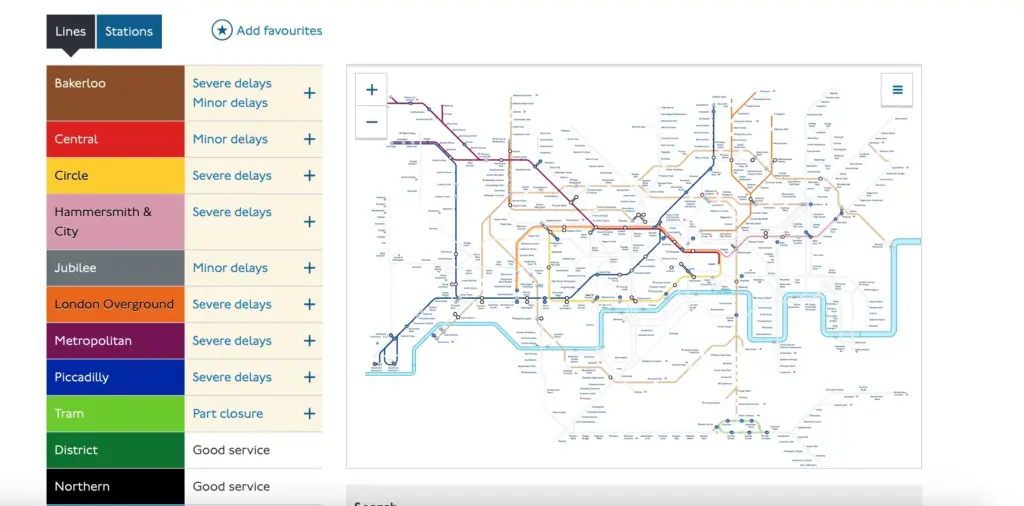
London Underground delays are becoming increasingly common, frustrating millions of commuters navigating the bustling city each day. The grim truth behind these interruptions stems from an aging infrastructure that grapples with the challenges of London’s Victorian-era design, alongside limited working hours for maintenance crews. As Transport for London (TfL) strives to manage these delays, they often find themselves at a disadvantage compared to systems like the Paris Metro, which benefits from modern upgrades and larger tunnels. With ongoing Tube engineering works and a commitment to network improvements, TfL is facing an uphill battle against the rising tide of London transport issues. The underinvestment in essential repairs and maintenance has left many wondering how long before these persistent delays will finally be addressed.
Frequent disruptions in the London transit system have become synonymous with the daily experience of commuters, particularly concerning the Underground service. These transport setbacks reflect broader operational challenges within the TfL network, exacerbated by historical design limitations and extended engineering projects. Unlike the overhauls seen in other cities, such as the Paris Metro, the London Tube often falls prey to protracted closures and inadequate overnight work windows, creating significant bottlenecks. As TfL seeks solutions to streamline repairs and improve overall efficiency, the ongoing strain illustrates the urgent need for substantial investment. The dilemma of maintaining service reliability while undertaking necessary upgrades highlights the complexity of addressing deep-rooted transport issues in London.
Understanding London Underground Delays
London Underground delays have become a common frustration for commuters, particularly as Transport for London (TfL) grapples with an aging infrastructure that often requires extensive engineering works. The complexity of the Victorian-era tunnels limits the available time for crews to conduct repairs, leading to prolonged delays that significantly impact daily operations. While some delays are predictable due to scheduled engineering works, others stem from unexpected issues, such as equipment failures or track problems, which can cause havoc for rail users throughout the TfL network.
The limited overnight maintenance window of only two and a half to three hours often allows engineers to replace only a few meters of track at a time—a stark contrast to more modern systems like the Paris Metro. This constrained working time not only contributes to the frequency of delays but also exacerbates the longer-term issues within London transport. Therefore, it is crucial for TfL to balance the need for significant upgrades with the demands of daily commuter traffic, a challenge that requires innovative engineering solutions.
Comparing TfL Delays to Paris Metro Upgrades
The contrasting experiences between TfL and the Paris Metro regarding delays and upgrades exemplify the distinct challenges faced by each city. Paris has undertaken substantial modernization programs that enable quicker updates to infrastructure thanks to their more extensive and contemporary tunnels. The comparison highlights how the physical limitations of London’s Underground hinder the speed at which TfL can implement upgrades, leaving commuters to contend with frequent delays while substantial improvements are planned.
For instance, Paris’s approach includes the swift installation of platform edge doors and new trains, which can be easily transported into their expansive stations. In comparison, London must navigate the complexities of its heritage tunnels, resulting in drawn-out projects and an inability to rapidly modernize. This situation poses a significant dilemma for TfL, which not only struggles with engineering works but also faces stiff competition with public satisfaction while trying to enhance its overall operations.
The Impact of Tube Engineering Works on Commuters
Tube engineering works are crucial for maintaining the safety and efficiency of the London Underground; however, they often lead to significant inconveniences for commuters. The necessity for disruptive closures proves particularly problematic as TfL initiates essential repairs to aging infrastructure. This has led to longer lead times for project completion and increased delays across the network, showcasing the importance of investing in substantial upgrades to improve reliability and commuter experience.
Moreover, these engineering works have financial repercussions for TfL, which has earmarked funds for line upgrades, such as the Bakerloo line. However, the projected budget is often insufficient to cover the maintenance contract demands. Consequently, delays might become more frequent, as indicated by the recent stipulations about the hours available for track repairs, urging the need for a strategic reevaluation of London’s transport investment mechanisms to mitigate commuter issues.
Addressing Transport for London’s Investment Issues
One of the significant challenges facing Transport for London is the persistent under-investment in necessary repairs and upgrades to its services. TfL’s projected budget of £1.46 billion allocated for Tube and Elizabeth line renewals through March 2027 has been criticized as insufficient compared to the estimated £210 million required annually for essential track maintenance. This budget shortfall results in increased delays and limited engineering works that are pivotal to enhancing service quality and reliability.
In response, TfL is exploring strategic partnerships with National Rail to possibly boost funding and expedite enhancements across the network. Investing in innovative track replacement methods and modern trains, as evidenced by the overall projected spend of £441 million for upcoming renewals, is vital to overcoming London transport issues, ensuring that delays are minimized and infrastructure can meet rising commuter demands.
The Role of New Technologies in Reducing Delays
To tackle the longstanding issues of delays and inefficient repairs, TfL is increasingly turning to new technologies that promise to optimize the operational capabilities of the London Underground. Innovations in track replacement techniques are being tested on significant projects like the Bakerloo line upgrade, aiming to reduce the time required for engineering works and lessen the overall impact on commuters.
Additionally, TfL is expecting an influx of new trains, including modernized vehicles for the Piccadilly line and additional Elizabeth line stock, which is anticipated to increase efficiency and reliability across the network. These advancements signify a crucial step toward modernizing London’s public transport system, providing a stronger foundation to counteract the frequent delays experienced by commuters.
Examining the Future of Engineering Works on the Underground
The future of engineering works on the London Underground presents both a challenge and an opportunity. As TfL looks toward modernization, the company recognizes the need to enhance existing engineering practices while simultaneously minimizing disruptions to service. This includes rethinking how repairs are executed, potentially leading to more efficient scheduling and planning.
Future projects will need to prioritize innovation and collaboration between different transportation sectors to ensure a robust and sustainable approach to London transport issues. As TfL reviews its strategies, the emphasis will likely shift towards integrating modern engineering solutions that can accommodate the unique specifications of the Victorian infrastructure, ideally yielding a more resilient and dependable Tube service.
Investments in Track Maintenance and Infrastructure Improvements
Investments in track maintenance are paramount for ensuring the long-term reliability of the London Underground. These operations are not only essential for routine upkeep but also for preventing the hazardous delays and disruptions that arise from neglected infrastructure. As highlighted, the current funding levels fall short of what is necessary, leading to an alarming trend of increased delays and service interruptions across the TfL network.
With an urgent need for comprehensive investments, TfL is tasked with harnessing alternative funding sources and prioritizing essential upgrades to sustain operations effectively. Scheduled improvements must not only focus on immediate needs but also on future-proofing the network against further disruptions caused by aging infrastructure and growing passenger demands.
The Importance of Collaboration in Urban Transport Development
Collaboration plays a critical role in driving advancements in urban transport development, with TfL actively seeking partnerships with various stakeholders to optimize the efficiency of the London Underground. By working together with National Rail and other organizations, TfL aims to pool resources and expertise to address the inherent challenges posed by the aging infrastructure, thus ensuring that customers experience fewer delays in the long term.
This multifaceted approach enables TfL to tap into innovative practices and technologies that can improve operational efficiency, such as streamlined engineering works and new train deployment strategies. City planners and transport leaders must unite under a common vision of sustainable urban mobility that not only resolves ongoing issues but anticipates future demands on the network.
Strategizing for Enhanced Commuter Experiences
One of the ultimate goals for Transport for London is to improve commuter experiences by mitigating delays and enhancing service reliability on the Underground. This requires a thoughtful strategy that combines investment in new technologies with a commitment to sustainable practices, ensuring that every journey remains smooth and efficient.
TfL aims to engage commuters in its planning processes, providing transparent communication regarding upcoming engineering works and service changes. By fostering an environment of collaboration and openness, TfL can align its goals with passenger expectations, ultimately leading to a more user-friendly experience and a marked reduction in frustrations related to London Underground delays.
Frequently Asked Questions
What are the main causes of London Underground delays?
London Underground delays can primarily be attributed to aging infrastructure, particularly the Victorian-era tunnels that limit engineering work opportunities. Frequent engineering works and limited time for repairs exacerbate these delays. Transport for London (TfL) has acknowledged that they need to invest more in maintenance to combat these issues.
How do TfL delays compare to those of other transit systems like the Paris Metro?
TfL delays are generally more frequent than those experienced on the Paris Metro. The French system benefits from modern infrastructure, which allows for quicker upgrades and repairs. In contrast, London’s older tunnels limit the scope and efficiency of maintenance work, resulting in longer and more frequent delays.
What engineering work is currently affecting London Underground delays?
Ongoing engineering works on the London Underground are primarily aimed at upgrading existing lines and improving overall service reliability. These works often lead to planned closures and delays, and recent efforts are focused on significant upgrades to lines such as the Bakerloo. TfL has allocated substantial funding towards these projects but faces challenges due to the complexity of the Victorian network.
Why are there frequent engineering works on the London Underground?
Frequent engineering works on the London Underground are necessary due to the need for regular maintenance and updates to an aging system. Maintenance often requires extensive labor during limited overnight hours, leading to closures and delays. TfL has indicated that improved track repair techniques and additional funding are crucial to reducing the frequency of these disruptive works.
What can passengers expect regarding future Tube engineering works and delays?
Passengers should anticipate longer-term closures on the London Underground as TfL commits to improving maintenance and upgrades. The agency is exploring efficient methods for conducting repairs, which may lead to fewer but longer interruptions in service. Regular updates will be provided by TfL to keep riders informed about upcoming engineering works and potential delays.
How is TfL addressing the investment shortfall that leads to London transport issues?
TfL is aware of the investment shortfall that has contributed to increased delays and ongoing transport issues. They are seeking to secure additional funding for essential upgrades. The current budget sees a deficit in the required amount for track maintenance, which could potentially lead to more significant delays unless addressed promptly.
Are there specific lines on the London Underground that experience more delays?
Yes, certain lines on the London Underground, such as the Jubilee and Piccadilly lines, have been noted to experience more frequent delays. The available service capacity on these lines has dropped significantly, contributing to longer wait times and disruptions for passengers.
What improvements are planned to reduce London Underground delays?
Planned improvements to reduce London Underground delays include significant investment in track maintenance and the introduction of new trains. TfL is also focusing on enhancing repair techniques to minimize disruption, particularly in deep tunnels. Overall, these initiatives aim to bolster service reliability and reduce the frequency of delays across the network.
| Key Points | Details |
|---|---|
| Increased Delays on London Underground | Transport for London (TfL) reports frequent delays due to Victorian infrastructure. |
Summary
London Underground delays have become a pressing issue due to several factors, primarily the challenges posed by the outdated Victorian-era tunnels and limited working hours for repairs. Although TfL has allocated funds for modernization and improvements, under-investment in maintenance has contributed to operational inefficiencies. As London strives to enhance its transport network, it faces obstacles that its European counterparts, like the Paris Metro, do not, leading to prolonged closures and disruptions for passengers.