
Listen to this article
London transport upgrades are set to revolutionize how millions navigate the capital, enhancing the daily commute for both residents and visitors. With several ambitious projects lined up by Transport for London (TfL), we can expect significant enhancements by 2026. Key initiatives include major improvements to London buses and extensive upgrades to the London Underground, all aimed at improving speed, capacity, and overall user experience. Inclusive access remains a top priority, as TfL strives to boost accessibility in London transport for individuals with mobility needs. These upgrades are not just about better service but also about fostering economic growth and supporting the city’s evolving needs as its population continues to expand.
The rejuvenation of London’s transportation infrastructure, encompassing everything from bus services to Tube operations, is on the horizon. Future developments under the guidance of TfL will play a pivotal role in enhancing the commuter experience, as well as increasing the overall efficiency of urban transit systems. Strides toward accessibility in London’s transport network are a critical focal point, ensuring that all residents can benefit from modern facilities. The various upcoming projects, such as the introduction of advanced signalling systems and expanded reach of express bus routes, underscore a commitment to evolving public transport. In summary, these enhancements promise to streamline travel for everyone in the bustling city of London.
Enhancements in the London Bus Services
London bus improvements are set to make a significant impact on the daily commute of millions. Transport for London (TfL) is committing to enhancing the efficiency and reliability of its bus services. This includes the integration of real-time tracking systems that provide passengers with up-to-the-minute information on bus arrivals, reducing waiting times and improving overall accessibility. Additionally, the upgrade of bus stop infrastructure to become more user-friendly will ensure that travel remains seamless for all Londoners.
The expansion of the Superloop service is central to these enhancements, offering faster connections across outer London. The introduction of new express bus routes, such as SL11 and SL12 in 2026, aims to alleviate congestion in key areas by providing more efficient travel options. This will also support the Mayor’s strategy of reducing reliance on private vehicles, consequently contributing to a more sustainable urban environment.
London Underground Modernization Projects
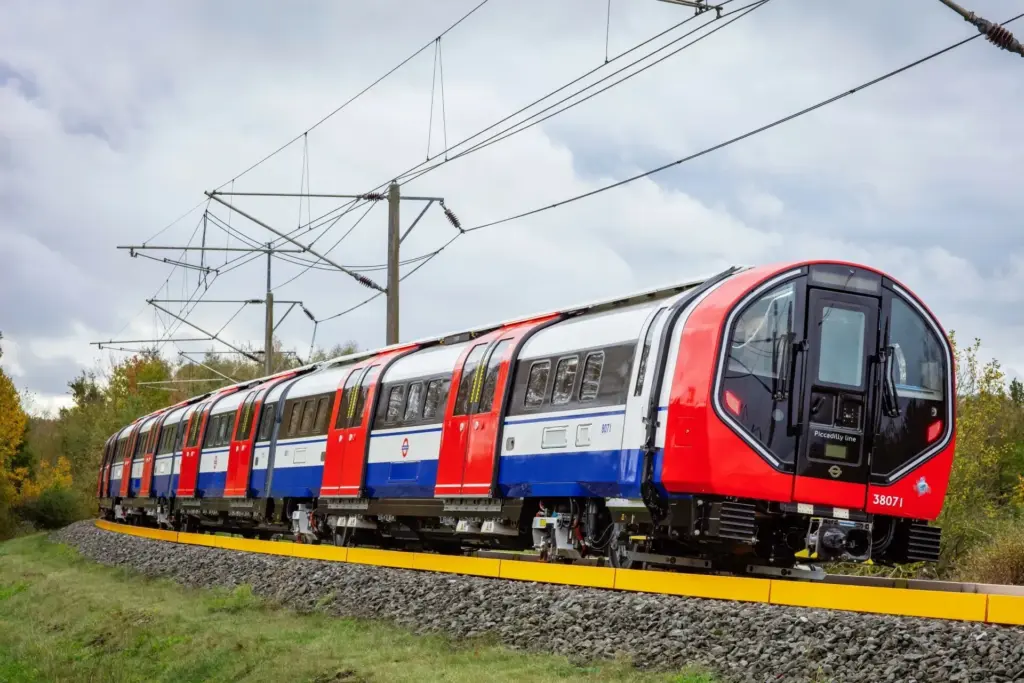
The London Underground enhancements are crucial for the city’s transport economy. The confirmed upgrades, particularly to the Piccadilly Line, reflect TfL’s commitment to modernizing its services. With the investment of £2.9 billion for new train models featuring walk-through designs, air-conditioning, and improved security measures, passengers can expect a more comfortable and safe commuting experience. Arrival of new trains, set for 2026, highlights TfL’s proactive approach to replacing aging stock, which is essential to accommodating the growing passenger numbers.
Moreover, the ongoing Four Lines Modernisation (4LM) project will revolutionize the signaling systems on several lines, enhancing the frequency of service and minimizing delays. With the completion of updates on the District Line expected by 2026, passengers can look forward to a more responsive and reliable Tube service. The modernization efforts are not just about speed; they also aim to enrich the overall passenger experience, with improved stations and user-friendly interfaces.
Greater Accessibility in London Transport
Accessibility in the London transport network has become a priority, with ongoing efforts to ensure that all individuals, particularly those with mobility challenges, can travel with ease. Currently, only a fraction of Tube and Overground stations provide step-free access; however, TfL is committed to expanding these facilities across its network. With the anticipated completion of Northolt station’s upgrades by 2026, there is optimism for increasing accessibility, particularly for vulnerable populations.
TfL’s focus on step-free stations is part of a broader strategy to enhance accessibility within London transport. By ensuring that more stations comply with accessibility standards, TfL aims to support individuals with varying mobility needs, allowing them to utilize public transport confidently. This drive towards inclusivity not only fulfills regulatory requirements but also aligns with the values of the London community, promoting equity in public service use.
The Future of London Transport by 2026
With ambitious plans laid out for the next few years, London transport is positioned to undergo substantial transformations. The TfL 2026 projects emphasize a holistic improvement strategy that encompasses all facets of public transport in the capital. Investment in infrastructure, technology, and user experience reflects a forward-thinking approach to urban transport. This includes enhancements not only to bus and Tube services but also potentially extending rail services to underserved areas.
Furthermore, as London’s population continues to grow, addressing the demand on the transport network will be vital. With planned projects like the DLR extension to Thamesmead and ongoing appeals for government funding, TfL is aligning its priorities with the city’s growth trajectory. This strategic planning underscores the importance of continuous investment in public transport, ensuring that it remains effective and sustainable for future generations.
Improvements to Tube Mobile Connectivity
As technology becomes an integral part of daily life, mobile connectivity within the London Underground is being prioritized. The expansion of 4G and 5G coverage across platforms, ticket halls, and tunnels will revolutionize the way Londoners use the Tube. With limited connectivity previously hampering user experience, these upgrades will allow commuters to remain connected while traveling, boosting both productivity and comfort.
By 2026, all Underground stations and related transport services, including the Elizabeth Line, will benefit from enhanced mobile coverage. This significant improvement not only meets the demands of modern commuters but also assists in emergency situations, providing crucial connectivity when it is needed most. The mobility of information will empower passengers, allowing them to stay informed about services and news easily.
Funding and Investment in London’s Transport Network
Transport for London is not only focused on current upgrades; it is also looking toward the future. The multi-year capital funding agreement secured earlier this year has provided much-needed resources to support ongoing and upcoming projects. Investment in infrastructure is essential for maintaining and improving the network, driving economic growth, and facilitating the local community’s continuous development.
Future projects such as the Bakerloo Line extension and West London Orbital rail are critical to enhancing transport integration and accessibility across London. TfL’s ongoing negotiations for government funding demonstrate a commitment to expanding its services and addressing the city’s evolving needs. Such financial backing will ensure that the London transport network can meet increasing passenger demands while fostering an environment conducive to sustainable urban growth.
Creating a Sustainable Transport Future
As cities worldwide grapple with environmental challenges, London is leading the way by promoting sustainable transport initiatives. TfL’s commitment to upgrades and projects is vital for reducing carbon footprints, especially with a growing emphasis on public transport over personal vehicles. By enhancing bus routes, increasing efficiency, and investing in electronic mobility solutions, London is positioning itself as a model for sustainable urban transport.
Moreover, the integration of bicycle and ferry services with upgrades allows for a comprehensive transport approach that supports greener alternatives. Encouraging public transport use, along with expanding options for cyclists and walkers, aligns with the broader goals of improving air quality and reducing congestion in the city. This multi-faceted strategy is central to creating a resilient transport network that supports a sustainable London.
Engaging Communities in Transport Development
Community engagement is vital in shaping the future of London transport. TfL recognizes the importance of involving local populations in decision-making processes, ensuring that the upgrades and improvements reflect their needs and aspirations. By hosting workshops, consultations, and feedback sessions, TfL fosters an inclusive dialogue with Londoners, allowing for an exchange of ideas that help inform project developments.
Furthermore, this participatory approach not only enhances trust between TfL and the community but also results in more tailored services. By understanding the specific mobility challenges faced by various neighborhoods, TfL can implement solutions that effectively address these issues, thereby promoting public transport as a desired mode of travel. Engaging with the community cultivates a sense of ownership over the transport network, encouraging more individuals to utilize these enhanced services.
Expectations for London Transport Beyond 2026
While significant progress is expected by 2026, the outlook for London transport extends beyond this date. TfL is already outlining future ambitions that will carry through into the next decade and beyond. A focus on continuous improvement means that initiatives introduced now will remain flexible and adaptive to emerging challenges, such as increased passenger numbers and technological advancements.
Plans for expansions and new services, such as the proposed rail extensions and increased accessibility upgrades, will serve as a foundation for developing a more connected London transport network. This long-term vision reflects an understanding that transport infrastructure needs to evolve, ensuring that London remains a vibrant and accessible city for all its residents and visitors.
Frequently Asked Questions
What are the key upgrades planned for London transport by 2026?
London transport upgrades include significant enhancements to the Tube and bus networks, such as the introduction of new Piccadilly Line trains, expanded mobile coverage across the Underground, and the completion of several step-free stations, improving accessibility for all Londoners.
How will the Piccadilly Line trains be upgraded in the coming years?
The London transport upgrades feature a £2.9 billion investment in 94 new Piccadilly Line trains set to replace the aging fleet. These walk-through models include modern amenities like air-conditioning and CCTV, with the first trains expected to enter service in late 2026.
What is the status of step-free accessibility in London transport upgrades?
TfL is actively working to enhance accessibility across its network as part of the London transport upgrades. As of now, over a third of Tube stations are step-free, and by 2026, more stations, including Northolt, are expected to offer full accessibility for individuals with mobility needs.
What is the Four Lines Modernisation project for London transport?
The Four Lines Modernisation project aims to upgrade the signalling and control systems across the Circle, District, Hammersmith & City, and Metropolitan lines. This initiative is a key component of the London transport upgrades, with completion expected for sections of the District Line by 2026.
How will mobile coverage improve in the London transport network by 2026?
As part of London transport upgrades, continuous 4G and 5G mobile coverage will be expanded across all ticket halls, platforms, and tunnels of the Underground, as well as the DLR, Elizabeth Line, and Windrush Line, enhancing connectivity for millions of users.
What new bus routes are being introduced as part of the London transport upgrades?
The Superloop expansion represents a key aspect of the London transport upgrades, with new express bus routes SL11 and SL12 set to operate by 2026, providing Londoners with more affordable and efficient travel options.
What future projects does TfL plan to pursue beyond 2026?
TfL aims to continue its development of future London transport upgrades, including pursuing government funding for projects like the West London Orbital railway line and the Bakerloo Line Tube extension, which are expected to enhance the transport capacity and connectivity further.
How does TfL plan to accommodate the growing population through transport upgrades?
The London transport upgrades planned by TfL are crucial for managing the increasing demand on the transport network, as they focus on enhancing speed, capacity, and overall user experience to support London’s economic growth and population increase.
What are the current challenges facing the London transport upgrade projects?
Despite the ongoing London transport upgrades, challenges persist, such as project delays, securing government funding, and the need to balance enhancements with the growing transport demand as London’s population continues to rise.
| Key Area | Details |
|---|---|
| Upgraded Piccadilly Line Trains | £2.9 billion investment in 94 air-conditioned, CCTV-equipped trains; first trains expected in late 2026. |
| Step-free Stations | Over a third of Tube stations and more than 60 London Overground stations will be accessible. Completion expected for Northolt by 2026. |
| District Line Signalling Upgrade | Iterative upgrades under the Four Lines Modernisation project, expected completion by 2026. |
| Mobile Coverage Expansion | New 4G and 5G coverage in all Underground ticket halls, platforms, and tunnels, set to expand by 2026. |
| Superloop Expansion | New express bus routes SL11 and SL12 launching in 2026 to enhance travel options in outer London. |
Summary
London transport upgrades are crucial for improving the efficiency and accessibility of the city’s public transport network. As the capital’s population continues to grow, these upgrades—including new trains, enhanced mobile coverage, and expanded bus services—will play a vital role in encouraging residents to utilize public transport over private vehicles. With a significant investment from TfL, the planned improvements aim to make commuting easier, more efficient, and more enjoyable for everyone who travels in London.