
Listen to this article
The London snow forecast is making headlines as a significant weather event is set to unfold next week. As January 2026 progresses, residents of the UK capital should brace themselves for a chilly surprise, with the anticipated arrival of snow. The latest weather maps indicate a dramatic wall of snow moving towards London, promising to transform the city’s landscape. While forecasters from WX Charts predict heavy accumulations of snow starting early on Monday, January 12, the Met Office remains cautious, suggesting only cloudy skies with potential rain. Whether the snow in London will materialize as expected remains to be seen, but for those hoping for a winter wonderland, the outlook appears promising.
As January unfolds, forecasts suggest that a wintry blast may soon envelop the city once again, often referred to as a snow event. This downturn in weather conditions, marked by predictions from multiple meteorological sources, has many Londoners on alert as they prepare for potential disruptions. The sight of white-covered streets, typical of the British capital during colder months, can reconnect residents with nostalgic memories of past winters. Mixed signals from various predictions only add to the intrigue, as the Met Office hints at merely cloudy conditions, contrasting sharply with WX Charts’ bold snowfall forecasts. With the weather map of London showcasing shifting patterns, all eyes are on the sky as anticipation builds for the impending snowy conditions.
London Snow Forecast: What to Expect Next Week
As the weather map indicates significant changes approaching London, a blanket of snow is forecast to arrive by the early hours of Monday, January 12. Residents should brace for potentially heavy snowfall that could blanket the capital, creating picturesque winter scenes reminiscent of classic London winters. The predictive models from WX Charts paint a clear picture: snow will begin around 3 am, with darker purple hues on the map indicating greater accumulation. This potentially disruptive weather event could be a stark contrast to the warmer temperatures experienced earlier in the season.
The return of snow to London not only affects the aesthetic of the city but also poses challenges for transportation and daily life. The Met Office’s outlook seems at odds with the WX Charts forecast, emphasizing the uncertainty in weather predictions. While the Met Office suggests a mostly cloudy day with a chance of rain, residents should prepare for unexpected snow conditions. If the precipitation occurs as forecasted, it could lead to disrupted transport links and hazardous travel conditions, reinforcing the importance of staying informed through reliable weather sources.
Understanding the Met Office Snow Warnings
The Met Office plays a crucial role in forecasting severe weather across the UK, including snow events in London. Snow warnings are issued based on various criteria, including temperature, precipitation intensity, and potential impacts on travel and daily activities. Currently, Scotland has been issued multiple yellow warnings for snow and ice, which raises concerns about similar conditions spreading to London. As the cold front approaches, vigilance is vital; understanding these warnings can make a significant difference in how individuals and communities respond to adverse weather conditions.
In January 2026, as the snow forecast for London develops, residents should take the Met Office’s advice seriously. The warning system is designed to keep people informed of the risks associated with snowfall, particularly concerning safety hazards from ice and snow accumulation. Awareness about these warnings can help individuals avoid unnecessary travel during severe weather, thus minimizing the risk of accidents and injuries that often occur on affected roadways.
Impact of Snow on London’s Daily Life and Transport System
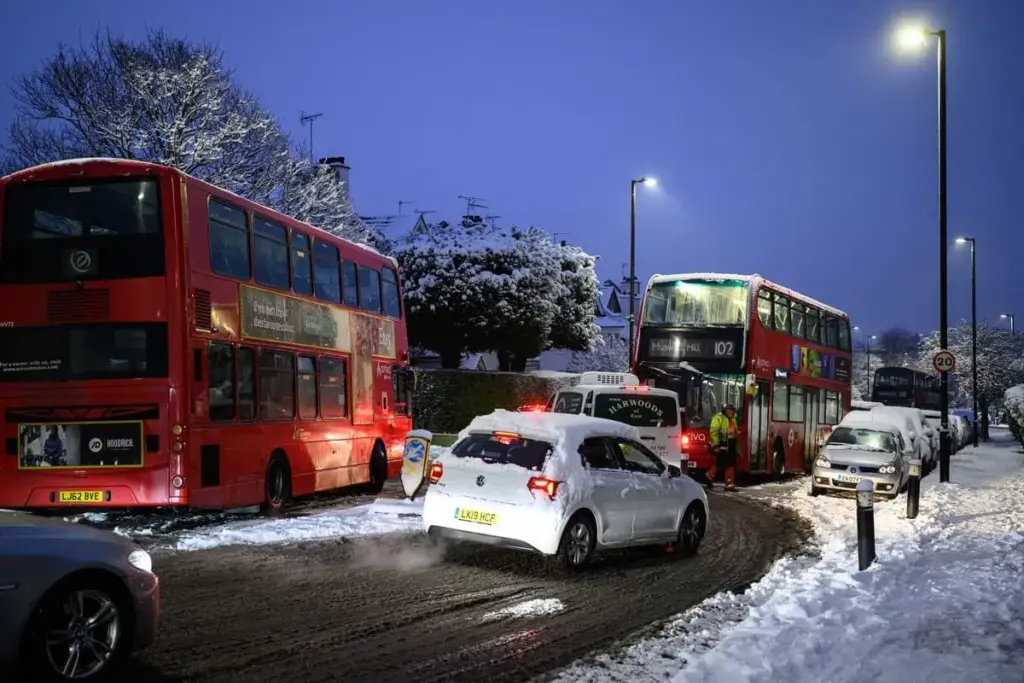
Snow in London has the potential to transform the city into a winter wonderland, but it also brings with it a host of challenges for daily life. The impact of heavy snow can disrupt public transport systems, which are vital for commuters and visitors alike. As roads become treacherously slippery, buses and taxis may face delays, while the underground network could see an uptick in crowds as people attempt to avoid the icy roads. Understanding how snow affects transport can help residents plan their journeys better, allowing for ample time to navigate the challenges posed by winter weather.
Moreover, schools and businesses often have to make quick decisions based on weather updates. When snow falls heavily, schools may close, and businesses could shorten hours. For many Londoners, this unpredictability can lead to frustration but also necessitate adaptability. Keeping tabs on reliable weather forecasts and road conditions can mitigate some of the stress associated with these interruptions, ensuring that safety remains a priority during severe snow events.
The Evolution of London’s January Weather Patterns
January weather in London has experienced notable fluctuations, showcasing a complex interplay between seasonal changes and weather systems. In recent years, the capital has seen a blend of milder winters punctuated by unexpected snowfall. The snow forecast for this winter suggests a significant shift that could lead to more traditional winter conditions, resembling the colder January weather patterns of past decades. It’s essential to recognize that these trends not only affect day-to-day activities but also have longer-term implications for climate discussion and planning.
Additionally, as London prepares for potential snow events, awareness and monitoring of local weather changes become critical. Patterns such as rising temperatures interspersed with cold snaps can create a volatile environment where citizens must be vigilant for sudden weather shifts, such as those predicted for January 12. By understanding these patterns, Londoners can arm themselves with knowledge on how best to navigate the winter months ahead.
Preparing for Snow: Tips for Londoners
As snow returns to London, preparation becomes paramount for ensuring safety and comfort during these winter months. Dress appropriately for the weather; layering warmly and ensuring your footwear has adequate grip can prevent injuries due to slips or falls. For those who need to travel, it’s wise to keep a travel bag with essentials such as water, snacks, and a portable phone charger. This additional planning can make all the difference if one gets caught in unexpected snow conditions.
Beyond personal safety, communities can come together to help each other during snowy conditions. Organizing snow clearing teams among neighbors can help keep pathways treacherous ice-free, while those who may be more vulnerable can receive assistance with grocery runs or safe transportation. Emphasizing community engagement during snow events not only enhances safety but fosters a spirit of togetherness that Londoners are known for, even amidst challenging weather.
The Aesthetics of Snow in London: A Godsend for Photographers
Snow in London can transform familiar sights into breathtaking winter landscapes, becoming a source of inspiration for photographers. Iconic landmarks, draped in snow, present unique perspectives and opportunities to capture the city’s beauty in a different light. The tranquil settings created by a fresh snowfall offer endless chances for creativity, prompting both amateur and professional photographers to take to the streets with their cameras.
As snow blankets parks, streets, and historic buildings, there’s an almost magical quality that emerges, inviting people to view their environment anew. Local photographers often utilize social media to showcase breathtaking captures, contributing to the city’s winter narrative that unfolds in real-time. Capturing these moments not only documents the transient beauty of snowfall in London but also creates a shared experience for those who view and appreciate the art produced.
Emergency Services and Snow: Staffing Challenges
When anticipating heavy snowfall in London, emergency services face significant challenges in managing their responses. The logistical operation to maintain safety during adverse weather requires thorough planning and coordination. From ensuring that roadways are treated to prevent ice accumulation to readying personnel for potential emergencies, emergency services must be prepared for various scenarios that snow brings. As the forecast for January 12 outlines potential scenarios, departments must remain agile in adapting to changing weather conditions.
Collaboration among city services becomes especially critical in snow-related situations. Emergency services work hand in hand with councils to keep track of weather developments and respond promptly to reports of incidents caused by inclement weather. In this vein, public cooperation is also essential—individuals should remain informed through local updates and respond appropriately to advisories that may arise during severe snow. This unified approach enhances the city’s resilience against adverse weather conditions.
The Role of Technology in Snow Forecasting
Advancements in technology have significantly improved the accuracy of weather forecasting, including predictions for snow in London. Utilizing real-time data and sophisticated modeling techniques, weather services can provide citizens with timely and accurate updates regarding impending snowy conditions. This technology enables individuals to prepare and plan their activities according to the forecast, shifting how people engage with their environment during winter months.
In the coming days, as forecasts highlight snow headed for London, understanding the mechanics underlying these technologies can enhance public comprehension of forecasting accuracy. Engagement with interactive weather apps and platforms can allow Londoners to access granular data about snowfall intensities and distribution. Harnessing such tools not only empowers citizens but engages them in proactive planning as they await the snow’s arrival.
Weather Preparedness: Beyond the Snow
Weather preparedness extends beyond just snow forecasts; it encompasses a holistic approach to climate resilience. As London faces various winter conditions, including rain and ice, developing a strategy for all scenarios is paramount for individuals and communities. People should familiarize themselves with local resources, such as emergency contacts and services that provide support during adverse weather conditions.
Long-term adaptability requires that citizens stay informed not only about immediate forecasts but also about broader trends in climate change affecting seasonal weather. By understanding the interplay between seasonal weather and climate change, residents can become advocates for sustainability, promoting practices that combat climate effects. Emphasizing the importance of preparation across all types of weather solidifies London’s resilience in the face of unpredictability.
Frequently Asked Questions
What can we expect from the London snow forecast next week?
The London snow forecast indicates a significant snow event arriving early on Monday, January 12, based on the WX Charts weather map. A wall of snow is expected to approach from the west, bringing various accumulations throughout the day. However, the Met Office suggests only cloudy conditions with a chance of rain.
When will snow return to London according to the latest forecasts?
Snow is predicted to return to London on January 12, 2026. The weather map shows a heavy snowfall starting around 3 AM, with accumulations potentially impacting travel and outdoor activities later in the day.
Is the Met Office snow warning applicable to the London area this week?
While the Met Office has issued yellow warnings for parts of Scotland, it has not confirmed a snow warning for London this week. Instead, their forecast suggests cloudy conditions with potential rain, contrasting the forecasts from WX Charts.
How does the current weather map predict snow in London?
The weather map from WX Charts shows a substantial snow wall approaching London from the west. This forecast visualizes the intensity of the incoming snow with purple shading, indicating substantial accumulation, expected to start early Monday morning.
What is the current weather in London leading up to potential snowfall?
Currently, the weather in London is characterized by colder temperatures, with highs around 6°C and lows dropping to -2°C at night. The forecast includes cloudy weather, with patchy light rain or sleet expected before the significant snow arrives next week.
How prepared should I be for snow in London on January 12, 2026?
Given the snowfall predicted for London on January 12, 2026, prepare by checking travel updates and ensuring your home and vehicles are ready for winter conditions. The impending snow could impact roads and public transport.
Are there any travel disruptions expected in London due to the snow forecast?
Yes, if the snow forecast for January 12, 2026, is accurate, travelers in London may face disruptions. Heavy snowfall can lead to delays and cancellations in public transport and increased journey times on roads.
| Key Point | Details |
|---|---|
| Weather Forecast for London | A significant snow wall is predicted to hit London on Monday, January 12 at approximately 3am. |
| Snow Accumulation Map | The forecast by WX Charts shows the snow’s intensity represented by purple shading, with darker areas indicating heavier snow. |
| Met Office Prediction | Contrastingly, the Met Office forecasts only cloudiness and a chance of rain on Monday, without snow. |
| Current Weather Conditions | As of January 7, London is experiencing coastal showers, icy patches, and cold temperatures of around 5C. |
| Upcoming Weather (Jan 8-10) | Expect heavy rain, sleet, and snow moving through the area, with potential improvements on Saturday. |
Summary
The London snow forecast indicates that a substantial snow front is on its way to the capital next week, potentially transforming the city into a winter wonderland on January 12. While some forecasts predict significant snowfall, others, like the Met Office, suggest merely overcast skies. As the weather fluctuates, it’s essential to stay updated on the latest conditions to ensure safety and preparedness for the biting cold and icy surfaces.