
Listen to this article
London has once again found itself at the centre of an international political debate after former U.S. President Donald Trump made renewed claims about crime in the UK capital. His remarks, which suggested that London has become unsafe and poorly policed, quickly gained attention online — and just as quickly drew a firm response from Britain’s top police officials.
The controversy has reignited discussions about London’s global image, public safety, and how political narratives can shape perceptions far beyond national borders.
What Did Trump Say About London?
In recent comments, Donald Trump suggested that crime in London is “out of control” and implied that there are areas where police struggle to operate freely. Although similar claims have been made by him in the past, this latest round arrived at a time when London is working to attract global investment, tourism, and business confidence.
Trump’s remarks circulated widely on social media and were picked up by international news outlets, sparking concern among Londoners who felt the portrayal did not reflect everyday reality in the city.
Metropolitan Police Respond Firmly
The Metropolitan Police Commissioner, Sir Mark Rowley, responded directly and publicly — a move that underlined how seriously the comments were taken. He described Trump’s claims as “complete nonsense” and stressed that they do not align with crime data or operational reality.
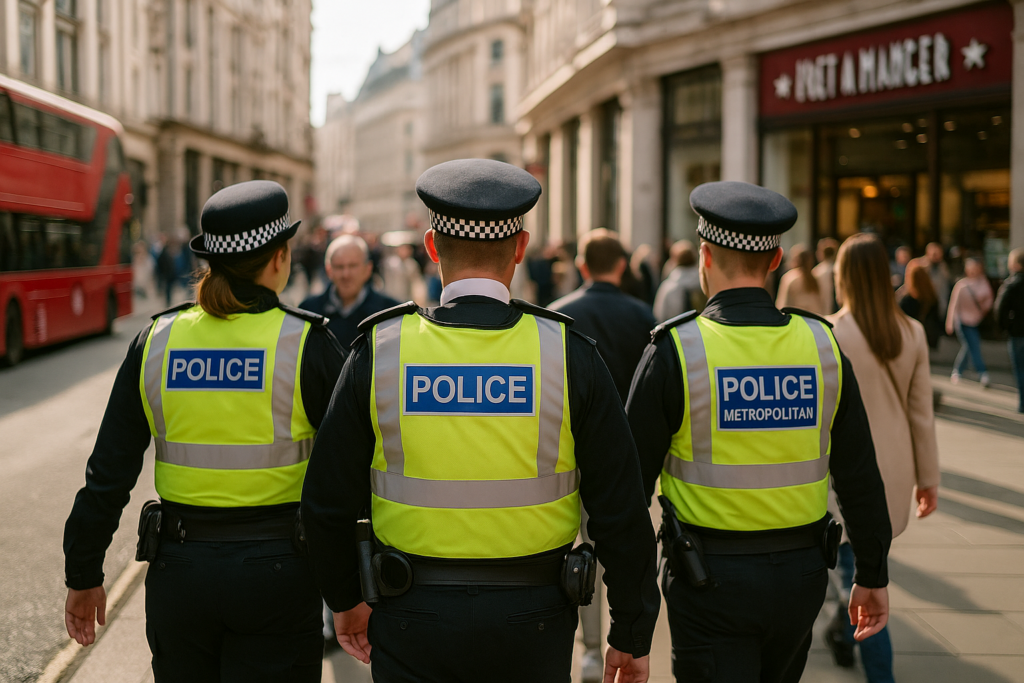
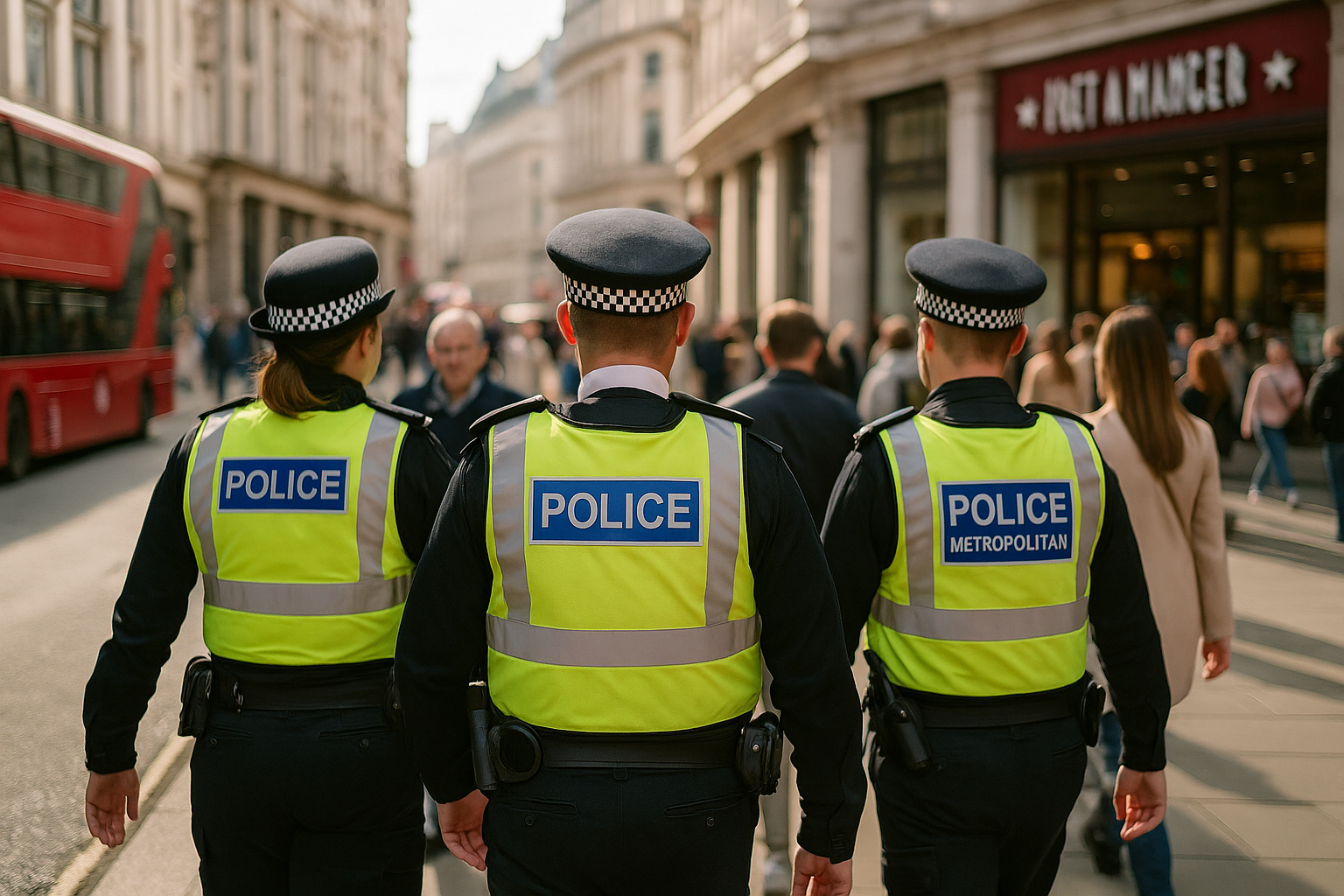
According to the Met, London does not have so-called “no-go zones,” and officers continue to police all boroughs daily. Rowley also pointed out that, when compared internationally, London’s violent crime rates are lower than those of many large U.S. cities.
His response aimed not only to correct the record, but also to protect public confidence in policing and reassure residents, visitors, and businesses.
The Reality of Crime in London
Like any major global city, London faces challenges related to crime — including theft, knife crime, and anti-social behaviour. However, experts and law enforcement officials stress that these issues are complex and often fluctuate based on social, economic, and seasonal factors.
Importantly, crime trends in London are closely monitored, publicly reported, and subject to oversight by both local and national authorities. Ongoing initiatives focus on neighbourhood policing, youth intervention programmes, and targeted operations in high-risk areas.
For many Londoners, day-to-day life continues much as normal — commuting, working, socialising, and enjoying the city’s cultural life with a strong visible police presence across transport hubs, city centres, and residential areas.
Political Tensions and London’s Image
Trump’s comments also revived his long-running public feud with London Mayor Sir Sadiq Khan. The two have exchanged criticism over several years, often using London as a backdrop for broader political arguments.
UK political figures across party lines were quick to defend the city, emphasising that London remains one of the world’s most visited, diverse, and economically powerful capitals. Tourism leaders, in particular, warned that exaggerated claims about safety can unfairly damage a city’s reputation.
Why This Debate Matters
Beyond political rivalry, the issue highlights how global cities are increasingly judged through online soundbites rather than lived experience. For London — a city of nearly nine million people — international perception matters for tourism, investment, and global standing.
Police officials have stressed that while criticism and accountability are healthy in a democracy, misinformation can undermine public trust and distract from genuine efforts to improve safety.
The Bottom Line
London is not a crime-free city — no major city is. But claims that it is lawless or unpoliceable are strongly rejected by those responsible for keeping it safe. The response from the Metropolitan Police serves as a reminder that facts, data, and lived reality matter more than headlines.
As political debates continue across borders, Londoners largely remain focused on practical issues: safer streets, stronger communities, and a city that continues to thrive despite global scrutiny.