
Listen to this article
The London police motorcyclist trial garnered significant attention as it involved a tragic incident where a police motorcyclist tragically struck an elderly woman while escorting the Duchess of Edinburgh. Despite the heart-wrenching circumstances surrounding 81-year-old Helen Holland’s death, the Metropolitan Police officer involved, Christopher Harrison, was acquitted of causing death by careless driving. This verdict has sparked debates, particularly following the details of the motorcycle escort accident on May 10, 2023, which unfolded in broad daylight on a busy London road. Jurors deliberated for over two hours before reaching their conclusion, leaving some family members dismayed and expressing their grief in the courtroom. The broader implications of this case, including the role of police procedures and accountability, continue to resonate within discussions about road safety and public trust in law enforcement.
In a high-profile incident that has captured public interest, the recent case surrounding the trial of a police motorcyclist in London raises questions about law enforcement practices during official escorts. The officer, who was part of a convoy serving the Duchess of Edinburgh, faced scrutiny after the collision that led to the tragic passing of Helen Holland. This event highlights the complexities of police motorcycle operation standards and the potential repercussions involved. As the trial concluded with a not-guilty verdict, many now ponder about the impact of careless driving verdicts in the context of public safety and police accountability. As discussions about the Duke of Edinburgh’s news unfold, individuals are eager to learn more about Helen Holland’s life and the disciplinary actions within the Metropolitan Police.
London Police Motorcyclist Trial: A Complex Verdict
The recent trial concerning the London police motorcyclist has ignited discussion around traffic safety and the responsibilities of law enforcement during high-profile escort duties. Pc Christopher Harrison was acquitted of causing death by careless driving in an incident that tragically resulted in the death of 81-year-old Helen Holland, who suffered severe injuries leading to her death following the accident. This verdict prompts crucial questions about the implications of police escorts and their adherence to traffic regulations, especially when operating under emergency conditions.
During the trial at the Old Bailey, it was revealed that Pc Harrison exceeded the legal speed limit while escorting the Duchess of Edinburgh, raising public concern over the standards upheld by the Metropolitan Police. The emotionally charged reactions from the public following the verdict highlight the complexities and ethical considerations law enforcement must navigate. The feedback received underscores a need for greater accountability and potentially stricter protocols in how motorcycle escorts operate, particularly in vulnerable urban areas.
The Background of the Duchess of Edinburgh Incident
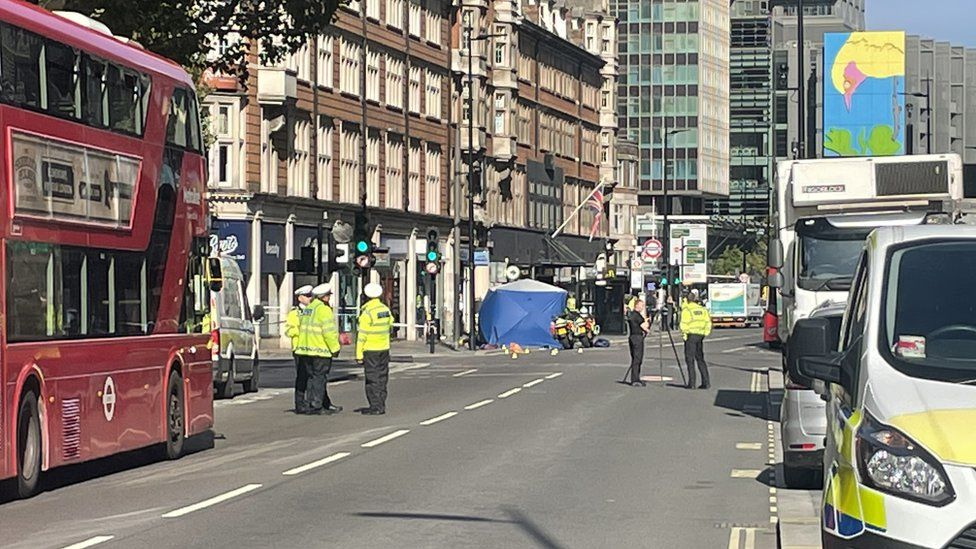
The incident involving the Duchess of Edinburgh showcased not only the intricacies of royal security but also the vital balance between public safety and the urgency of escort missions. On May 10, 2023, Pc Harrison, part of a motorcycle escort, collided with Helen Holland as she was crossing West Cromwell Road. Witnesses indicated that Holland had entered the crossing before the accident occurred, complicating the assessment of fault and raising critical points regarding pedestrian awareness in high-traffic situations.
This tragic event shines a light on the broader implications of motorcycle escort accidents, which can have devastating consequences. Given that such escorts are commonly employed during royal events, they must adhere to strict safety protocols to mitigate risks. The focus on adhering to speed limits and utilizing communication devices is paramount to ensuring not only the safety of escorted dignitaries but also the general public.
Understanding the Careless Driving Verdict
The jury’s careful deliberation leading to the not guilty verdict in the careless driving case against Pc Harrison raises important legal discussions regarding the standards of evidence required to establish culpability in motor vehicle incidents. The specifics of the trial indicated that despite exceeding the speed limit, the circumstances around the collision were contextually complicated. The court heard testimonies from Pc Harrison, who expressed his grief over the incident, emphasizing that it was an unpreventable tragedy rather than a blatant act of negligence.
The outcome of this trial reflects the challenges faced by jurors when determining the applicability of careless driving charges, particularly related to emergency service personnel. It underscores the necessity for comprehensive training and ongoing assessments regarding the conduct of police escorts to minimize risks in future operations. Furthermore, acclaimed expert opinion on what constitutes careless driving in emergency scenarios plays a significant role in shaping police training and public sentiment towards law enforcement actions.
Implications for Metropolitan Police and Future Policy
The outcome of the trial involving Pc Christopher Harrison resonates beyond individual accountability. It poses critical implications for the Metropolitan Police and the policies governing police escorts. The public’s demand for greater transparency and accountability in cases involving high-speed pursuits or escort duties could lead to reforms that bolster safety protocols. As law enforcement agencies reassess their escort practices, there is an increasing call for more stringent guidelines and the deployment of enhanced technological support in emergency situations.
Metropolitan Police forces across the country may revisit their training procedures and operational standards in response to public outcry and media scrutiny following this case. The focus could shift towards integrating best practices in traffic management with royal escort duties, ensuring that officers are equipped with the knowledge and tools necessary to perform their responsibilities safely and effectively. Such changes could potentially save lives and restore public trust in law enforcement’s capacity to prioritize both public safety and dignitary protection.
Who is Helen Holland? A Life Remembered
Helen Holland, an 81-year-old pensioner whose tragic death sparked intense media coverage and public discourse, represented the vulnerable members of society affected by road traffic incidents. Described by family members as a loving grandmother, Helen’s story serves as a heartbreaking reminder of the fragility of life and the unexpected consequences of accidents. Her legacy has brought attention to the urgent need for enhanced pedestrian safety measures in busy urban areas.
The harrowing details surrounding Helen’s death highlight the human aspect of road accidents, reminding us of the impact these incidents have on families and communities. The public outcry following the incident further emphasizes the importance of road safety and the need for robust measures to protect the most vulnerable, particularly in busy settings where both pedestrians and emergency vehicles operate. Helen Holland’s life and untimely death remind us constantly of the responsibilities that come with driving and the imperative of safeguarding public safety.
The Role of Witnesses in Legal Proceedings
Witness testimonies can significantly influence the outcomes of legal proceedings, particularly in cases involving vehicular incidents such as the London police motorcyclist trial. In the courtroom, witnesses offered different perspectives on the events leading up to the collision, contributing to the jury’s understanding of the circumstances. Their accounts provided context to the speed at which Pc Harrison was traveling and whether he demonstrated reasonable care while operating his motorcycle during the royal escort.
Witnesses are also critical in establishing the sequence of events during accident trials. They may help clarify the conditions surrounding the collision, such as the actions of the pedestrian, the visibility of the crossing, and the effectiveness of warning signals. This evidence ultimately shapes the jury’s deliberation process, highlighting the necessity for thorough and impartial eyewitness evaluations to render fair verdicts in cases where lives are at stake.
Motorcycle Escort Practices and Public Safety
The provocative case surrounding the London police motorcyclist brings to light the practices involved in motorcycle escorts and their potential risks. As officers engage in high-speed maneuvers while escorting dignitaries like the Duchess of Edinburgh, the balance between speed and safety becomes precarious. This situation raises pertinent questions about whether current practices adequately prioritize public safety and if adjustments are needed to minimize the risk of accidents in future operations.
Motorcycle escort procedures must prioritize rigorous training and policymaking to ensure officers are equipped to meet the demands of their roles. Establishing comprehensive guidelines would serve to enhance communication among escort teams and between officers and the public, ultimately fostering a safer environment during royal routines or special events with high-profile attendees. Exploring innovative solutions and adopting international best practices in escort duties could be instrumental in improving outcomes and reducing the incidence of motorcycle escort accidents.
Community Reactions Following the Verdict
In the wake of the jury’s not guilty verdict for Pc Harrison, community reactions have varied, revealing deep divides in public sentiment regarding police conduct. Many members of the public expressed outrage, feeling that the verdict did not adequately reflect the consequences of dangerous driving, particularly when it results in loss of life. The emotional toll on the Holland family has ignited discussions about accountability in law enforcement, paving the way for calls for justice reform that prioritizes victims.
Conversely, some community advocates argue that police officers, especially those engaged in escort duties, face unique challenges that should be considered during legal evaluations. The complexities involved in high-pressure environments can make it difficult to ascribe blame definitively, leading to nuanced conversations about the standards of proof required in cases involving emergency personnel. The amalgamation of conflicting opinions calls attention to the urgent need for dialogue surrounding not only the specifics of this case but the broader implications for policing and community safety.
Future Directions for Road Safety Initiatives
The tragic incident involving Pc Harrison and Helen Holland has underscored the critical need for enhanced road safety initiatives, especially in urban environments where pedestrians and vehicle traffic intersect frequently. Policymakers must recognize that the existing measures may fall short in protecting vulnerable users of the road, and reassessing pedestrian infrastructure can yield safer outcomes. Encouraging the implementation of traffic calming measures, signaling improvements, and dedicated crossing zones can help mitigate risks and promote a culture of safety.
In addition to infrastructure improvements, raising public awareness about pedestrian safety and the responsibilities of motorists during royal escorts and emergency responses is paramount. Collaborative efforts among law enforcement agencies, local governments, and community organizations can foster programs that promote safe driving habits while emphasizing respect for pedestrian routes. Ultimately, the goal is to create a transportation culture where safety becomes a shared responsibility among all road users.
Frequently Asked Questions
What was the outcome of the London police motorcyclist trial involving Pc Christopher Harrison?
In the London police motorcyclist trial, Pc Christopher Harrison was acquitted of causing death by careless driving. The jury deliberated for two hours and 25 minutes before finding him not guilty related to the motorcycle escort accident that led to the death of Helen Holland.
Who was Helen Holland in relation to the London police motorcyclist trial?
Helen Holland, an 81-year-old pensioner, was the victim in the motorcycle escort accident during the London police motorcyclist trial. She tragically passed away following a collision with Pc Christopher Harrison’s motorcycle while he was escorting the Duchess of Edinburgh.
What caused the tragic accident in the London police motorcyclist trial?
The tragic accident during the London police motorcyclist trial occurred when Pc Christopher Harrison’s motorcycle struck Helen Holland, who was already on the pedestrian crossing. At the time, Harrison was traveling between 44 mph and 58 mph in a 30 mph zone while escorting the Duchess of Edinburgh.
What statements were made following the careless driving verdict in the London police motorcyclist trial?
After the careless driving verdict in the London police motorcyclist trial, a member of the public gallery shouted, ‘You ruined our family with no consequences.’ This reaction highlighted the emotional impact of the case and the public’s concern regarding the accident.
What factors were discussed during the Metropolitan Police trial that contributed to the accident?
During the Metropolitan Police trial, it was revealed that Pc Harrison did not activate his body-worn camera or use his whistle before approaching the pedestrian crossing, which were significant factors discussed in relation to the accident involving the Duchess of Edinburgh’s motorcycle escort.
What evidential details were revealed about the accident in the London police motorcyclist trial?
In the London police motorcyclist trial, it was testified that Helen Holland was 2.9 meters onto the pedestrian crossing when she was struck by Pc Harrison’s motorcycle. The injuries she sustained included a skull fracture and other severe lacerations, which ultimately led to her death.
How did Pc Christopher Harrison describe the collision during the London police motorcyclist trial?
Pc Christopher Harrison described the collision during the London police motorcyclist trial as a ‘tragic accident’ that happened under circumstances beyond his control, emphasizing that he did not see Helen Holland until the moment of impact.
What role did the Duchess of Edinburgh play in the London police motorcyclist trial accident?
The Duchess of Edinburgh was part of the convoy being escorted by Pc Christopher Harrison when the accident occurred. His involvement in the motorcycle escort accident reflected the complexities and responsibilities police officers face during such high-profile duties.
| Point | Details |
|---|---|
| Incident Date | May 10, 2023 |
| Verdict | Not guilty of causing death by careless driving |
| Accused | Pc Christopher Harrison, 68, Metropolitan Police |
| Speed at the Time of Incident | Between 44mph and 58mph in a 30mph zone |
| Victim | Helen Holland, 81 years old |
| Circumstances of Collision | Ms. Holland was 2.9 meters onto the crossing when struck |
| Injuries | Skull fracture, bruising, and fractures to legs |
| Cause of Death | Complications from severe head injury |
| Public Reaction | Anger expressed by the public after the verdict |
| Police Protocol | Failed to activate body-worn camera and use whistle |
Summary
The London police motorcyclist trial has concluded with the jury finding Pc Christopher Harrison not guilty of causing death by careless driving following a tragic incident that resulted in the death of Helen Holland, an 81-year-old pensioner. This case highlights the challenges and complexities involved in police escort operations and raises discussions about road safety and pedestrian rights. The emotional responses from both the victim’s family and the community emphasize the profound impact of such accidents, calling into question the accountability of those in protective roles.