
Listen to this article
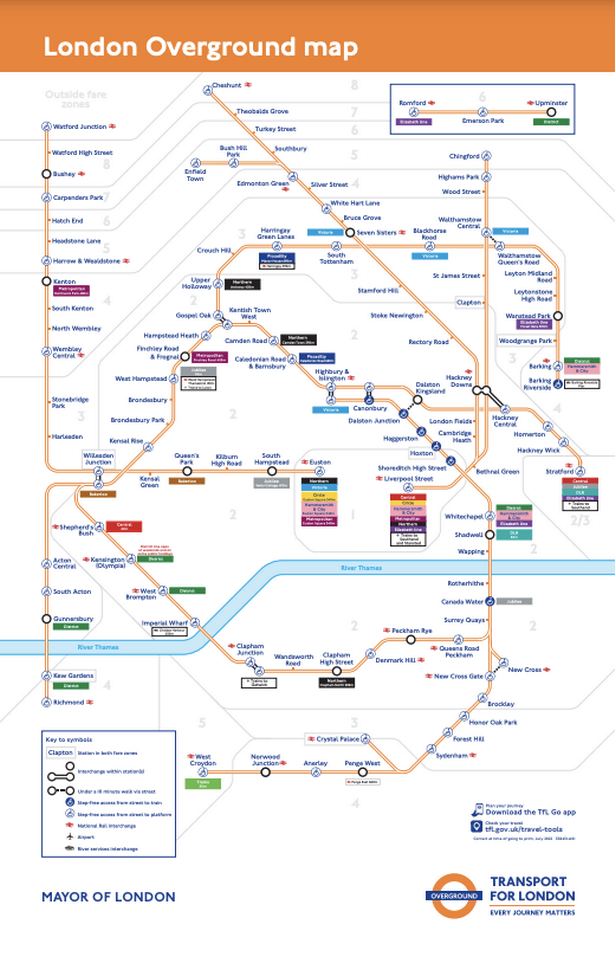
The London Overground service expansion promises to transform the commuting experience for thousands as Transport for London (TfL) seeks to gain control over two major commuter routes by 2027. With plans to introduce 20 new Overground stations, this initiative signals a significant enhancement in London transport improvements, offering more frequent and convenient services to residents and visitors alike. The TfL management proposal emphasizes not only the operational benefits but also the need for a modernized rail experience that reflects the growing demands of our capital city. By integrating these routes, TfL aims to create a seamless network that connects key areas to the bustling heart of London, all while enhancing the TfL commuter routes for a better travel experience. The project, under the auspices of the Great Northern rail control, stands poised to revolutionize the way Londoners navigate their city, effectively making daily journeys smoother and more efficient.
The upcoming enhancements to London’s rail network reflect a strategic move towards modernizing urban transport. The planned expansion of the Overground service aims to consolidate rail travel within the city, offering residents greater accessibility and frequency as they traverse the capital. This ambitious vision is part of a broader effort to intertwine multiple transport options under a singular, integrated approach, ultimately improving the overall urban mobility landscape. By potentially incorporating additional stations and revamping existing routes, the initiative not only caters to an increasing population but also aligns with long-term sustainability goals for the London area. The goal is simple yet impactful: to create a robust public transport framework that serves the needs of modern commuters while alleviating congestion throughout the city.
Introduction to London Overground Service Expansion
The proposed expansion of the London Overground service aims to enhance connectivity in the capital and surrounding areas. With Transport for London (TfL) set to take control of two major commuter routes, this initiative could greatly improve travel experiences for commuters and residents alike. By expanding the Overground network to include new stations, TfL aims to modernize public transport, making it more accessible and efficient, thereby encouraging more people to opt for rail travel over other modes of transport.
The significance of this expansion is underscored by the fact that over 20 new locations could be serviced under the Overground network by the end of 2027. This includes key commuter areas that currently fall under the Great Northern Railway, making the transition pivotal not only for local commuters but also for enhancing the overall London transport improvements. Improved frequencies and integrated fare structures are set to transform the public transport landscape in London, benefitting millions.
TfL’s Management Proposal for Greater Efficiency
The management proposal put forth by TfL is ambitious and aims to encapsulate the essence of London’s evolving transport demands. By seeking control of the routes from Moorgate to Welwyn Garden City and Hertford North, TfL is not only addressing immediate user needs but is also future-proofing the service with anticipated increases in capacity. With the potential for upgrades at numerous stations, including the much-needed enhancements at Crews Hill, the proposal outlines a clear vision for the future of public transport in London.
This move aligns with TfL’s broader goal of ensuring that all Londoners benefit from reliable and frequent train services. Improved operational control could lead to increased service frequencies, particularly during peak hours, ensuring that commuters face fewer delays. Moreover, the potential incorporation of 20 stations into the Overground network could streamline operations and bring about significant cost benefits in the long run, echoing the committee’s sentiments that now is the time for a transformation in the rail system.
Key Benefits of the Expansion for Commuters
The expansion of the London Overground service is poised to offer several benefits to commuters. With the introduction of 20 new stations, daily travelers would experience reduced journey times, greater service frequency, and improved overall access to the capital’s extensive transport network. Enhanced connectivity can not only facilitate better commuting options but also stimulate economic growth in the areas surrounding these new stations, making them more attractive for business and residential development.
Furthermore, integrating these services under the TfL umbrella could lead to a more unified and user-friendly transport experience, with seamless connections across different modes of transport. This focus on integration stands to enhance the reliability of travel times, an aspect crucial for many Londoners who rely on public transport to commute to work or school. Overall, the benefits are multifaceted, promoting efficiency and ease of use.
Impact of New Overground Stations on Local Economies
The addition of new Overground stations will have a significant positive impact on local economies. Improved transport links typically drive property value increases in the surrounding areas, attracting both new businesses and residents. Areas that were previously considered peripheral may now find themselves becoming focal points of investment, thus revitalizing local communities and enhancing economic activity.
Moreover, with new transport infrastructure in place, there will likely be an uptick in foot traffic, which can benefit local shops and services. The strategic placement of stations aims to harness this potential, positioning London to harness the economic benefits that come from enhanced mobility. As these areas develop, they could also provide new job opportunities, contributing to the overall growth of the region.
The Role of TfL in London’s Transport Improvements
As the central authority managing London’s public transport, TfL plays a critical role in ongoing transport improvements. From advocating for financial support for significant projects to managing the daily operations of transport services, TfL’s leadership is vital in navigating the challenges faced by London’s transport system. Their proposal to expand the Overground service highlights not just the need for service improvements but also the pursuit of a more integrated, intermodal transport system.
Through strategic proposals, such as the control of routes previously managed by different operators, TfL can streamline service delivery and enhance the commuter experience. This is not just about improving train services; it’s about creating a cohesive transport framework in which all parts work together to fulfill the needs of Londoners, further solidifying TfL’s position as a pivotal player in the future of London’s transportation landscape.
Challenges Ahead for the New Overground Service
While the plan to expand the London Overground service is promising, several challenges lie ahead. Regulatory hurdles, operational logistics, and potential financial constraints must be addressed before the implementation of this plan can materialize. Engaging with stakeholders, like the Department for Transport, is crucial for overcoming these challenges and ensuring a smooth transition from current operators.
Additionally, public sentiment towards changes in public transport services must be monitored. Commuters need to be kept informed about upcoming changes, as shifts in services can often lead to confusion or frustration. Proper communication and planning will be essential for ensuring that commuters understand the benefits of the service expansion and are prepared for any transitions required during the integration process.
Community Reactions to the Proposed Changes
Community reactions to the proposed London Overground service expansion have been mixed but generally positive among residents who anticipate improved access. Local forums have shown that many see the potential for economic growth and enhanced transport options as a significant benefit. However, there are also concerns among some residents regarding potential disruptions during construction and service adjustments.
Engaging with communities is essential to ensure that their voices are heard in the planning process. By understanding the needs and concerns of local residents, TfL can implement measures to alleviate anxieties related to construction and service changes. Transparency and community involvement are key to fostering support for the expansion and ensuring that the new services truly meet the needs of those they aim to serve.
Expected Timeline for New Overground Stations
The expected timeline for the rollout of new Overground stations under TfL’s management is ambitious, with projections indicating that many changes could occur by 2027. Such a timeline reflects TfL’s commitment to delivering improvements quickly and efficiently, as the demand for reliable and accessible transport continues to grow. However, the timeline is contingent upon receiving the necessary approvals from government authorities and successful project funding.
As these developments unfold, it is noted that TfL is focused on ensuring that the plans remain on track. Regular updates and clear communication will be vital for maintaining public confidence in this initiative. By establishing a clear roadmap, TfL can keep the community engaged and help prepare them for the new opportunities that an expanded London Overground service will bring.
Conclusion on London Overground Expansion Prospects
In conclusion, the prospects of the London Overground service expansion signal a transformative period for London’s transport network. With a robust proposal by TfL, the potential for improved commuter experiences, regional economic benefits, and better connectivity could reshape local travel for years to come. Success hinges on effective collaboration among various stakeholders and the engagement of the community to ensure that the new service meets their needs.
As plans progress, the focus will remain on integrating service expansions seamlessly into the existing framework, ensuring that London continues to evolve as a leading global city with an efficient and user-friendly transport system. With the scheduled changes slated for the coming years, residents are on the brink of experiencing a reimagined public transport landscape that prioritizes accessibility and reliability.
Frequently Asked Questions
What is the significance of the London Overground service expansion planned by TfL?
The London Overground service expansion by Transport for London (TfL) is significant as it aims to improve connectivity and accessibility for commuters by taking control of two key rail routes, potentially adding 20 new stations by 2027. This initiative will enhance the overall efficiency of London transport improvements, particularly for areas currently underserved by the rail network.
How many new Overground stations could be introduced by the end of 2027?
By the end of 2027, TfL plans to introduce 20 new Overground stations as part of its expansion strategy. This initiative is part of the broader TfL management proposal to take over important commuter routes that currently fall under the Great Northern rail control.
What areas will be affected by the London Overground service expansion?
The London Overground service expansion is set to affect areas that include Alexandra Palace, Welwyn Garden City, Hertford North, and several others. The TfL proposal aims to integrate these locations into the Overground network, enhancing TfL’s commuter routes.
How will the London Overground expansion improve off-peak services?
The expansion of London Overground services is expected to significantly improve off-peak operations. The less costly option of TfL’s proposal would increase service frequency from two to four trains per hour on both the Welwyn and Hertford branches, effectively enhancing the commuter experience for London transport improvements.
What are the financial implications of the TfL management proposal for the Great Northern line?
The TfL management proposal for the Great Northern line includes a cost estimate that ranges from £239 million to £310 million for the service expansion. This investment aims to generate substantial revenue—estimated at £118 million over ten years—with increased service frequency designed to accommodate the anticipated demand from new housing developments.
What is the role of local government officials in the London Overground expansion?
Local government officials, including the Mayor of London, have taken an active role in lobbying for the London Overground service expansion. Mayor Sadiq Khan and Elly Baker from the Greater London Authority Transport Committee have publicly supported transferring control of the Great Northern line to TfL to foster better services and outcomes for London commuters.
What benefits are expected from the new Overground stations in Crews Hill?
The proposed new Overground stations in Crews Hill are designed to accommodate the expected influx of residents from new housing developments. This expansion is part of TfL’s plan to enhance service reliability, provide a more integrated fare system, and improve overall customer information and experience in the London transport network.
How does the current operator, Govia Thameslink Railway, fit into the London Overground service expansion plans?
Govia Thameslink Railway is currently operating the routes that TfL plans to take over as part of the London Overground service expansion. As the operator is set to come under public ownership, this transition paves the way for TfL to incorporate these routes into its network, allowing for better management of the commuter services.
| Key Point | Details |
|---|---|
| Planned Expansion | TfL is planning to expand the London Overground service to 20 new locations by the end of 2027. |
| Control Transfer | TfL aims to manage routes currently operated by Great Northern Railway, pending government approval. |
| Project Cost | The expansion could cost between £239 million and £310 million. |
| Service Frequency | The proposals include increasing off-peak services from 2 to 4 trains per hour and peak services up to 8 trains per hour on certain routes. |
| Revenue Generation | The £310 million option is projected to generate £118 million in revenue over ten years. |
| Potential New Stations | Stations like Alexandra Palace, Crews Hill, and Welwyn Garden City could come under TfL management. |
| Political Support | The Mayor of London and the Greater London Authority Transport Committee support the devolution of the Great Northern line to improve services. |
| Government Review | The Department for Transport is reviewing TfL’s proposal, considering financial implications. |
Summary
The London Overground service expansion is poised to bring significant improvements to London’s transportation framework by 2027, potentially incorporating 20 new locations under its network. This initiative underscores the commitment of Transport for London (TfL) to enhance connectivity and service reliability in the capital, addressing the needs of its growing population. With political support and a detailed financial strategy, the project seeks to optimize commuter experiences while generating substantial revenue. The forthcoming changes not only promise increased frequency of services but also aim to bolster the overall capacity of London’s transport infrastructure in tandem with urban development.