
Listen to this article
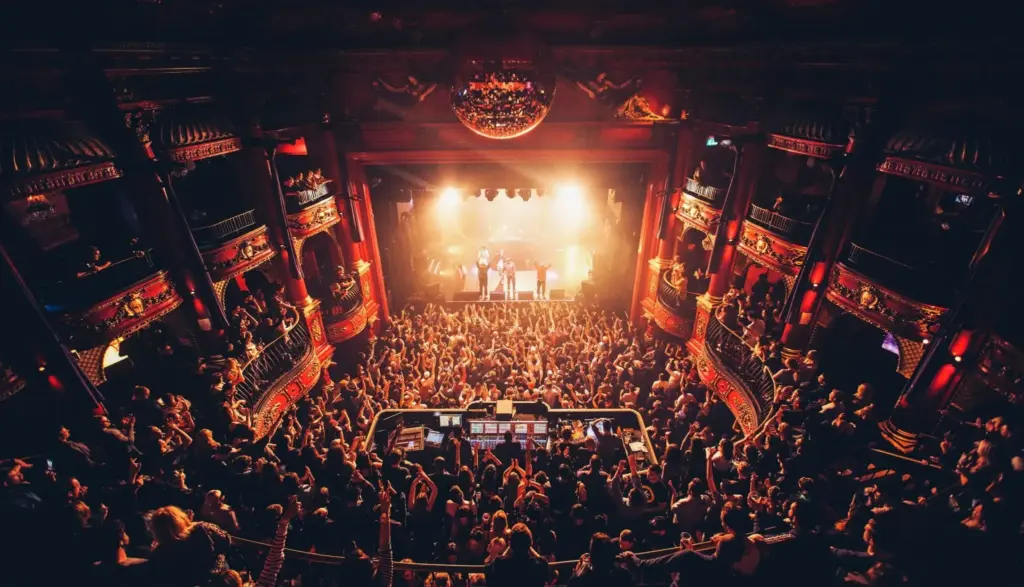
London nightlife pulses with energy and vibrancy, captivating both locals and visitors alike. As the sun sets, the city transforms into a playground of bars, clubs, and live music venues, showcasing its dynamic nighttime economy. However, this thriving scene also faces scrutiny, as discussions emerge around London nightlife crime and the need for better safety measures. Under the leadership of Sadiq Khan, initiatives such as the nightlife commission aim to enhance the cultural value of London nightlife while addressing concerns related to public safety. By promoting a balanced approach, these strategies seek to ensure that London’s nightlife remains not only a source of economic growth but also a cherished aspect of the city’s cultural identity.
Exploring the after-hours scene in London reveals a rich tapestry of experiences that extend far beyond the typical bar and club offerings. The thriving social landscape of the city embraces various alternative night activities, showcasing everything from late-night art exhibitions to food markets that invite community engagement. As the city grapples with the complexities of nighttime activities and their implications on safety and community wellbeing, the focus shifts toward fostering a nightlife that encompasses more than just alcohol consumption. This evolution in perception pushes local councils and stakeholders to rethink their strategies, aiming to create a safer, more inclusive environment that celebrates the diverse cultural threads woven into London’s late-night fabric. The ongoing discourse on the nighttime economy brings to light the significance of balancing entertainment with safety, ensuring that everyone can enjoy the vibrancy of the city’s after-dark offerings.
Exploring the Dynamics of London Nightlife
London’s nightlife is a vibrant tapestry of cultures, adventures, and experiences. From late-night art installations to electrifying dance parties, the city’s after-dark scene plays a pivotal role in enriching the cultural landscape. Amid the chatter and laughter that fills the streets, lies the undeniable reality of how important nightlife is for local economies and community bonding. The potential for shared experiences among diverse groups highlights the cultural value of London nightlife, offering something unique for residents and tourists alike.
However, the interplay between nightlife and crime remains a contentious issue. Increased reports of crime associated with nightlife activities have raised valid concerns among local communities. Mayor Sadiq Khan’s initiatives, including the recently proposed nightlife commission, aim to address these issues while promoting a safe and enjoyable atmosphere. By creating a collaborative approach involving local councils and venues, the nightlife sector can be held accountable without losing its cultural essence.
The Nightlife Commission’s Role in London’s After-Hours Economy
The establishment of the nightlife commission in London represents a significant shift in how the city manages its nighttime economy. This initiative aims to address the concerns surrounding nightlife crime while fostering an environment conducive to cultural and economic growth. By focusing on applicable measures such as real-time sound monitoring and seed funding for non-alcohol-centric nighttime activities, the commission seeks to redefine what nightlife means beyond the traditional pub and club scenes.
Moreover, this commission is not just about handling nightlife-related disturbances; it is also about harnessing the potential of nighttime economy by emphasizing its cultural value. Late-night art spaces and markets can create communal hubs, working towards a more holistic definition of nightlife that encourages creativity and inclusivity. By positioning nightlife as a cultural asset rather than merely a nuisance, local councils and the commission are working hand in hand to reclaim the nighttime economy’s importance to London.
Sadiq Khan and the Future of London’s Nightlife
Sir Sadiq Khan’s approach to London’s nightlife has evolved significantly during his tenure as mayor. He recognizes nightlife not just as a fun segment of the city’s social fabric but as a crucial economic driver and cultural sanctuary. His advocacy for a vibrant and diverse nightlife scene illustrates his commitment to safeguarding the interests of all city dwellers, including late-night revelers. Khan’s initiatives reflect an understanding that nightlife is essential for introducing new cultural experiences while also supporting local businesses.
However, challenges remain, particularly in addressing the concerns regarding nightlife crime. Critics argue that while Khan’s measures seem promising, the real test is how they navigate the delicate balance between nightlife celebration and public safety. By aligning the nightlife commission’s agenda with public interests, he can foster a community where residents feel safe and included while enjoying what London nightlife has to offer.
Reimagining Nightlife Beyond Alcohol Consumption
The proposed focus on seed funding for nighttime activities that do not revolve around alcohol sales is a forward-thinking approach to enhancing London’s nightlife. Initiatives like night markets or late-night cultural events can uplift local communities, providing alternatives that social gatherings traditionally offer without the risks associated with alcohol consumption. Such diversification can not only attract a broader audience but can also engage families and individuals who may shy away from traditional nightlife scenarios.
In expanding the definition of nightlife, local councils can better tailor offerings to community needs, creating more inclusive social spaces. This strategic shift empowers residents to help shape their nighttime economy, making them active participants rather than passive observers. By grounding nighttime events in community use instead of the conventional, alcohol-driven model, local councils enhance social value and improve public perception of the nightlife scene.
The Economic Impact of London Nightlife
London’s nighttime economy is a crucial component of its overall economic framework, contributing roughly a quarter of the city’s total economic output. This impressive figure underscores the importance of a thriving nightlife scene for both jobs and revenue generation. Various sectors benefit from the splendor of London nightlife, ranging from hospitality and tourism to arts and entertainment, driving a cohesive urban environment that fosters widespread economic growth.
However, this economic contribution is deeply intertwined with discussions on nightlife crime. Striking a balance to promote economic advancement while ensuring a safe environment for revelers is a priority for policymakers. By focusing on responsible nightlife management, including engaging local law enforcement and venues, sustainability can become a key player in enhancing the city’s nighttime economy, ensuring that cultural investments yield lasting benefits for residents and visitors alike.
Cultural Value and London Nightlife
The cultural significance of London nightlife extends far beyond mere entertainment. It encompasses the artistic expressions, social interactions, and community engagements that punctuate the city’s vibrancy after dark. This rich cultural value deserves recognition in discussions surrounding the future of nightlife, especially amidst debates on crime and safety. By promoting more diverse and enriching nighttime events, London can position itself as a global hub of creativity and cultural achievement.
Fostering an understanding of London’s nightlife as a cultural asset strengthens the case for investment and protection of these experiences. The nightlife commission’s role in redefining and promoting safe, inclusive gatherings underscores the necessity of supporting artistic endeavors and community-led initiatives, ensuring that every Londoner can participate and benefit from the city’s rich cultural heritage.
Addressing Crime Concerns in Nightlife Management
As concerns mount around the link between nightlife and crime, proactive measures play an essential role in shaping perceptions and realities within London. Policymakers and the nightlife commission have a critical task in addressing this sensitive issue while ensuring the city remains an exciting place for late-night activities. Highlighting safety measures, including crowd management strategies and real-time monitoring systems, can effectively mitigate risks associated with nightlife events.
Moreover, engaging local authorities along with nightlife stakeholders can lead to constructive dialogues that further enhance safety while preserving the city’s festive spirit. By shifting the narrative from one of blame to one of community responsibility, London can prove that a flourishing nightlife is compatible with public safety, benefiting everyone involved.
The Role of Local Councils in Nightlife Governance
Local councils have a vital responsibility in managing nightlife dynamics within their communities. Their proximity to constituents allows for better awareness of the local conditions affecting nightlife and crime, hence enabling tailored governance strategies that reflect community sentiments. By fostering a collaborative approach, councils can engage with residents, local businesses, and law enforcement in addressing concerns while promoting a vibrant nighttime economy.
The outcome of this collaboration can be a more cohesive nightlife experience, where local voices are heard and respected. This populist governance model may help bridge the gap between residents wary of nightlife and the businesses thriving on it, aiding in creating a positive and sustainable nighttime economy that benefits all stakeholders.
Future Directions for London’s Nightlife and Economy
The future of London nightlife hinges on the ability to innovate while addressing prevailing challenges such as crime and community acceptance. Embracing diverse activities, reducing reliance on alcohol-centric venues, and enhancing safety frameworks will prove essential to adapt to evolving social dynamics. In establishing collaborative networks and insights, stakeholders can effectively shape an inclusive nightlife that captivates audiences of all ages.
Ultimately, the vision for London’s nightlife must encapsulate a cultural renaissance, combining economic vitality with responsible management. By investing in community-driven initiatives, the city can ensure a nightlife that reflects its diverse population, contributing to London’s overall appeal and marketability as a world-renowned destination.
Frequently Asked Questions
What initiatives are being taken to enhance the London nightlife experience?
The London Nightlife Commission is a key initiative aimed at improving the city’s nightlife. It addresses the cultural value of London nightlife by promoting diverse late-night activities beyond just drinking in pubs and bars. This includes supporting late-night art spaces and markets, helping to shape a vibrant nighttime economy that reflects community needs.
How is Sadiq Khan involved in shaping London nightlife?
Sadiq Khan, the Mayor of London, has actively shaped the city’s nightlife by advocating for a nightlife commission and promoting a vision of a culturally rich nighttime economy. His approach seeks to balance the interests of entertainers, venues, and residents while emphasizing the cultural value of London nightlife amidst concerns about crime.
What is the relationship between London nightlife and crime?
Concerns about London nightlife crime are prevalent, yet recent reports challenge the notion that nightlife directly contributes to increased crime rates. Instead, they suggest a need for enhanced crowd management and noise monitoring to address local residents’ worries without stigmatizing nightlife as inherently dangerous.
Why is the nighttime economy important to London?
London’s nighttime economy is crucial as it accounts for about a quarter of the city’s total economic output. Beyond economic factors, the cultural value of London nightlife enriches social interactions and community bonds, highlighting the diversity and vibrancy of the city after dark.
How do local councils influence London nightlife policies?
Local councils play a vital role in managing London nightlife by addressing residents’ concerns and implementing policies related to noise and crowd control. Their authority and responsibilities ensure that nightlife reflects community interests and balances economic growth with social harmony, grounded in local consent.
What changes might we see in London nightlife with the new initiatives proposed?
With the new nightlife commission and proposals like real-time sound monitoring, London nightlife may evolve to include a broader array of activities, such as late-night markets and cultural events. These changes aim to shift focus from purely alcohol-driven entertainment to enriching cultural experiences, thereby increasing the social value of the nighttime economy.
| Key Point | Details |
|---|---|
| Importance of Hospitality and Culture | London’s hospitality and cultural sectors are vital for economic growth, but need public support. |
| Sir Sadiq Khan’s Musical Preferences | He enjoys soft rock and pop, but advocates for all nightlife communities. |
| Nightlife Crime Perception | Recent report asserts nightlife isn’t the main crime issue, focusing instead on crowd management. |
| New Nightlife Commission | This initiative aims to harmonize city nightlife with community interests. |
| Real-Time Sound Monitoring Proposal | Shifts focus from anecdotal evidence to factual data regarding noise complaints. |
| Expansion of Nightlife Definition | Encourages activities beyond alcohol, like late-night art spaces and markets. |
| Local Council Authority | Councils are key in managing local nightlife disputes and should rely on community input. |
| Economic Contribution of Nightlife | Nightlife contributes significantly to London’s economy, while also enhancing culture and society. |
Summary
London nightlife is a complex tapestry woven from cultural, social, and economic threads. While the city’s vibrant nightlife scene faces scrutiny regarding safety and crime, initiatives such as a new nightlife commission and real-time sound monitoring might pave the way for a more harmonious coexistence between residents and late-night activities. Expanding the definition of nightlife to include non-alcohol-related events may further enrich the community, fostering a diverse atmosphere where art and culture can thrive past dark hours. Overall, as London continues to evolve, maintaining a balance between thriving nightlife and local consent will be crucial for its future success.