
Listen to this article
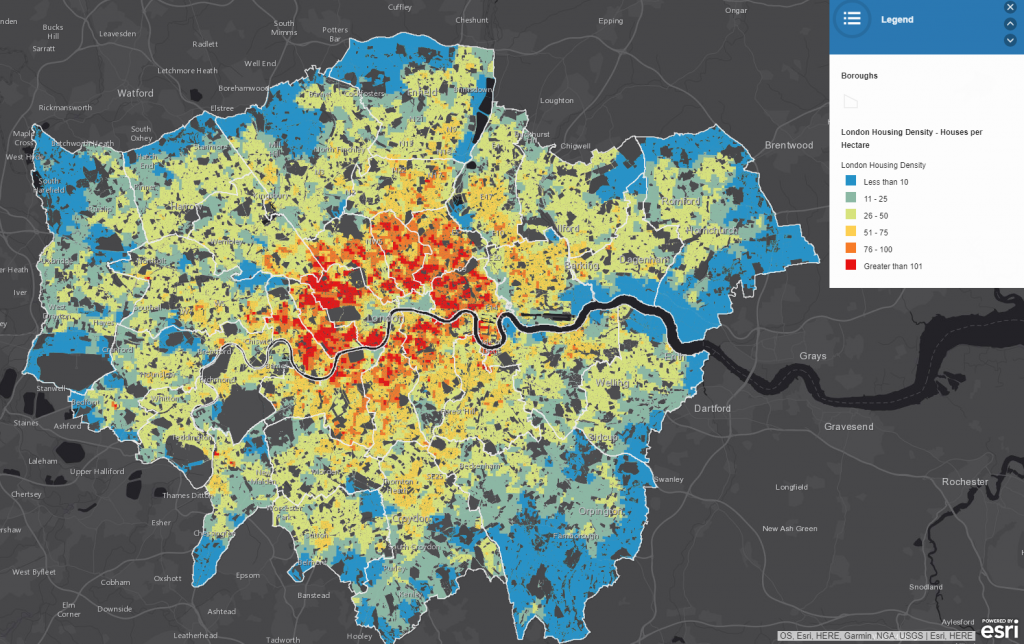
London housing density has become a critical topic in discussions surrounding the capital’s ongoing housing crisis. A recent report underscores that if London adopted housing density levels akin to those in Paris and Japan, it could potentially add 500,000 homes to its landscape. Despite being the densest city in the UK, much of London’s real estate comprises “low to medium” density housing, often punctuated by towering skyscrapers. To combat this issue, experts suggest looking towards mid-rise housing London offers, which typically consists of four to nine stories. By embracing higher density housing strategies and innovative urban planning London can navigate its housing challenges more effectively, drawing inspiration from successful models such as the Croydon housing model.
The topic of housing density in London reflects a broader urban challenge that many modern cities face today. As the capital grapples with a pressing housing shortage, exploring alternative approaches to residential development becomes essential. Mid-rise residential buildings, prevalent in cities like Paris and Osaka, could serve as a solution to create more livable spaces within the urban core. By prioritizing higher density options rather than solely relying on tall developments, London’s urban planning can transform low-density areas into vibrant communities. Thus, adopting innovative housing strategies similar to the Croydon housing model might pave the way for more sustainable solutions to the housing crisis.
The Need for Higher Density Housing in London
London’s urgent housing crisis demands innovative solutions, and transitioning toward higher density housing could be a significant step forward. As highlighted by recent studies, the capital city could support approximately 500,000 additional homes if it adopted a housing density model comparable to that of Paris or Osaka. This shift is particularly crucial considering that London remains the densest city in Britain, yet much of its housing still comprises low to medium-density structures. By increasing housing density, London could not only accommodate a larger population but also help tackle rising property prices and housing shortages.
The push for higher density housing aligns with urban planning principles that prioritize sustainability and accessibility. Importantly, it challenges the misconception that density must equate to towering skyscrapers. Integrating mid-rise developments—typically four to nine stories—would provide a balanced housing solution, ensuring that neighborhoods retain their charm while meeting the demand for more living spaces. By focusing on developments that enhance community living rather than just vertical constructions, London can create vibrant urban environments reflective of modern needs.
Exploring the Croydon Housing Model
The Croydon housing model serves as a pioneering example for London boroughs seeking effective strategies for increasing housing density. By implementing guidelines aimed at building on small vacant plots and garage conversions, Croydon has successfully engaged in densification that balances housing needs with local character. This model emphasizes practical solutions to find additional space without necessitating massive infrastructure changes or the demolition of existing homes. Other boroughs could benefit from adopting similar strategies, fostering localized approaches to the housing crisis.
Incorporating Croydon’s methodologies could lead to a transformation in urban planning across London. The successful integration of mid-rise buildings within existing neighborhoods demonstrates that high-density housing doesn’t have to disrupt community integrity. Moreover, supporting small-scale developments ensures that local councils can manage growth effectively while providing affordable housing options. As London grapples with its housing challenges, the lessons learned from Croydon are invaluable in diversifying the city’s housing stock and preventing reliance solely on tall residential towers.
Mid-Rise Housing Solutions for London’s Urban Fabric
To alleviate the pressures of the housing crisis, London must explore mid-rise housing solutions that have benefitted cities like Paris and Tokyo. These types of developments integrate seamlessly into the urban fabric while promoting a diverse community atmosphere. Mid-rise buildings provide sustainable spaces, often featuring mixed-use layouts that enhance local economies and social interactions. Adopting similar models will allow London to preserve its unique character while significantly increasing its housing supply.
Furthermore, embracing mid-rise housing aligns with trends in urban design that prioritize livability and environmental sustainability. High-density living doesn’t have to compromise green spaces; instead, well-planned mid-rise developments can create inviting areas that enhance pedestrian accessibility and promote public transport usage. Such integrations can effectively meet urban demand for residential spaces without pushing the limits of London’s infrastructure, representing a holistic approach to tackling the housing crisis.
Lessons from Global Urban Planning
London can greatly benefit from observing global urban planning strategies that emphasize higher density housing. Take Auckland, for instance, which has employed smart approaches to urban growth through effective zoning laws that encourage mid-rise and vibrant mixed-use developments. By adopting similar policies, London could manage its population growth while enhancing the overall quality of life for its residents. Understanding how other cities tackle these issues is crucial for informed decision-making in urban development.
Additionally, cities like Paris serve as robust examples of high-density housing strategies, showcasing how thoughtful planning can lead to sustainable urban environments. The integration of mixed-income housing within mid-rise structures contributes to diversity and social equity while maximizing land use in urban areas. London’s planners should closely examine these successful cases to innovate and refine their approaches, ensuring that housing solutions are not only abundant but also inclusive and community-focused.
The Role of Urban Expansion in Solving the Housing Crisis
Addressing London’s housing crisis effectively requires not only higher density housing solutions but also strategic urban expansion. Allowing for more development in green belt areas, where suitable, can help bridge the gap between supply and demand for affordable residences. While increasing density is vital, it must go hand-in-hand with policies that promote the sustainable use of land—striking a balance between preserving natural spaces and facilitating urban growth. By thoughtfully expanding London’s boundaries, additional housing projects can be initiated without overburdening established communities.
The importance of urban expansion is further highlighted by the limitations imposed by London’s high land values. As traditional development areas become increasingly prohibitive, seeking opportunities in adjacent green belts or underutilized spaces is essential to ensuring long-term housing affordability. Allowing for this fluidity in planning can catalyze the construction of diverse housing types and spur revitalization in many neighborhoods, ultimately delivering solutions that address the crisis more comprehensively.
Integrating Affordability in Housing Developments
To truly combat the housing crisis in London, it is essential to integrate affordability into all housing developments. This requires a shift in focus from solely high-end projects toward inclusive planning that incorporates affordable units within higher density and mid-rise developments. By ensuring that a proportion of new builds cater to lower-income households, urban planners can create equitable living conditions, alleviating pressure on the capital’s housing market.
In order to achieve these goals, strategic partnerships with housing associations and non-profits are necessary. Collaborative efforts can provide resources and expertise to ensure that developments meet both market demands and social needs. Additionally, incorporating models like the Croydon housing framework can facilitate this integration of affordability, paving the way for healthier communities and a more balanced approach to urban planning.
The Importance of Community Engagement in Urban Planning
As London forges ahead in addressing its housing density issues, engaging the community in urban planning is paramount. Ensuring that residents have a voice in the planning process not only fosters transparency but also contributes to the development of projects that reflect local needs and desires. Community involvement can lead to more informed decisions about mid-rise housing placements, thereby enhancing public support and acceptance of these developments. Including residents in discussions about high-density housing encourages collaborative problem-solving, creating neighborhoods that thrive on shared visions.
Effective community engagement also contributes to the success of higher density projects by addressing concerns and misconceptions that may arise. By actively involving residents in the planning stages, local authorities can identify potential pitfalls and mitigate resistance through dialogue and education. This collective approach empowers communities to shape their urban environments, ultimately supporting sustainable development that benefits all Londoners.
Sustainable Development Practices for Future Housing
As London’s urban landscape evolves to accommodate higher density living, integrating sustainable development practices into housing projects becomes critical. Sustainable designs that prioritize energy efficiency, green materials, and effective waste management systems can significantly reduce the environmental footprint of new buildings. Implementing eco-friendly mid-rise constructions not only meets housing demands but also aligns with global goals for sustainability and climate resilience. Urban planners must focus on these practices to create developments that are economically viable and environmentally sound.
Moreover, adopting sustainable practices contributes to long-term affordability in housing by decreasing utility costs and enhancing overall quality of life for residents. By investing in renewable energy sources and environmentally friendly amenities, new developments can enhance the attractiveness of higher density living. Ensuring that sustainability is at the forefront of London’s housing strategy will not only address immediate needs for housing density but also create lasting positive impacts for future generations.
Tracking Progress: Monitoring Housing Density Changes
As London embarks on the journey towards increasing its housing density, establishing effective monitoring mechanisms is essential. Tracking the progress of mid-rise and higher density developments allows city planners and stakeholders to assess the impact and effectiveness of new policies and strategies. By regularly evaluating data concerning housing supply, demand, and affordability, London can make informed adjustments to its urban planning initiatives, ensuring that it remains responsive to the evolving needs of its residents.
Additionally, maintaining an open channel for feedback from the community and stakeholders involved in higher-density housing projects is vital for continuous improvement. Insights gathered from residents and experts can help identify challenges and successes, shaping future urban planning decisions. By committing to transparent monitoring and continuous adaptation, London can successfully navigate its housing crisis while promoting a higher density living model that enriches the city’s urban fabric.
Frequently Asked Questions
What is London housing density compared to cities like Paris and Osaka?
London housing density is currently lower than in cities like Paris and Osaka. A report suggests that London could accommodate 500,000 more homes if its density matched that of Paris. Most homes in London are low to medium density, while Paris and Osaka feature a significant amount of mid-rise housing, which optimizes urban space.
How can mid-rise housing London help resolve the housing crisis?
Mid-rise housing in London, which typically ranges from four to nine stories, can play a crucial role in addressing the housing crisis. By integrating more mid-rise developments within urban centers, London could increase its housing density significantly, making better use of available space and providing more affordable living options.
What urban planning strategies can London adopt from Croydon housing model?
The Croydon housing model emphasizes the densification of urban areas by utilizing garages and small vacant lots for new residential developments. London can adopt similar strategies to improve housing density, allowing for more mid-rise and higher density housing solutions that fit within existing neighborhoods.
What are the main challenges to increasing housing density in London?
One main challenge to increasing housing density in London is the high land value, which complicates the affordability of new developments. Additionally, there is a current focus on tall residential towers rather than mid-rise housing, which the report suggests could better meet the need for increased housing without overwhelming the urban landscape.
Why is higher density housing important in London’s urban planning?
Higher density housing is important in London’s urban planning as it can alleviate some of the housing shortages the city faces. By increasing the number of homes through mid-rise developments, London can achieve a more balanced urban environment, reduce pressure on green spaces, and create vibrant communities that cater to the growing population.
What lessons can London learn from international cities regarding housing density?
London can learn valuable lessons from international cities like Paris and Auckland, which have successfully implemented high-density housing strategies. These include incorporating mid-rise housing, mixed-use developments, and focusing on urban centers rather than only expanding outward, which can help alleviate the local housing crisis.
How does mid-rise housing differ from high-rise housing in London?
Mid-rise housing in London refers to residential buildings that typically consist of four to nine stories, while high-rise housing includes taller structures, often exceeding ten stories. Mid-rise housing promotes higher density living without the scale of high-rise buildings, allowing for better integration within neighborhoods and enhancing the urban fabric of the city.
| Key Points |
|---|
| London could have 500,000 more homes if it matched housing density levels seen in Paris and Japan. |
| Currently, much of London consists of low to medium density housing, with a significant amount of land allocated to tower blocks. |
| The Centre for Cities report, ‘Flat Britain’, emphasizes the need for more mid-rise housing (four to nine stories). |
| In 2021, 88.3% of London’s homes were in low-rise buildings, compared to significantly lower percentages in Paris (41%), New York (48%), and Tokyo (62%). |
| Recommendations include adopting models from Croydon for mid-rise developments and planning that allows for higher density housing. |
| The report acknowledges that while increasing density could improve the housing situation, high land values and green belt restrictions remain major challenges. |
Summary
London housing density is a critical issue that could dramatically improve with strategic planning and development models similar to those used in Paris and Japan. By embracing mid-rise housing solutions, London could potentially accommodate hundreds of thousands of new homes, addressing the ongoing housing crisis. The suggestion of looking towards cities with successful high-density strategies offers a promising pathway forward, though overcoming high land prices and the limitations of existing zoning will be essential for real progress.