
Listen to this article
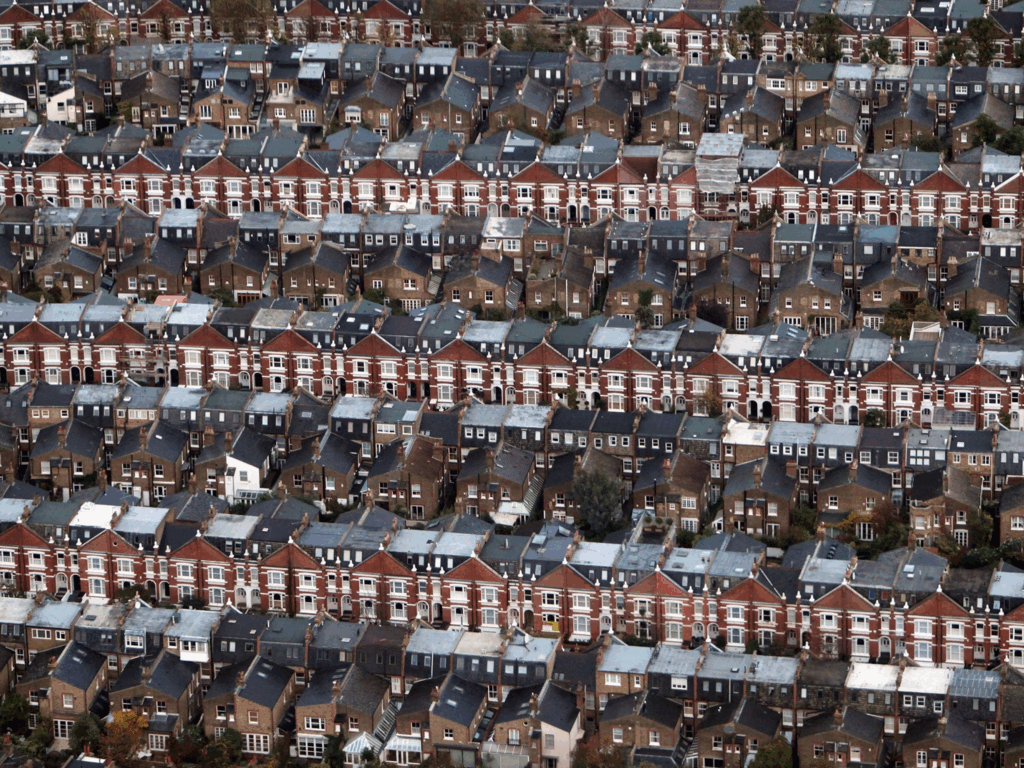
The London housing crisis has reached a critical point, with a pressing need to build 88,000 new homes each year to meet national targets. As the city grapples with the challenge of accommodating an ever-growing population, the integration of sustainable housing development in London becomes paramount. Achieving this goal necessitates innovative strategies that harmonize urban living with nature, promoting green space integration and ensuring that new developments enhance rather than encroach upon natural environments. Moreover, a commitment to decarbonize London housing is essential, urging developers to build homes sustainably while preserving the city’s ecological footprint. By fostering a development mindset that values both housing needs and the richness of natural spaces, London can create a balanced, livable environment for all its residents.
The ongoing predicament surrounding housing availability in London can be viewed as an opportunity to rethink urban planning approaches. With demands for new residential spaces peaking, there is a crucial need for city planners to embrace innovative real estate strategies that prioritize not just housing but the incorporation of nature into urban design. This means re-evaluating how residential infrastructures can coexist with vital green areas, fostering a relationship where housing developments resonate with environmental sustainability. By prioritizing projects that consider nature in urban planning, we can create opportunities for healthier, greener communities that thrive economically, socially, and environmentally. Ultimately, addressing this housing challenge without sacrificing ecological integrity might very well define the future of London.
The Urgency of Building Homes in London
London is in an urgent need for housing, with a target of constructing 88,000 new homes each year to tackle its ongoing housing crisis. This ambitious plan is aimed at contributing to the broader national goal of building 1.5 million homes across the UK by 2029. However, such rapid development raises significant concerns about how it will impact the natural environment. Urban planners and developers face the challenge of balancing the urgent demand for housing against the need to preserve and enhance London’s green spaces.
To achieve these housing goals, it is imperative that we develop homes sustainably. This means integrating nature into urban environments and ensuring that housing developments do not come at the expense of vital green spaces. The previously stated opposition between housing and nature must be reconsidered. Instead of viewing these elements as conflicting, they should be embraced in a way that allows for synergy between urban growth and ecological preservation.
Integrating Nature into Urban Development
As urban planners navigate the complexities of London’s housing crisis, it is crucial to prioritize the integration of nature within housing developments. Abby Crisostomo, from the Greater London Authority, highlights that the perception that housing and nature compete for space is misleading. Successful development examples, such as those surrounding the Olympic Park, illustrate that it is indeed possible to create living spaces that enhance the natural environment while fulfilling housing needs. This approach aligns with contemporary urban planning principles that advocate for green space integration in every development.
The integration of green spaces not only benefits the local ecosystem but also bolsters the well-being of city residents. Research indicates that access to quality green spaces contributes positively to mental health, community cohesion, and overall quality of life. By incorporating green elements into new housing projects, developers can create vibrant, diverse neighborhoods that promote healthy living, further addressing the housing crisis while simultaneously protecting and enhancing London’s urban environment.
Decarbonizing London’s Housing Sector
Decarbonizing London housing is an essential goal in the face of climate change. While the city has made strides towards environmental sustainability, there is still substantial work to do. The need to construct new homes offers an invaluable opportunity to implement energy-efficient technologies and sustainable building practices within the housing market. This not only addresses the housing crisis but also supports the UK’s overarching environmental goals of achieving Net Zero by 2050.
Sustainable housing developments can utilize innovative designs and renewable energy sources to decrease carbon emissions, making a significant contribution to London’s decarbonization efforts. This holistic approach brings together the need for new housing with climate resilience, presenting a more sustainable vision for urban living. As the government emphasizes the dual goal of housing delivery and robust environmental policies, it’s essential that new homes are constructed with an unwavering commitment to sustainability.
Balancing Housing Needs and Green Space Preservation
The tension between the need for housing and the preservation of green spaces in London is a growing concern. As housing developments increase in urban areas, the risk of diminishing green belts and outdoor spaces rises. However, instead of merely prioritizing housing over nature, there should be a concerted effort to create a balanced approach that honors both needs. Developers must be held accountable to ensure that their projects incorporate sufficient green spaces that are beneficial to the community.
By embracing this balance, London can evolve into a model for urban areas worldwide, demonstrating that it is feasible to construct new homes without sacrificing valuable green spaces. This framework enables new developments to enhance biodiversity, promote cleaner air, and create recreational areas that foster community well-being. As we develop strategies for the future of London, recognizing the intrinsic link between housing and nature will be pivotal.
The Role of Policy in Shaping Sustainable Development
Effective policy plays a crucial role in navigating the complexities of housing development and environmental sustainability in London. As Sir Sadiq Khan and other leaders advocate for policies that encourage building homes sustainably, it’s vital that these policies facilitate the merging of development plans with green space integration. By supporting regulations that incentivize developers to include natural elements in their projects, policymakers can guide the market towards more sustainable practices.
Moreover, initiatives aimed at promoting green infrastructure within new developments can transform how London approaches housing. This includes integrating permeable surfaces, green roofs, and landscaped areas that contribute to urban greening. By prioritizing these policies within the London Plan, the city can cultivate an environment where housing and nature thrive together, ultimately enhancing urban resilience against climate change and improving the quality of life for future generations.
Lessons from Successful Developments in London
There are numerous examples across London where effective housing developments have successfully integrated nature into their designs. These projects serve as important case studies demonstrating that it is possible to build homes sustainably while enhancing the surrounding environment. The construction around the Olympic Park is one such example, where urban development has prioritized preserving existing green spaces while also providing much-needed residential areas.
These successful developments not only meet housing needs but also feature green spaces that provide residents with access to nature, encouraging healthier, active lifestyles. By showcasing these projects, we can pave the way for future developments that aspire to merge urban living with ecological sustainability—a crucial step in addressing the London housing crisis without compromising the city’s green legacy.
The Importance of Community Engagement in Development
Community engagement is critical in shaping urban development plans that align with the needs of London’s residents. By actively involving local communities in the planning process, developers can gain insights into what residents value in their neighborhoods, including the importance of green spaces. This feedback loop is essential to ensure that housing developments do not just meet quantitative metrics for new homes but also foster qualitative improvements in living conditions.
When communities are engaged in the conversation about housing and nature, it can lead to more innovative solutions for integrating green spaces into new developments. Residents often have unique perspectives on how to enhance local ecology while accommodating new builds. Projects that prioritize community input ultimately lead to developments that are more harmonious with their surroundings, addressing the housing crisis while promoting environmental stewardship.
Future Directions for Urban Planning in London
Looking ahead, the future of urban planning in London must embrace a vision that harmonizes housing needs with environmental priorities. The forthcoming London Plan represents a significant opportunity to establish a robust framework that promotes development strategies combining housing with green space integration. By adopting innovative planning approaches and sustainable building practices, London can become a beacon for cities worldwide facing similar challenges.
The success of future developments will hinge on collaboration among city planners, government officials, developers, and the community. Prioritizing nature in urban planning not only addresses the immediate housing crisis but also contributes to long-term urban resilience and livability. As we shape the next stages of growth in London, fostering a dialogue around sustainable housing practices and ecological preservation will be vital to the city’s future.
Reimagining London’s Green Spaces in Urban Development
Reimagining the role of green spaces in urban development is crucial for addressing London’s housing crisis while ensuring environmental integrity. There is a pressing need to view green areas as integral components of urban design rather than as mere afterthoughts. By strategically embedding green spaces within the fabric of new housing developments, planners can create multifunctional areas that serve both ecological functions and the recreational needs of residents.
This shift in perspective allows for the creation of urban landscapes where nature and housing coexist, contributing to broader sustainability goals. Incorporating parks, gardens, and natural habitats within residential zones enhances biodiversity while providing spaces for community interaction and wellness. As urban planners rethink how to integrate nature into the design of new homes, they contribute significantly to creating healthier, more livable urban environments for future generations.
Frequently Asked Questions
What is the current state of the London housing crisis?
The London housing crisis is characterized by an urgent need for new homes, with a target of 88,000 new homes required each year to meet a national goal of 1.5 million homes by 2029. This crisis has led to discussions about the necessity of building on green belt land while ensuring that nature is not compromised in the development process.
How are developers expected to integrate nature into housing development in London?
Developers in London are encouraged to harmoniously integrate nature into new housing developments. This approach not only addresses the housing crisis but also enhances the livability and sustainability of urban areas by ensuring that green spaces are preserved and improved within new projects.
Can housing development in London coexist with green spaces?
Yes, housing development in London can coexist with green spaces. Examples, such as projects around the Olympic Park, demonstrate that it is possible to create homes that improve and protect natural areas, proving that housing and nature can be complementary rather than mutually exclusive.
What role does urban planning play in addressing the London housing crisis?
Urban planning plays a crucial role in addressing the London housing crisis by allowing for the strategic development of housing while integrating nature. Planning policies, such as the upcoming London Plan, aim to balance the need for housing with the preservation and enhancement of green spaces, thereby promoting sustainability and community well-being.
How can London decarbonize its housing sector amid the housing crisis?
London can decarbonize its housing sector by implementing environmentally friendly practices in new developments, such as using sustainable materials, improving energy efficiency, and incorporating green infrastructure. This will not only help in mitigating climate change but also in addressing the housing crisis by creating homes that are both livable and eco-friendly.
What are the benefits of building homes sustainably in London?
Building homes sustainably in London offers several benefits, including lower environmental impact, reduced utility costs for residents, and improved health and well-being outcomes. Sustainable housing practices can also enhance the city’s resilience to climate change and contribute positively to the overall quality of urban life.
Is there a trade-off between housing needs and nature conservation in London?
The prevailing view, as indicated by City Hall officials, is that there should not be a trade-off between housing needs and nature conservation in London. By integrating both elements into urban planning and development, cities can create healthier, more sustainable environments that meet housing demands without sacrificing natural resources.
What initiatives are in place to improve housing development and green space integration in London?
Initiatives to improve housing development and green space integration in London include policies from the Greater London Authority promoting green infrastructure, sustainable design standards, and community engagement in planning processes. These efforts aim to ensure that developments contribute positively to both housing needs and the environmental quality of the city.
| Key Point | Description |
|---|---|
| Housing Need | London requires 88,000 new homes each year to meet a national target of 1.5 million homes by 2029. |
| Integrating Nature | Developers must incorporate nature into housing developments rather than viewing them as opposing entities. |
| City Hall’s Position | City officials assert that housing and environmental sustainability can coexist in development. |
| Examples of Coexistence | Construction efforts around the Olympic Park serve as a successful model of integrating nature with urban development. |
| The London Plan | The next London Plan due in 2027 will address the balance between housing needs and green space requirements. |
| Environmental Goals | Ongoing efforts towards decarbonization and achieving ‘Net Zero’ targets despite the housing demand. |
Summary
The London housing crisis is a pressing issue that necessitates innovative solutions integrating both housing needs and environmental sustainability. Recent discussions highlight the importance of constructing 88,000 new homes annually while ensuring the preservation and enhancement of London’s green spaces. City Hall officials, supported by experts, emphasize that these two objectives can harmoniously coexist, fostering livable environments that prioritize health and wellbeing. As London approaches the drafting of its next pivotal planning strategy, the focus remains on striking a balance that allows for both extensive development and the nurturing of nature.