
Listen to this article
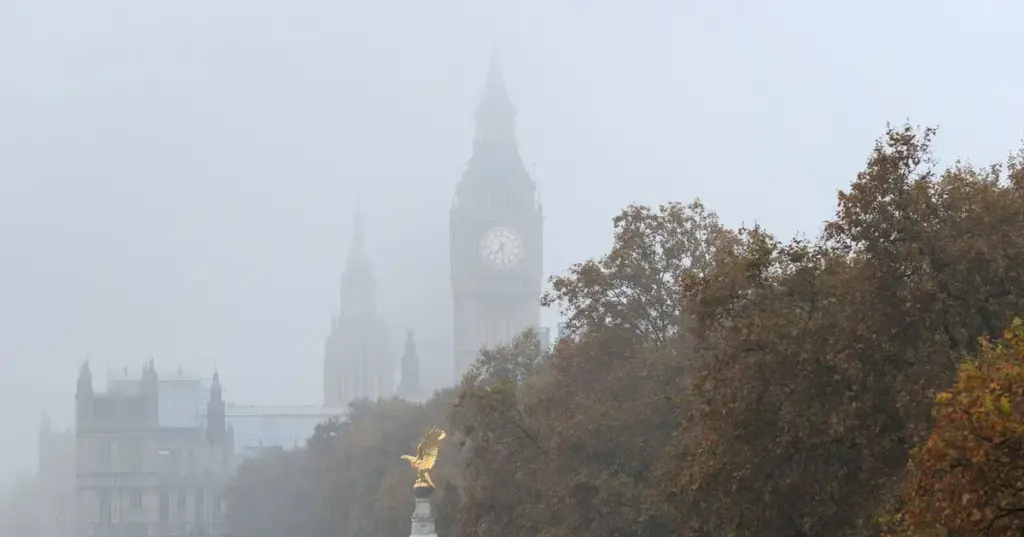
A **London fog warning** has been issued by the Met Office, highlighting a significant weather alert for residents and travelers across the city. This yellow warning indicates that dense fog is expected to roll in around midnight, persisting until at least 10 AM the following day. Areas such as Enfield, Barnet, and Waltham Forest will experience the brunt of the **dense fog travel** issues, potentially leading to disruptions in commuting and daily activities. As visibility decreases, individuals are urged to consider alternate travel options and allow for extra time in their journeys. With **UK fog conditions** intensifying, it’s crucial to stay informed about the latest updates on weather alerts in London, as this unexpected weather could impact not just local travel but broader transportation systems as well.
The announcement of a new **fog advisory in London** brings to light the ongoing challenges posed by **poor visibility** across the capital. Residents are facing a 10-hour alert due to low-lying mist and fog that may disrupt daily commutes and travel plans. As the dense fog spreads from the western parts of the UK, warnings could extend beyond London, affecting key regions in the East Midlands and South East England. It is essential for drivers to stay updated on safe traveling conditions and consider the implications on public transport services. With these **weather alerts in London**, navigating through this atmospheric phenomenon requires extra caution and preparation.
Understanding the London Fog Warning
The recent yellow fog warning issued by the Met Office for London is a crucial alert for residents and travelers alike. This warning, projected to last for ten hours from midnight, signifies that areas of dense mist will envelop the city, particularly affecting boroughs such as Enfield, Barnet, and Waltham Forest. This type of weather alert indicates that visibility may drop significantly, leading to hazardous travel conditions across impacted regions. Anyone planning to travel should stay informed about the latest updates on fog conditions and be prepared for potential disruptions.
Fog can accumulate rapidly, especially in urban settings like London where traffic and environmental factors contribute to its formation. Travelers should take precautions when driving during a fog warning. It’s advisable to minimize distractions, use fog lights, and maintain a safe distance from other vehicles to ensure safety. Additionally, updates from local authorities on road conditions are paramount as they often provide insights on areas experiencing severe fog effects, enabling residents to navigate safely and efficiently.
Potential Travel Disruptions Caused by Fog
During dense fog episodes like the one expected in London, travel disruptions can become a significant concern. The Met Office has cautioned that road, bus, and train services may encounter delays or even cancellations due to low visibility. Major transport hubs, including London’s airports, might also see altered schedules as airlines adjust flights in response to weather alerts. Passengers are encouraged to check travel updates in advance to avoid being caught off-guard by last-minute changes.
Beyond just London, the impact of fog is felt across a broader region including major cities like Peterborough and Manchester. Residents are advised to consider alternative travel arrangements, such as public transport, to mitigate the risks associated with driving in foggy conditions. Furthermore, those commuting towards the East Midlands and southeast should remain alert, as the fog is expected to linger longer in these areas, further exacerbating travel challenges throughout the morning hours.
Weather Alerts: Staying Informed and Safe
When a weather alert for fog, like those recently issued in London, arises, staying informed is essential. The Met Office utilizes various channels to disseminate warnings and updates, including social media, mobile alerts, and direct notifications through weather apps. Residents should leverage these resources to remain aware of the latest conditions to make informed decisions regarding outdoor activities and travel plans. Foremost, understanding the nature of the fog and its forecast can help individuals to take necessary precautions.
In addition to fog alerts, the potential for heavy rain later in the week highlights the need for comprehensive weather awareness. While the immediate focus may be on current fog conditions, it’s equally important to prepare for subsequent weather warnings that might follow. Residents and travelers should maintain flexibility in their plans, anticipate changes in weather conditions, and consider alternative routes or modes of transportation when faced with severe weather alerts in London.
Dense Fog Travel Tips for London Residents
As residents prepare to navigate through the impending dense fog in London, employing travel tips can help mitigate risks associated with reduced visibility. First and foremost, ensuring that vehicle headlights and taillights are functional is crucial; this helps in making sure other drivers can see you. Additionally, reducing driving speed allows for quicker reaction times, enhancing safety on the roads. Using public transportation may also provide a safer and more efficient alternative during such weather alerts, as buses and trains are equipped to handle poor visibility better than personal vehicles.
Moreover, individuals commuting should also consider the timing of their trips. Leaving earlier or adjusting travel schedules can reduce stress and allow more time to reach destinations safely. Alerts from transport services about delays or cancellations can help you plan accordingly. Keeping an emergency kit in your vehicle, complete with essentials like blankets and water, is also wise, as it ensures readiness for any unexpected situation during London’s fog warning.
The Importance of Monitoring UK Fog Conditions
Monitoring UK fog conditions is essential for travelers and residents, particularly during periods of active yellow weather warnings. The Met Office provides crucial forecasts and updates that help determine the severity of fog patches and their expected movement throughout the region. Knowing when and where dense fog will occur allows citizens to adjust their travel plans proactively, reducing risks associated with sudden changes in weather.
In addition to the Met Office, local news outlets and weather apps serve as valuable resources for staying informed about ongoing fog alerts across various parts of the UK. By staying up to date with these channels, residents can avoid navigation challenges caused by poor visibility and potential hazards on the roads or public transport systems affected by severe weather.
Understanding Transportation Impacts from Weather Warnings
Transportation systems in London and throughout the UK often experience significant impacts during weather warnings such as fog alerts. In heavy fog, road visibility can become severely compromised, leading to potential traffic accidents and longer traveling times. Major routes may be congested due to cautious driving behaviors and slower speeds, thereby affecting commute times and overall traffic flow. Public transport systems may also struggle to maintain regular schedules, requiring adjustments that could inconvenience many commuters.
Understanding how weather conditions ripple through transportation networks is crucial for effective travel planning. Train and bus services often proactively communicate expected delays, enabling travelers to make informed decisions about their routes. Commuting during fog warnings necessitates flexibility; thus, taking earlier transport options or anticipating potential delays can play a role in avoiding frustration and ensuring timely arrivals at desired destinations.
Additional Weather Alerts in London: A Broader Perspective
The yellow fog warning for London is not an isolated weather event. It coincides with a broader rainfall warning affecting various regions including South West England and Wales, creating a multifaceted weather situation that could disrupt travel and daily life. As the rain moves northeast, it is vital to recognize how these conditions interplay; areas with ongoing fog might face increased difficulties due to wet road surfaces and decreased visibility.
Travelers should also consider how external weather conditions, such as rain and fog, can compound risks and challenges when planning their journeys. Continuous monitoring of both fog and rain alerts ensures that residents are equipped to respond efficiently to changing weather patterns, thus ensuring safety during their travels across and beyond London.
Safety Precautions During Dense Fog in London
Taking safety precautions during dense fog advisories in London is paramount for ensuring the well-being of residents and travelers alike. Visibility can drop suddenly, making even routine travel highly unpredictable. Drivers should prioritize using low beams and fog lights to improve visibility. Moreover, it’s essential to keep a safe following distance, allowing more time to react to sudden changes in traffic. If visibility becomes too low, pulling over to a safe location until conditions improve is advisable.
Pedestrians and cyclists are equally vulnerable in foggy conditions. Wearing reflective clothing and staying vigilant about surroundings can reduce the risks associated with low visibility. Additionally, individuals should heed local traffic signals and be extra cautious when crossing roads. By implementing these safety measures, the adverse effects of fog warnings can be minimized, creating a safer environment for everyone in London.
Long-term Weather Vigilance: Preparing for Fog Season
As London enters the fog season, long-term weather vigilance becomes essential for residents and travelers. Fog can significantly alter daily life and travel plans, prompting the need for preparedness strategies. Regularly checking weather forecasts, downloading reliable weather apps, and setting up alerts for local weather warnings can greatly benefit individuals, allowing them to adapt their routines based on real-time conditions.
Moreover, developing a proactive mindset towards seasonal weather conditions includes understanding the patterns of fog formation and its common occurrences in London. Engaging with local climate resources can provide insights into typical fog scenarios, enabling better preparation for those who rely on travel during peak fog times. By fostering a culture of weather awareness, the community can collectively enhance safety and responsiveness to changing fog conditions throughout the season.
Frequently Asked Questions
What should I do during a London fog warning?
During a London fog warning, it’s crucial to check road and weather conditions before traveling. Allow extra time for your journey, as dense fog can lead to travel disruptions in London. Consider alternative plans if necessary, and ensure your vehicle’s lights are on and functioning.
How does a fog warning in London affect travel?
A fog warning in London can significantly impact travel, causing reduced visibility on roads and delays in bus, train, and flight services. Drivers should exercise caution, keep a safe distance from other vehicles, and avoid unnecessary travel to ensure safety during dense fog conditions.
Where can I find updates on the London fog warning?
For the latest updates on the London fog warning, visit the Met Office’s official website or follow local news outlets. They provide real-time information on weather alerts, including fog warnings, and their expected impact on travel in London.
Are there specific areas in London affected by the fog warning?
Yes, the recent fog warning affects areas such as Enfield, Barnet, Waltham Forest, Redbridge, and Havering. If you’re traveling in or around these regions, be prepared for difficult travel conditions due to dense fog.
What is a weather alert in London regarding fog?
A weather alert in London regarding fog, like the yellow warning issued by the Met Office, indicates that dense fog will likely develop, leading to poor visibility and potential travel disruption. It’s advised to be cautious and check travel updates if you’re in affected areas.
What precautions should I take for dense fog travel in London?
For safe dense fog travel in London, ensure your headlights are turned on, reduce your speed, maintain a safe distance from other vehicles, and stay updated on road conditions. It’s also wise to avoid traveling during severe fog when possible.
What areas of the UK are included in the fog warning alongside London?
The fog warning in London extends to other regions across the UK, including major cities like Peterborough, Oxford, Birmingham, and Manchester. Fog patches are expected to move across these areas, affecting travel and visibility.
What implications does the London fog warning have for public transport?
The London fog warning may lead to delays and disruptions in public transport services, including buses and trains. Travelers should check with their transport providers for updates and allow for extra travel time due to potential delays.
| Key Points |
|---|
| The Met Office has issued a 10-hour yellow warning for fog in London. |
| Dense mist expected from midnight to at least 10 AM on Wednesday, December 17. |
| Affected areas include Enfield, Barnet, Waltham Forest, Redbridge, and Havering. |
| Major cities in the warning area include Peterborough, Oxford, Birmingham, and Manchester. |
| Fog patches will begin in the west and spread east overnight. |
| Drivers should check road conditions and allow extra travel time. |
| Bus, train, and flight services may be affected by fog conditions. |
| A separate yellow rain warning is in effect for South West England and Wales. |
Summary
The London fog warning issued by the Met Office highlights the significant impact of dense mist expected tomorrow. Residents in affected areas should stay informed and prioritize safety during their travels as the fog is likely to cause difficult conditions on the roads. It’s essential to check local forecasts and prepare accordingly to mitigate any disruptions.