
Listen to this article
London flu hospitalization rates are escalating dramatically as health officials warn that figures could triple in the coming weeks. Amid a fierce winter flu epidemic, the capital is grappling with increasing admissions that threaten to overwhelm its healthcare system. Public health leaders are particularly concerned given the low rates of flu vaccination in London, making residents increasingly vulnerable. With NHS flu admissions already on the rise, officials are urging the public to prioritize getting the flu vaccine London offers, as this can be a pivotal strategy to mitigate the impact of this seasonal illness. As London faces a surge in winter flu cases, local authorities continue to issue health officials’ flu warning to protect the community from potential crises.
The rising number of flu-related hospitalizations in London reflects broader public health challenges, particularly during the colder months. With the NHS reporting significant increases in flu admissions, local authorities are emphasizing the importance of flu shot accessibility. The ongoing flu epidemic in London has raised alarms among health leaders and community advocates alike. This critical situation highlights the need for increased awareness about the flu vaccine in London, especially for high-risk populations. As statistics show concerning trends in flu cases, public health initiatives aim to encourage vaccinations to combat this pressing health crisis.
The Current State of Flu Hospitalizations in London
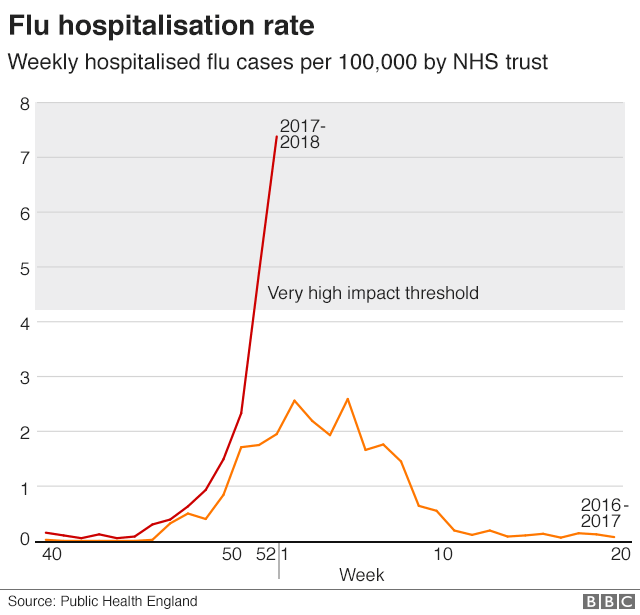
As winter descends upon London, health officials are alarmingly predicting that hospital admissions for flu could triple, placing immense pressure on the city’s healthcare system. With the NHS already managing significant challenges, the possibility of up to 8,000 beds occupied by flu patients raises concerns about how the healthcare infrastructure can sustain such numbers. Historical data indicates a worrying trend, where daily hospital admissions have surged, highlighting that last year’s figures could soon be outpaced. Reports show that on average, there were 259 flu patients in London hospitals last week, which is a stark increase from just 89 at a similar checkpoint the previous year.
This surge in flu cases is not just a statistic; it reflects a broader public health crisis. The increasing hospitalization rates primarily affect the most vulnerable groups, including the elderly and young children, who are at heightened risk for severe complications. As they congregate indoors during winter, the transmission of the flu virus accelerates, putting more individuals at risk and potentially leading to a greater number of hospitalizations. Public health officials continue to stress the importance of timely vaccination against flu, as it remains one of the most effective measures for mitigating hospitalization rates.
Importance of Flu Vaccination in London
The urgency for increasing flu vaccination rates in London cannot be overstated, particularly in light of the predicted rise in flu cases. Public health leaders are calling on residents to take advantage of available flu vaccine options, which can be found in GP practices, pharmacies, and through the NHS app. With free flu vaccines available for a range of eligible individuals, including older adults, pregnant women, and young children, there is a concerted effort to ensure that vulnerable populations are protected ahead of a possible flu epidemic this winter.
Health officials emphasize that it takes about two weeks for the flu vaccine to gain full effectiveness, making immediate action crucial. With rising figures of hospitalization among flu patients, many are left concerned about the implications of lower vaccine uptake rates in London compared to other regions. The need for increased awareness and accessibility of flu vaccinations is now more pressing than ever, especially considering the severe strain on NHS services as stated by health experts. Proactive vaccination is the best line of defense against the flu virus that continues to threaten public health.
NHS Flu Admissions and Their Impacts
NHS flu admissions in London are a key concern as they have already begun to reach alarming levels this winter. Reports indicate that daily admissions have sharply increased; the implications of this surge extend beyond just hospital capacity. Experts believe that a rise in flu-related hospitalizations could lead to overwhelming pressure on already strained NHS resources, especially during the colder months when healthcare needs typically increase. Those most affected range from the very elderly to young children, stressing the need for prompt medical attention.
Significant increases in flu-related hospitalizations highlight the interplay between public health initiatives and individual action. It becomes clear that proactive public health campaigns to encourage flu shot uptake are paramount in alleviating the burden on the NHS. Sir Jim Mackey’s warnings about the potential for record high admissions reflect broader anxieties among healthcare professionals regarding systemic overreach while simultaneously managing operational challenges such as impending strikes by healthcare workers.
Health Officials Issue Flu Warning for London Residents
In light of the escalating flu situation, British health officials have issued urgent warnings for London residents. With the onset of winter flu season coinciding with low vaccination uptake, there is a significant risk of a flu epidemic, which could exacerbate the already fragile health system. Local leaders have pointed out that low vaccination rates in London compared to other regions make the capital highly susceptible to severe flu outbreaks. As flu cases continue to rise, this poses both immediate and long-term implications for public health.
Health warnings from officials underline the importance of routine flu vaccinations to protect not just individuals but communities at large. The NHS has ramped up efforts to provide accessible flu vaccination options, aiming to mitigate the risk of widespread hospital admissions. Residents are encouraged to heed local health advisories and participate in vaccination initiatives to safeguard themselves against the flu and to ease the anticipated pressure on NHS services this winter.
Analyzing London Winter Flu Cases
The analysis of winter flu cases in London paints a concerning picture as health officials track a significant rise in infections across the city. Data highlights that as flu virus activity increases, London’s vulnerable populations face the greatest threat. The steep rise to an average of 259 flu patients in hospital beds has raised alarm bells, indicating that the region’s current flu wave is far from normal seasonal levels. Staying informed about the status of flu cases can help residents take preventive steps.
Such spikes in flu cases signal a need for everyone to be vigilant, particularly the groups identified as most at risk, including children under five and the elderly. The close quarters and indoor gatherings typical of winter increase the transmission rates significantly, and this highlights the role of public compliance with vaccination programs. Each flu season serves as a reminder of the critical importance of early intervention and adherence to public health recommendations regarding flu shots.
Proven Effectiveness of the Flu Vaccine
Research consistently shows that receiving the flu vaccine significantly reduces the risk of flu infections and subsequent hospitalizations. This is particularly important for high-risk populations in London, who are experiencing currents of flu season spikes. The evidence suggests that the broader community benefits when vaccination rates rise, leading to herd immunity and minimizing overall infection spread. As highlighted by officials, the flu vaccine remains a frontline defense, especially amid predictions of a challenging flu season.
The government and health authorities are keen to spread awareness about the effectiveness of the flu vaccine. With the current projections of hospital admissions potentially reaching perilous figures, increasing public uptake of the flu vaccine should remain a primary focus. Upholding vaccination as a critical health strategy can safeguard not just individual well-being but the health of the entire London community, contributing to a system less susceptible to overwhelming flu-related demands.
Monitoring Flu Trends and Future Projections
Monitoring flu trends is vital for predicting and preparing for potential surges in hospital admissions. Current projections from health authorities indicate that unless vaccination rates rise, London may face unprecedented flu admissions as the season progresses. As hospitalizations among young children and the elderly increase sharply, health officials have emphasized the ongoing need for vigilant monitoring of flu numbers and trends. This data can inform public health strategies and facilitate healthcare response planning.
Future projections regarding flu cases lead many to advocate for increased community engagement in prevention initiatives. Timely reporting of flu trends not only boosts awareness but can also initiate early vaccination and treatment responses. As susceptibility to flu increases among those who are unvaccinated, consistent monitoring will serve as a guiding compass for managing healthcare capacities effectively and ensuring that the NHS can handle the influx of patients while offering timely care.
The Role of Public Health in Mitigating Flu Cases
Public health organizations play a crucial role in mitigating the impact of flu cases, especially during critical seasons like winter. Their initiatives focus on educating communities about the importance of vaccinations, promoting awareness about flu symptoms, and advocating for timely medical attention. With London grappling with low flu vaccination rates, these efforts become even more essential to protect at-risk populations and limit hospitalizations this flu season.
As London braces for potential surges in flu admissions, health officials are calling for comprehensive engagement and cooperation from the public. Those within vulnerable groups are encouraged to seek vaccinations promptly, while public health campaigns work diligently to bridge the gap between health resources and community needs. Collective action can significantly shape the outcome of this winter flu season and support the resilience of the healthcare system.
Long-term Implications of Flu Epidemics on London Healthcare
The long-term implications of flu epidemics on London’s healthcare system warrant serious consideration. With predictions that this year’s flu hospitalizations could surpass previous records, the cumulative strain on the NHS operations could result in significant challenges in delivering timely care. If patterns of rising admissions continue, the ongoing demand for healthcare services will remain at elevated levels, potentially affecting other critical medical services.
Looking ahead, understanding the ramifications of this flu season is essential for shaping future public health policy and healthcare preparedness. Addressing vaccination shortfalls and promoting preventive health measures can help mitigate the risk of overwhelming hospital resources. As flu epidemics underscore existing vulnerabilities in the healthcare system, those in positions of authority must prioritize strategy development and resource allocation to ensure that all London residents have access to the care they need, especially amidst ongoing public health crises.
Frequently Asked Questions
What are the current trends in London flu hospitalizations?
London is experiencing a significant rise in flu hospitalizations, with recent data indicating that daily admissions for flu patients have tripled compared to last year. Health officials warn that the total number of hospital beds occupied could reach between 5,000 and 8,000 as the winter flu epidemic progresses.
How can I schedule my flu vaccine in London?
You can schedule your free flu vaccine in London at local GP practices, via the NHS app, or by calling 119, where translators are available. It’s recommended to get the flu vaccine early, as it takes about two weeks to become effective.
Who is eligible for the flu vaccine in London during the epidemic?
Eligible groups for the flu vaccine in London include individuals with long-term health conditions aged six to 65, people aged 65 and over, pregnant women, and children aged two to three years, as well as primary and secondary school-age children.
What are health officials saying about the flu epidemic in London?
Health officials are issuing warnings regarding a flu epidemic in London, emphasizing the alarming rise in flu cases and urging the public to get vaccinated to help reduce pressure on NHS flu admissions, especially during this challenging winter period.
How do flu hospitalization rates in London compare to last year?
Flu hospitalization rates in London have significantly increased, with an average of 259 flu patients occupying hospital beds each day, which is triple the number of admissions recorded at the same time last year, highlighting the severity of the current flu epidemic.
Why are flu vaccine rates in London low?
Low flu vaccine rates in London are a concern for health officials, as many individuals remain unvaccinated, making the city particularly vulnerable to flu outbreaks during this winter flu season, and contributing to increased hospital admissions.
What precautions are being taken in London hospitals in response to flu hospitalizations?
London hospitals are under immense pressure due to the rising number of flu admissions, with health leaders stressing the importance of vaccinations and preparing to manage the anticipated surge in hospitalizations as the flu epidemic continues.
What is the advice for London residents during the flu season?
London residents are advised to get vaccinated against the flu as soon as possible, especially those in high-risk categories. Health officials also recommend practicing good hygiene and staying informed about flu trends and hospitalizations.
| Key Point | Detail |
|---|---|
| Hospital Admissions Warning | Health officials predict a potential tripling of flu hospital admissions in London due to rising flu cases. |
| Current Admission Rates | An average of 259 flu patients occupied London hospital beds daily last week, up from 89 the previous year. |
| High-Risk Groups | The highest flu admission rates are among those aged 85 and older, followed by those aged 75-84 and children under four. |
| Vaccination Urgency | Health officials are urging the public to get vaccinated, especially vulnerable groups, as the flu season is peaking early. |
| Challenges for NHS | The NHS is under significant pressure from rising flu cases coupled with industrial action among healthcare workers. |
| Availability of Vaccines | Flu vaccines can be obtained via GP practices, NHS app, or by calling 119; early vaccination is advised. |
Summary
London flu hospitalization rates are set to increase dramatically, with health officials warning of a potential tripling in the coming weeks. As flu cases surge, London has become one of the most affected regions, heightening the urgency for public vaccination efforts. NHS leaders are working tirelessly to manage the rising numbers, which are already alarming. Ensuring that vulnerable populations receive their vaccinations promptly is crucial to mitigate the impact on healthcare services.