
Listen to this article
The introduction of the London electric vehicle congestion charge marks a significant shift in how electric vehicles (EVs) navigate the bustling city. Starting January 2, 2023, electric vehicle drivers are now required to pay a daily congestion charge of £13.50, despite enjoying reduced discounts from the previous full exemption. This change not only reflects an increase in congestion charge rates, rising from £15 to £18, but also aligns with broader objectives to manage traffic and promote cleaner transport in one of the world’s busiest urban areas. With the congestion charge increase, understanding the revised London driving fees for 2023 is crucial for all road users. Additionally, as transport fees for EVs undergo transformation, the necessity for adequate opportunities for charging electric vehicles London becomes even more pertinent.
In recent years, navigating London’s intricate network of roads has become increasingly complicated as new charges and fees are rolled out for various types of vehicles. The latest update in this scenario is the announcement that electric cars will now be subject to the central congestion charge, a major development for sustainable transportation advocates and users alike. As the daily fees for accessing central London rise, a clearer picture emerges of the financial implications for drivers, especially in relation to discounts previously enjoyed by EV owners. These changes spark a larger conversation on how cities can encourage electric vehicle uptake while simultaneously managing congestion levels. Accentuating the urgency for enhanced infrastructure for charging electric vehicles in London, this new policy underscores the balance needed between eco-friendliness and operational costs in urban planning.
New Congestion Charge Rates for Electric Vehicles
As of January 2, 2023, electric vehicle drivers in central London are subject to the city’s Congestion Charge, which has been raised to £18 for daily payments. This notable shift signifies the first increase in the Congestion Charge since the introduction of this policy in 2003. Electric vehicle owners previously enjoyed a 100 percent discount, but with the recent changes, their discounts have been reduced to 25 percent for cars and 50 percent for vans, marking a significant policy overhaul aimed at reducing congestion in one of the world’s busiest cities.
The increased Congestion Charge marks a turning point for London’s transportation strategy, particularly for the growing population of electric vehicles. The adjustments not only impact the finances of EV owners but also the overall landscape of London driving fees in 2023. The integration of electric vehicles into the Congestion Charge regime reflects a commitment to encourage cleaner travel while managing the city’s traffic levels more effectively.
Understanding the Electric Vehicle Discount London
In light of the new regulations, the Electric Vehicle Discount in London has also seen some changes to its structure. The Cleaner Vehicle Discount offers a 25 percent reduction on the Congestion Charge for electric cars and 50 percent for electric vans and lorries. This adjustment aims to incentivize the use of electric vehicles while still imposing a charge that contributes to reducing overall congestion. It is crucial for electric vehicle owners to understand these discounts fully, especially those planning to drive within the charging zone.
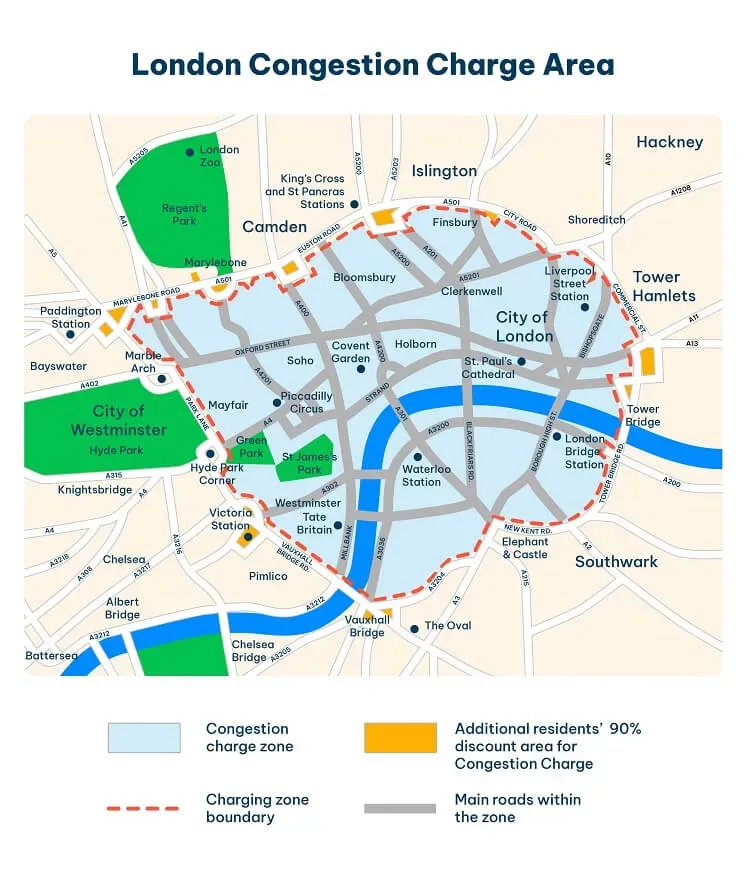
Moreover, residents within the congestion charge zone can benefit from significant reductions of up to 90 percent, although new arrivals after March 1, 2027, will not qualify unless they own an electric vehicle. Engaging with the London Road User Charging account and setting up Auto Pay is essential, as these steps facilitate the automatic application of discounts, ensuring drivers aren’t left out of the new system. Understanding these details will help drivers navigate the intricacies of London’s transport fees for EVs more effectively.
Preparing for the Impact of Congestion Charge Increase
With the announcement of the Congestion Charge increase, drivers must prepare for its effects on their daily commutes. The rise in fees from £15 to £18 places additional financial pressure on those using electric vehicles, as the costs associated with driving in central London continue to climb. This increase is expected to change the driving habits of residents and commuters alike, favoring the use of public transport or other alternative methods of mobility to counteract the added charges.
Moreover, January 5 has been dubbed ‘manic Monday’, anticipated as a peak day for congestion and vehicle breakdowns, following the holiday season. This situation underscores the importance of being proactive, ensuring vehicles are in good working order and familiarizing oneself with the updated pricing and payment options available. By informing themselves, drivers can mitigate potential disruptions and navigate through London with greater ease.
Payment Systems for Congestion Charge Compliance
To manage the new Congestion Charge rates effectively, drivers must familiarize themselves with the payment systems in place. The daily charge is £18 if paid on the same day or in advance; however, it increases to £21 if payment is deferred to the third day following the travel date. Utilizing Auto Pay simplifies this process, allowing electric vehicle owners to automatically apply the appropriate charges without needing to remember payment deadlines.
For those not registered within the UK, registering an electric vehicle and setting up Auto Pay is still accessible, providing a seamless pathway to qualify for the Cleaner Vehicle Discount. Clear communication through the official Transport for London (TfL) website ensures that all questions regarding payment processes and potential discount eligibility are answered. This understanding is crucial for avoiding Penalty Charge Notices (PCNs) that can arise from delayed payments.
Navigating London’s Driving Fees in 2023
As London adjusts its driving fees in 2023, it is vital for electric vehicle users to stay informed about changes that may impact their budgets and travel plans. The increased Congestion Charge presents a challenge as drivers reevaluate their transportation methods and make decisions about travel within the city. The ongoing emphasis on environmental responsibility continues to shape London’s transport policies, making knowledge on these fees key for compliance.
In addition to congestion charges, electric vehicle owners must consider other fees associated with driving in London, such as parking fees and various tolls. Understanding these additional costs will provide a comprehensive picture for those operating within the electric vehicle ecosystem in London, allowing for better planning and budgeting.
The Future of Electric Vehicle Discounts in London
Looking ahead, electric vehicle discounts in London are set to evolve further, impacting how drivers view the cost of travel in the city. By March 4, 2030, the discounts will decrease significantly; the discount for electric cars will drop to 12.5 percent while vans and lorries will see a reduction to 25 percent. This shift may influence EV adoption rates and the overall perception of electric vehicle ownership in London.
Drivers should remain proactive in exploring how future changes will affect their driving habits, as discounted travel options may shift toward more stringent standards. Engaging with the city’s transport authorities and staying updated on regulations will be crucial for navigating these changes effectively and ensuring continued access to incentives designed for electric vehicle users.
Electric Vehicle Charging Infrastructure in London
Alongside navigating driving fees, the accessibility and availability of charging electric vehicles in London plays a crucial role in the decision to adopt electric driving. The city has made significant investments in expanding its EV charging infrastructure, thereby supporting the growing number of electric vehicles on the roads. As motorists adjust to the Congestion Charge changes, convenient and widespread charging options become increasingly important for maintaining mobility.
It is essential for current and prospective electric vehicle owners to remain informed about new charging locations, as well as advancements in charging technology. Availability of fast charging amenities and partnership programs can indeed influence vehicle ownership decisions and user experiences, enhancing the appeal of electric vehicles amidst rising congestion charges.
Understanding the Residents’ Discounts Within the Congestion Charge Zone
Residents living in the Congestion Charge zone face unique considerations with the introduction of new payment structures. While long-term residents can benefit from up to 90 percent discount on charges, newer residents or those considering a move must account for the significant changes projected for the Cleaner Vehicle Discount eligibility effective March 2027. This cut in discounts emphasizes the need for situational awareness over time as vehicle drivers plan their relocation and approach to charging fees.
By actively exploring the possibilities within this framework, residents can maximize their benefits while complying with London’s transport policies. It is essential for residents new to the area to be diligent about their vehicle choices and to understand that moving into the zone may limit their eligibility for discounts unless they opt for an electric vehicle.
Strategies for Reducing Transport Costs for Electric Vehicles
As driving fees and congestion charges rise in London, electric vehicle owners must implement strategies to reduce their transport costs. Planning driving schedules to take advantage of lower charges, utilizing public transport as an alternative mode of travel, and participating in shared mobility programs can help offset the increased financial burden brought on by the recent changes in the congestion charge.
Exploring local charging incentives and promotional offers provided by public and private entities is also essential. By taking advantage of low charging rates during off-peak hours or special promotions, electric vehicle owners can further enhance the affordability of owning an electric vehicle in London while contributing to the city’s sustainability goals.
Frequently Asked Questions
What is the London electric vehicle congestion charge for 2023?
As of 2023, the London electric vehicle congestion charge has increased, requiring electric vehicles to pay £13.50 for entry into the congestion zone after applying the new 25% discount for cars. This marks a change since electric vehicles were previously exempt from the charge.
How does the congestion charge increase affect electric vehicles in London?
The congestion charge increase means that starting January 2023, electric vehicles must now pay a daily congestion charge of £13.50, up from a full exemption, with discounts reducing over time.
What discounts are available for electric vehicles under the London congestion charge?
Currently, electric vehicles in London receive a 25% congestion charge discount, which reduces their entry cost to £13.50. For electric vans and lorries, the discount is 50%, lowering the charge to £9.
How do I qualify for the Electric Vehicle discount London under the congestion charge?
To qualify for the Electric Vehicle discount London, owners must register their electric vehicle on a London Road User Charging account and set up Auto Pay. No additional application is needed for the discount once registered.
What are the transport fees for EVs in London as of 2023?
In 2023, transport fees for electric vehicles in London now include a congestion charge of £13.50 after the discount, effective from January 2, with further reductions planned for future years.
Is there a penalty for not paying the London electric vehicle congestion charge?
Yes, if the congestion charge for your electric vehicle is not paid by midnight on the third day after travel, you will receive a Penalty Charge Notice (PCN), with charges of £18 if paid in advance or on the same day.
When will the EV discount be reduced further under the London congestion charge?
The EV discount under the London congestion charge will reduce further on March 4, 2030, to 12.5% for cars and 25% for vans and lorries.
Can I pay the London electric vehicle congestion charge in advance?
Yes, payments for the London electric vehicle congestion charge can be made in advance, the same day of travel, or by midnight on the third day after travel to avoid penalties.
What happens if I drive an electric vehicle registered outside the UK in London?
If you drive an electric vehicle registered outside the UK in London, you must register the vehicle on a London Road User Charging account and set up Auto Pay to qualify for the electric vehicle discount.
Are there different charges for electric vans and lorries in Central London?
Yes, electric vans and lorries benefit from a 50% discount on the congestion charge, which means they will pay £9 to enter the congestion zone, while cars will pay £13.50.
| Key Point | Details |
|---|---|
| Congestion Charge Increase | Daily rate increased from £15 to £18 for all vehicles. |
| EV Inclusion | Electric vehicles must now pay the congestion charge; previously exempt. |
| Discount Changes | Discounts for electric vehicles have decreased to 25% for cars and 50% for vans. |
| Future Discount Reductions | Further reductions will occur in 2030; 12.5% for cars, 25% for vans. |
| Payment Details | Charges can be paid in advance, the same day, or up to three days after. |
| Registration for Discounts | UK vehicle owners need to register for Auto Pay to receive discounts. |
| Manic Monday Predictions | January 5 predicted to have high breakdown rates due to increased road use. |
Summary
The London electric vehicle congestion charge has significantly impacted drivers, requiring them to now pay a fee of £13.50 while navigating the city. With the standard congestion charge rising to £18, these changes mark a pivotal shift in London’s transportation policy. The reductions in available discounts for electric vehicles indicated an effort to balance road usage and environmental concerns. As the city prepares for anticipated traffic during peak times, staying informed on payment processes and discounts remains crucial for both residents and visitors.