
Listen to this article
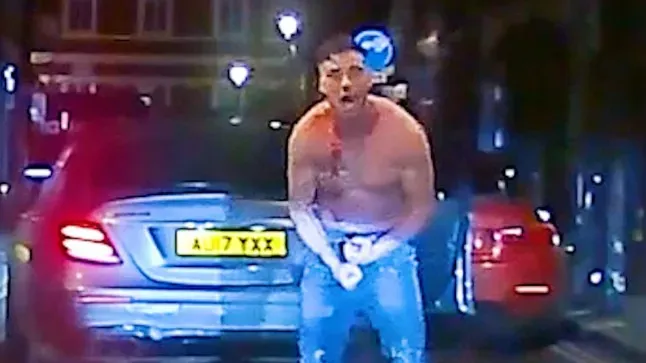
In a shocking turn of events during the London drink-fueled rampage on Christmas Day, a tragic series of violent incidents culminated in the murder of 25-year-old Aidan Chapman. The Old Bailey trial exposed how Anthony Gilheaney, 31, unleashed a spree of aggression after indulging in alcohol at a popular West End bar. As evidence emerged, it became clear that Gilheaney’s violent behavior extended beyond a singular attack, involving a heinous racist assault on passersby, including a Sikh man and another Asian man. With moments caught on CCTV, the chaos unfolded as Gilheaney drove his uninsured Mercedes through crowds, causing multiple injuries before ultimately taking the life of Chapman. This case not only underscores the dire consequences of intoxicated violence but also highlights the need for accountability in addressing hate-fueled crimes in London.
The harrowing events stemming from a drunken outburst in the heart of London have raised pressing questions about public safety and the escalating nature of violent crime. The conviction of Anthony Gilheaney for the death of Aidan Chapman illuminates broader societal issues, including rampant alcohol abuse and the alarming trend of racially motivated assaults. This distressing incident in the West End serves as a stark reminder of how festive celebrations can quickly turn tragic, merging themes of societal discord and personal responsibility. The implications of Gilheaney’s actions resonate beyond just the legal penalties he faces; they spark crucial conversations regarding community safety and the legal system’s role in deterring such reckless behavior. As communities continue to grapple with the aftermath, it becomes essential to foster dialogue around preventing further tragedies linked to drink-fueled violence.
The Impact of Anthony Gilheaney’s Conviction on London Communities
The conviction of Anthony Gilheaney has sent shockwaves throughout London, particularly resonating with communities that have been historically impacted by violence and discrimination. His actions during the drink-fueled rampage illustrate not only a disregard for human life but also a troubling trend of increasing hate crimes in urban areas. Many in the city believe that incidents like the murder of Aidan Chapman should serve as a rallying cry for greater awareness and preventative measures against such violent outbreaks.
In the wake of this tragic event, community leaders are calling for increased support systems aimed at addressing the root causes of such violence. The idea that someone can lash out in a drunken stupor, as Gilheaney did, and irreparably affect lives raises serious questions about public safety and the efficacy of current interventions. It is crucial for both community and law enforcement to foster an environment where incidents like the West End Christmas attack become less common, promoting understanding and respect among diverse groups.
Understanding the Racial and Homophobic Undertones of the West End Christmas Attack
Gilheaney’s rampage was highlighted not just by its brutality but also by its underlying racial and homophobic motivations. Prosecutors argued that his attack on individuals like Hardeep Singh and Arif Khan represented a festering racism within some parts of society. The courtroom revelations pointed to a pervasive issue of intolerance, underscoring the necessity for comprehensive educational campaigns aimed at combating such mindsets within London and beyond.
The racial assault on members of minority communities during a festive season is particularly disheartening. It serves as a reminder that while many seek to celebrate diversity, there remain pockets of society resistant to change. The case has prompted discussions among advocacy groups about the need for stronger hate crime legislation and community outreach to forge solidarity across cultural lines, fostering an inclusive environment free from the fear of such violent expressions.
Insights from the Old Bailey Trial of Anthony Gilheaney
The Old Bailey trial of Anthony Gilheaney has shed light on multiple aspects of the justice system and its approach to handling violent crimes, especially those motivated by hate. The presence of enhanced security measures during his testimony illustrated the seriousness of the charges against him and the potential risk he posed, not only to those involved in the trial but also to the community at large. The gradual unveiling of the evidence, including chilling CCTV footage, further contextualized the mindless violence that occurred.
Moreover, this trial stands as a pivotal case study for how courts address intoxicated offenders who commit hate crimes and violent acts. The jury’s ability to discern the nature of Gilheaney’s actions and the underlying motivations is crucial for future cases. Legal experts are now emphasizing the importance of ensuring that convictions not only serve justice for victims but also act as a deterrent for similarly minded individuals in the community.
The Broader Context of Racist Assaults in London
Anthony Gilheaney’s conviction emerges within a broader pattern of rising hate crimes in London, making it imperative to examine the societal conditions that contribute to such tragic events. Official statistics indicate an alarming increase in racist assaults, which have sparked widespread outrage and calls for change. Local governments and organizations are now pressured to implement more rigorous measures to protect vulnerable populations while promoting awareness of racial intolerance that leads to violence.
The emotional fallout from such attacks resonates deeply within affected communities, fostering a climate of fear and uncertainty. In the aftermath of the West End Christmas attack, voices from various cultural backgrounds are uniting in solidarity, urging for dialogue that recognizes and addresses the multifaceted dynamics of racism in urban Britain. Only through collective awareness and proactive measures can London hope to mitigate the trends of violence and foster a genuinely inclusive society.
Public Reactions to Gilheaney’s Sentencing Date Announcement
The announcement of Anthony Gilheaney’s sentencing date has triggered a wave of emotions from various sectors of the public. Many express a sense of relief knowing that a verdict has been reached, while simultaneously feeling apprehensive about the actual sentencing outcome. The public’s reaction highlights a deep-rooted desire for justice not only for Aidan Chapman but also for the victims of Gilheaney’s violent spree, representing a community that is weary of violence and intolerance.
Additionally, campaigners and activists are emphasizing the need for an appropriate sentence that reflects the gravity of the crime committed. Advocacy groups are advocating for stricter penalties for hate crimes, arguing that a lenient sentence would send a dangerous message about the unacceptability of racist and homophobic violence. As the date approaches, discussions about the lasting impacts of Gilheaney’s actions and the course of justice continue to resonate throughout London’s neighborhoods.
The Family’s Heartbreaking Statement on Their Loss
The statement from Aidan Chapman’s family encapsulates the irreplaceable loss that Anthony Gilheaney’s actions have wrought. Their portrayal of grief and anguish strikes at the heart of the matter—that no amount of justice can heal the emotional void left by such a violent act. This sentiment resonates with many families who have been affected by similar incidents, emphasizing the need for a society that prioritizes understanding and compassion.
Moreover, the Chapmans’ expressions of pain underscore a crucial narrative surrounding violent crime, one that highlights the lasting impacts on families and communities. They have called for systemic changes to prevent future occurrences of such tragedies, ultimately aiming for a culture that cherishes life and discourages hatred and violence. Family perspectives like these are pivotal in shaping public conversations around crime and justice, advocating for a comprehensive approach to addressing the roots of such deep-seated social issues.
Highlighting the Role of Surveillance During the Trial
The utilization of surveillance footage during the Old Bailey trial has emerged as a significant element in the prosecution’s case against Anthony Gilheaney. This evidence vividly illustrated the horrific reality of his actions, providing the jury with undeniable insight into the chaos and panic he caused during the rampage. Such footage plays a crucial role in modern trials, often aiding in the clarification of events and the intent behind actions.
In today’s legal landscape, the reliance on technology to capture events and inform judicial proceedings has become increasingly prevalent. Cases like Gilheaney’s demonstrate the effectiveness of video evidence in establishing guilt, especially in crimes marked by violence and public endangerment. This trend may signal a need for future legal reforms concerning the use of modern technologies in the courtroom, ensuring that justice is accessible and transparent.
Community Calls for Action Against Racism Following the Attack
In the wake of Anthony Gilheaney’s violent acts against multiple individuals, community leaders are rallying for a unified stand against racism in London. There is a growing consensus that incidents of racially motivated violence must not only be condemned but actively confronted through education and awareness initiatives. The sentiment is clear: communities must not remain silent in the face of bigotry.
Local organizations are mobilizing to conduct workshops and discussions aimed at promoting inclusivity as well as understanding among different cultural groups. The tragic events surrounding the West End Christmas attack have reignited conversations about systemic racism and have created an opportunity for change. It is through these collective efforts that communities hope to build resilience against hatred, ensuring that every individual’s dignity is respected.
Learning from the Drink-Fueled Rampage Incident
The drink-fueled rampage carried out by Anthony Gilheaney raises critical conversations about alcohol consumption and its correlation with aggressive behaviors. There are growing calls for better monitoring of establishments serving alcohol, especially at moments when large crowds gather, such as during the festive season. Nightlife safety has become a priority for city planners and law enforcement, who are grappling with the need for environments that mitigate chances for violence and disorder.
These discussions go beyond immediate solutions; they also touch upon the importance of cultural shifts regarding alcohol consumption and accountability. Community action groups are urging for responsible drinking campaigns that educate individuals on the potential ramifications of excessive drinking. By addressing the factors that contribute to violence, society can take substantial steps toward prevention, fostering a safer and more harmonious urban experience.
Frequently Asked Questions
What led to Anthony Gilheaney’s conviction in the London drink-fueled rampage?
Anthony Gilheaney was convicted for his role in a lethal drink-fueled rampage in London’s West End, specifically for the murder of Aidan Chapman after a series of violent attacks on Christmas Day 2024. He exhibited extreme aggression following excessive alcohol consumption, resulting in catastrophic injuries to Chapman and harm to others.
What charges did Anthony Gilheaney face during the Old Bailey trial?
During the Old Bailey trial, Anthony Gilheaney faced multiple charges, including the murder of 25-year-old Aidan Chapman, as well as attempted murder of two other men and wounding with intent. His actions during the London drink-fueled rampage were deemed racist and homophobic.
How did the West End Christmas attack unfold?
The West End Christmas attack began when Anthony Gilheaney, after drinking at Bar Rumba, initiated a violent spree that included assaults on individuals outside the club and culminating in him driving recklessly into pedestrians, including Mr. Chapman and his friend.
What was the impact of Anthony Gilheaney’s actions on the victims of the drink-fueled rampage?
The impact of Anthony Gilheaney’s rampage was devastating, as Aidan Chapman suffered fatal injuries resulting in his death shortly after, while other victims, such as Marcelo Basbus-Garcia and Miguel Waihrich, were injured and required hospital treatment due to the reckless driving.
What were the repercussions of Gilheaney’s racist assaults during the London drink-fueled rampage?
Gilheaney’s racist assaults during the London drink-fueled rampage led to public outrage and highlighted the underlying social issues related to race and violence, influencing the serious nature of his trial and the subsequent convictions for attempted murder and wounding.
How did the jury respond to the evidence against Gilheaney at the Old Bailey?
The jury at the Old Bailey convicted Anthony Gilheaney after examining CCTV footage and hearing testimonies related to his violent actions during the drink-fueled rampage, which included evidence of his racist behavior and reckless driving. Their decision emphasized the gravity of his offenses.
What did Aidan Chapman’s family express after the conviction of Anthony Gilheaney?
Aidan Chapman’s family expressed profound grief and trauma, stating that no amount of justice could compensate for their loss, which was exacerbated by the violent nature of the London drink-fueled rampage that took their son’s life.
What measures were taken during Gilheaney’s trial due to his violent tendencies?
Due to his violent tendencies, special measures were implemented during Anthony Gilheaney’s trial at the Old Bailey, including locking courtroom doors and having him accompanied by multiple custody officers for security reasons.
| Key Point | Details |
|---|---|
| Conviction | Anthony Gilheaney was convicted of murder for killing Aidan Chapman and injuring others. |
| Date of Incident | The attacks occurred on Christmas Day, December 25, 2024. |
| Victim | Aidan Chapman, 25, died from injuries sustained during the attack. |
| Nature of the Rampage | Gilheaney went on a violent spree after drinking at a bar, targeting individuals based on race and sexual orientation. |
| CCTV Evidence | Footage showed Gilheaney violently driving after multiple assaults. |
| Defendant’s Claim | Gilheaney claimed confusion and lack of recall during the incidents. |
| Reaction from Victim’s Family | The family expressed immense grief and the enduring impact of their loss. |
| Next Steps | Gilheaney is scheduled to be sentenced on January 30. |
Summary
The London drink-fueled rampage led by Anthony Gilheaney starkly highlights the consequences of reckless behavior and hatred. This tragic event not only took a life but also significantly harmed others and left lasting pain for families and loved ones. Gilheaney’s conviction sends a clear message that such actions will not be tolerated, reflecting society’s commitment to justice and community safety.