
Listen to this article
The London criminal justice system faces significant challenges, prompting urgent calls for reform from the Metropolitan Police commissioner, Sir Mark Rowley. With nearly 30% of criminals lacking necessary electronic tagging and a troubling rise in repeat offenders released on bail, the system’s effectiveness is under scrutiny. Rowley reported that public confidence has waned, highlighted by a drop from 66% to 57% in trust since 2021-22, necessitating immediate action to address these pressing bail issues in London. The backlog in the criminal justice system has further exacerbated delays, leaving victims waiting years for resolution in their cases. As discussions around justice system reform intensify, it is clear that a renewed focus on swift and effective accountability is critical to restoring public faith in London’s safety and justice.
The judicial framework in London, often referred to as the criminal justice machinery, is currently navigating through turbulent waters, as highlighted by recent statements from law enforcement leaders. Unresolved issues like electronic tagging failures and the release of high-risk offenders on bail underscore a chaotic landscape that complicates crime management. These issues have led to urgent demands for comprehensive justice system enhancements, aimed at rectifying persistent delays and backlog challenges. With increasing public concern over safety, there is a pressing need for a coordinated strategy that prioritizes victims and ensures that justice is promptly served. As London strives to improve its legal processes, the focus on reforming how the system operates becomes paramount to safeguarding both the community and the integrity of the judiciary.
Challenges in the London Criminal Justice System
The London criminal justice system is currently facing significant challenges that impact its effectiveness and public trust. One of the primary concerns highlighted by Sir Mark Rowley, the Metropolitan Police commissioner, is the alarming rate at which criminals are released without being subject to electronic tagging. About 30% of offenders who should be tagged are not, resulting in heightened risks for the community. This situation reflects not only a failure in administrative practices but also reveals deeper systemic issues that require urgent attention to instill confidence among Londoners in their justice system.
Additionally, the backlog of cases in London courts is exacerbating the crisis within the criminal justice system. With thousands of cases scheduled far into the future, including serious offenses such as actual bodily harm, the effectiveness of the legal process is jeopardized. Delays in court proceedings foster an environment where repeat offenders can continue their criminal activities without sufficient checks in place, thereby intensifying the need for comprehensive justice system reform.
The Role of the Metropolitan Police in Justice System Reform
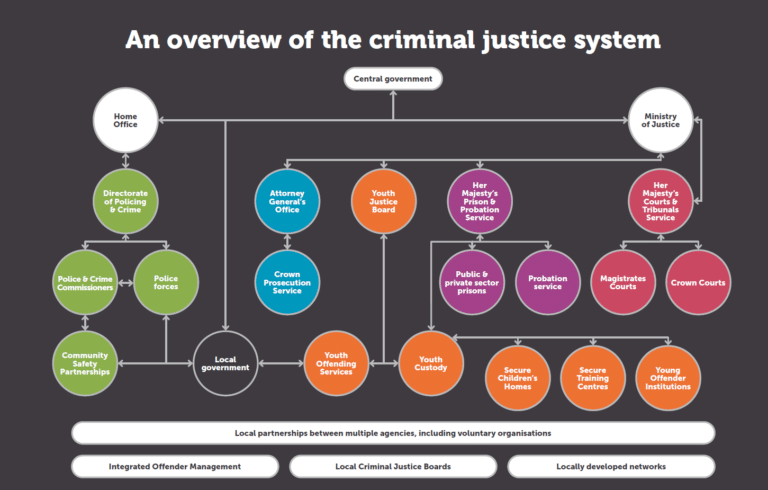
The Metropolitan Police have a pivotal role in advocating for necessary reforms within the London criminal justice system. Sir Mark Rowley has emphasized the importance of a unified approach that prioritizes victims and addresses the current inefficiencies. This includes the coordination between various branches of the justice system, such as the courts and the Crown Prosecution Service, which face considerable pressure to handle the growing number of cases effectively. Reform must also take into account the immediate needs for better management of offenders, particularly those requiring electronic tagging.
The Metropolitan Police are set to present a paper outlining their concerns and recommendations to the London Criminal Justice Board. This paper will advocate for actionable measures such as increasing court sitting days to alleviate the backlog and ensuring every eligible offender is tagged. By setting clear expectations for the judiciary on handling repeat offenders, particularly young individuals, the Metropolitan Police aims to create a more responsive and responsible justice environment that supports public safety.
Addressing Bail Issues in London
Bail issues in London have surged as a critical topic within the discourse around the criminal justice system. Officers report that, despite substantial evidence of risks associated with releasing repeat offenders, the courts often default to granting bail. This leniency endangers both the offenders and the wider community. The Metropolitan Police’s call to action stresses the need for intervention measures to ensure that those who pose a significant risk are detained until their trials.
Implementing stricter bail conditions and reassessing the criteria for granting bail is essential for curtailing the cycle of repeat offenses. There must be a shift in the perception and execution of bail, prioritizing community safety over rehabilitative ideals when necessary. The Metropolitan Police are advocating for a collaborative approach with the Crown Prosecution Service to clearly define the implications of breaching bail conditions, ensuring accountability, and reinforcing public trust in the justice system.
The Impact of Criminal Justice Backlog on Public Confidence
The growing backlog in the London criminal justice system directly affects public confidence in law enforcement and judicial efficacy. As highlighted by Sir Mark Rowley, the current statistics reveal a significant decline in trust, with only 57% of Londoners expressing confidence in the justice system. This decline is exacerbated by the perception that serious crimes, including knife crime and robbery, often result in delayed justice and inadequate intervention measures for youthful offenders.
With courts swamped by a multitude of cases, many victims are left waiting years for their day in court, fueling frustration and disillusionment within the community. Addressing this backlog is crucial not just for the sake of operational efficiency, but also for restoring faith among the public that the justice system is capable of providing timely and fair resolutions. The Metropolitan Police’s push for increased court sitting days is one approach aimed at tackling these pressing issues.
Urgent Actions Needed for Justice System Improvements
The call for urgent actions by the Metropolitan Police highlights the critical point at which the London criminal justice system stands. As outlined in their proposal to the London Criminal Justice Board, the immediate implementation of solutions is necessary to tackle ongoing issues such as the electronic tagging of offenders, processing of cases in court, and the management of bail for repeat offenders. These actions are not just recommendations; they are essential steps towards fortifying public safety and ensuring victims see justice served.
A clear action plan that includes regular reviews of the effectiveness of tagging and bail policies will enhance accountability across the justice system. As Sir Mark stated, no victim should endure the lengthy wait that is currently the norm. By prioritizing the needs of victims and implementing swift corrective measures, the London criminal justice system can work towards rebuilding trust and enhancing safety for all citizens.
Electronic Tagging as a Crime Prevention Tool
Electronic tagging has emerged as a pivotal tool in crime prevention within the framework of the London criminal justice system. The Metropolitan Police have underscored the importance of ensuring all offenders who require tagging are equipped with the devices to enable proper monitoring and prevent further offenses. This is particularly relevant for repeat offenders, who, according to reports, frequently breach their bail conditions, posing threats to both their rehabilitation and public safety.
However, the absence of electronic tags for up to 30% of eligible offenders indicates a significant gap that needs immediate attention. By expanding the use of electronic monitoring, authorities can better track offenders, deterring potential crimes and reducing the occurrence of further offenses. Variants of electronic tagging, coupled with community support programs, could foster a more effective strategy for managing offenders and enhancing overall community safety.
The Importance of Collaboration in the Justice System
Collaboration among various branches of the justice system is essential for effective reform and operation. The Metropolitan Police’s initiatives emphasize a need for cooperative strategies across the courts, probation services, and the Crown Prosecution Service. Such collaboration ensures that everyone from law enforcement to judiciary systems is aligned in their goals and methods, which is especially critical in addressing the staggering backlog of cases pending in London’s courts.
When all components of the justice system work in tandem, the likelihood of reducing delays, enhancing efficiency, and improving the overall experience for victims increases significantly. Only through shared responsibility and coordinated action can the London criminal justice system rectify existing problems, instill public confidence, and create a cohesive environment that promotes safety and justice for all.
Youth Crime and the Role of the Justice System
The rise in youth crime presents unique challenges for the London criminal justice system, necessitating a targeted response. Sir Mark Rowley highlighted that a substantial percentage of offenders for serious crimes such as knife offenses are young individuals. The justice system must adapt its approach to address the specific needs, circumstances, and vulnerabilities of youth to prevent further escalation of criminal behavior.
Intervention strategies that are tailored for young offenders, along with robust support systems, can help redirect them toward positive outcomes. Rather than defaulting to bail, which often leads to negative cycles, there is a pressing need for proactive measures that ensure the safety of the community while offering rehabilitation options for young offenders, allowing them a chance to reintegrate successfully into society.
Victims’ Rights in the London Criminal Justice System
Victims’ rights have emerged as a central theme in the conversation surrounding the London criminal justice system. The Metropolitan Police’s insistence on prioritizing victims in their proposals for reform recognizes the often-overlooked impact that delays and bureaucratic processes can have on those who have suffered from crime. It is vital that the justice system not only punishes offenders but also upholds the dignity and support of victims throughout the legal process.
Ensuring prompt access to justice for victims can be a powerful tool for healing and societal trust in law enforcement. As London faces issues of backlogs and procedural inefficiencies, a commitment to enhancing victims’ rights must be at the forefront of any reform initiatives. Changes that streamline the court processes, coupled with greater transparency and support for victims, can significantly improve their experiences within the justice system.
Frequently Asked Questions
What are the major issues facing the London criminal justice system today?
The London criminal justice system is currently facing major challenges, including a backlog of cases, improper management of electronic tagging, and issues related to bail for repeat offenders. The Metropolitan Police commissioner has noted that about 30% of offenders who should be electronically tagged are not receiving them, leading to concerns over public safety and accountability.
How is electronic tagging being managed within the London criminal justice system?
Electronic tagging is a key component in monitoring offenders within the London criminal justice system. However, the Metropolitan Police reported that roughly 30% of criminals who should be tagged are not due to lack of installation. This situation complicates the enforcement of restrictions and increases the risk of reoffending.
What are the bail issues currently impacting London?
Bail issues in London have become critical, particularly where repeat offenders are concerned. The Metropolitan Police commissioner highlighted a tendency for courts to grant bail too frequently, which poses risks to both offenders and the public. This has resulted in a decline in trust in the justice system amongst London residents.
What steps are being proposed to reform the London criminal justice system?
To reform the London criminal justice system, the Metropolitan Police are advocating for urgent action, which includes establishing a clear action plan aimed at prioritizing victims. This involves increasing court sitting days to reduce backlog, ensuring electronic tags are deployed correctly, and setting clear guidelines for the prosecution of repeat offenders.
How has public confidence in the London criminal justice system changed recently?
Public confidence in the London criminal justice system has seen a significant decline, dropping from 66% in 2021-22 to 57% in the latest Public Attitude Survey. This decrease highlights the urgent need for reforms and improvements in the justice system’s effectiveness as emphasized by the Metropolitan Police commissioner.
What are the statistics regarding youth crime in London?
Statistics indicate that for the year ending August 2025, about 25% of knife crime offenders in London are aged 10 to 19, along with nearly 20% of robbery offenders in the same age group. This underscores the critical need for the courts to address youth offending and the appropriateness of bail in such cases.
Why is there a backlog in the London criminal justice system?
The backlog in the London criminal justice system can be attributed to prolonged underfunding and a lack of resources, as pointed out by the Metropolitan Police commissioner. Currently, there are a significant number of crown court cases scheduled for the coming years, which impede timely justice for victims.
What is the role of the London Criminal Justice Board?
The London Criminal Justice Board plays a crucial role in coordinating efforts to enhance the effectiveness of the criminal justice system in London. The Metropolitan Police will present a paper to the board outlining challenges and requesting unified action, including better management of electronic tagging and strategies to deal with the increasing number of court cases.
What actions are being proposed to address the criminal justice backlog in London?
To address the criminal justice backlog in London, proposed actions include increasing the number of court sitting days, ensuring that every eligible offender receives electronic tagging, and clarifying the consequences for breaching tagging restrictions. These measures aim to streamline the legal process and improve public safety.
How can issues in the London criminal justice system affect victims of crime?
Issues within the London criminal justice system, such as lengthy delays and the handling of repeat offenders, can significantly impact victims of crime by prolonging their wait for justice. The Metropolitan Police emphasized that no victim should be waiting three or more years for their case to go to court, highlighting the need for reform to prioritize victim rights.
| Key Point | Details |
|---|---|
| Electronic Tagging | 30% of criminals in London are not electronically tagged, despite needing to be. |
| Criminal Breaches | 150 tagged offenders breach their conditions each week. |
| Public Trust | Trust in the justice system has dropped from 66% to 57% between 2021-22 and now. |
| Justice Delays | Delays in cases lead to failure in delivering swift justice; 5 crown court cases set for 2030. |
| Youth Crime | 25% of knife crime offenders are aged 10-19; courts often grant bail despite risks. |
| Call for Action | Sir Mark Rowley urges the London Criminal Justice Board for urgent action to fix systemic issues. |
Summary
The London criminal justice system is currently facing a crisis, as highlighted by the urgent calls from the Metropolitan Police commissioner Sir Mark Rowley. The alarming statistics regarding electronic tagging, public trust erosion, and significant delays in justice underline the necessity for immediate reform. The situation demands comprehensive actions from all entities within the justice system to restore confidence and ensure that justice is not only served but seen to be served.