
Listen to this article
In a concerning development, London councils have recently been targeted in a cyber-attack, prompting immediate emergency plans and an investigation led by the National Crime Agency (NCA). The incident has affected multiple systems within the Royal Borough of Kensington and Chelsea and Westminster City Council, disrupting essential services and communications for over half a million residents. As cybersecurity efforts intensify, the councils are working diligently to assess the potential data breach implications and secure their online infrastructure. Coupled with concerns from the Information Commissioner’s Office (ICO), this attack highlights the vulnerabilities councils face in maintaining robust cybersecurity measures. As these authorities navigate this crisis, the importance of proactive emergency plans for councils is clearer than ever, ensuring that public services can swiftly recover from such incidents.
In a troubling turn of events, several local authorities in London have fallen victim to a cyber breach, necessitating the activation of contingency strategies to safeguard community operations. Authorities including Kensington and Chelsea as well as Westminster are grappling with service disruptions due to this online assault on their systems, which may compromise sensitive data. The involvement of cybersecurity experts alongside the National Cyber Security Centre emphasizes the urgency to restore normalcy and protect resident information. In light of recent historical attacks, the need for fortified cybersecurity protocols in municipal governance is paramount. This situation serves as a grim reminder for councils across the region to prioritize robust security measures and preparedness plans in order to mitigate future threats.
Understanding the Cyber-Attack on London Councils
On a recent Monday morning, three councils in London fell victim to a severe cyber-attack that prompted immediate emergency plans. The Royal Borough of Kensington and Chelsea (RBKC) and Westminster City Council were particularly affected, as they share IT infrastructure, leading to significant disruptions across multiple systems, including phone lines. This incident didn’t just impact the functionality of these councils; it also raised alarm bells throughout London, highlighting the ongoing threat of cyber-attacks targeting public services.
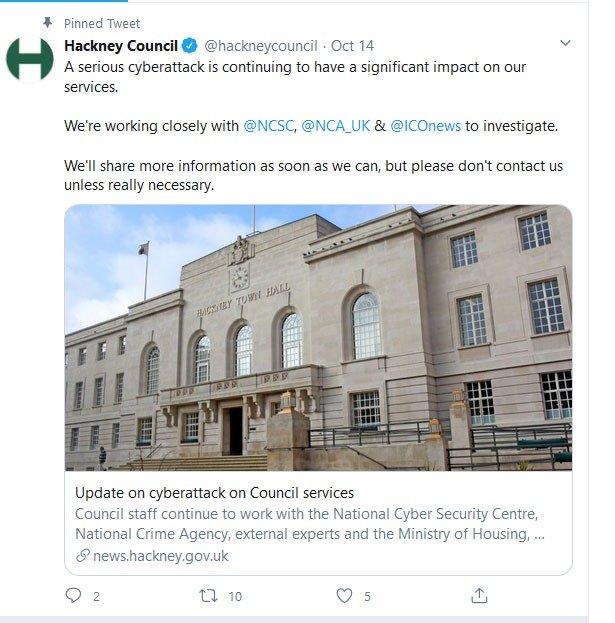
In response to the breach, the councils swiftly shut down several computerized systems as a precautionary measure. They engaged with the National Crime Agency (NCA) to investigate the incident and ascertain the extent of potential data compromise. The Information Commissioner’s Office (ICO) has expressed its concern, especially since there was a history of attacks on local councils, such as the 2020 ransomware incident on Hackney Council that encrypted crucial files. The current cyber-attack reveals weaknesses in cybersecurity measures among local authorities, demanding urgent attention.
Role of the National Crime Agency in Cybersecurity
The involvement of the National Crime Agency (NCA) in investigating the cyber-attack on London councils underscores the seriousness of the situation. The NCA is tasked with tackling serious and organized crime, including cybercrime, and offers specialized resources to local authorities when incidents occur. Their expertise is crucial in determining the origin of the attack and whether sensitive data has been compromised, which can have far-reaching implications for residents and local governance.
Moreover, the collaboration between the councils and the NCA reflects a growing recognition of the need for cooperative cybersecurity strategies. As local councils share infrastructure and data, breaches can have a domino effect – if one council is compromised, others sharing the same systems could be vulnerable as well. Thus, a robust response from the NCA not only helps in addressing the immediate threat but also sets a precedent for enhanced cooperation between cybersecurity agencies and local government entities.
Emergency Plans Activated by London Councils
In light of the cyber-attack, both RBKC and Westminster City Council have activated their emergency plans to ensure the continuity of critical services. These emergency plans are essential in mitigating the impact of such incidents on vulnerable populations who rely heavily on council services. The government’s focus on strengthening emergency responses highlights the importance of preparedness in the face of rising cyber threats that can disrupt even essential services.
The councils’ approach includes working closely with cyber incident experts from the National Cyber Security Centre (NCSC) to protect their systems and data while restoring services as efficiently as possible. By prioritizing critical services and employing measures outlined in their emergency plans, these councils not only aim to buttress their defenses against future attacks but also assure residents that support remains available amid the ongoing challenges posed by the cyber-attack.
Impact on Residents and Services
The recent cyber-attack on London councils has undoubtedly affected the services available to residents. RBKC reported that many online services, such as checking council tax bills or paying fines, would be significantly limited due to the ongoing security fixes. This disruption raises concerns among residents, who may find it frustrating when attempting to access vital services, demonstrating how cyber threats can directly impact communities on a daily basis.
Moreover, the councils have proactively communicated with their residents to keep them informed about the situation. Westminster City Council issued sincere apologies for the inconveniences caused and assured that they are committed to restoring services quickly. This transparency is essential as it fosters trust between the councils and the communities they serve, highlighting the importance of effective communication during a crisis.
Lessons Learned from Past Cyber-Attacks
The recent incident involving London councils is not an isolated case; it reflects a troubling trend of increasing cyber-attacks targeting public sector entities. For instance, the 2020 ransomware attack on Hackney Council, which had ramifications for its data integrity and operational capabilities, serves as a stark reminder that cybersecurity should be a primary focus for local councils. Learning from these incidents, there is an urgent need to enhance cybersecurity protocols across all local governments.
Councils should prioritize investing in sophisticated cybersecurity measures and foster a culture of awareness among their staff about potential threats. Regular training and updates to emergency plans can help mitigate the consequences of such cyber incidents and ensure that councils are better prepared to handle future attacks. As Rob Miller, an expert in public sector IT, noted, councils are attractive targets for cybercriminals; hence, understanding these attacks and implementing effective safeguards is more critical than ever.
The Response of Other Councils to the Threat
In the wake of the cyber-attack on RBKC and Westminster, other councils, including Hackney in east London, have been prompted to scrutinize their own cybersecurity measures. Hackney, while initially untouched by the recent incident, alerted its staff about potential threats affecting multiple councils. This proactive approach showcases the interconnectedness of local authorities and the importance of collective vigilance when responding to cybersecurity threats.
The incident has spurred discussions among councils about boosting their cyber resilience, leading to potential collaborations involving shared strategies and resources. Increased information sharing about threats and vulnerabilities can foster a united front against cyber-attacks, which have become increasingly sophisticated. In this environment, the proactive stance taken by councils may ultimately reduce the chance of future incidents and strengthen the cybersecurity posture of local authorities across London.
Importance of Cybersecurity for Local Government
As the recent cyber-attacks on London councils have illustrated, the importance of robust cybersecurity for local government cannot be overstated. With local councils managing sensitive data and providing essential services to millions of residents, they must prioritize cybersecurity as a critical component of their infrastructure. The potential impact of a data breach could compromise personal information and disrupt vital local services, underlining the urgent need for enhanced security protocols.
By investing in advanced cybersecurity technologies and training programs, local councils can better protect their data and minimize risks. Collaborating with organizations such as the National Cyber Security Centre helps councils stay ahead of evolving threats. Moreover, by fostering a culture of cybersecurity awareness within all levels of local government, councils can cultivate resilience and preparedness against future attacks, ultimately ensuring the safety of their residents’ information.
Future Preparedness Against Cyber Threats
The recent cyber-attack on London councils serves as a critical reminder that the future landscape of cybersecurity will require continuous adaptation and improvement. Local authorities must develop long-term strategic plans that not only address current vulnerabilities but also anticipate emerging cyber threats. Regular assessments of cybersecurity protocols, coupled with investment in new technologies, can serve as a foundation for future preparedness.
Additionally, councils should engage in simulation exercises and participate in training programs that enhance their incident response capabilities. By fostering partnerships with cybersecurity organizations and leveraging intelligence sharing, councils can create a more united defense against potential cyber threats. As the landscape of cybercrime evolves, the integration of innovative strategies is essential for ensuring that local councils remain resilient and capable of protecting their constituents.
Community Engagement and Cybersecurity Awareness
The ramifications of cyber-attacks extend beyond immediate disruptions to council services, impacting the wider community’s trust in local governance. In light of recent events, it is vital for councils to engage with their communities to foster cybersecurity awareness. Through public workshops and information sessions, councils can educate residents about the potential risks associated with cyber threats and promote best practices for safeguarding personal data.
Engaging the community not only enhances public understanding of cybersecurity issues but also empowers residents to take charge of their own digital safety. By creating an informed citizenry, councils can build greater resilience against the impacts of future cyber-attacks. Additionally, this collaborative approach encourages feedback from the community, which can further strengthen local cybersecurity measures and enhance services offered by councils.
Frequently Asked Questions
What happened during the cyber-attack on London councils?
Three councils in London, including the Royal Borough of Kensington and Chelsea (RBKC), Westminster City Council, and the London Borough of Hammersmith and Fulham, reported a cyber-attack that led to significant disruptions in their IT systems. Emergency plans were activated, and the National Crime Agency (NCA) was involved to determine if any data has been compromised.
Which London councils were affected by the cyber-attack?
The cyber-attack primarily affected the Royal Borough of Kensington and Chelsea, Westminster City Council, and the London Borough of Hammersmith and Fulham. These councils share IT systems, which increased the impact of the incident.
What emergency plans were put in place by London councils due to the cyber-attack?
In response to the cyber-attack, the affected London councils activated business continuity and emergency plans. This was aimed at ensuring continued delivery of critical services, especially for vulnerable residents, while working to restore their systems with the help of cybersecurity experts and the NCSC.
How did the National Crime Agency respond to the London councils cyber-attack?
The National Crime Agency (NCA) was called in to investigate the cyber-attack on London councils to assess whether there was a data breach. Their involvement is critical in determining the extent of the attack and ensuring that proper cybersecurity measures are implemented moving forward.
What cybersecurity measures are councils in London taking after the attack?
Following the cyber-attack, councils in London have been collaborating with specialist cyber-incident experts and the National Cyber Security Centre (NCSC). Their focus includes protecting systems and data, restoring functionality, and maintaining critical public services to ensure minimal disruption to residents.
Could a data breach occur from the recent cyber-attack on London councils?
While it is too early to confirm the details of the recent cyber-attack, concerns of a data breach are being taken seriously. The involved councils are investigating to ascertain whether any sensitive data has been compromised, following standard practice in incidents of this nature.
What services will be affected by the London councils cyber-attack?
Due to the cyber-attack, services such as checking council tax bills and paying parking fines at the Royal Borough of Kensington and Chelsea may experience interruptions. The councils have indicated that their website might also be intermittently unavailable as they conduct necessary security fixes.
How have London councils communicated with residents about the cyber-attack?
London councils have been actively updating residents regarding the cyber-attack. Statements have been issued to inform the public about potential service delays, and they have promised to provide further information as investigations with the NCA and cybersecurity experts continue.
What lessons can be learned from the 2020 ransomware attack on Hackney Council?
The ransomware attack on Hackney Council in 2020, which resulted in significant data loss, highlighted the importance of robust cybersecurity measures for councils. It emphasized the need for ongoing vigilance, collaboration with cyber experts, and preparedness with emergency plans in the event of future attacks.
What steps can London councils take to enhance their cybersecurity?
To enhance cybersecurity, London councils can adopt measures such as regular security audits, employee cybersecurity training, collaboration with the National Cyber Security Centre, and developing comprehensive incident response plans to mitigate risks associated with cyber-attacks.
| Key Point | Details |
|---|---|
| Incident Overview | Three councils in London – RBKC, Westminster, and Hammersmith – reported a cyber-attack, prompting emergency plans. |
| Systems Affected | Both RBKC and Westminster experienced disruptions, especially in phone lines and computerized systems. |
| Investigation | The NCA and NCSC are involved to determine data compromise and restore services. |
| Public Impact | The incident affects over half a million residents, with some services like tax bill checks and parking fines experiencing delays. |
| Response from Councils | Councils activated emergency plans, informing residents of potential service disruptions and ongoing investigations. |
| Past Incident | In 2020, a ransomware attack on Hackney Council severely disrupted services, raising fears about current threats. |
| Expert Commentary | Rob Miller noted the substantial impact of cyber-attacks on councils, emphasizing the difficulty in recovery. |
Summary
The recent London councils cyber-attack underscores the vulnerabilities faced by local authorities amidst evolving cyber threats. With three councils affected and urgent investigations underway, residents have been given notice of potential service disruptions. Despite the challenges, the collaborative response from the National Crime Agency and specialist cyber teams exemplifies a proactive approach to managing the crisis. Ensuring the security of citizens’ data remains a priority as efforts to restore normalcy commence. It is essential for London councils to strengthen their defenses to prevent such incidents in the future.