
Listen to this article
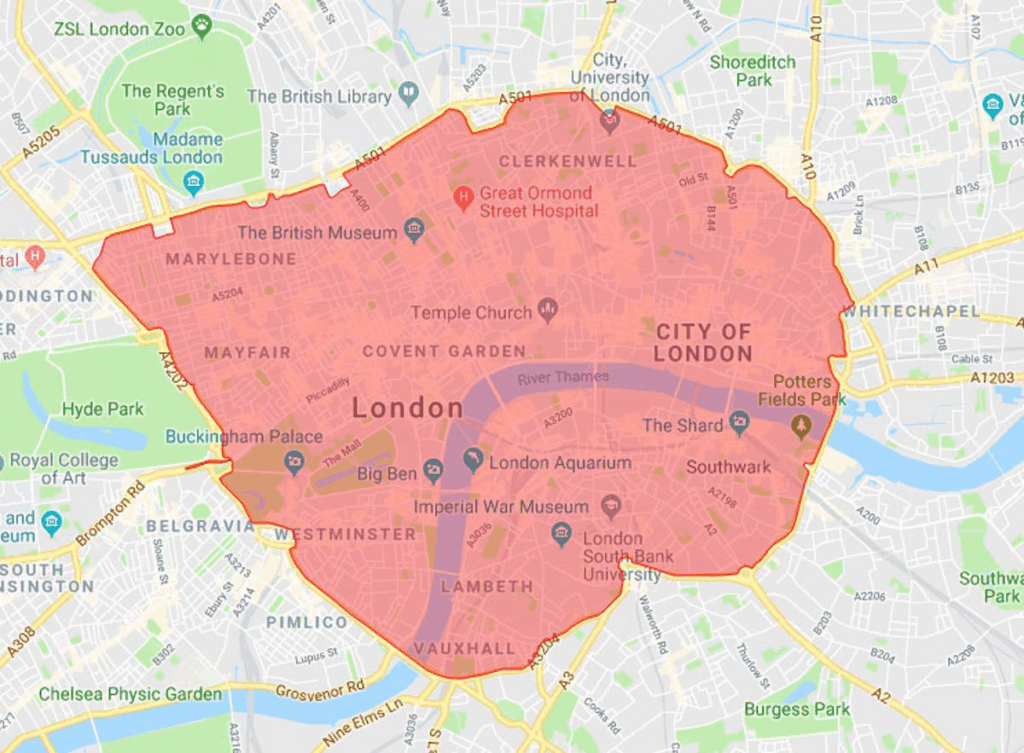
The London congestion charge is a critical measure aimed at reducing traffic congestion in the capital. Starting in January, Londoners will face a 20% increase to £18 for the congestion charge, impacting all vehicles entering the bustling heart of the city. In a notable change, electric vehicle drivers will no longer enjoy a complete exemption from this fee, although they will benefit from a 25% discount. This decision, announced by Mayor Sadiq Khan, comes as part of ongoing efforts to manage traffic congestion in London, where registered electric vehicles have surged to nearly 120,000. As the city grapples with increasing road use, the congestion charge continues to evolve, influencing the landscape of London electric vehicle charges and the overall approach to sustainable transport options in the capital.
In the realm of urban transport management, the charge for entering central London reflects a growing trend towards addressing vehicular traffic issues. With an impending rise in fees, electric vehicles will now contribute to the city’s traffic mitigation efforts, a shift that has sparked discussions among residents and transportation advocates alike. The London congestion levy has been instrumental since its inception, and as the metropolitan area expands, so do the policies surrounding urban mobility. Mayor Sadiq Khan’s recent statements highlight an urgent need for adaptation to ensure cleaner transportation remains within reach for Londoners. As we explore the implications of this policy change, it’s essential to consider the broader context of traffic management and the ongoing transition towards greener vehicle options.
Understanding the Increased London Congestion Charge
As of January, London’s congestion charge is set to rise by 20%, reaching £18, a significant shift in policy that drivers need to be aware of. This is the first instance where electric vehicle (EV) drivers will also be subject to this charge, albeit at a reduced rate. Previously enjoying a full exemption, EV owners will now see a 25% discount on the congestion charge, as electric vans and HGVs will only pay 50%. This new policy reflects a broader strategy by the city to combat traffic congestion London faces, especially as the number of registered EVs has ballooned to nearly 120,000 in recent years.
The increase in the congestion charge has raised concerns among motorists and stakeholders alike, many of whom criticize it as a regressive approach to managing urban transport. Critics argue that this could deter people from adopting greener vehicles. With Sadiq Khan’s leadership at the helm of London transport policies, this move is aimed at maintaining flow amidst rising vehicle registrations in the city. Despite the intention behind the changes, the adjustments have sparked debates and fears of potential backlash from those looking to transition to electric alternatives.
One of the motivations behind the congestion charge increase is the need to manage the anticipated rise in traffic that could come with more vehicles on the road. As Khan pointed out, without this adjustment, approximately 2,200 additional vehicles would enter central London on an average weekday. This situation not only undermines the goal of reducing traffic congestion but also poses further challenges for the overall environmental objectives that the city has set for itself. Ensuring mobility while cutting congestion is a balancing act that the city is striving to achieve through such levies, especially in light of the congestion charge’s initial goal to alleviate the infamous traffic issues on London’s streets.
Impact of the Congestion Charge on Electric Vehicles
The introduction of charges for electric vehicles within the London congestion zone marks a pivotal change in the city’s transport strategy. This policy not only aims to regulate traffic but also seeks to encourage a progressive shift towards sustainable transport options. However, as the plan unfolds, it remains essential to consider how these new charges will impact the adoption of electric vehicles. While the EV discount offered could be seen as a partial incentive, critics like Elly Baker argue that it complicates the financial landscape for individuals and businesses looking to move to cleaner alternatives. This raises the question: will the traffic congestion London aims to mitigate truly benefit from potentially discouraging EV usage?
Many advocates for sustainable transport believe that the burden of paying any charge, despite reduced rates for EVs, will deter drivers from switching, especially for those who rely on vehicles for work. The backlash suggests that while the city aims to manage traffic, it risks alienating the very demographic it wants to convert to greener practices. The discussions surrounding Sadiq Khan’s policies highlight the difficulties of balancing economic viability with environmental responsibility—an ongoing challenge in urban transport planning.
Furthermore, the collision of these new policies with existing incentives creates a complex narrative for potential EV users. As the current 90% discount will only apply to EV owners from 2027, questions about the attractiveness of switching to electric vehicles arise. The argument made by representatives like AA president Edmund King emphasizes the importance of ongoing incentives to support both business owners and everyday drivers as they transition to greener options. Critics are apprehensive that without robust support mechanisms, travelers in London might feel zooed between traditional combustion vehicles and electric models, complicating the goal of reducing traffic congestion.
The Role of Sadiq Khan in London’s Transport Policies
Sadiq Khan has emerged as a significant figure in shaping London’s transportation landscape. His focus on streamlining transport while enhancing sustainability has led to the recent announcement about the congestion charge increase. Khan argues that decisive measures must be taken to ensure London remains navigable amidst a growing vehicle population. His policies reflect broader urban trends and attempts at pollution management, positioning London as a player in the global fight against climate change. However, this approach also invites scrutiny as stakeholders evaluate the implications of his decisions on electric vehicle adoption and public sentiment towards city driving.
Khan’s emphasis on encouraging the use of cleaner vehicles is commendable, but the critique of his congestion charge alterations reveals the nuances of change in governmental policy. Where the intention is to reduce congestion and prioritize sustainable options, the implementation often faces hurdles. The dynamic between regulation and accessibility is delicate; as those who drive in London react to cost increases amidst ongoing charges for EVs, it remains to be seen how effective these measures will be in fostering a truly sustainable city.
Moreover, Khan’s emphasis on public transport improvement and pedestrian-friendly measures also plays into the larger narrative of London’s transport strategy. It represents a holistic approach to urban planning—enhancing public transit accessibility while gradually reducing reliance on personal vehicles. This strategy, however, is not without its challenges. The forthcoming congestion charge adjustments represent a crucial facet of his tenure and are instrumental in how London transforms in the years ahead, as the city grapples with an influx of EVs and the need for cleaner transport solutions. Maintaining dialogue with residents and stakeholders will be vital for Khan to navigate potential backlash while advocating for policies that pursue sustainable transport for all Londoners.
The Future of Mobility in London
As London moves towards a more sustainable future, the transport landscape is set to undergo significant evolution, especially with the increase in the congestion charge. This adjustment signifies not only a financial aspect but also a shift in the mindset of city dwellers regarding mobility options. With the ongoing advancements in electric vehicles and the introduction of new technologies like smart traffic management systems, the future of mobility in London looks promising. However, these advancements will come with their own challenges, particularly surrounding the financial dynamics of vehicle ownership in the capital.
The anticipated changes point towards a growing need for adaptive strategies that accommodate emerging transport technologies and sustainable solutions. With rising traffic congestion London has faced, authorities must ensure these strategies effectively manage vehicle flow while promoting greener transport. The new congestion charge could act as a potential catalyst, pushing more drivers towards electric vehicles and enhancing the overall eco-friendliness of urban transport networks.
Looking ahead, the expected evolution of mobility in London will likely integrate robust infrastructure for electric vehicles, including expanded charging stations and incentives for businesses to adopt greener practices. If these elements are embedded into the transport policy framework, they could complement the congestion charge while fostering a culture of sustainable driving that holds promise for improving air quality. However, the city will need to maintain a transparent and balanced approach to ensure that both economic feasibility and environmental sustainability remain at the forefront of public discourse as the landscape evolves.
Frequently Asked Questions
What is the London congestion charge and how does it affect electric vehicles?
The London congestion charge is a fee imposed on vehicles operating in central London to reduce traffic congestion. Starting January, the charge will increase by 20% to £18, and for the first time, electric vehicles (EVs), which previously enjoyed a full discount, will now incur a lower charge with a 25% discount. This change aims to manage the rising number of vehicles in the zone.
How will the congestion charge increase affect traffic congestion in London?
The congestion charge increase is designed to mitigate traffic congestion in London by discouraging unnecessary vehicle use in the charging zone. According to Mayor Sadiq Khan, without the increase, about 2,200 additional vehicles would enter the zone each weekday, exacerbating the current traffic situation.
What discounts are available for electric vehicles under the London congestion charge?
Under the revised London congestion charge, electric vehicle drivers can receive a 25% discount, while electric vans and heavy goods vehicles (HGVs) will pay only 50% of the full charge. This initiative is part of efforts to encourage cleaner transport in London.
Why are some critics opposed to the changes in London’s congestion charge?
Critics, including motoring organizations, argue that the latest changes to the London congestion charge are regressive as they make electric vehicles less financially appealing. Concerns have been raised that this might discourage drivers from adopting greener options, particularly among those who rely on vehicles for work.
What are the new exemptions for London residents regarding the congestion charge?
From March 2027, only residents who own electric vehicles will benefit from a 90% discount on the London congestion charge, while vehicle-sharing car clubs will be fully exempt for electric vehicles. These measures aim to incentivize cleaner transport but have drawn criticism for impacting EV adoption.
What are the operational hours for the London congestion charge?
The London congestion charge is enforced on weekdays from 7 AM to 6 PM and from noon to 6 PM on weekends and bank holidays. This timed enforcement helps manage traffic flow during peak hours in central London.
Are there any future considerations for charging electric vehicles in London?
Yes, there are discussions about additional charges for electric vehicles across the UK. Chancellor Rachel Reeves is reportedly considering implementing a pay-as-you-drive scheme, which would further regulate EV usage amid the ongoing framework of the London congestion charge.
How has the introduction of the congestion charge impacted electric vehicle registrations in London?
Since the introduction of the congestion charge in 2003, registered electric vehicles in London have surged to nearly 120,000, a six-fold increase since 2019. The full discount for EVs was a significant factor in this increase, emphasizing the importance of incentives in promoting electric vehicle adoption.
| Key Point | Details |
|---|---|
| Congestion Charge Increase | The congestion charge in London will increase by 20% to £18 in January. |
| EV Charges | For the first time, electric vehicle drivers will have to pay to enter central London, but at a reduced rate. |
| Discounts for EVs | Electric car drivers will receive a 25% discount while electric vans and HGVs will pay 50% of the charge. |
| Criticism from Organizations | Motoring organizations criticize changes, stating it is regressive and detrimental to EV adoption. |
| Mayor’s Statement | Mayor Sadiq Khan emphasizes the need to reduce congestion and maintain mobility in London. |
| Future Discounts | From March 2027, discounts will be stricter; only EV owners will qualify for significant rebates. |
| Enforcement Times | The congestion charge is enforced weekdays from 7 AM to 6 PM and weekends from noon to 6 PM. |
Summary
The London congestion charge is set to increase, affecting drivers significantly, particularly those with electric vehicles. This move, while intended to manage traffic levels in central London, raises concerns about accessibility to greener alternatives for those needing vehicles for work. Critics argue that this could deter the transition to electric vehicles, essential for the city’s air quality improvement. Yet, the mayor insists on sustaining mobility and reducing congestion as vital for London’s economy. The future of London’s traffic management remains a critical issue as changes unfold.