
Listen to this article
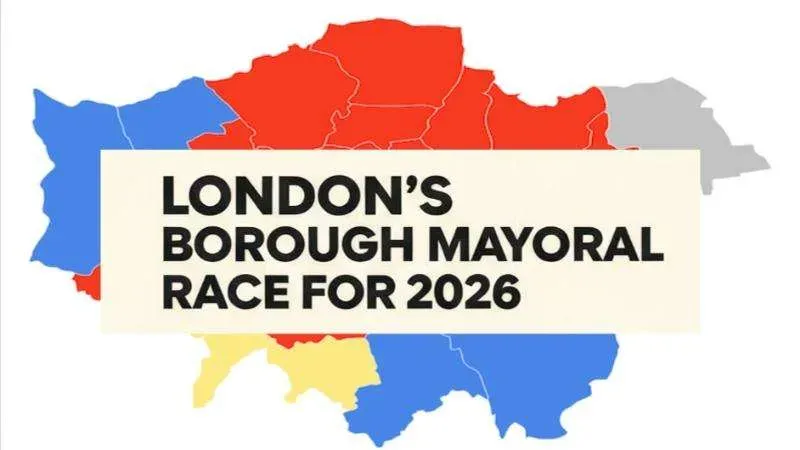
As Londoners prepare for the pivotal London borough elections 2026, the atmosphere is charged with anticipation for the upcoming local government races. With all 32 boroughs set to elect their councillors and mayors this May, voters will play a crucial role in determining who oversees local services such as schools, libraries, and waste collection across the capital. The 2026 elections come on the heels of the Labour Party’s significant triumph in 2022, igniting competition with other parties, including the Conservatives and the rising Green Party. As the political landscape evolves, issues impacting daily life—such as transport changes driven by remote working and the ongoing ramifications of the pandemic—will undoubtedly influence voters’ decisions. With a staggering £12 billion budget at stake, the outcomes of these elections will shape the future of London for years to come.
As the city gears up for the upcoming local council elections in May 2026, the focus will be on who will lead the various boroughs of London. Voters will have the power to appoint councillors and mayors responsible for vital local governance, affecting essential services from education to community safety. The recent electoral victories by political parties such as Labour have set the stage for an intriguing battle, particularly against challengers like the Conservatives and Greens. This election comes during a transforming period for London, where the impact of remote work, economic recovery efforts, and funding challenges are at the forefront of public discourse. As the 2026 elections approach, local issues intertwined with national sentiment will influence how Londoners cast their votes.
Overview of the 2026 London Borough Elections
The 2026 London borough elections are poised to be a significant event as voters prepare to determine the management of London’s 32 boroughs. Following the extensive transformations since the last elections in 2022, the impact of the Covid-19 pandemic continues to shape local governance, with issues such as increased remote working affecting transport and businesses. These elections will not only decide the leadership of councils but also how essential local services such as schools and libraries will be managed in the coming years.
With the backdrop of a £12 billion annual budget that councils manage, the outcome of the elections will greatly influence local policies. Each borough’s election results will reflect the continuing power struggle primarily between the Labour Party and the Conservatives, with smaller parties like the Greens and Reform UK increasingly attempting to capture voter support. Voter engagement will be crucial in shaping the future direction of local governance, particularly as issues related to funding and resource allocation are front and center.
Impact of Recent Political Trends on London Local Elections
The political landscape heading into the 2026 elections is markedly different from years past, particularly following Labour’s significant stronghold in the 2022 elections where they bagged 1,128 seats. This victory was a clear indicator of the party’s dominance across London’s boroughs, but recent efforts by emerging political forces may alter traditional voting patterns. The Green Party, aiming to position themselves as a viable alternative, and Reform UK, under Nigel Farage’s leadership, plan to capitalize on growing discontent with mainstream parties.
The increasing support for these parties indicates that voters in 2026 may not solely focus on traditional party loyalties, but instead express their views on broader issues such as environmental policies and national governance. The competition will be fierce as these parties look to challenge Labour’s hold on power, especially in boroughs where political dynamics are already shifting due to changes in demographics and service demand.
The Role of Councils in Local Governance
London councils play a crucial role in overseeing local services, from waste collection to libraries. Each council consists of elected members who make decisions on behalf of their constituents, with leadership often being appointed from the highest number of seats won. The significant budget managed by these councils necessitates careful financial planning, especially given the increasing demand for services amidst shrinking government support. Local elections, including the upcoming 2026 borough elections, will determine how effectively councils can respond to these challenges.
The complexity of local governance is often compounded by political maneuvering, where councils must balance service delivery with fiscal responsibility. With ongoing discussions about council tax increases and funding cuts, the ability of councils to maintain balanced budgets while addressing the needs of their communities will be a topic of contention in campaigns leading up to the elections.
Financial Challenges Facing London Boroughs
Boroughs across London are bracing for significant financial challenges as they face an estimated collective budget shortfall of £4.7 billion by 2029. This is compounded by a history of funding cuts from the central government, which has decreased financial support by 28% per Londoner since 2010. With the population growing and demand for services increasing, boroughs now find themselves needing to make critical decisions about their budgets and resources.
The upcoming 2026 elections will be a pivotal moment for addressing these budgetary constraints. Candidates will have to articulate clear solutions for funding local services while managing community expectations during their campaigns. Discussions around council tax increases are likely to be particularly contentious, as voters must weigh their support for increased funding against potential higher taxes.
Changing Dynamics of Voter Engagement in Borough Elections
Voter engagement remains a crucial factor in the success of any political party during local elections. As we approach the 2026 borough elections, various factors, including the rise of new political parties, could influence how residents interact with the polls. The impact of the Covid-19 pandemic on community life has led to different priorities among voters, prompting parties to adapt their messaging to resonate with contemporary issues affecting Londoners, such as housing and environmental concerns.
Additionally, with the increasing presence of social media and online platforms for campaigning, engaging younger voters is more critical than ever. The ability of parties to reach out and connect with constituents on issues they care about could determine their success in the borough elections. As 2026 approaches, the extent of voter turnout and engagement is likely to play a pivotal role in shaping the occupancy of London’s borough councils.
The Influence of National Politics on Local Elections
The interplay between national politics and local governance is an ever-present factor in London elections. As voters prepare to head to the ballots for the May 2026 elections, many are likely to consider how parliamentary performance influences their decisions at the local level. Issues such as funding, social policies, and even crises like the handling of the Covid-19 pandemic can sway public opinion, making elections more than just about local council performance.
Candidates will have to navigate this landscape carefully, balancing local initiatives while addressing how broader national policies affect their boroughs. It’s essential for parties to highlight their local commitments while also positioning themselves in relation to national issues, ensuring they resonate with the electorate’s sentiments ahead of the May 2026 elections.
Councillor Selection and Party Control in Boroughs
In London’s boroughs, the process of selecting councillors plays a crucial role in determining which party holds power. The upcoming 2026 elections will not only see the election of councillors but will also reflect broader shifts within party politics at the local level. The Labour Party’s dominance in councils, particularly in 2022, showcases how critical these opportunities are for establishing control over local governance.
The selection process allows parties to strategize effectively about whom they field in different boroughs, aiming to maximize their chances of winning seats. The dynamics of party control mean that emerging parties like the Greens and Reform UK must also consider local alliances and voter demographics to create a comprehensive approach that addresses the concerns of local residents ahead of the elections in 2026.
Councils and Community Services: A Vital Connection
The relationship between councils and the community they serve is vital for effective governance. Local elections, such as the upcoming 2026 contests, emphasize the importance of representation in managing services that directly affect residents. Councils oversee critical factors like education, social care, and public safety, meaning that elected councillors have a direct impact on the quality of life in their boroughs.
As campaigns unfold, how candidates approach community engagement, service management, and funding issues will be central to their platforms. Voters will be looking for proactive plans and accountability, especially given the funding challenges highlighted by borough councils. Candidates not only need to communicate their party’s vision for service delivery but also effectively connect with constituents to build trust and secure votes in the upcoming elections.
Major Policy Issues for the 2026 London Borough Elections
As the 2026 London borough elections approach, several policy issues are expected to dominate the discourse among candidates and parties. Candidates will need to craft positions on critical areas such as housing, waste management, and public transport, which are directly tied to residents’ everyday lives. Given the backdrop of financial constraints, these policies are not just aspirational but are essential for maintaining community standards.
The Labour Party’s previous control has established a framework within which these issues must be discussed, but upcoming rivals may present alternative visions and practical solutions. It’s imperative for candidates to engage meaningfully with these topics, offering clear, actionable proposals to address the challenges facing their boroughs by the time voters head to the polls in May 2026.
Frequently Asked Questions
What are the London borough elections 2026 and how do they impact local governance?
The London borough elections 2026 will determine the councillors and mayors for all 32 London boroughs. These elections are crucial as they dictate local governance on essential services like schools, libraries, and waste management. With a budget exceeding £12 billion handled by councils, the elections will shape the future direction of local policies and initiatives.
How will the 2026 elections for London boroughs differ from previous local elections?
The 2026 elections for the London boroughs will differ due to the changing political landscape, including the rise of parties like the Greens and Reform UK, which could influence voting patterns. Furthermore, following significant victories for the Labour Party in 2022, the council elections may reflect shifts in public sentiment regarding local governance, especially in the context of financial challenges faced by boroughs.
What is the significance of the Labour Party elections in the 2026 London council elections?
The significance of the Labour Party elections in the 2026 London council elections lies in their previous strong performance, capturing 1,128 seats in 2022. With a substantial budget shortfall looming, Labour’s policies and strategies in the upcoming elections will be closely scrutinized as they aim to maintain control and address critical service needs across London.
How might changes in local financing affect the 2026 elections in London boroughs?
Changes in local financing, particularly cuts to central government grants, will significantly impact the 2026 elections in London boroughs. These financial constraints may lead to higher council tax proposals, influencing voter decisions as councils grapple with substantial budget shortfalls and are compelled to address essential service impacts.
What role do direct mayoral elections play in the London borough elections 2026?
Direct mayoral elections in boroughs like Tower Hamlets, Hackney, and Lewisham allow voters to choose a mayor responsible for council services directly. These elections are pivotal for local governance in the London borough elections 2026 as mayors can significantly affect local policies and decision-making processes, particularly in a challenging financial climate.
How will emerging political parties affect the outcome of the London borough elections 2026?
Emerging political parties, especially the Greens and Reform UK, could significantly impact the outcome of the London borough elections 2026 by potentially siphoning votes from traditional parties like Labour and the Conservatives. Their ability to present credible alternatives and address voter concerns about local services will be crucial in determining their success in these elections.
When are the London borough elections 2026 scheduled to take place?
The London borough elections are scheduled to take place in May 2026. During this period, voters across all 32 London boroughs will head to the polls to elect councillors and directly elected mayors, a vital process that influences local governance.
What services will local councils be responsible for after the 2026 London borough elections?
After the 2026 London borough elections, local councils will be responsible for managing crucial services such as educational facilities, public libraries, waste collection, and community development. These responsibilities underline the importance of the election outcomes for everyday life in London.
How does the financial shortfall impact the platform of candidates in the 2026 London borough elections?
The estimated financial shortfall of £4.7 billion facing London boroughs will likely shape the platforms of candidates in the 2026 elections. Candidates will need to address issues like council tax increases, service reductions, and funding, which could significantly influence voter priorities and decisions.
What challenges do London boroughs face leading into the 2026 elections?
London boroughs face numerous challenges leading into the 2026 elections, including budget shortfalls, potential council tax increases due to reduced funding from the government, and the ongoing impact of the Covid-19 pandemic on local services and economies. These factors will heavily influence campaigns and voter sentiments.
| Key Points |
|---|
| In May 2026, elections for all 32 London boroughs will occur. |
| The Labour Party won a decisive victory in 2022, securing 1,128 seats and controlling 21 councils. |
| The Conservatives secured 508 seats, maintaining control in key boroughs and gaining Harrow from Labour. |
| The Liberal Democrats won 152 seats, keeping control in certain boroughs. |
| The Green Party won 11 seats and seeks more influence in the upcoming elections. |
| London boroughs manage services like schools, libraries, and waste collection with a budget exceeding £12 billion. |
| Emerging parties, Reform UK and the Green Party, may change the voting dynamics in London. |
| Funding for London’s councils has decreased, with a projected budget shortfall of £4.7 billion by 2029. |
| If council tax rises exceed 5%, a local referendum is required. |
| Council tax increases are expected to be major themes in the campaigns leading up to the elections. |
Summary
The London borough elections 2026 are set to be a pivotal moment for local governance, with voters tasked with deciding who will oversee essential services and manage an increasingly challenging financial landscape. As the impact of the previous elections, particularly the substantial Labour victory in 2022, continues to affect the political dynamics, different parties will vie for control amidst tighter budgets and funding challenges. This election not only addresses immediate local governance needs but also reflects broader national sentiments, as issues like council tax increases and essential services like waste management and housing come to the forefront of campaign strategies.