
Listen to this article
Locksmith scams have become alarmingly prevalent, leaving unsuspecting consumers vulnerable to overcharging locksmiths and unethical practices. A recent BBC investigation highlighted the insidious nature of these scams, most notably bait-and-switch tactics that lure customers in with enticingly low quotes. Take, for example, an elderly couple who expected to pay a modest fee of £49 but were instead hit with a staggering bill of £2,802 from 24/7 Locksmiths UK. This shocking revelation sheds light on common locksmith complaints and the importance of being vigilant when hiring a locksmith. To empower homeowners with essential emergency locksmith tips, understanding how to avoid locksmith scams is crucial in protecting oneself from becoming a victim of financial exploitation.
In today’s world, the threat of locksmith fraud is a significant concern for many individuals seeking security solutions. These deceptive practices, often referred to as lock manipulation schemes, involve unprofessional operators who exploit the desperation of clients in need of immediate assistance. The alarming rise in misleading pricing strategies has led to a surge in locksmith-related grievances and safety threats for homeowners. To navigate this risky landscape, it’s important for consumers to arm themselves with knowledge about reliable service providers and practical strategies for safeguarding against dishonest locksmiths. By educating yourself on effective approaches to identify and avoid locksmith cons, you can ensure that you’re making informed decisions while securing your home.
Understanding Locksmith Scams: A Growing Concern
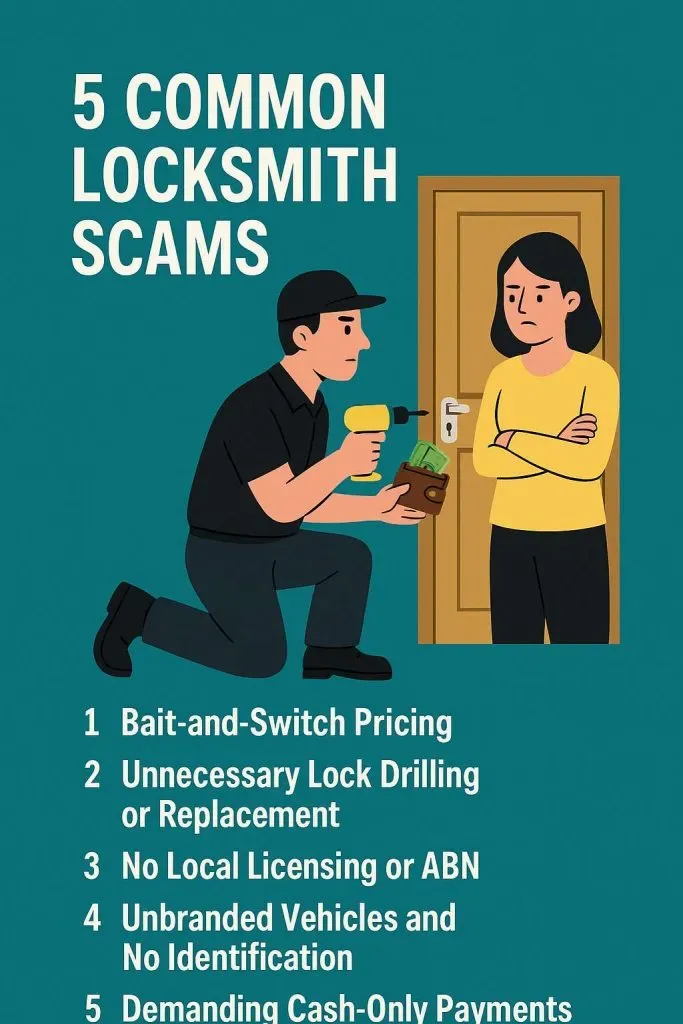
Locksmith scams have increasingly become a pressing issue for homeowners and renters alike. With numerous reports surfacing, it is essential to understand the common deceptive practices that rogue locksmiths employ. One prevalent tactic is the ‘bait-and-switch’ scam, whereby consumers are lured in by an enticingly low price, only to be hit with hidden fees and outrageous quotes once the service is underway. This manipulative behavior can lead to bills that escalate to ten times the initially quoted amount, as was the case with a certain London locksmith who quoted £40 only to bill £2,802 after the work was completed.
Victims of these scams often find themselves in dire situations, caught between urgency and the unsuspecting nature of the service provider. As seen in the alarming story shared by many, elderly clients Maureen and Eric Reynolds faced a similar plight when they were quoted £49 for a straightforward lockout but were instead faced with a staggering bill for unnecessary work. This instance exemplifies the harsh reality that many face when they inadvertently hire locksmiths that do not follow ethical practices—they end up paying far more than initially anticipated.
Bait-and-Switch Scams: What You Need to Know
The infamous bait-and-switch strategy employed by some locksmiths is causing significant distress among consumers. This fraudulent tactic involves advertising a low service charge only to manipulate the client into paying substantially more once they arrive. By hiding fees and performing unnecessary services, these dishonest locksmiths can turn a simple lockout into a financial nightmare. Tragically, those who are not well-informed about locksmith services may fall prey to such misleading practices, often at a vulnerable moment when they desperately need assistance.
Adopting preventative measures is crucial for avoiding bait-and-switch scams. As suggested by experts, potential customers should always request a written estimate before any work is done. Additionally, confirming that the locksmith is a member of a recognized trade association, like the Master Locksmiths Association (MLA), can lend some assurance that you are dealing with a trustworthy professional. By being vigilant and proactive, consumers can avoid falling victim to these deceptive practices.
How to Avoid Locksmith Scams: Essential Tips
Avoiding locksmith scams requires a proactive approach and a little groundwork. Before you find yourself in a lockout emergency, it’s wise to research local locksmiths and maintain a list of reputable, professional services. This can save you valuable time and reduce the chance of falling for dishonest operators. One useful recommendation is to seek locksmiths that are MLA-approved. Such professionals adhere to industry standards and are typically more reliable.
Moreover, if you ever find yourself in need of a locksmith, ensure that you obtain a transparent quote upfront and inquire about potential additional costs. It is also beneficial to ask if an estimate can be provided based on the specific situation, as complications can sometimes arise that may necessitate additional charges. Being an informed consumer can help you sidestep many of the potential pitfalls associated with locksmith scams.
Emergency Locksmith Tips: What to Consider
When faced with an emergency requiring locksmith services, immediate action may cloud your judgment, making you susceptible to scams. Therefore, having a plan in place is crucial to ensure you don’t hastily choose a service that could inflate costs dramatically. Always look for recommendations from trusted sources before an emergency arises, and save the contact information of local locksmiths who have a proven track record of honesty and efficiency. Keeping this information handy can prevent you from resorting to searching online—which is often where bad actors thrive.
In emergencies, also remember to ask critical questions, such as ‘What is the estimate for the service?’ and ‘Are there any other fees I should be aware of?’ Being diligent can help you avoid blind spots in understanding the costs involved during the service. Moreover, be cautious when the locksmith arrives; if things seem off or the costs appear significantly higher than quoted, do not hesitate to walk away and seek another opinion. Your safety and your finances are worth the extra time.
Recognizing Signs of Overcharging Locksmiths
Recognizing signs of overcharging can save you from potential scams. One of the most critical red flags is when a locksmith insists on a significantly higher charge than the initial estimate without clear justification. This may happen when they arrive at the job and inform you of additional repairs needed on-site, which can lead to an exorbitant bill. In situations resembling that of the Reynolds couple, scrutiny is essential; don’t be afraid to question the necessity of the work being proposed.
Additionally, watch for poor communication practices. Scammers often lack transparency and clarity when explaining their processes and pricing. If a locksmith does not provide clear answers to your questions or becomes evasive about costs, consider this a warning sign. It’s vital to remember that reputable locksmiths will walk you through the work needed without resorting to pressure tactics or vague terms, ensuring you have a thorough understanding of your options.
Locksmith Complaints: Addressing Consumer Concerns
The increase in locksmith complaints highlights the urgent need for consumers to be aware of potential scams. Reports of overcharging and inadequate service are on the rise, leading to frustration and distrust towards locksmith companies. Complaints often center around deceptive pricing models, where the final cost varies drastically from the initial quote, leading many to feel cheated and misled.
To address these issues, it’s important for consumers to voice their complaints and experiences. Many industry regulators and consumer advocacy groups can help escalate serious cases against untrustworthy locksmiths. Encouraging transparency in the industry by reporting unethical practices can contribute to a collective effort in holding bad actors accountable, ensuring that those operating with integrity remain the preferred choice for consumers.
Locksmith Industry Regulations: What You Should Know
Understanding locksmith industry regulations is crucial for ensuring consumer protection. Many places have implemented licensing rules for locksmith businesses to help consumers differentiate between legitimate providers and those that engage in scams. For example, regulations may require locksmiths to undergo specific training, possess valid identification, and meet safety standards before operating a locksmith service. These measures can protect consumers from being exploited.
As a homeowner or renter, familiarizing yourself with licensing requirements in your locality can assist you in selecting a reliable locksmith. Furthermore, being aware of how the regulatory body monitors complaints and reviews can empower you to make informed choices. Always choose locksmiths who are compliant with local regulations to safeguard against unethical practices.
The Impact of Locksmith Complaints on the Industry
The ripple effects of locksmith complaints extend beyond individual experiences, impacting the perception of the entire industry. As more scams surface, they tarnish the reputation of legitimate locksmith professionals who operate ethically. The increase in dissatisfaction leads consumers to distrust all locksmiths, often resulting in broader skepticism and hesitance toward seeking necessary services, even from reliable professionals.
Moreover, as complaints funnel into consumer advocacy groups and industry regulators, this can prompt stricter oversight and better training programs for locksmiths. Positive changes arise when the industry collectively bands together to address these concerns, ultimately leading to greater protection for consumers and more satisfaction in locksmith services overall.
Best Practices for Hiring a Locksmith
To navigate the locksmith landscape successfully, implementing best practices for hiring is vital. Start by conducting thorough research on potential locksmiths and look for reviews and ratings from previous customers. This can provide invaluable insights into the reliability and service standards of the locksmiths you may consider hiring. Additionally, seeking out recommendations from friends or family can yield trustworthy options based on firsthand experiences.
Also, before hiring, verify that the locksmith you intend to use has proper credentials, including licenses and insurance. This is critical in ensuring that you are hiring someone qualified and who adheres to best practices in the industry. Don’t forget to ask for a detailed, written estimate, so you can compare pricing and services offered without falling victim to unexpected charges when the work is done.
Frequently Asked Questions
What are common locksmith scams and how can I avoid them?
Common locksmith scams include bait-and-switch scams, where customers are quoted a low price but end up paying much more due to hidden fees. To avoid these scams, always verify the locksmith’s credentials, get a written estimate before work begins, and do not hesitate to ask for clarification about any charges.
What should I know about bait-and-switch scams in locksmith services?
Bait-and-switch scams involve enticing customers with a low initial quote, only for the cost to skyrocket once the locksmith arrives. To protect yourself, ensure that the price is confirmed in writing and request documentation of how any increase in costs is justified.
How can I recognize overcharging locksmiths?
Overcharging locksmiths often provide an unusually low initial quote that increases significantly during service. If the final bill seems excessive compared to typical locksmith rates, it may be a sign of a scam. Always consult multiple locksmiths for estimates prior to making a decision.
What are some emergency locksmith tips to avoid scams?
To avoid locksmith scams in emergencies, keep a list of local, licensed locksmiths handy. Read reviews and confirm their physical address and phone number before calling. Ask for a price estimate over the phone and ensure it matches the final bill before any work begins.
Are locksmith complaints common and how can I report them?
Yes, locksmith complaints about overcharging and poor service are common. If you’ve experienced a scam, report it to your local consumer protection agency and consider reaching out to organizations like the Master Locksmiths Association for guidance on dealing with dishonest practices.
| Key Point | Details |
|---|---|
| Investigation by BBC | BBC investigated 24/7 Locksmiths UK for excessive charging and hidden fees. |
| Bait-and-Switch Tactics | Customers are initially quoted low prices but face higher charges once the locksmith arrives. |
| Case of Maureen and Eric Reynolds | Initially quoted £49, charged £2,802 for subpar work that required further repairs. |
| Lack of Response from Locksmith | The company has not commented on the investigation and appears to have removed its website. |
| Expert Opinion | Locksmith expert Lloyd Morgan demonstrated how quickly a trained locksmith can open locks without damaging them. |
| Increasing Complaints | Complaints about suspected overcharging in locksmith services have risen significantly according to the MLA. |
| Advice from MLA | Consumers are advised to save contact info for trusted local locksmiths to avoid scams. |
Summary
Locksmith scams have become a prevalent issue, as highlighted by a recent BBC investigation into 24/7 Locksmiths UK. This report shows how unsuspecting customers can be lured in by low initial quotes, only to face exorbitant charges and poor workmanship. Individuals like Maureen and Eric Reynolds have reported being charged nearly £2,800 for what should have been a simple fix. It’s crucial for consumers to be aware of these tactics and seek trustworthy, vetted locksmiths to avoid falling victim to such scams.