
Listen to this article
Local Housing Allowance (LHA) plays a critical role in supporting individuals facing the harsh realities of rising rent challenges, especially for those with unique circumstances, such as spinal injuries. For many renters, including those like Steve Michelides, the allowance is designed to ease the financial burden of the private rented sector by covering part of their housing costs. However, with a significant housing shortfall and the LHA frozen for years, recipients often find themselves struggling to meet their monthly rent obligations. The case of Mr. Michelides, who endures a £450 rent gap despite receiving assistance, highlights the urgent need for reforms to prevent homelessness and promote better support for vulnerable renters. As government plans for building new homes evolve, the question remains whether the LHA will adapt to effectively tackle the ongoing housing crisis and provide sustainable solutions for those in need.
The Local Housing Allowance, also known as housing benefit for private renters, is a crucial financial aid designed to assist those grappling with the challenges of affording suitable accommodation. In the context of increasing rental prices and a scarcity of affordable housing, this funding mechanism is vital for individuals who are unable to work due to personal circumstances, like severe spinal injuries from accidents. Many beneficiaries find themselves in precarious situations where their allowance falls short, exacerbating issues of housing instability and potential homelessness. Amid these conditions, discussions surrounding the adjustment of LHA are becoming increasingly critical, as stakeholders advocate for enhanced support mechanisms to bridge the gap created by rising living costs. Addressing these concerns effectively is essential to foster a more robust safety net for vulnerable populations within the housing market.
Understanding Local Housing Allowance and Its Limitations
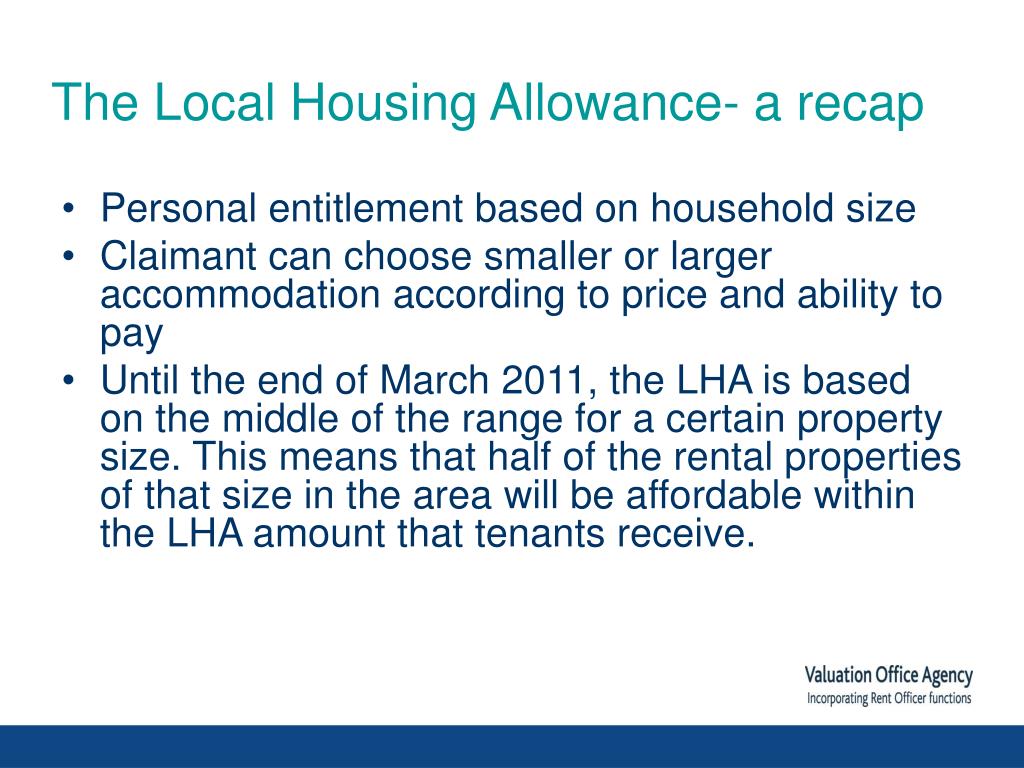
Local Housing Allowance (LHA) was introduced as a means to support renters in the private sector by covering a portion of their housing costs. However, despite its intention, the allowance has faced criticism due to its inadequacy in the face of soaring rent prices. For individuals like Steve Michelides, who had a severe spinal injury and cannot work, the LHA appears insufficient, particularly as it has been periodically frozen, failing to adjust to the rising costs in the housing market. The allowance is supposed to cover the cheapest third of properties in an area, yet as rents continue to climb, more and more individuals are left to cover substantial shortfalls out of their own pockets.
Moreover, the impact of the LHA freeze extends beyond individual struggles; it contributes to a wider housing crisis. As Mr. Michelides’s case illustrates, the disconnect between housing costs and rental assistance can lead to increased instances of homelessness. The reliance on benefits becomes strained, particularly for those like Mr. Michelides who face substantial physical or financial challenges. Without timely adjustments to the Local Housing Allowance, the pressure on the already fragile housing market is likely to continue escalating.
Housing charities are advocating for a review and potential increase in the Local Housing Allowance to help mitigate the growing housing shortfall. As the costs of living rise, there’s an urgent need for government policies that adapt to the financial realities faced by renters in the private sector. The instability caused by rent freezes not only affects individuals but also strains local authority resources, which are already stretched thin. Experts argue that lifting the freeze could provide immediate relief and support homelessness prevention programs, as the financial disparity between what is offered by LHA versus actual housing expenses worsens daily.
The Rising Rent Challenges and Their Impact on Individuals
In recent years, escalating rent prices have become a critical issue for many, particularly for vulnerable populations. The rising rent challenges present a barrier for individuals seeking affordable housing options. For those dependent on Local Housing Allowance, like Mr. Michelides, these challenges translate into significant monthly shortfalls that are unsustainable. As rents increase faster than benefits can adjust, many find themselves trapped in a cycle of financial strain, often leading to the risk of eviction and homelessness. With the increased cost of housing, figures indicate that many families are now living on the edge, unable to secure stable housing.
Additionally, the lack of adequate support for tenants in the private rented sector exacerbates the issue. Rising rents coupled with stagnant benefits pressure individuals to pursue alternative solutions, such as overcrowded living arrangements or inadequate dwellings just to cope with the financial burden. This not only affects their quality of life but also poses significant mental and emotional stress. Recent studies have shown that the inability to manage housing costs directly correlates with worsened health outcomes, making the case for urgent intervention even stronger.
Homelessness Prevention Strategies and Local Housing Policy
The connection between financial support policies and homelessness prevention cannot be overlooked. Experts like Sam Thomas from Z2K emphasize that a significant step towards alleviating homelessness is lifting the freeze on Local Housing Allowance. Past trends suggest that adjustments in LHA can lead to a tangible decrease in homelessness rates, illustrating the direct link between policy effectiveness and the well-being of individuals reliant on such support. As the government gears up to tackle the rising housing challenges, it remains crucial to ensure that policies are not only well-designed but also flexible enough to adapt to changing economic conditions.
Moreover, homelessness prevention strategies must encompass a comprehensive approach that addresses housing shortages while also improving the financial support landscape for renters. Local councils and housing charities have called for urgent policy changes that reflect the current economic climate and increasing rental burdens. With the mounting evidence of how financial stability impacts homelessness rates, policy reform becomes imperative not just for individual cases but for the community as a whole. The case of Mr. Michelides serves as a poignant reminder of the need for a more supportive framework that can prevent homelessness and provide stability to those affected by rising rent challenges.
The Role of Local Authorities in Housing Support
Local authorities play a critical role in administering housing support and managing social services that affect community stability. However, the ongoing freeze on Local Housing Allowance has placed considerable strain on these agencies, forcing them to stretch their resources thinner each year. As Jonathan Carr-West noted, local governments currently face a funding gap that exceeds £700 million annually just to subsidize temporary housing for those in urgent need. This shortfall not only impacts their ability to assist temporarily housed individuals but also reduces the funds available for other essential services within the community.
Additionally, as local councils grapple with this financial burden, they must also strategize ways to effectively allocate limited resources to prevent homelessness. Refocusing funding towards sustainable housing solutions and support services is essential, especially when facing the impending crises of housing shortages. Community engagement and collaboration between local authorities and housing organizations become vital in revitalizing rental assistance programs while ensuring the interests of vulnerable populations are prioritized.
Advocacy for Housing Policy Changes
The demand for change in housing policy has garnered significant attention from advocacy groups and housing charities alike. With the ongoing plight of individuals like Steve Michelides, advocates are lobbying for reforms that would see an increase in Local Housing Allowance to reflect current living conditions. They stress that without such changes, many individuals will continue to face severe financial hardship and instability, pushing them further into the margins of society. As the call for action grows, it’s essential for policymakers to recognize the urgency of the situation and implement equitable policies to support those in need.
Furthermore, the advocacy for housing policy reform underscores the importance of transparent communication between government bodies and the communities they serve. Building awareness around the challenges faced by low-income renters can foster a more informed public discourse, ultimately leading to more effective solutions. Collaborative efforts between agencies, community groups, and individuals are crucial in creating a robust framework that not only addresses current issues but also anticipates future needs in the housing sector.
Innovations in Support for Individuals with Disabilities
For individuals like Mr. Michelides who contend with disabilities due to spinal injuries, the need for specialized support systems is paramount. Innovations in housing policies could provide tailored solutions that not only address financial shortfalls but also focus on accessibility and suitability of living spaces. This includes adapting housing standards to meet the requirements of disabled individuals while still remaining affordable. By integrating more comprehensive support features into housing policies, the government can create environments that empower individuals with disabilities, fostering independence and dignity.
Additionally, as housing charities explore innovative ways to cater to the needs of disabled tenants, the importance of inclusive design in housing cannot be overstated. Ensuring that properties are fitted with necessary adaptations can significantly improve the quality of life for those facing physical challenges. Programs that facilitate access to appropriate housing, alongside financial support mechanisms like an adjusted Local Housing Allowance, create a more robust safety net for individuals who require additional assistance due to their health conditions.
Long-term Solutions to the Housing Crisis
Addressing the long-term solutions to the housing crisis necessitates a multi-faceted approach that encompasses policy reform, investment in construction, and a strong commitment to social housing. The government’s pledge to build 1.5 million homes, alongside investment in homelessness services, is a step in the right direction. However, for sustainable change to occur, there needs to be a focus on ensuring these homes are affordable and accessible to all income levels, particularly the most vulnerable who rely on housing benefits like LHA. Continuous monitoring and adjusting benefit levels according to housing market changes will also be critical in making headway against the housing crisis.
In tandem, local governments must engage with community voices to ensure that housing developments meet local needs and contribute to overall stability. By fostering partnerships between public and private sectors, along with community stakeholders, a more holistic and resource-efficient approach to housing can emerge. This collaborative ethos will also be vital in integrating homelessness prevention strategies into everyday policy planning, ultimately creating a safe and supportive environment for those struggling with housing insecurity.
The Importance of Community Support Systems
Community support systems are invaluable for individuals facing housing challenges, particularly those with disabilities and financial constraints. Programs designed to bridge the gap between financial assistance and personal capabilities are essential in fostering independence. Organizations and charities play a crucial role in connecting individuals with the resources they need, from financial advice to mental health support. This holistic approach not only paves the way for more stable housing situations but also empowers individuals to reclaim ownership of their lives, even amid financial hardship.
Moreover, community support networks help advocate for systemic changes by highlighting the real-life implications of housing policies on individuals and families. Engaging the community in discussions around housing can lead to increased awareness and advocacy efforts that demand equitable changes in local housing laws. As people come together to share experiences and solutions, a united front emerges, amplifying voices that call for policies that prioritize the needs of vulnerable populations, ultimately driving meaningful systemic change.
Future Directions for Affordable Housing Initiatives
The future of affordable housing initiatives depends heavily on the willingness of government entities to adapt policies that reflect the changing landscape of housing needs. As demonstrated through the experiences of individuals like Mr. Michelides, the challenges presented by insufficient Local Housing Allowance and escalating rents underscore an urgent need for reform. Policymakers must prioritize affordable housing as central to their agendas to ensure that communities remain vibrant and economically viable. This includes creating long-term strategies that not only build new homes but also rehabilitate existing structures to keep them affordable for generations.
In addition to government action, collaboration with private developers who prioritize affordability in their projects will be vital for expanding housing stock. Future strategies must embrace innovative approaches like community land trusts and cooperative housing models that remove market pressures and provide lasting affordability. Engaging with communities to co-create housing solutions also fosters a sense of ownership and investment in local developments, leading to a proactive community approach towards housing sustainability.
Frequently Asked Questions
What is the Local Housing Allowance and how does it relate to rising rent challenges?
The Local Housing Allowance (LHA) is a form of housing benefit designed to help cover rent costs for low-income renters in the private sector. However, with rising rent challenges, many individuals, like Mr. Steve Michelides, find that the LHA does not sufficiently cover their rent, leading to significant shortfalls each month.
How does Local Housing Allowance impact homelessness prevention efforts?
Local Housing Allowance plays a crucial role in homelessness prevention by providing financial support for renters. Unfortunately, the long-term freeze of the LHA has made it difficult for many to afford private rented sector housing, thereby increasing the risk of homelessness for vulnerable individuals.
Can Local Housing Allowance support those with spinal injuries like Mr. Michelides?
Yes, Local Housing Allowance can support individuals with disabilities, including those with spinal injuries like Mr. Michelides. However, rising rent costs often create a gap between the allowance and actual rent, leaving individuals facing a housing shortfall.
Why has the Local Housing Allowance not kept up with the housing shortfall?
The Local Housing Allowance has not kept up with the housing shortfall due to years of freezing the allowance rates, which prevents them from adjusting in line with increasing rents in the private rented sector.
What steps are being taken to address the issues with Local Housing Allowance?
To address the issues surrounding Local Housing Allowance and rising rents, housing charities and local councils are advocating for lifting the freeze on LHA in upcoming budgets, recognizing its impact on homelessness prevention.
What are the implications of Local Housing Allowance freeze for local authorities?
The freeze on Local Housing Allowance has severe implications for local authorities, forcing them to cover vast shortfalls in housing support, which diverts funds away from other essential services.
How has the housing policy changed since the LHA freeze was lifted in 2023?
Since the Local Housing Allowance freeze was lifted in 2023, there has been a measurable decrease in homelessness rates, indicating that adjusting LHA rates can be beneficial in mitigating the housing crisis.
What challenges do private renters face due to the Local Housing Allowance limitations?
Private renters face significant challenges due to Local Housing Allowance limitations, as it only covers the cheapest third of available properties, which may not be adequate given the rising rents and housing shortages.
What kind of support can individuals expect from the Local Housing Allowance?
Individuals can expect Local Housing Allowance to provide some financial assistance towards their rental costs, but those facing substantial rent increases may still experience a shortfall, as seen with many beneficiaries like Mr. Michelides.
How do government initiatives impact Local Housing Allowance and housing affordability?
Government initiatives aimed at tackling housing shortages and increasing affordable housing can positively impact Local Housing Allowance by potentially increasing support and aligning it more closely with current market rents.
| Key Point | Details |
|---|---|
| Rent Shortfall | Steve Michelides faces a £450 rent shortfall each month despite receiving Local Housing Allowance. |
| Background | Mr. Michelides is unable to work due to a car accident 18 years ago, resulting in severe spinal injuries. |
| Current Living Situation | He lives alone in a privately rented flat in Thornton Heath, south London. |
| Impact of Rising Rents | Local Housing Allowance has been frozen for years, failing to cover rising rental costs. |
| Government Response | The government claims to be addressing rising rents but has not adjusted the Local Housing Allowance. |
| Homelessness and Local Authorities | The freeze on Local Housing Allowance has contributed to homelessness and financial strain on local authorities. |
| Statements from Experts | Experts argue that lifting the freeze could reduce homelessness and alleviate financial pressures. |
Summary
Local Housing Allowance plays a critical role in supporting individuals like Steve Michelides, who struggle to make ends meet due to rising rental costs. Despite receiving this allowance, Steve faces a significant monthly shortfall that highlights the inadequacy of the current scheme, primarily due to years of frozen rates that do not reflect market realities. The continued freeze on Local Housing Allowance is not only detrimental to individuals dependent on it but also exacerbates the homelessness crisis, placing additional financial burdens on local authorities. Addressing these issues through policy reform could significantly improve the living conditions for many vulnerable renters.