
Listen to this article
Local government funding England has taken center stage in recent discussions about council budgets and their effects on community welfare. Recently announced funding reforms aim to redirect resources towards some of the most deprived urban areas, addressing pressing social needs through targeted financial support. However, this initiative has sparked debate over the disparity in funding for rural versus urban councils, with perceptions of inequity lingering among local authority finance leaders. Critics argue that the new system disproportionately benefits affluent regions while leaving many struggling communities in a precarious financial situation, intensifying the need for deprivation funding. As local councils grapple with balancing their budgets, the ramifications of these funding changes are expected to echo throughout the coming years, impacting essential services such as libraries and youth programs across England.
The recent shift in financial allocations for local administrations in England has brought much attention to community funding strategies and their implications. By focusing on council financing, particularly in areas grappling with severe socio-economic challenges, this new initiative aims to create a more equitable distribution of resources. However, the conversation around funding varies dramatically between urban and rural contexts, highlighting the complexities of local governance. The financial landscape for local authorities is heavily influenced by factors like deprivation funding and social service needs, where some councils feel the pinch more than others. As stakeholders continue to analyze the evolving local authority finance dynamics, the quest for balance in resource allocation remains a significant concern within the public sector.
Understanding Local Government Funding in England
Local government funding in England has long been a contentious issue, with various administrations attempting to find a balanced approach to resource distribution. The most recent funding settlement highlights a growing divide between urban areas with pressing social needs and more affluent rural councils. Specifically, councils in cities that have historically struggled with deprivation, such as Birmingham and Manchester, are receiving much-needed financial boosts, however, this directly contrasts with a reduction in support to richer regions, particularly in the southeast. This shifting landscape raises questions about the effectiveness of the current funding model, especially for London’s suburbs which are emerging as unexpected beneficiaries.
The ongoing debate around local government finance is further complicated by the recognition that council budgets must cater to a diverse set of needs. Authorities face pressures not just from ongoing operational expenses but also from specific social needs funding aimed at addressing issues like housing and community services. As funding formulas evolve, local authorities stress the importance of equitably addressing both urban and rural council needs without placing an undue burden on any particular region, a challenge that is becoming increasingly vital to tackle.
The Impact of Council Budgets on Local Communities
The recent announcement of increased council budgets intended for deprived areas aims to restore vital community services that have seen cuts over the past decade. Initiatives to rejuvenate libraries, youth services, and community hubs are crucial for fostering social cohesion and addressing deprivation across urban enclaves. This revitalization emerges from a recognition of the critical role local authorities play in improving the quality of life for residents, particularly in economically challenged neighborhoods. Despite the promise of increased funding, however, many councils express concern that the allocated amounts may still fall short of addressing all the pressing social needs.
Moreover, the funding structure’s ramifications extend beyond urban councils alone, affecting rural areas that have historically struggled for recognition. Although some councils led by the Reform party stand to gain from the new distributions, there remains significant uncertainty on how these budgets will fill the gaps left by previous austerity measures. As local leaders navigate a landscape of financial pressure, the impact on council budgets will shape the support systems that communities rely on, highlighting the critical nature of transitioning to a sustainable funding model that accommodates all constituencies.
Urban vs Rural Funding Dynamics
The disparity in funding between urban and rural councils has sparked a significant conversation about the fairness of resource allocation in England. Urban centers, facing high levels of deprivation, have found a new ally in social needs funding, which aims to address pressing issues ranging from homelessness to access to education services. As funding boosts pour into cities like Coventry and Luton, rural councils, traditionally seen as less needy, fear being left behind as urban areas thrive on the promise of increased financial resources. The narrative of what constitutes a ‘needy’ council is shifting, and this calls into question the long-held assumptions about resource distribution.
On the flip side, rural councils, while less populated and facing different challenges, argue that their needs must not be overlooked. The County Councils Network’s criticism of the cherrypicking of resources primarily benefits urban councils, thus jeopardizing the essential services rural areas provide. This tension between urban and rural funding dynamics not only highlights systemic inequalities but also necessitates a reform of the local authority finance framework, ensuring that funding is appropriately aligned with both the demographic challenges and economic realities faced by different communities across England.
Challenges in Council Tax Management
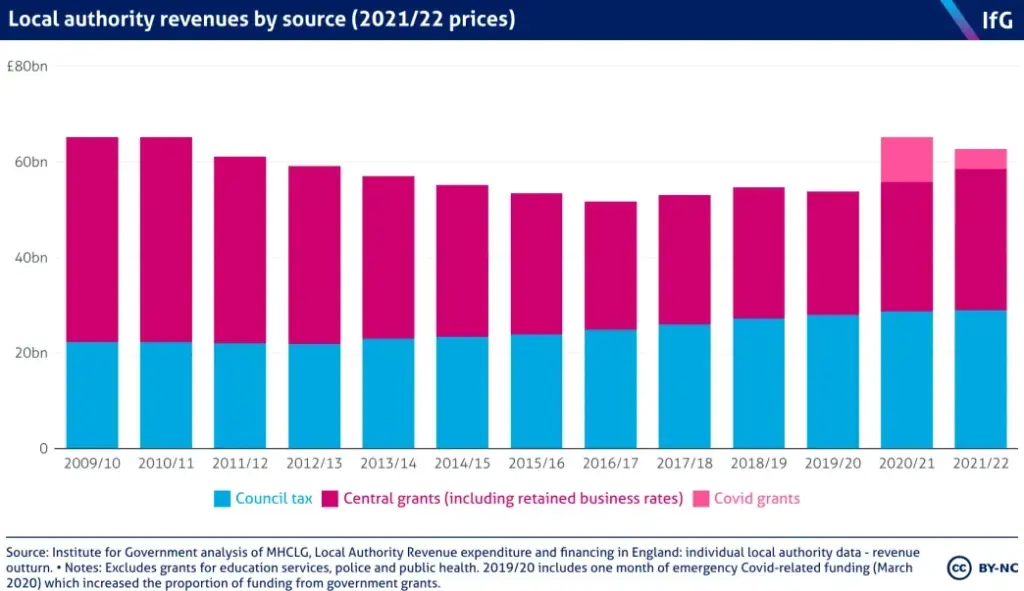
Management of council tax remains a contentious issue amid the evolving funding landscape in England. Councils, particularly those in urban areas, are grappling with the challenge of maximizing their income while providing essential services amid stringent financial constraints. For instance, the new settlement allows certain local authorities to increase council tax beyond the standard cap, a move designed to help affluent councils compensate for lost grant funding. However, critics argue that this could further escalate financial pressures on residents in already high-cost areas, leaving many in difficult positions.
Additionally, the anticipation of increased council tax rates raises concerns about equity and affordability, especially in deprived areas where residents may be suffering from economic hardship. Authorities led by the Reform party, aiming to limit tax increases, face the difficult task of balancing their budget while preserving vital public services. For these councils, the challenge lies in demonstrating financial prudence without sacrificing the quality of services that residents depend upon. Ultimately, how council tax is managed in this climate will have wide-reaching implications for community well-being and local service sustainability.
The Role of Local Authority Finance in Service Delivery
Local authority finance plays a pivotal role in determining the quality and range of public services available to communities across England. As funding boosts target councils with high social needs, it becomes increasingly critical to assess how these resources are allocated and spent. Local authorities are tasked not only with managing restricted budgets but also with ensuring they adequately cater to social services, housing needs, and community wellbeing. The ongoing struggle for budgetary balance amidst growing demands highlights the complexity of fulfilling local government responsibilities.
Moreover, as local authorities grapple with ever-increasing financial demands, the effectiveness of local authority finance systems is under scrutiny. Funding settlements that prioritize urban councils may risk sidelining rural counterparts, emphasizing that a one-size-fits-all model for resource distribution fails to accommodate the unique challenges faced in varied locales. Acknowledging this disparity and advocating for systemic reform that reflects the diverse needs of all councils will be crucial for achieving a fair and comprehensive approach to public service delivery.
Addressing Deprivation Funding Concerns
Deprivation funding is an essential component of local government financing aimed at addressing the most pressing socioeconomic challenges facing communities in need. The recent emphasis on boosting funding for councils in deprived areas is designed to tackle issues such as unemployment, housing instability, and access to vital social services. However, while this funding increase is a step forward, it remains crucial to ensure that these resources reach the intended communities and are effectively utilized to facilitate tangible improvements in quality of life.
The dilemma lies in the fact that historical funding inequalities have often left vulnerable communities without the support they desperately need. Critics of the current funding model argue that truly understanding and addressing deprivation requires more than just financial support; it demands a comprehensive strategy focused on long-term socio-economic development. Balancing immediate funding needs with sustainable growth initiatives will play a pivotal role in creating resilient communities that can thrive despite economic challenges.
The Path Forward for Local Councils
As local councils navigate the shifting landscape of local government funding and community needs, it becomes imperative to create a sustainable path forward. The fair funding formula recently introduced is intended to mitigate past inequities, yet its implementation has raised concerns among various stakeholders. Local authorities are calling for more transparent processes and measurements of effectiveness within funding allocations to ensure that resources are distributed according to genuine needs rather than political considerations.
Furthermore, local councils must engage with residents to understand their priorities and establish a collective vision for community development. This engagement can help ensure that funding is not only effectively utilized but also aligned with the specific needs of constituents. By fostering an environment of collaboration, local authorities can build stronger partnerships that rely on data-driven insights, ultimately leading to more harmonious and effective governance.
The Future of Local Government Funding Structures
The future of local government funding structures in England hinges on the ability to create an equitable framework that addresses the diverse needs of urban and rural communities alike. As the government continues to adjust its funding formulas, it will be vital to consider not only the socio-economic indicators that determine need but also the potential long-term impacts of these decisions. Ensuring that funding models are flexible and responsive to emerging challenges will be essential in fostering resilient local governments and meeting community expectations.
Moreover, the conversation surrounding local government finance must evolve to reflect the changing dynamics of society. Emphasizing collaborative governance and innovative solutions will be key in overcoming the historical divides that have characterized local authority funding. Policymakers, local leaders, and communities must work together to shape a future where funding is fairly allocated, ensuring that no council is left behind and that every community has the resources it needs to thrive.
Frequently Asked Questions
What changes are being made to local government funding in England?
Local government funding in England has been adjusted under a new three-year deal that prioritizes urban areas with high social needs. Affluent areas in the southeast will see reduced financial support, while cities like Manchester and Birmingham will receive increases in their council budgets, aimed at addressing historical deprivation and enhancing local authority finance.
How will the new funding deal impact council budgets in deprived areas?
The new funding deal aims to boost council budgets in some of England’s most deprived areas, providing significant increases for urban councils. This is part of a strategy to restore essential services and improve living conditions in communities that have historically faced cuts.
What is the difference between urban and rural funding in the new local government deal?
The new local government funding approach in England disproportionately benefits urban councils, leading to criticism from rural authorities. While urban areas with high social needs receive increased funding, rural councils argue that the allocation method is unfair and does not adequately address their financial challenges.
Why are some councils in England disappointed with the new funding allocations?
Some councils, especially those in the north and midlands, are disappointed with the new funding formula because it has been perceived to favor London’s suburbs over historically deprived regions. This, combined with a decade of austerity, has left many deprived communities facing further cuts to local services.
What is social needs funding, and how has it changed in the recent settlement?
Social needs funding refers to financial support aimed at addressing the needs of vulnerable populations within local communities. The recent settlement has increased social needs funding for urban councils while reducing support for more affluent areas, reflecting a shift towards prioritizing those facing higher levels of deprivation in urban settings.
How do council tax rates impact local authority finance in England?
Council tax rates play a crucial role in local authority finance as they are a primary source of income for councils. Under the new arrangements, several councils may have the option to raise council tax beyond the standard limit to cope with funding losses, although many aim to keep rates low to avoid additional burdens on residents.
What role does deprivation funding play in the 2026-27 local government finance settlement?
Deprivation funding is expected to be a key component of the 2026-27 local government finance settlement. However, insights suggest that the allocation may not fully resolve the ongoing financial crises faced by many councils, particularly those grappling with deficits in special educational needs services.
How are councils responding to the funding changes for urban versus rural settings?
Councils, particularly in rural areas, have expressed dissatisfaction with the funding changes, arguing that they lead to an inequitable distribution of resources. Many believe that the new funding model overly favors urban councils and does not adequately address the financial challenges faced by rural local authorities.
What is the reaction of leaders in rural councils to the new local government funding distribution?
Leaders in rural councils have condemned the new local government funding distribution as unfair, arguing that it disproportionately benefits urban councils at the expense of rural areas, leaving them in financial distress and struggling to maintain vital services.
What future challenges do local authorities face with the current funding model?
With the current funding model, local authorities are expected to face significant challenges, including balancing budgets amid ongoing cuts, addressing rising demand for services, and managing growing deficits, especially in special educational needs as projected to reach £14 billion by 2028.
| Key Points |
|---|
| England’s deprived councils receive funding boost after new local government deal aimed at urban areas with high social needs. |
| Affluent regions face reduced support, leading to complaints from county councils regarding fairness. |
| Major cities like Manchester, Birmingham, and others will see increased spending power under the new system. |
| Concerns raised by urban councils regarding disproportionate benefits to London’s suburbs in the funding model. |
| County Councils Network criticizes ministers for resource distribution, warning of financial distress for many councils. |
| Wealthy central London authorities can raise council tax above maximum limits due to reserve levels and low current rates. |
| Over 14 billion pounds expected in accumulated deficits for special educational needs services by 2028. |
| Settlement results from months of negotiations; councils in Labour’s northern strongholds feeling adverse impacts is a notable concern. |
Summary
Local government funding in England is being restructured to better support deprived councils, particularly in urban areas. This new funding strategy aims to alleviate some of the challenges faced by cities like Manchester and Birmingham while urban councils raise concerns over the disproportionate benefits awarded to London suburbs. The ongoing adjustments to funding signify a critical shift in local governmentfinancial operations, which may still leave many communities facing resource shortages. In summary, local government funding in England must adapt continuously to ensure all regions have equitable support and opportunities for development.