Listen to this article
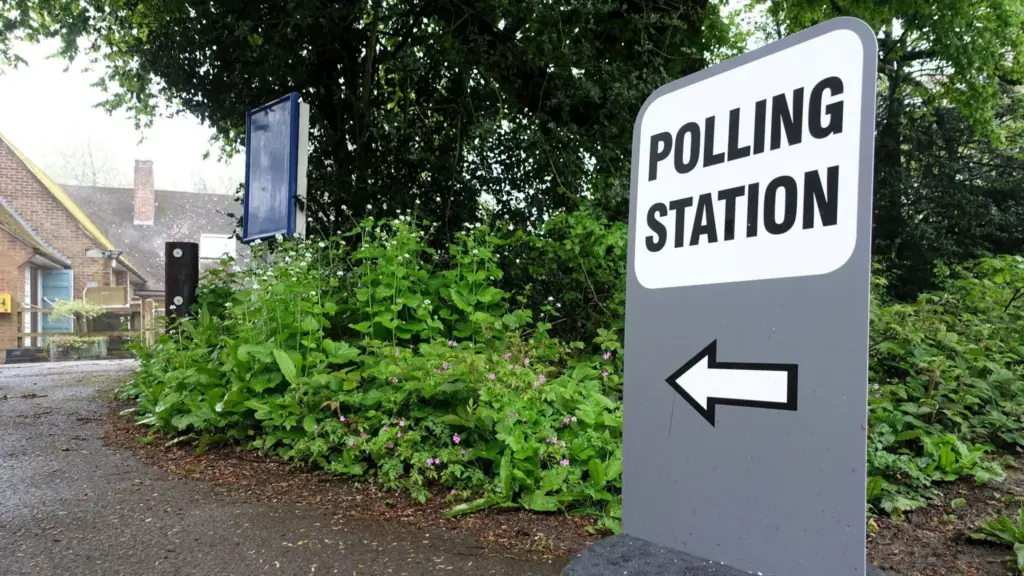
Local elections are about to shape the future of communities across the UK as councils scramble to prepare for the impending vote on May 7, 2024. Recent developments, including a dramatic government U-turn on proposed local election delays, have left many local authorities in turmoil, struggling to meet electoral demands. With the confirmation that elections will proceed, despite concerns from the Electoral Commission and local election administrators regarding capacity and preparedness, the stakes are higher than ever. The ongoing council election struggles highlight the significant pressure faced by electoral teams who now must rush their preparations. As critical decisions loom, residents should stay informed and engaged, knowing that these local elections could significantly impact their communities for years to come.
In the upcoming community polls, local governance is set to undergo a crucial test as officials work tirelessly to ensure a smooth electoral process. The ramifications of the recent policy reversal, which overturned earlier plans for delaying ballots, have stirred concern across various districts. The challenges linked to organizing these civic engagements have placed unprecedented strain on local electoral bodies, who are grappling with limited time to coordinate essential logistics. With all eyes on these pivotal moments in local governance, the elections promise to be an intense showcase of resilience amid unexpected hurdles. Observers are called to monitor how this electoral context unfolds, especially considering the implications laid out by the recent Electoral Commission report.
The Challenges of Preparing for Local Elections
As local elections approach on May 7, councils across England are facing significant challenges in their preparations. With the government’s recent U-turn on election delays, local election administrators have found themselves scrambling to meet tight deadlines. The abrupt decision, prompted by a legal challenge, caught many off guard, leaving insufficient time for essential planning. The Association of Electoral Administrators has voiced concerns that the lost months of preparation will severely hinder the effectiveness of the elections, ultimately impacting the democratic process at a local level.
Local councils, such as those in Norfolk and Suffolk, are now in a race against time to ensure that the necessary logistics and staffing are in place. As electoral teams have had to pause their preparations to manage costs amidst uncertainty, the pressure mounts to reinstate their planning efforts quickly. The combination of time constraints and resource management poses a serious challenge, as these local election officials strive to balance efficiency and thoroughness while ensuring that the electoral process remains fair and accessible.
Government U-Turn: Implications on Local Governance
The government’s recent reversal on delaying local elections has stirred significant debate among political leaders and local council members. The decision to maintain the May 7 election date demonstrates a dynamic political landscape where circumstances can change rapidly. Local Government Secretary Steve Reed’s earlier rationale for postponing elections due to financial concerns surrounding ‘zombie councils’ now feels outdated. This situation emphasizes the urgent need for clarity in government decision-making, as frequent policy shifts create instability for councils attempting to govern effectively.
Political leaders like Matthew Hicks have highlighted the issue of ‘whiplash’ resulting from sudden government decisions that complicate local governance. The capacity of councils to plan effectively for local elections has been challenged in light of this U-turn, which has left many local governments struggling to deliver consistent and reliable services to residents. The voices of concern from various council leaders and the Electoral Commission underscore how important it is for government bodies to provide stable guidelines, ensuring elections can be conducted smoothly without last-minute scrambles.
Local Election Delays: Legal and Organizational Consequences,
The postponement of local elections, even if only suggested, casts a long shadow on the preparations for governance in various councils. As the legal challenge initiated by Reform UK led to the government’s sudden announcement reversing their decision, it highlights the intricate intersection between politics and local governance. The Electoral Commission’s assertion that ‘capacity constraints’ are insufficient grounds for delays adds another layer of complexity to the situation. This perspective underlines the necessity for robust organizational practices within electoral frameworks to avoid reliance on government whims, ensuring elections remain a hallmark of our democratic principles.
For many audit teams involved in facilitating these elections, the initial announcements led to a halt in planning efforts, putting them at a disadvantage. With lost time and rushing to catch up, the actions of councils risk undermining the integrity of the electoral process which relies on meticulous planning and execution. Not only do local elections serve as a channel for public engagement with democracy, but they also provide essential checks and balances within the governmental structure. Any delays or disarray in executing these elections could diminish public trust in local governance.
Electoral Commission’s Stance on Local Election Preparedness
The Electoral Commission has been vocal regarding the election delays, asserting that financial worries about running elections for ‘short-lived’ councils do not justify postponements. This statement not only highlights the importance of thorough election planning but also reinforces the Commission’s role as an independent watchdog safeguarding the integrity of local elections. By challenging the government’s moves, the Commission emphasizes the importance of maintaining a clear timeline and operational integrity ahead of the May 7 elections.
Elections are foundational to democracy, and the Electoral Commission recognizes that readiness is not achievable without adequate leading time. With their advocacy for transparency in the electoral process, the Commission forces authorities to address not just the practical but also the ethical considerations of election management. The call for ensuring capacity and resources are secure for the intended date demonstrates a commitment to upholding democratic values that cannot be overlooked amidst a political climate rife with uncertainty.
The Strain on Electoral Teams Amidst Political Turmoil
Electoral teams across the UK are feeling the strain as they are forced to adapt to the fast-paced changes brought by the government’s recent U-turn. Local authorities, facing potential crisis points, are tasked with regaining lost time and ensuring readiness for the upcoming elections. The Association of Electoral Administrators has expressed their disappointment, emphasizing how vital the months of planning are to execute successful local elections. Factors like staffing, budget allocation, and training are now under severe pressure, complicating their efforts.
The demands placed on electoral teams by such unpredictable changes are immense. Officers typically dedicate extensive effort to ensure the electoral process runs smoothly, yet now they find themselves in a position that sacrifices thoroughness for immediacy. While teams are prepared to go the extra mile, as noted by local officials, it is essential that they are supported with the necessary resources and clear directives from above to prevent overburdening these crucial public servants, thereby allowing them to focus on the integrity of the elections.
Political Ramifications of Last-Minute Election Decisions
The decision to reverse postponement plans not only impacts local governance but also plays a critical role in the larger political context. As opposition parties amplify their calls for transparency regarding the government’s legal advice, this situation reveals the fragility of public trust in governmental structures. Observers have noted that such last-minute decisions can render local elections vulnerable, potentially leading to lower voter turnout or engagement due to perceptions of instability.
Political leaders across party lines have criticized this chaotic scenario, signaling a collective concern about the implications for democracy. The ramifications of these hasty decisions echo throughout the council chambers, eventually affecting constituents who rely on their local governments for representation and service delivery. As local election campaigns ramp up, the additional pressure from unpredictable government actions can dilute the focus on community issues that voters care about, leading to an electoral environment fraught with uncertainty.
Ensuring Democratic Integrity in Local Elections
Amidst the upheaval surrounding the upcoming local elections, the integrity of the democratic process must remain a top priority. Local councils are reminded of their duty to uphold fair representation and access to voting, regardless of the challenges posed by government decisions. Enhancing public confidence in the process requires clarifying policies and ensuring that every vote counts amidst the backdrop of political maneuvering.
Steps taken by electoral teams—whether through outreach, providing educational resources, or ensuring logistical readiness—play a pivotal role in maintaining the strength of local elections. Empowering community engagement and reinforcing the significance of participating in local governance will be crucial in these uncertain times to assure that residents’ voices are heard and valued.
The Future of Local Governance Post-Elections
Looking beyond the May 7 elections, the challenges faced by councils and electoral teams today will likely shape the future of local governance in the UK. The response from local authorities to the government’s latest actions will set a precedent for how future elections are managed amidst shifting political sands. Effective collaboration between councils and supportive electoral frameworks will be essential for fostering stability and trust moving forward.
As local elections are critical in defining community priorities, the upcoming processes must be analyzed for lessons learned post-election. Initiatives to streamline electoral operations and ensure robust support structures will be paramount to preventing similar issues in the future. The resilience of local councils in navigating this confusion will ultimately determine how effective and respected local governance stands in the eyes of the public, reaffirming the essential role elections play in our democracy.
Frequently Asked Questions
What are the implications of the UK local elections 2024 on local councils?
The UK local elections 2024 are set to significantly impact local councils as they prepare to conduct elections in May. Following a government U-turn on delaying some local elections, councils now face an uphill struggle to be adequately prepared in time, having lost important planning months due to recent uncertainties.
What caused the local election delays and the government’s U-turn?
The local election delays were initially proposed by the government due to concerns regarding the cost of running elections in areas facing governmental reform. However, following a legal challenge led by Reform UK, the government reversed this decision, stating their legal advice had changed, leading to a chaotic situation for local councils gearing up for May’s elections.
How are local election administrators reacting to the council election struggles?
Local election administrators have expressed extreme disappointment at the loss of crucial planning time due to delays in the local elections. They are now facing significant challenges in ensuring a smooth election process, with many indicating that their teams will need to exert extra effort to meet the tight deadlines ahead of the elections.
What did the Electoral Commission report regarding the local election delays?
The Electoral Commission reported that it did not believe the ‘capacity constraints’ some councils cited as justification for local election delays were a legitimate reason to postpone elections. This suggests strong support for proceeding with the UK local elections 2024 as originally planned.
How should residents prepare for the upcoming local elections in their area?
Residents should stay informed about their local elections scheduled for May 7. They can check official council websites for updates, ensure they are registered to vote, and understand the candidates and issues on the ballot. Despite the challenges posed by the recent government U-turn, preparations are still ongoing to facilitate a fair election process.
| Key Points | Details |
|---|---|
| Local Election Readiness | Councils are unprepared for the May local elections after a sudden government U-turn against delaying the elections. |
| Government Reversal | The government initially planned to delay 30 elections but abandoned these plans following a legal challenge by Reform UK. |
| Legal Challenge Impact | Reform UK successfully challenged the government’s decision, resulting in financial liabilities for the government. |
| Electoral Commission’s Stance | The Electoral Commission rejected the notion that capacity constraints constitute a valid reason for delaying elections. |
| Preparedness of Officials | Electoral officials express concern over lost preparation time, facing immense pressure to catch up. |
| Council Perspectives | Council leaders criticize the government’s inconsistency and its impact on local governance and planning. |
| Political Reactions | Political leaders from various parties expressed their discontent regarding the chaotic situation surrounding the elections. |
Summary
Local elections are approaching, and the recent reversal by the government has created significant challenges for councils across England. After initially planning to postpone elections amid concerns over resource allocation, the government has now mandated that elections will take place on May 7. This last-minute decision has left local election administrators scrambling, and many are worried they will not be fully prepared in time. There is widespread concern that the chaos could undermine the democratic process, with council officials feeling pressured to manage the situation effectively. As the date nears, it will be crucial to monitor how these elections are conducted and to what extent local councils can adapt to the government’s sudden changes.