Listen to this article
Life Insurance in the UK is a cornerstone of financial security for families, providing essential protection against the uncertainties of life. As individuals plan for their financial future, understanding the various life insurance policies available can significantly influence their long-term well-being. Whether it’s term life insurance, which offers coverage for a specific duration, or whole life insurance, which guarantees protection for life, each option serves distinct needs. Additionally, critical illness cover and income protection insurance complement these policies, ensuring families can manage expenses even in unforeseen circumstances. This comprehensive approach to securing your loved ones’ financial future is paramount in today’s unpredictable environment.
When discussing life coverage options, terms such as protection insurance, death benefit plans, and family protection schemes may come to mind. In the UK, these alternatives reflect a commitment to safeguarding your loved ones against financial hardships that may arise after a tragic event. Understanding the nuances between short-term and long-term coverage options helps individuals make informed decisions, aligning policies to their unique financial landscapes. Moreover, incorporating additional benefits like critical illness cover can further bolster financial protection, ensuring families are not left vulnerable in the face of life’s challenges. Embracing these protective measures can significantly contribute to a more secure and stable future for dependent family members.
The Importance of Life Insurance in Securing Your Future
Life insurance plays a vital role in ensuring financial stability for your loved ones in the event of your passing. Its primary purpose is to provide a financial safety net that allows dependents to maintain their standard of living, cover ongoing expenses, and meet obligations such as mortgage payments or children’s education costs. Investing in life insurance becomes even more critical for individuals with significant financial responsibilities, as it guarantees that dependents will not face undue hardship during a traumatic time.
Another crucial aspect of life insurance is its ability to alleviate the burden of outstanding debts. From personal loans to credit cards or mortgages, financial obligations can pile up, creating stress for family members left behind. Life insurance policies can cover these debts, allowing your family to focus on grieving rather than worrying about how to manage finances. Ultimately, having a life insurance policy is an effective way to secure your family’s financial future, ensuring they are protected even when you are no longer there.
How Life Insurance Policies Protect Your Loved Ones
Life insurance policies serve as a crucial tool for issuing financial protection. In the UK, many families find peace of mind knowing that a life insurance payout can help cover essential needs such as living expenses, education fees, and mortgage repayments. This money can act as a lifeline, relieving financial pressure and allowing family members to grieve without the additional burden of managing everyday expenses.
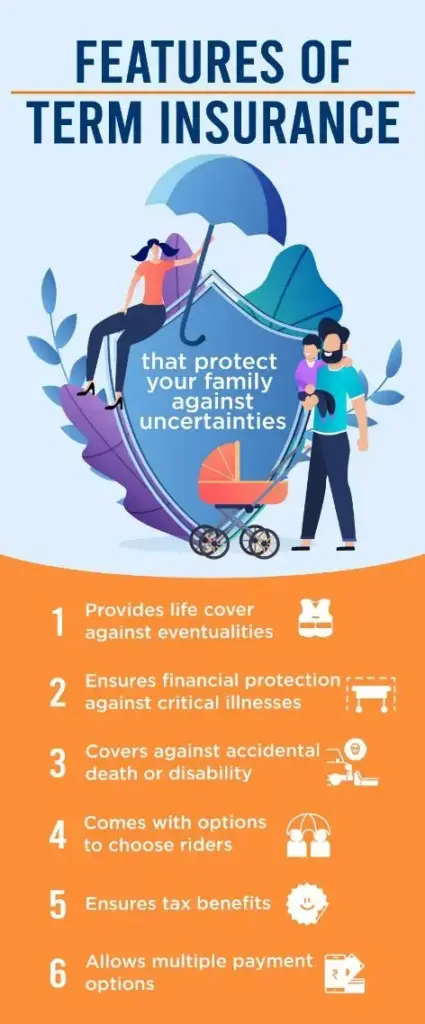
Furthermore, various types of life insurance policies, such as term life and whole life insurance, cater to different needs and preferences, providing tailored solutions for families. Term life insurance is more affordable and ideal for those looking to cover specific responsibilities over a defined period. In contrast, whole life insurance offers lifelong coverage and an investment component, helping families build wealth while ensuring ongoing protection for beneficiaries. Understanding these differences allows families to choose the most suitable policy to align with their financial goals and needs.
Exploring Different Types of Life Insurance Policies
The UK offers a variety of life insurance policies designed to meet diverse needs and financial circumstances. Term life insurance is one of the most popular choices, given its affordability and straightforward structure. It ensures that if the policyholder passes away during the coverage period, their beneficiaries receive a lump sum payment, while the policy expires after the term. This option is especially beneficial for individuals paying off substantial debts or raising children, allowing them to focus on their responsibilities without worrying about financial repercussions.
On the other hand, whole life insurance provides lifelong coverage and accumulates cash value over time, providing policyholders with additional financial benefits. Though it tends to come with higher premiums, whole life insurance can be an excellent option for those looking for an investment aspect combined with death benefits. Additionally, riders such as critical illness cover or income protection insurance can be added to either policy type to enhance the coverage, offering policyholders comprehensive protection against unforeseen life events.
Navigating the Process of Choosing a Life Insurance Policy
Selecting the right life insurance policy is a crucial decision that requires careful consideration. The first step is assessing your financial situation, including current debts, dependents, and future obligations. This evaluation will help determine the level of coverage you require to sufficiently protect your family’s financial future. Understanding how much money your loved ones will need to maintain their lifestyle can be invaluable in choosing between term and whole life insurance options.
Next, shopping around for different policies is essential. Many insurance providers offer various options tailored to fit individual needs. Using online comparison platforms or consulting with independent insurance brokers can help identify the best deals available. Keep in mind that premiums can vary significantly based on personal factors such as age, health status, and lifestyle choices. Therefore, it’s crucial to compare and contrast multiple quotes to determine which option provides the most comprehensive coverage for your investment.
Maximizing Life Insurance Benefits for Your Family
To ensure your family gets the most out of your life insurance policy, it’s essential to practice transparency during the application process. Providing accurate information regarding your health and lifestyle is critical in maintaining a valid policy. Misleading or incomplete information can lead to denied claims, leaving your loved ones without the financial support they need during vulnerable times. Moreover, consider additional coverage options, such as riders or add-ons, that can enhance your policy’s benefits.
Regularly reviewing and updating your policy is also important. Life events such as marriage, having children, or changes in financial status can significantly impact your life insurance needs. By proactively updating beneficiaries and understanding how changes affect your coverage, you can ensure that your loved ones are adequately protected in any circumstance. Staying informed about new products and market changes can also help you secure the best benefits for your policy.
The Role of Life Insurance in Long-Term Financial Planning
Integrating life insurance into your long-term financial planning is essential for securing your family’s financial future. Consider life insurance as an investment in your family’s well-being, offering protection and peace of mind. When planning your finances, including life insurance means that you are addressing potential risks and safeguarding your loved ones against future uncertainties. By doing so, you establish a structured approach to financial planning that accommodates not only current expenses but also anticipates future challenges.
Furthermore, understanding how different life insurance products, such as whole life or term life insurance, fit your overall financial strategy can enhance your readiness for life’s unexpected turns. For example, having whole life insurance can provide a cash value component that contributes to your long-term wealth, while term life can target short-term responsibilities, allowing you to allocate investments effectively. By syncing your life insurance choices with your overall financial goals, you can create a comprehensive plan that prioritizes both immediate needs and future aspirations.
Frequently Asked Questions
What is life insurance in the UK and why is it important for my financial future?
Life insurance in the UK is a contract where the insurer pays a sum to your beneficiaries upon your death. It’s crucial for securing your financial future as it provides financial support to your loved ones, covers debts, and eases funeral costs during difficult times.
What types of life insurance policies are available in the UK?
In the UK, there are primarily two types of life insurance policies: term life insurance, which covers you for a specific period, and whole life insurance, which provides coverage for your entire life. Additionally, options like critical illness cover and income protection insurance can enhance your financial safety.
How does term life insurance work in the UK?
Term life insurance in the UK provides a payout to your beneficiaries if you pass away within a specified term, typically ranging from 1 to 30 years. If the term expires and you are still alive, no benefit is paid out. This makes it a cost-effective choice for short-term financial responsibilities.
Can I customize my life insurance policy in the UK with additional benefits?
Yes, many life insurance policies in the UK offer additional riders or benefits such as critical illness cover, which can provide a lump sum if you’re diagnosed with a serious illness, enhancing your policy to better suit your financial needs.
What factors should I consider when choosing a life insurance policy in the UK?
When choosing a life insurance policy in the UK, assess your financial situation, compare different providers and policies, consider your age and health, read the terms carefully, and review your policy regularly to ensure it meets your evolving needs.
Why is it essential to keep beneficiaries updated on life insurance policies?
Keeping beneficiaries updated on your life insurance policy is crucial to ensure that your intended recipients receive the payout. Major life events like marriage or divorce can affect beneficiary designations, making regular updates necessary for proper financial protection.
| Key Aspect | Details |
|---|---|
| Understanding Life Insurance | A contract where the insurer pays a designated beneficiary upon the policyholder’s death. |
| Importance of Life Insurance | 1. Financial security for dependents 2. Covers debts and funeral costs 3. Provides peace of mind |
| Types of Life Insurance | 1. Term Life Insurance 2. Whole Life Insurance 3. Critical Illness Cover 4. Income Protection Insurance |
| Choosing the Right Policy | 1. Assess financial situation 2. Shop around 3. Consider age and health 4. Read the fine print 5. Review the policy regularly |
| Maximizing Benefits | 1. Be honest on the application 2. Update beneficiaries 3. Consider additional riders 4. Stay informed |
Summary
Life Insurance in the UK is a vital strategy for ensuring the long-term financial security of your family. This financial product not only provides a safety net in the unfortunate event of a policyholder’s death, but it also helps cover immediate expenses like debts and funeral costs, while offering peace of mind to those left behind. Understanding the available types of life insurance, such as term or whole life policies, can help you choose the best option tailored to your family’s needs. By being thorough in your selection process and regularly updating your policy, you will be taking an essential step towards safeguarding your loved ones’ financial future.