Listen to this article
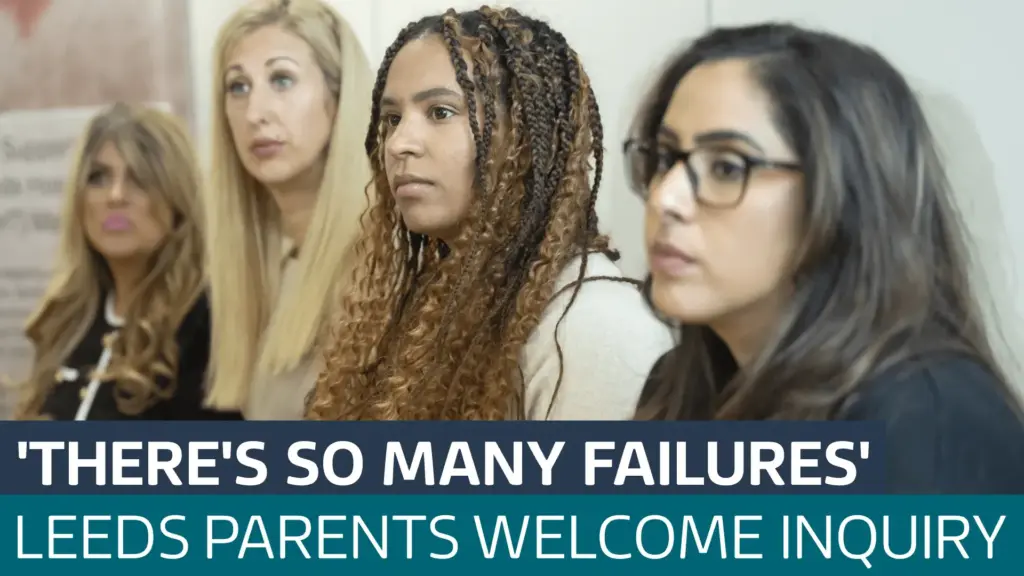
The Leeds maternity inquiry is raising serious concerns as bereaved families express their deep disappointment and mistrust in the handling of maternity care at Leeds Teaching Hospitals NHS Trust. Following a BBC investigation that revealed shocking statistics, including the preventable deaths of 56 babies and two mothers in just five years, the public has called for significant accountability and change. MPs have directed their criticisms towards the health secretary, Wes Streeting, demanding that recognized midwife Donna Ockenden lead the inquiry into these maternity service failures. With the stakes incredibly high for families who have suffered unimaginable losses, the inquiry aims to uncover the systemic issues plaguing NHS maternity care in Leeds. As calls for transparency and justice grow louder, the hope remains that this inquiry will bring about the necessary reforms to safeguard future generations.
In light of ongoing investigations into maternity care problems, the examination of the Leeds maternity services is drawing attention for its potentially far-reaching implications. As families affected by these maternity unit failures seek answers, the inquiry serves as an essential step toward understanding the underlying issues behind the tragic incidents encountered by mothers and infants alike. This review, reminiscent of the high-profile Donna Ockenden inquiry into Nottingham’s maternity services, promises to evaluate the challenges within NHS maternity care and ensure that families receive the transparency and justice they deserve. The urgent call for reform indicates that the failures in these maternity units must be addressed to prevent further tragedies in the future. Engaging with affected families will be critical in re-establishing trust in maternity care, as they navigate their own grieving processes while demanding meaningful changes.
The Leeds Maternity Inquiry: A Call for Accountability
The Leeds maternity inquiry has emerged as a beacon of concern for families impacted by the failures of NHS maternity care in Leeds. Reports indicate that at least 56 babies and two mothers have tragically died at the Leeds Teaching Hospitals NHS Trust over recent years, with many of these deaths potentially preventable. This distressing data highlights the urgent need for accountability and thorough investigation into the systemic failures within the Leeds maternity services. Members of Parliament, including prominent Labour figures and Conservative representatives, are rallying voices to demand that the inquiry be led by an experienced professional with a proven track record, like Donna Ockenden, who previously led inquiries into other maternity service failings across the UK.
The sheer volume of distressing cases necessitates a robust response; thus, MPs are advocating for a Nottingham-style investigation that can delve deeply into the operational shortcomings at the maternity units in Leeds. Given that the inquiry follows significant public concern and dissatisfaction, it becomes crucial to ensure that families feel heard and that their pain is recognized through a thorough and transparent process. Ockenden’s prior success in dissecting complex maternity issues places her as a fitting candidate to lead this inquiry, ensuring that the investigations into maternity care failures reflect the gravity of the situation.
The ongoing plea for justice by bereaved families in Leeds underscores the emotional toll these incidents have taken. Families feel that they have been repeatedly let down by the health service, perpetually waiting for answers and assurances that the same mistakes won’t be made again. With public faith in the inquiry process waning, it has become vital for the inquiry team to consist of individuals not just proficient in their field but also trusted by the very families they aim to assist. The proposed appointment of Donna Ockenden is seen as a vital step in restoring confidence, aligning with the call for a more informed and empathetic approach to handling these sensitive cases.
Impact of NHS Maternity Care Failures on Leeds Families
The impact of maternity care failures on families in Leeds is profound and lasting. Bereaved parents, such as those who have lost babies like Aliona and Asees, have been vocal about their frustrations and demand for justice in light of the systemic failures that have plagued the Leeds Teaching Hospitals NHS Trust. Their stories serve as poignant reminders of the human cost associated with inadequate healthcare services, compelling MPs and public figures to advocate fiercely for an inquiry that deals comprehensively with these failures. Families highlight that the inquiry’s integrity is at stake; it is not just about punishing those responsible but also about creating a framework that ensures other families do not suffer the same fate in the future.
Furthermore, as investigations reveal critical safety lapses in units rated as “good” before they were downgraded, the call for transparency and accountability grows louder. The investigation is not just about reviewing past actions but also about healing and restoring trust in NHS maternity care. The families advocate for a system where caregivers are equipped and accountable to safeguard the health and wellbeing of mothers and their babies. Ensuring that the inquiry leads to actionable outcomes is essential, particularly for those families who have bravely stepped forward to share their experiences.
The emotional and psychological burden on bereaved families extends beyond the immediate grief of losing a child. Parents express feelings of betrayal and disappointment in the NHS maternity services that were meant to provide safety and care during one of life’s most vulnerable times. The testimonies from families emphasize the importance of having an inquiry that not only acknowledges their suffering but leads to tangible reforms in the maternity care system. The fact that their experiences may encourage others to come forward signifies a critical opportunity for the NHS to reflect and improve on its approach in Leeds and beyond.
The Role of Key Figures in the Leeds Maternity Inquiry
The proposed inquiry into Leeds maternity services hinges significantly on the leadership and direction provided by key figures like Donna Ockenden. With Ockenden’s past work shedding light on the critical issues in maternity care, her involvement is seen as integral to unraveling the complexities associated with Leeds’ maternity unit investigations. Many believe her experience will be crucial to implementing a rigorous framework that evaluates the performance and safety measures in place, ensuring no detail is overlooked. By having someone of her caliber at the helm, families can feel reassured that their concerns will be taken seriously, and the inquiry will pursue justice diligently.
Additionally, the letter from MPs demanding her appointment illustrates a collaborative approach among political leaders transcending party lines, advocating for what is fundamentally a moral obligation to those who have suffered. Families express hope that an inquiry led by someone with established expertise in maternity care failures can catalyze necessary changes, paving the pathway for improved practices within NHS maternity care at Leeds Teaching Hospitals.
However, the resistance to Ockenden’s appointment, as voiced by some parties, raises questions about the politics entwined in this inquiry process. Families are left anxious about the potential for an untested methodology to shape the direction of the inquiry, underscoring the vital need for transparency and collaboration with those who have experienced loss firsthand. The inquiry must not serve as a mere box-ticking exercise; instead, it must actively engage with bereaved families to understand their needs and expectations from NHS maternity care going forward. Only then can stakeholders ensure that the lessons learned are embedded into the systems so that the tragedies faced by families in Leeds are never repeated.
Restoring Faith in NHS Maternity Care in Leeds
Restoring faith in NHS maternity care in Leeds is a monumental task following the heartbreaking accounts of care failures within its hospitals. Families have expressed their disillusionment with the current handling of the maternity inquiry, stressing that mere promises from the health authorities are not sufficient. They seek a genuine commitment to change that places their needs at the forefront. The appointment of an experienced chair, like Ockenden, could signal a renewed dedication to prioritizing family engagement and transparency throughout this critical process. By doing so, it can pave the way for rebuilding trust between the community and the maternity services they rely on.
As investigations begin, it is vital that the narrative shifts from one of despair to hope for the future of maternity services in Leeds. The proactive involvement of families and community stakeholders shows a vital shift towards shared responsibilities and cooperative engagement in healthcare reforms. Moving forward, it is important for the NHS to not only listen to families’ experiences but to implement the necessary changes that emerge from the inquiry’s findings. The goal should be to establish a service where no family has to suffer due to preventable tragedies — to ensure that every mother feels safe and cared for as she welcomes her child into the world.
Advocacy for Maternity Care Reforms in the Wake of the Inquiry
Advocacy for maternity care reforms is gaining momentum as families and MPs push for meaningful changes following the revelations in the Leeds maternity inquiry. The need for comprehensive reforms is underscored by the harrowing tales of families impacted by negligence within the NHS Trust, a narrative that has prompted widespread concern among the public. By advocating for experienced leadership, like that of Donna Ockenden, families feel their voices will be valued in the reform discussions. This inquiry serves as an opportunity not only to address past failings but also to reshape the future of maternity care in Leeds and beyond, ensuring that no family experiences the same heartbreak and loss.
In the wake of the inquiry, it is imperative that advocacy efforts are focused on systemic changes that address organizational culture, training for medical staff, and patient safety protocols in maternity units. The quest for justice not only involves accountability for past mistakes but also a recommitment to high-quality, compassionate care for mothers and infants. Advocates argue that this review should serve as a turning point for NHS maternity services, promoting ongoing dialogue between families and healthcare providers to create a more trustworthy and effective maternity care system.
The Importance of Family Involvement in the Inquiry Process
Family involvement in the Leeds maternity inquiry process is crucial for ensuring that the outcomes reflect the realities faced by those affected by maternity care deficiencies. The perspectives of bereaved families provide invaluable insights that can inform the investigation and help identify areas needing urgent attention. Engaging families not only enhances the inquiry’s credibility but also ensures that their narratives are integral to the learning process, ultimately shaping reforms that could prevent future tragedies.
Moreover, by inviting families into the discourse surrounding maternity care reform, the inquiry can foster a sense of ownership and investment among the community. Families have suffered through emotional trauma and have a unique understanding of the flaws in the system. Their advocacy can drive a genuine culture shift within the NHS that prioritizes transparency, accountability, and the implementation of evidence-based practices. By valuing family contributions, the inquiry can effectively align itself with the mission of delivering safe and respectful maternity care for all.
Lessons Learned from the Leeds Maternity Services Crisis
The crisis within Leeds maternity services offers stark lessons about the importance of oversight and proactive measures in healthcare delivery. The tragic losses of lives, including infants and mothers, due to systemic failures highlight the need for regular assessments and reforms within NHS maternity care frameworks across the UK. Reviews conducted, such as those proposed in the Leeds maternity inquiry, present an important opportunity for the NHS to critically evaluate its performance, identify weaknesses, and implement changes that enhance patient safety. Through rigorous examinations and evidence-gathering, healthcare authorities can devise strategies that target the root issues contributing to maternity care failures.
Moreover, these lessons extend to the broader healthcare community, establishing a precedent that underscores the value of transparency and accountability in all healthcare settings. The Leeds maternity inquiry can serve as a model for other trusts grappling with similar issues, advocating for consistent, independent reviews that prioritize patient safety. By learning from the Leeds experience, the NHS can move forward with renewed commitment and determination to protect mothers and infants, crafting a healthcare environment built on trust, integrity, and exemplary care.
Frequently Asked Questions
What is the Leeds maternity inquiry?
The Leeds maternity inquiry is an independent investigation into the repeated failures of maternity care at the Leeds Teaching Hospitals NHS Trust, following the preventable deaths of at least 56 babies and two mothers in recent years. It aims to understand the systemic issues that led to these tragedies and improve NHS maternity services.
How can bereaved families engage with the Leeds maternity inquiry?
Bereaved families affected by the failures in Leeds maternity services are encouraged to engage with the inquiry by sharing their experiences and participating in consultations. The inquiry is being facilitated by a dedicated team that aims to ensure their voices are heard in the examination of NHS maternity care.
Why is Donna Ockenden being considered to chair the Leeds maternity inquiry?
Donna Ockenden is being considered to chair the Leeds maternity inquiry due to her extensive experience in investigating maternity care failures, including her leadership roles in previous inquiries into the Nottingham and Shrewsbury maternity services. Her established methodology and approach are seen as vital for restoring trust in the inquiry.
What led to the initiation of the Leeds maternity inquiry?
The Leeds maternity inquiry was initiated after a BBC investigation revealed significant concerns regarding the safety and quality of maternity services at Leeds Teaching Hospitals NHS Trust, prompting calls for accountability and changes in NHS maternity care practices.
What are the main concerns raised by families regarding the Leeds maternity inquiry?
Families impacted by maternity care failures have expressed concerns about lost trust in the inquiry process, particularly regarding the appointment of the inquiry chair and the perceived lack of a robust, proven methodology to address the issues at Leeds maternity services.
How does the Leeds maternity inquiry relate to the findings of other maternity services inquiries?
The Leeds maternity inquiry is expected to draw parallels with findings from other significant investigations, such as the Ockenden report on Shrewsbury and Telford Trust, as it seeks to identify systemic failures within NHS maternity care and implement necessary reforms.
What actions is the government taking in response to the Leeds maternity inquiry?
In response to the Leeds maternity inquiry, the government is committed to improving maternity services nationwide, as evidenced by a £130 million investment aimed at enhancing safety and care quality across NHS maternity units, including those in Leeds.
What role do MPs play in the Leeds maternity inquiry?
MPs have taken an active role in advocating for bereaved families by calling for an independent and trustworthy inquiry into the Leeds maternity services. They have urged Prime Minister Sir Keir Starmer to ensure the appointment of a qualified chair, stressing the importance of accountability and thorough investigation into maternity care failures.
| Key Points |
|---|
| Bereaved families have lost trust in the Health Secretary regarding the Leeds maternity inquiry. |
| An independent inquiry was called for after BBC’s investigation highlighted failures at Leeds Teaching Hospitals NHS Trust. |
| MPs called for Donna Ockenden to lead the inquiry, citing her experience in previous investigations. |
| Families expressed that the health secretary’s public announcement was a betrayal of their trust. |
| Concerns were raised about the ability to appoint a chair without proven experience and methodology. |
| Families demanded an open and honest inquiry to ensure justice for those affected. |
Summary
The Leeds maternity inquiry has become a focal point of concern for bereaved families who feel they have lost trust in the Health Secretary. The inquiry’s oversight is overshadowed by calls for experienced leadership to investigate the tragic failings at Leeds Teaching Hospitals NHS Trust. With the potential for the inquiry to impact many families, the urgency for transparency and accountability is paramount, highlighting the critical need for a thorough investigation that prioritizes the voices of those affected by these systemic failures.