
Listen to this article
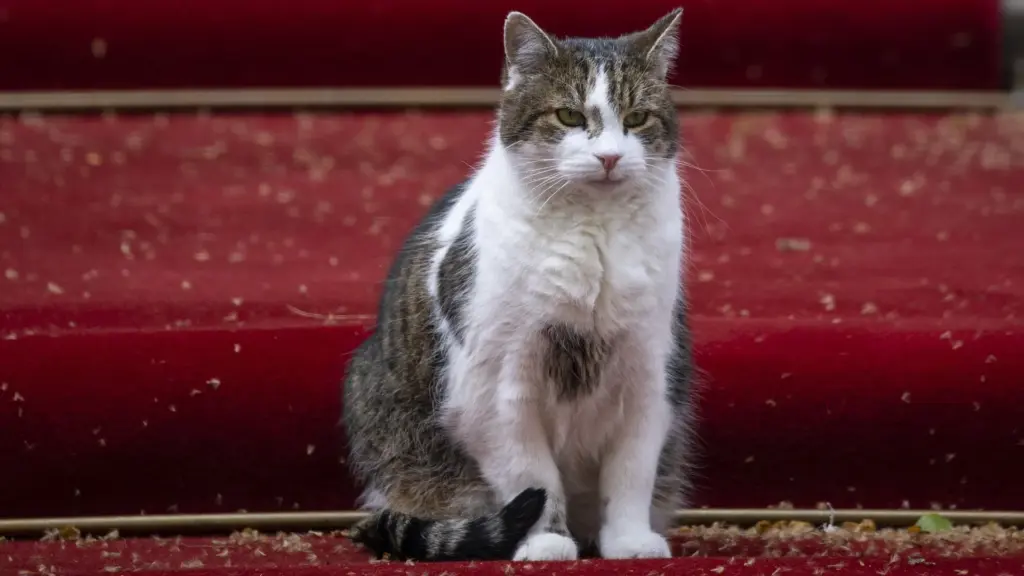
Larry the cat has become an iconic figure at Downing Street, boasting an impressive 15-year reign as the chief mouser to the Cabinet Office. This charming tabby, who is now 19 years old, has endeared himself to both politicians and the public alike with his frequent appearances outside the famous black door of Number 10. Adopted from Battersea Dogs and Cats Home in 2011 by then-Prime Minister David Cameron, Larry quickly established himself as a delightful presence amid the seriousness of politics. His tenure, spanning six prime ministers, has solidified his status as one of the most recognizable cats in politics, often bringing a sense of warmth and whimsicality to the political scene. With a rich history of feline companions serving in government, Larry the cat represents a charming continuity of the tradition of cats at Number 10, proving that even in a world of politics, there’s always room for a beloved pet.
The legendary Larry, a tabby with a heartwarming backstory, has held an esteemed position as the official mouser since his adoption in 2011. His tenure is not just a tale of catching mice; it’s also about lending a much-needed touch of levity to the high-stakes environment of British governance. Holding the title of chief mouser, he has taken his place among notable political pets, showcasing the unique bond between leaders and their feline companions. With historical roots in the government dating back to the 1920s, Larry’s role reflects a longstanding tradition of allowing cats to roam the corridors of power. From chasing pigeons to basking in the sun, his presence at Number 10 signifies more than just pest control; it’s a charming reminder of the lighter side of political life.
Larry the Cat: A Feline Fixture at Number 10
Larry the cat has become an iconic figure at Number 10, gathering a loyal following since his appointment as the chief mouser to the Cabinet Office in 2011. As he marks 15 remarkable years in this role, Larry’s gentle demeanor and charming antics continue to captivate the hearts of the public. His presence serves as a beacon of light in the often-stressful political landscape, reminding us that even in times of turmoil, there can be moments of joy. Larry’s friendly nature has made him an essential part of the Downing Street experience, with visitors and locals alike eager to catch a glimpse of this famous cat in politics.
Tracing Larry’s history reveals his journey from the Battersea Dogs and Cats Home to the prestigious confines of Downing Street. Adopted by then-prime minister David Cameron, Larry was intended to be a companion and a pest controller. Over the years, he has upheld this duty—albeit with mixed reviews on his success rates—but his charm often overshadows any shortcomings. Larry’s role is vital not only in managing the rodent population but also in reinforcing the narrative of animals in leadership positions within government, a tradition that stretches back to earlier times.
The Long-Standing Tradition of Feline Residents in Politics
The appointment of Larry as the chief mouser reflects a fascinating history of feline companions within British politics. Records show that cats have played a role in government buildings since the 1920s, functioning as both pets and pest controllers. Earlier residents like Humphrey, who occupied No. 10 during Margaret Thatcher’s premiership, highlight the continuity of this beloved tradition. These political cats not only serve functional purposes but also become symbols of their respective eras, providing a reflective look at society’s attachment to animals in positions of power.
Famous cats in politics often become national treasures, drawing attention to the lighter side of political life. Larry stands out as a contemporary example of this trend, bringing warmth and continuity amid the often cold and harsh political environment. With each passing year, Larry reinforces the public’s affection for furry mascots in high places—a testament to the enduring relationship between humans and their pets within the halls of power.
As a prominent feature at Downing Street, Larry also represents a link between the past and present in British political history. His journey sheds light on the rituals of leadership, where the presence of a cat signifies more than just companionship; it symbolizes a comforting stability in an ever-changing political realm. The legacy of cats at Number 10 is not only about pest control but also about building bonds with the public, making politics feel more approachable.
Larry the Cat: Symbol of Resilience in Political Turbulence
Throughout his tenure, Larry has witnessed and endured numerous political upheavals, from shifts in leadership to significant policy changes. Positioned right outside the prime minister’s front door, he embodies resilience amid the storms of political life. People often turn to Larry as a source of comfort during challenging times, showcasing how a beloved pet can unite spirits and provide lightness when it is most needed. His presence on the steps of Number 10 serves as a constant reminder that even during the most pressing issues, there is room for joy and levity.
In a world often dominated by serious discussions and weighty decisions, Larry’s playful demeanor offers a refreshing contrast. Observers often find themselves entranced by images of him lounging or playfully interacting with his surroundings, capturing the attention of both the media and the public. This aspect of his character reinforces the idea that political life need not be barren of humor and affection; rather, it can thrive amid companionship in all its forms—whether that be human or feline.
The Impact of Larry’s Presence on Public Engagement
Larry the cat has become much more than just a chief mouser; he represents a bridge between the government and the public. His regular appearances outside Number 10 have sparked interest and engagement from the media and citizens alike, allowing them a glimpse behind the rigid curtains of politics. By integrating a personality like Larry into the political narrative, Downing Street has effectively widened its appeal, creating an accessible image that resonates with people. Larry has inadvertently become a public relations asset, drawing attention not just to political affairs but also to various social causes related to animal welfare.
His influence can be seen in how people connect with the government—making Larry a respected figure that softens the sometimes harsh perception of political entities. Through various media, Larry not only entertains but educates the public about animal adoption and welfare, encouraging a community approach to issues that matter. This unique relationship between a feline and a political institution has fostered a sense of familiarity and warmth, creating a narrative that encourages participation rather than alienation.
A Day in the Life of Larry the Chief Mouser
Larry’s daily routine at Number 10 is anything but ordinary, combining his responsibilities as a mouser with the duties of a celebrity cat. His mornings typically begin with the hustle and bustle of Downing Street, where he can often be seen surveying his domain and checking for any signs of unwanted pests. On sunny days, Larry enjoys lounging on the steps, soaking in the warmth while curious tourists take photos and ask about his life. This unique position allows him to engage with the public and bring smiles to those visiting the heart of British politics.
Amid his casual demeanor, there is an underlying principle of service that Larry embodies. While not every cat in his lineage was as successful in rodent catching, his relaxed approach offers a different version of effectiveness—one not strictly defined by traditional measures of success. Through his 15 years, Larry has become a staple of Downing Street, illustrating how even a cat can influence the atmosphere of governance, making it feel a little more human and just a bit more inviting.
The Role of Cats at Number 10 Through History
The history of cats at Number 10 stretches as far back as the 1920s, showcasing an intriguing tradition that has become an integral part of the British political landscape. The roles of these cats often mirrored the human leaders they served, experiencing the highs and lows of political life alongside prime ministers. Following in the footsteps of Humphrey and other feline predecessors, Larry’s legacy continues to shape not only the atmosphere of Downing Street but also the perception of the affectionate relationship between humans and animals in the precincts of governance.
Each cat that has held residence at Number 10 has left its own paw print on history, contributing to the rich tapestry of stories associated with the British government. These furry companions have provided support, comfort, and even laughter amid serious political discussions and decisions. Larry’s timeline reflects a modern evolution of this role, gaining a more pronounced popularity due to the age of social media, which allows for real-time sharing of his adventures and antics, thus highlighting the significance of historical ties between political figures and their beloved companions.
Larry’s Popularity and Modern Culture
The rise of Larry the cat as a cultural icon can be attributed to the intersection of politics, media, and modern culture. He has captivated the public imagination, not only as a pet but as a symbol of the British political landscape. His charming appearances during press briefings and the numerous viral moments shared on social platforms have solidified his status as a quirky mascot for Downing Street. As discussions continue on everything from policy to the daily trials of governance, Larry’s warm presence provides a welcome respite, allowing people to engage with politics from a relatable perspective.
Larry’s enduring popularity illustrates society’s craving for authenticity and connection in an age dominated by political contention. His widely-recognized image has facilitated conversations not just about politics but also about animal welfare and the importance of adopting pets, allowing Larry to influence social attitudes in a positive way. In an ever-evolving modern culture, the embodiment of such values through a beloved feline figure demonstrates the balancing act between humor, seriousness, and the need for companionship amid the complexities of today’s governance.
Lessons Learned from Larry the Cat’s Journey
The journey of Larry the cat provides several lessons that transcend the boundaries of politics. His story emphasizes the importance of resilience and adaptability; navigating a high-pressure environment while retaining a sense of fun. For those watching his antics at Number 10, Larry’s presence highlights how even small gestures of joy can uplift our spirits in demanding contexts. He exemplifies that even in challenging roles, one can still find moments to engage with others and bring joy into their lives.
Moreover, Larry’s journey underscores the significance of community connection. By adopting a cat, not only does one gain a pet but also a representation of care and compassion that resonates with the public. This connection reflects broader societal values and creates avenues for dialogue around welfare and fostering relationships. Ultimately, Larry teaches us that love and laughter carry an immense weight, and that even in the more serious realms of society, a bit of purring can go a long way.
Frequently Asked Questions
What is the significance of Larry the cat at Downing Street?
Larry the cat, known as the chief mouser to the Cabinet Office, has become a beloved figure at Downing Street, marking over 15 years of service. He has served six prime ministers and enjoys a special status as a public icon, often spotted at the front doorstep and charming both visitors and the media.
How did Larry the cat become the chief mouser to the Cabinet Office?
Larry the cat was adopted in February 2011 by then-prime minister David Cameron and his wife Samantha from Battersea Dogs and Cats Home. His role as the chief mouser at Downing Street involves controlling the rodent population while also providing entertainment and comfort during political upheaval.
What is Larry the cat’s history in relation to other famous cats in politics?
Larry is part of a long tradition of cats at Number 10, dating back to the 1920s. He is the first cat in this role since Humphrey, who served during Margaret Thatcher’s time as prime minister, and his presence highlights the historical relationship between cats and government buildings.
How old is Larry the cat now, and what contributions has he made?
Currently, Larry the cat is 19 years old, which is equivalent to over 90 years in human terms. He has become known for his lighthearted antics at Number 10, often seen lounging, chasing pigeons, and engaging with the public during significant political events.
Has Larry the cat been effective in his role as chief mouser?
Opinions on Larry the cat’s effectiveness at controlling the rodent population at Number 10 have varied. Despite some skepticism about his hunting skills, he has certainly captivated the public and brought a unique charm to the political environment.
When was Larry the cat officially introduced to Downing Street?
Larry the cat was officially introduced to Downing Street in February 2011 after being adopted by David Cameron. Since then, he has established himself as a fixture of daily life at Number 10.
Why are cats at Number 10 associated with historical figures?
Cats at Number 10, including Larry the cat, are linked to historical figures due to their longstanding presence in British political history, with records dating back to King Henry VIII. This creates a charming narrative of companionship and continuity through the ages in government.
| Key Points |
|---|
| Larry the cat has been the resident mouse catcher at Number 10 for 15 years, serving six prime ministers. |
| He is 19 years old and functions as the chief mouser to the Cabinet Office. |
| Larry was adopted in February 2011 by Prime Minister David Cameron and his wife Samantha. |
| The role of a mouse catcher at Downing Street has a history dating back to the 1920s and beyond. |
| Larry is known for his charm and has become an iconic figure at Number 10, similar to the famous black door. |
| His first successful catch occurred in April 2011 at the age of four. |
| Despite mixed opinions on his effectiveness, Larry has remained a beloved presence, often seen relaxing or interacting with media. |
Summary
Larry the cat has not only become a beloved figure but also a symbol of resilience during politically charged times at Number 10. As the chief mouser to the Cabinet Office, Larry’s 15 years of service and charm have endeared him to the public, making him as integral to Downing Street as its historic black door.