
Listen to this article
Laos methanol poisoning has tragically made headlines as a stark reminder of the dangers that can lurk in the backpacking hotspots of Southeast Asia. In a chilling incident linked to a Vang Vieng hostel, several tourists fell victim to fatal doses of methanol, a toxic substance often found mixed illegally with alcohol. This alarming case has prompted widespread concern about tourist deaths in Laos, particularly affecting the safety of backpackers who flock to this vibrant region. The UK government’s response to this crisis has been scrutinized, as families of victims demand accountability and better safeguards for travelers. With the specter of methanol poisoning looming large, ensuring backpacker safety should be paramount for both local establishments and international authorities.
The alarming issue of methanol toxicity in Laos poses serious risks to travelers exploring this enchanting Southeast Asian destination. Referred to by some as ‘toxic drinks syndrome,’ this crisis not only highlights the dangers associated with dubious hostel practices but also raises questions about food safety in the tourism sector. The tragic deaths of several young backpackers, particularly in Vang Vieng, underscore the urgent need for increased vigilance regarding alcoholic beverages. Meanwhile, the ongoing investigation into these incidents has sparked outrage among families and advocates alike, demanding a more robust government response to protect future visitors. This grim situation calls for immediate action and greater transparency to ensure that future travels remain safe and enjoyable for all.
The Tragic Case of Methanol Poisoning in Laos
The recent incident of methanol poisoning in Laos has cast a shadow over the country’s tourism sector, particularly in areas like Vang Vieng, where the vibrant nightlife attracts many backpackers. Tragically, six tourists lost their lives after consuming tainted drinks at a hostel, including Simone White, whose story has captured international attention. Reports indicate that the drinks were laced with methanol, a toxic substance often found in industrial products rather than safe alcohol, highlighting a severe breach of safety and health standards in the hospitality sector.
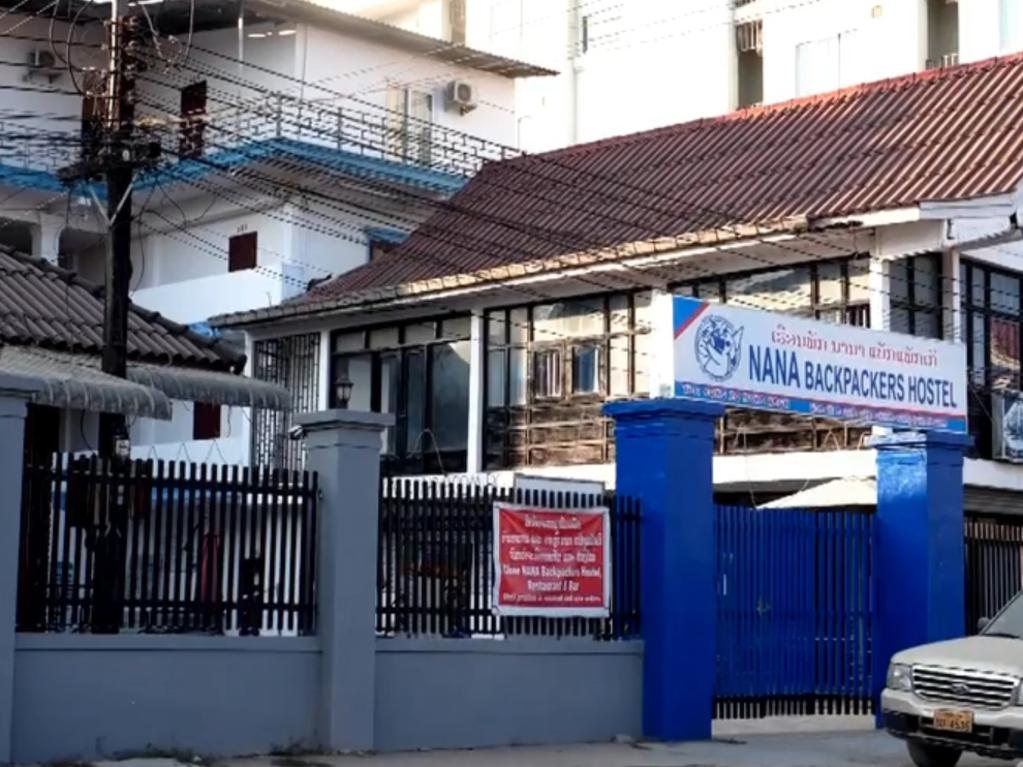
In the aftermath of these deaths, concerns have surged regarding the safety protocols at establishments frequented by tourists. The fact that free shots were offered at the Nana Backpacker Hostel raises serious questions about both the management and the regulatory bodies overseeing food and drink establishments in Laos. The public outcry in response to this tragedy serves as a critical reminder of the need for stringent safety measures and oversight to ensure that such an incident does not repeat itself.
Backpacker Safety: Navigating Risks in Laos
Backpackers traveling in Southeast Asia often prioritize adventure and cultural experiences, but the tragic case of methanol poisoning has underscored the necessity of being vigilant about safety. Vang Vieng, known for its party atmosphere, draws many young travelers who may underestimate the risks associated with consuming alcohol in unfamiliar settings. This emphasizes the importance of backpacker safety, which often includes being cautious about where and what they consume while abroad.
The incident at the Nana Backpacker Hostel serves as a stark reminder for travelers to conduct research about their accommodations and be wary of establishments that offer free alcohol. Additionally, it is crucial for tourists to stay informed about local health advisories and potential dangers specific to the region they are visiting. As the backpacker community absorbs this tragedy, it is vital for both travelers and hostel operators to establish safe practices and guidelines that could help prevent similar fatal incidents.
The Response of Authorities to Tourist Deaths in Laos
In light of the tragic deaths of foreign tourists due to methanol poisoning, the response from both local and foreign authorities has garnered significant scrutiny. Investigations have been launched with the promise of accountability; however, the reality remains that many families, like that of Simone White, feel let down by the processes in place to ensure justice and transparency. Charges may be pursued against individuals related to food safety violations, but these might not suffice in providing the answers and accountability that grieving families seek.
The lack of immediate and concrete action from officials raises critical questions about tourism safety regulations and the enforcement of health laws in Laos. It is essential for both Laotian authorities and the UK government to collaborate closely to reassess and reinforce safety protocols within the tourism sector. Such improvements are necessary to reassure travelers and their families that adequate measures are being implemented to prioritize their health and safety while visiting Laos.
UK Government Response to Methanol Poisoning Risks
The UK government has faced criticism for its handling of the methanol poisoning case in Laos, with families like that of Simone White demanding a more aggressive response to prevent future tragedies. While the government claims to be working to raise awareness about methanol poisoning risks worldwide, many feel that the action taken thus far has been insufficient in terms of providing real, protective measures for travelers. The emphasis on social media campaigns, while useful for spreading awareness, cannot replace concrete action to ensure safety.
Transparency and support from the government are crucial for the impacted families as they navigate their grief and seek answers about the ongoing investigations. The call for the Prime Minister to advocate strongly for justice underscores the urgency for higher-level government involvement in safeguarding the lives of British citizens abroad. As these families await updates, the government must prioritize implementing effective measures that could save lives and prevent similar incidences from occurring in the future.
Impact of Tourist Deaths on Local Tourism Industry
The tragic deaths stemming from methanol poisoning represent a significant challenge for the tourism industry in Laos, particularly in hotspots like Vang Vieng. Following these incidents, there has been a noticeable decline in tourist traffic as potential visitors reconsider their travel plans. Hostels and other accommodations in the area have reported being nearly deserted, forming a stark contrast to the bustling party scene that once characterized the town.
This downturn highlights the delicate balance between promoting tourism and safeguarding the well-being of visitors. For businesses in the region, there is an urgent need to enhance safety standards and restore trust with travelers. Ensuring that incidents such as those involving methanol poisoning do not happen again is vital for the recovery of Vang Vieng’s tourism sector and for the overall reputation of Laos as a travel destination.
Lessons Learned from the Vang Vieng Hostel Incident
The methanol poisoning incident at the Nana Backpacker Hostel serves as a critical learning opportunity for both tourists and the hospitality industry in Laos. It highlights the need for robust safety protocols and the importance of educating guests about potential risks associated with alcohol consumption in foreign environments. For travelers, understanding safe drinking practices and being discerning about where they choose to drink can significantly reduce risks.
From a business perspective, the incident calls for a complete overhaul of safety regulations in hostels and bars that cater to tourists. Training staff about the dangers of serving unsafe alcoholic beverages and maintaining transparency with customers about what is in their drinks are essential steps toward rebuilding trust. The lessons learned from this tragedy must lead to a transformed approach to tourist safety that prioritizes the lives of those who come to explore Laos.
The Role of Social Media in Raising Awareness
Social media has become an indispensable tool in raising awareness about significant issues, including the dangers of methanol poisoning in popular tourist destinations like Laos. After the tragic deaths of several tourists, platforms such as Twitter and Instagram have been flooded with information aimed at educating travelers about the risks associated with consuming potentially unsafe alcohol. These campaigns not only serve to inform but also empower individuals to make safer choices while abroad.
By leveraging the reach of social media, both concerned individuals and organizations have effectively mobilized discussions around traveler safety, urging potential visitors to step back and consider the implications of reckless drinking. Furthermore, the engagement of influencers and travelers sharing personal stories can have a profound impact on spreading caution and fostering a culture of safety within the travel community.
A Call for Justice and Accountability
The heartbreaking loss of Simone and the other victims of methanol poisoning has ignited a strong desire for justice among families and their supporters. Despite ongoing investigations, there is a pervasive feeling of frustration that accountability for these deaths remains elusive. Families are calling for more rigorous action from both local authorities in Laos and their own governments to ensure those responsible for the safety violations are held accountable.
As the investigations unfold, it is essential for the community to rally around the victims’ families and support their quest for justice. Advocacy efforts must focus on pushing for stricter enforcement of safety regulations and demanding transparency from government officials regarding their actions and communications. This united front is crucial to preventing future tragedies and guaranteeing that effective measures are put in place to protect travelers.
The Future of Tourism in Laos Post-Incident
Looking ahead, the future of tourism in Laos hinges on how the government, businesses, and the community respond to the methanol poisoning crisis. For the country to regain its status as a desirable travel destination, it must prioritize the safety and well-being of all visitors. This includes implementing comprehensive safety protocols and fostering a culture of accountability within the tourism sector that prioritizes the health of tourists.
Moreover, rebuilding the reputation of places like Vang Vieng requires a commitment to transparency and a proactive approach in addressing the fears that now hang over the area. By investing in outreach and safety education programs targeted at both travelers and local business owners, Laos can work towards restoring confidence in its tourism offerings while making strides to ensure that past mistakes are not repeated.
Frequently Asked Questions
What is Laos methanol poisoning and how does it affect tourists?
Laos methanol poisoning refers to instances where individuals, especially tourists, have suffered poisoning after consuming methanol-contaminated alcoholic beverages. Methanol is a toxic alcohol commonly found in industrial products like paint thinner and is sometimes illegally mixed with drinks to cut costs. Incidents in Laos, particularly those involving backpackers in places like Vang Vieng, have resulted in serious health consequences and even fatalities.
What happened during the Vang Vieng hostel incident related to methanol poisoning in Laos?
The Vang Vieng hostel incident involved a tragic case where six tourists, including Simone White, died after consuming free shots of alcohol believed to be tainted with methanol at the Nana Backpacker Hostel in Laos. This incident raised significant concerns about backpacker safety and the regulation of alcohol served in hostels across popular tourist destinations.
How has the UK government responded to tourist deaths in Laos due to methanol poisoning?
The UK government’s response to tourist deaths from methanol poisoning in Laos has included working to raise awareness of the risks associated with methanol consumption, identifying countries like Laos as high-risk for such incidents. However, families affected by these tragedies, such as Simone White’s, have expressed frustration regarding the adequacy of the UK government’s efforts and the lack of accountability for those responsible.
What measures can backpackers take to ensure safety against methanol poisoning in Laos?
Backpackers can enhance their safety against methanol poisoning in Laos by avoiding free or cheap alcoholic drinks, as these may be more likely to contain unsafe substances. It is also advisable to stick to reputable bars and establishments that are well-reviewed by other travelers. Awareness of the signs of methanol poisoning is crucial, and having travel insurance that covers health emergencies can provide additional safety.
What actions have been taken to hold those responsible for methanol poisoning in Laos accountable?
Currently, investigations into the methanol poisoning cases in Laos, particularly concerning the Nana Backpacker Hostel, have suggested that charges may be filed against certain individuals for food safety violations. However, these charges may not lead to direct accountability for the deaths, leaving affected families like Simone White’s feeling let down by the legal process and seeking further justice.
| Key Point | Details |
|---|---|
| Victim’s Identity | Simone White, a 28-year-old trainee lawyer from the UK. |
| Incident Overview | Simone died after drinking a shot laced with methanol at a hostel in Vang Vieng, Laos. |
| Other Victims | Simone was one of six tourists who died from methanol poisoning. |
| Source of Poisoning | The methanol was believed to have come from free shots served at the Nana Backpacker Hostel. |
| Family’s Response | Zak White, Simone’s brother, is demanding justice and accountability for her death. |
| Legal Accountability | There may be potential charges against 13 individuals in Laos related to food safety violations. |
| Government Involvement | The UK government has been informed but has provided limited updates on the investigation. |
| Tourism Impact | Vang Vieng has seen a decline in tourism due to the incidents and ongoing investigation. |
| Call for Awareness | The family believes more needs to be done to prevent methanol poisoning and ensure tourist safety. |
Summary
Laos methanol poisoning has tragically claimed the life of Simone White, sparking demands for accountability and justice from her family. As more details emerge about the incident involving contaminated shots at a Laos hostel, concerns about tourist safety and governmental oversight intensify. With six lives lost, including Simone’s, the urgency for awareness and accountability has never been more critical.