Listen to this article
A tragic landfill collapse in the Philippines has raised urgent concerns about landfill safety and waste management practices. On Thursday, a massive heap of waste at the Binaliw Landfill in Cebu City gave way, resulting in the death of a 22-year-old female worker and leaving over 30 individuals trapped under the debris. Rescue operations have been launched, with emergency personnel scrambling to find survivors amid fears of additional collapses. This incident highlights the serious waste management issues facing the region, as local officials point to inadequate practices as a significant factor contributing to the disaster. As Cebu City news continues to unfold, the rescue efforts remain a focal point for both the community and authorities alike.
The recent disaster at the Binaliw dumpsite underscores the critical need for improved landfill management techniques in urban areas. The sudden failure of the garbage mountain in Cebu City has drawn attention to the severe risks associated with dumpsite operations, as many locals are now grappling with the aftermath of the disaster. The collapse has sparked discussions about improving safety protocols and addressing the broader implications of poor waste disposal methods. With dozens still unaccounted for, the situation has ignited a community-wide response as families wait anxiously for news while rescue teams work tirelessly amidst the debris. This incident serves as a stark reminder that the consequences of neglecting proper waste management can be catastrophic, leading to both loss of life and heightened public safety concerns.
Understanding the Cebu City Landfill Collapse
The recent landfill collapse in Cebu City has brought to light serious concerns regarding the safety and management of waste facilities in the Philippines. On that fateful Thursday, a significant portion of the Binaliw Landfill — a site already under scrutiny for its practices — gave way, resulting in tragic consequences. With a young woman’s life lost and over 30 individuals still unaccounted for, the rescue operation has become a race against time. The incident underscores the urgent need for comprehensive reforms in waste management protocols to prevent such disasters from recurring.
Authorities are investigating the underlying causes of the collapse, with key officials indicating that inadequate waste management practices are to blame. Cebu City Councilor Joel Garganera emphasized that the current operations at the landfill resemble an open dumpsite rather than a sanitary facility. This alarming realization points to a broader issue within the Philippines, where many landfills operate without the necessary safety standards, leading to catastrophic events like this one.
The Impact of Landfill Safety Concerns
Landfill safety is a pressing issue that has significant ramifications for both the environment and public health. The collapse in Cebu City is a stark reminder of the potential dangers associated with poorly managed waste sites. In addition to the immediate risks to human life, there are long-term environmental impacts that can arise from such incidents, including soil and water contamination. Citizens and local leaders alike are calling for heightened safety measures and more stringent regulations to ensure that landfills do not pose threats to surrounding communities.
As more cities in the Philippines grapple with waste management issues, stakeholders must prioritize the establishment of safe, well-regulated landfill operations. The Cebu City incident has become a rallying point for advocating sustainable waste practices. Increased public awareness and government accountability can help tilt the balance toward developing safer landfill solutions, aimed at reducing the risks of future collapses and improving overall public safety.
Rescue Efforts at the Cebu Landfill Collapse Site
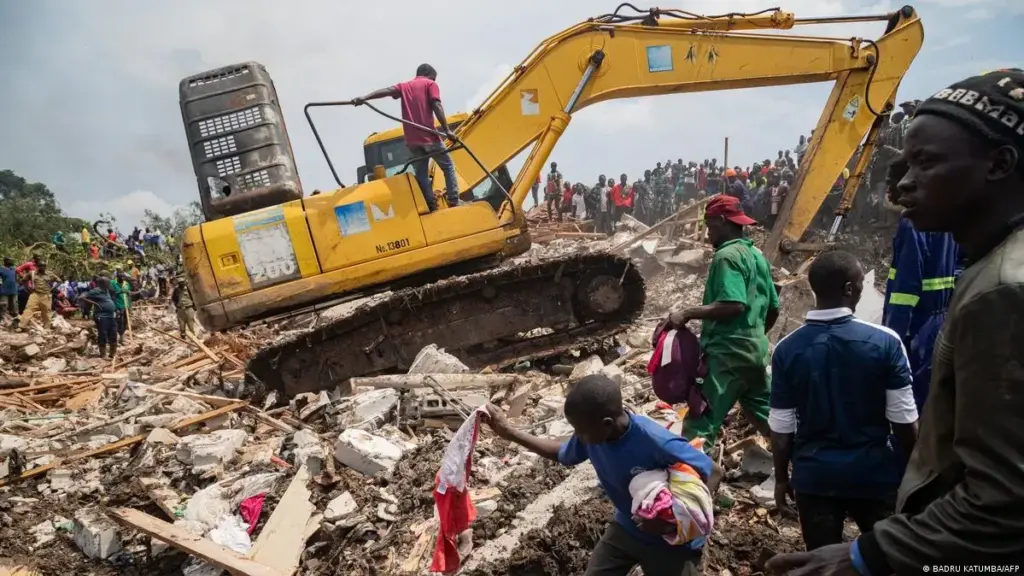
The rescue operation at the Binaliw landfill is a critical focal point for local and national responders. With around 300 personnel deployed, efforts are being made to locate both the injured and the missing. The complexity of the situation has made rescue attempts especially challenging, as the risk of further collapses complicates search operations. Rescuers face daunting conditions, working within unstable debris, which can shift and create additional hazards. Effective coordination between various rescue teams is crucial for maximizing their chances of success.
In the face of adversity, the community has rallied around those affected by the disaster. Families have gathered near the collapse site, anxiously awaiting updates on missing loved ones. Emotional stories from residents highlight the deep connections people have with those who may still be trapped. The determination of families and the tireless efforts of rescue teams exemplify the community spirit that emerges in times of crisis, pushing everyone involved to hope for a miracle amid the rubble.
Community Responses to Waste Management Issues
The tragic events following the landfill collapse have sparked widespread outrage and calls for reform within Cebu City and beyond. Many community members are voicing their frustrations about the lack of proper waste management oversight. As revelations about poor practices at the Binaliw landfill continue to surface, it is increasingly apparent that change is necessary to prevent further tragedies. Activists and local leaders are pushing for policy changes that emphasize sustainable waste management and the necessity of maintaining safe landfill operations.
This incident has also prompted public discussions regarding the roles of local governments in overseeing waste management facilities. Community forums and meetings are being organized to engage citizens in dialogue about the importance of maintaining safe and efficient landfills. As the discussion evolves, it is clear that addressing waste management issues is not only about immediate safety concerns but also about setting a standard for future practices throughout the nation.
Lessons Learned from the Philippines Landfill Collapse
The collapse of the Cebu City landfill serves as a grim lesson for future waste management strategies in the Philippines. Key takeaways from this incident highlight the necessity for improved oversight and stricter regulatory measures for landfill operations. By recognizing the signs of inadequate management practices, authorities can intervene before such disasters occur, ensuring the protection of workers and communities living near these sites.
Additionally, this tragedy emphasizes the importance of disaster preparedness and response planning in managing landfill safety concerns. Implementing training programs for local responders, along with developing strategic emergency response frameworks, can significantly reduce the risk of casualties in future incidents. The insights gained from the Cebu City collapse must lead to actionable changes, ultimately aiming to secure the health and safety of all citizens across the Philippines.
Emotional Toll on Families Affected by the Collapse
The emotional impact of the landfill collapse extends beyond the immediate dangers. Families of those missing are left in a state of uncertainty, grappling with grief and worry. For many in the affected community, the wait for news becomes excruciating. Personal stories, like that of Belen Antigua, highlight the human cost of such disasters. Her family members have been caught in the debris, showcasing the direct impact of the collapse on individual lives.
Community solidarity is evident as families come together in their search for information and support. This collective experience of tension and hope amplifies the emotional strain on all involved. Support systems—be it counseling services, community gatherings, or emergency assistance—are crucial in helping families cope during this harrowing time, reminding everyone that amidst tragedy, human connection remains a source of strength.
Role of Government in Managing Landfill Safety
The government’s role in managing landfill operations is underscored by the events in Cebu City, raising questions about existing policies and oversight mechanisms. Local officials have indicated that better regulatory practices are urgently needed to safeguard both workers and nearby residents from potential hazards related to landfill operations. The collapse serves as a clarion call for accountability and the need for stricter enforcement of waste management regulations.
Moving forward, it will be vital for governmental agencies to collaborate with environmental organizations, urban planners, and community leaders to develop sustainable waste management solutions. By focusing on proactive strategies that emphasize safety and environmental responsibility, the government can foster a safer environment and mitigate the issues surrounding landfill safety concerns.
Future of Waste Management in Cebu City and Beyond
In analyzing the future of waste management in Cebu City, the recent landfill collapse has become a pivotal turning point for city planners and policymakers alike. The incident has caused many to rethink current waste disposal strategies and consider more sustainable alternatives. As communities debate the advantages and disadvantages of existing landfills, there is urgency to transition toward eco-friendly waste management practices that prioritize public safety and environmental health.
The path ahead requires a commitment to establishing modern facilities that adhere to safety protocols and integrate community needs. Investing in waste reduction, recycling infrastructure, and public education programs could reshape the waste management landscape in the Philippines. The lessons learned from the Binaliw landfill collapse must catalyze a transformation that seeks to prevent future catastrophes and promotes a more sustainable approach to managing waste.
Media Coverage of Cebu City’s Landfill Collapse
Media coverage of the Cebu City landfill collapse has played a significant role in raising awareness about the incident and its implications for waste management throughout the Philippines. News outlets, including ABS-CBN and Rappler, have provided continuous updates on rescue efforts and community responses. This dissemination of information has helped inform the public about the ongoing dangers associated with landfill practices and the urgent need for reform.
Moreover, coverage of personal stories, such as those of families waiting for news of missing loved ones, has humanized the tragedy, forging a deeper connection with the audience. This public engagement can fuel advocacy efforts aimed at reforming waste management systems, pushing community members, activists, and policymakers closer to implementing essential changes. The media’s role in shaping public discourse surrounding landfill safety concerns cannot be underestimated.
Frequently Asked Questions
What are the recent developments regarding the Cebu City landfill collapse?
Following the tragic landfill collapse in Cebu City, authorities confirmed that one person has died, and over 30 individuals are missing. Rescue teams are actively working on-site, facing challenges due to the risk of further collapses. Efforts include utilizing excavators and emergency response teams to locate and assist trapped sanitation workers.
What caused the landfill collapse in the Philippines?
The exact cause of the recent landfill collapse in Cebu City remains unclear. However, local officials, including Cebu City councilor Joel Garganera, have pointed to inadequate waste management practices as a likely contributing factor to the disaster.
How many people were affected by the Cebu City landfill collapse?
The landfill collapse affected more than 30 individuals who are missing, alongside 12 others who were injured and rescued. The rescue operation continues as families await news of their loved ones trapped in the debris.
What safety concerns are associated with landfill operations in the Philippines?
The recent Cebu City landfill collapse highlights significant landfill safety concerns, particularly related to poor waste management practices. Cebu City officials have indicated that the landfill lacked proper sanitary measures, leading to its designation as an open dumpsite, which may have contributed to the collapse.
What measures are being taken during the rescue operation after the landfill collapse?
Rescue operations at the Cebu City landfill collapse site involve approximately 300 personnel from various government agencies and civilian organizations. They are using excavators, ambulances, and fire trucks to locate and aid missing individuals and ensure the safety of rescue workers amidst fears of further collapses.
How do landfill collapse incidents impact waste management policies in the Philippines?
Incidents like the Cebu City landfill collapse directly impact waste management policies in the Philippines by prompting reevaluation of current practices. Authorities may implement stricter regulations to ensure proper waste disposal and minimize risks associated with landfill operations.
What lessons can be learned from the Cebu City landfill collapse to prevent future incidents?
The Cebu City landfill collapse serves as a crucial reminder of the importance of sustainable waste management practices. Learning from this tragedy, stakeholders should prioritize effective landfill designs, regular inspections, and adherence to safety guidelines to prevent future collapses and protect communities.
What support is available for families affected by the landfill collapse in Cebu City?
Families of those affected by the Cebu City landfill collapse can receive support through local government initiatives and community organizations. Efforts are being made to provide emotional and logistical assistance to help families cope with the ongoing search and rescue operations.
| Key Point | Details |
|---|---|
| Incident Overview | A landfill collapsed in Cebu City, Philippines, killing one person and leaving over 30 missing. |
| Victims | A 22-year-old woman died, and around 30 people, mostly sanitation workers, are missing. |
| Rescue Efforts | Rescue teams are working quickly, with 300 personnel deployed and 12 injured workers rescued. |
| Challenges | Authorities face risks of another collapse, hindering search and rescue operations. |
| Causes | Poor waste management practices may have contributed to the collapse. |
| Community Impact | Families are anxiously awaiting news of their loved ones trapped under the debris. |
| Landfill Details | The Binaliw landfill spans approximately 15 hectares and is considered an open dumpsite. |
Summary
Landfill collapse incidents pose significant risks to both public safety and the environment, as exemplified by the tragic event in Cebu City, Philippines. Following the collapse that led to one death and left dozens trapped, questioning the causes of landfill collapses has become imperative. Inadequate waste management practices are often at the root of such disasters, underscoring the need for proper regulations and oversight in landfill operations. As rescue efforts continue, the safety of workers and surrounding communities remains a primary concern.