Listen to this article
The recent Lake Tahoe avalanche has tragically claimed the lives of nine skiers, marking one of the deadliest avalanche incidents in modern California history. On a seemingly ordinary trip in the Sierra Nevada mountains, a powerful avalanche engulfed a group of friends and guides, resulting in a frantic search operation that lasted several days. As rescue teams battled harsh weather and ongoing avalanche risks, the community mourned the loss of individuals who were not only skilled skiers but also cherished members of their families and friends. With the ninth and final victim found, authorities are now assessing the circumstances surrounding this devastating snow disaster, including allegations of potential criminal negligence. This incident highlights the dangers associated with backcountry skiing in California and the ongoing need for awareness regarding avalanche conditions in high-risk areas.
The catastrophic snow slide at Lake Tahoe has drawn attention to the hazards of skiing in California’s expansive mountain regions, specifically within the steep terrains of the Sierra Nevada. This incident, often described as the most deadly avalanche in recent memory, involved a group of enthusiastic skiers on an adventurous outing who faced a sudden and powerful snow avalanche. As search and rescue efforts unfolded, crews battled not only the challenging snow conditions but also the emotional turmoil of searching for missing individuals. The recovery of the ninth missing skier marks a poignant and somber closure to a tragic ski accident, while discussions around avalanche safety and rescue operations remain at the forefront of community concerns. With the identification of the victims, the impact of this harrowing event resonates deeply, underscoring the significance of safety measures in backcountry skiing.
The Lake Tahoe Avalanche: A Catastrophic Event
The Lake Tahoe avalanche that struck the Sierra Nevada region was a devastating event, resulting in multiple fatalities and stirring concerns about backcountry safety. This tragic incident unfolded mere days ago, when a tight-knit group of friends and ski guides found themselves caught in the grip of an avalanche that spanned the length of an American football field. The sheer force of this avalanche, described as the deadliest in modern California history, spread quickly, leading to panic among those on the slope. Those unfortunate enough to be buried under the snow included beloved local skiers and experienced mountain guides alike, illustrating the indiscriminate nature of such natural disasters.
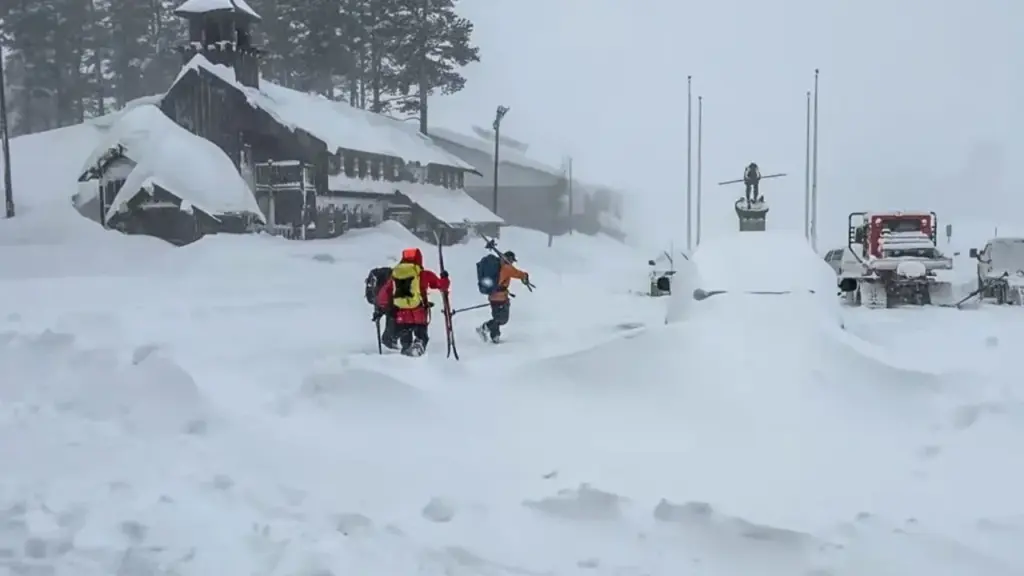
In the aftermath of the avalanche, authorities faced immense challenges during the recovery operations. Harsh weather conditions, including white-out visibility and dangerously high winds, hampered search efforts. As rescue crews braved the elements, helicopters were eventually deployed to aid in the recovery of the victims. Meanwhile, the community mourned the loss of nine individuals who shared a passion for skiing and the outdoors, and whose lives were tragically cut short. As investigations continue into the circumstances surrounding the avalanche and potential negligence, discussions regarding backcountry safety and avalanche preparedness have taken an urgent tone.
Avalanche Rescue Operations: Challenges and Responses
Avalanche rescue operations are complex undertakings that require quick thinking and precise execution, particularly in severe weather conditions such as those experienced during the Lake Tahoe avalanche. Rescuers faced significant obstacles, including ongoing avalanche risk due to high winds and unstable snowpack following the initial disaster. Such conditions render search operations far more precarious, with safety protocols dictating that crews often wait until conditions stabilize before resuming their work. This drawn-out recovery process became a heartbreaking reminder of the risks associated with backcountry skiing, where beautiful landscapes can quickly transform into treacherous situations.
In the case of the latest Lake Tahoe tragedy, multiple agencies coordinated their efforts to recover those buried under the snow. Helicopters played a crucial role in their approach, as they were used to disperse water over the area to mitigate further avalanche risks. The quick actions of the two survivors who were able to unearth their friends from the snow also highlighted the importance of avalanche awareness and preparedness. Their efforts, although unsuccessful in saving everyone, showcased the desperation and camaraderie that emerge in times of crisis. Moving forward, it is imperative that skiers equip themselves with proper avalanche safety gear and knowledge to navigate these risks.
Impact of the Deadliest Avalanche in California’s History
The avalanche that struck Lake Tahoe has not only claimed lives but has also made headlines as the deadliest avalanche in California’s recent history. This incident has resonated within the skiing community and beyond, raising awareness about avalanche dangers and the importance of education in mountain safety. The victims, including experienced guides, have been remembered not just for their love of skiing but for their contributions to the mountain community. Their tragic loss has sparked conversations surrounding the need for in-depth training on avalanche conditions, risk assessment, and proper procedural response during emergencies.
Moreover, with the ninth missing skier recently found, the finality of this tragic event has left an indelible mark on families and friends left behind. This catastrophe emphasizes that anyone venturing into the backcountry should be acutely aware of the risks an avalanche poses, even in familiar terrain. As authorities investigate possible criminal negligence related to the ski group’s outing, there is a systemic call for stricter regulations and improved safety measures for backcountry skiing to prevent future tragedies. The collective grief felt across communities acts as a poignant reminder of the beauty and peril of the Sierra Nevada and the urgent need for improved avalanche preparedness.
Investigating the Lake Tahoe Avalanche Incident
Following the Lake Tahoe avalanche that tragically took the lives of nine skiers, a thorough investigation has been launched to evaluate the circumstances that led to this calamity. Authorities, including the Nevada County Sheriff’s Office, are considering various factors such as weather conditions at the time, the group’s level of experience, and overall safety measures that were employed prior to the incident. Given that multiple fatalities have been recorded, the scrutiny has intensified, with discussions surrounding potential criminal negligence beginning to surface. Such investigations aim to draw lessons from this disaster to prevent similar occurrences in the future.
In light of the investigation, avalanche experts have been consulted to analyze the conditions surrounding the event. Insights regarding the size and force of the avalanche have prompted reviews of skiing protocols in California’s backcountry areas. The tragic loss of life signifies a critical moment for reassessing avalanche prevention strategies, encouraging ski enthusiasts to prioritize safety and preparation. The goal is to ensure that tragedies like the Lake Tahoe avalanche are not repeated, and that the memory of those lost can inspire a stronger commitment to education, awareness, and responsibility in the backcountry skiing community.
Reflecting on Personal Safety in Backcountry Skiing
As we reflect on the recent Lake Tahoe avalanche, it is imperative to emphasize the importance of personal safety and preparedness in backcountry skiing. Adventurers must equip themselves not only with the right gear, such as avalanche beacons, shovels, and probes but also with the knowledge to assess snow stability and terrain. The experience of the two survivors who managed to unearth fellow skiers from the snow starkly illustrates the critical role of preparedness during emergencies. Training courses that focus on avalanche awareness, rescue techniques, and risk management are vital in reducing the casualty rate during such events.
Furthermore, the loss of nine lives in this recent avalanche serves as a sobering reminder that even experienced skiers are not immune to danger in the backcountry. Skiers must cultivate a culture of safety and vigilance amongst friends and family, ensuring that everyone understands and respects the risks involved. By sharing knowledge and encouraging open discussions about avalanche safety, the skiing community can foster a proactive approach to wilderness adventures that prioritizes the well-being of all individuals.
The Role of Community in Avalanche Education
In the wake of the Lake Tahoe avalanche, community engagement plays a crucial role in promoting avalanche education and awareness. Local clubs and organizations can facilitate workshops and seminars dedicated to discussing the risks of backcountry skiing and providing practical training on safety protocols. By actively engaging the skiing community, these organizations can raise awareness about the significance of staying informed about avalanche conditions, particularly during winter months when snowfall is heavy. This collective effort can ultimately lead to a safer skiing experience for all.
Moreover, fostering camaraderie through community events can provide opportunities for sharing experiences and lessons learned from past incidents. Celebratory gatherings and memorials for those lost can serve as platforms for discussing strategies to enhance safety measures within the ski community. By remembering the victims of the avalanche while also educating current and future skiers, communities can create a legacy that emphasizes the importance of responsibility in the backcountry, potentially saving lives in the long run.
Avalanche Preparedness: Essential Skills for Ski Enthusiasts
Avalanche preparedness is an essential skill set for anyone venturing into the backcountry, and the recent Lake Tahoe avalanche incident underscores this reality. Ski enthusiasts should prioritize education on avalanche safety, focusing on understanding snowpack layers, weather forecasting, and appropriate gear usage. Knowing how to interpret avalanche warnings and reports can be lifesaving. Additionally, taking part in practical training sessions can familiarize individuals with proper rescue techniques necessary in emergency situations. Programs that teach these skills can empower skiers to make informed decisions and potentially save lives.
Moreover, engagement in avalanche preparedness often involves the use of technology, such as avalanche beacons and apps that provide real-time updates on conditions. The integration of these tools helps skiers stay aware of shifting weather patterns that could lead to hazardous situations. Furthermore, collaborative efforts among ski groups to conduct regular safety drills can enhance individual and collective preparedness. Embracing these practices fosters a safer environment on the slopes while encouraging camaraderie and responsibility among skiers.
Understanding the Sierra Nevada Ski Environment
Understanding the Sierra Nevada ski environment is essential for ensuring safety among those who explore its stunning terrains. The unique geography and weather patterns contribute to a variety of avalanche risks that skiers face. Factors such as slope steepness, snowpack stability, and meteorological conditions play a significant role in determining avalanche potential. The recent Lake Tahoe accident illustrates how swiftly conditions can change, turning an otherwise enjoyable experience into a life-threatening situation. Thus, skiers must arm themselves with knowledge about the ecosystem they navigate.
Additionally, the Sierra Nevada mountains feature diverse terrains that can appeal to both novice and expert skiers. However, it is crucial for individuals to remain conscientious of their surroundings and the inherent risks. Engaging with local ski guides and experts offers valuable insights into navigating these mountains safely. Ultimately, fostering a strong understanding of the Sierra Nevada environment enhances not only individual safety but also contributes to the collective safety of the skiing community.
Lessons Learned from the Lake Tahoe Catastrophe
The Lake Tahoe avalanche serves as a tragic reminder of the risks associated with backcountry skiing, highlighting the critical lessons learned in the wake of such devastating events. The incident emphasizes the necessity for continuous education and awareness in avalanche-prone areas. Ski enthusiasts must actively seek out training, stay updated on environmental conditions, and engage in discussions about safety protocols. Each skier must hold themselves responsible for understanding the terrain they explore and the potential risks they face in the backcountry.
Moreover, the collective grief following the loss of the nine victims inspires many to advocate for structural changes in avalanche safety regulations and emergency response protocols. A proactive approach to safety can significantly mitigate risks and improve the preparedness of skiers and rescue teams alike. By reflecting on these lessons and fostering a culture of safety, the skiing community can honor those lost by committing to safeguard lives through knowledge and preparedness.
Frequently Asked Questions
What happened during the Lake Tahoe avalanche incident?
The Lake Tahoe avalanche incident involved a powerful avalanche that struck a group of skiers in the Castle Peak area of the Sierra Nevada mountains. This tragic event, described as the deadliest avalanche in modern California history, led to the recovery of nine bodies, with the last missing skier found five days later.
How many people were affected by the Lake Tahoe avalanche?
A total of nine individuals were confirmed dead as a result of the Lake Tahoe avalanche. Initially, six members of a 15-person backcountry ski group were rescued, while the remaining skiers tragically lost their lives during the event.
What are the conditions surrounding the Sierra Nevada ski accident?
The Sierra Nevada ski accident involved severe weather conditions, including white-out visibility and high winds, which significantly hindered avalanche rescue operations. These challenges complicated the search efforts for the missing skiers.
Why is the Lake Tahoe avalanche considered the deadliest in modern California history?
The Lake Tahoe avalanche is deemed the deadliest in modern California history due to the sheer number of fatalities it caused—nine skiers lost their lives. The avalanche was described as stretching across the size of a football field and had the potential to demolish structures, showcasing its powerful force.
What were the rescue operations like after the Lake Tahoe avalanche?
Rescue operations following the Lake Tahoe avalanche faced significant difficulties due to ongoing avalanche risks and adverse weather conditions. Helicopter support was delayed due to high winds, but once conditions improved, helicopters were deployed to help manage avalanche risks and assist in locating survivors.
What are authorities doing in light of the Lake Tahoe avalanche tragedy?
Authorities, including the Nevada County Sheriff’s Office, are investigating the Lake Tahoe avalanche tragedy for potential criminal negligence. This inquiry focuses on the circumstances surrounding the avalanche and the safety protocols of the guided ski trip involved.
Who were the victims of the Lake Tahoe avalanche?
The victims of the Lake Tahoe avalanche included a group of friends and guides, predominantly from California, Idaho, and Nevada. Their names and details were released by authorities, highlighting the personal connections within the affected community.
| Key Point | Details |
|---|---|
| Avalanche Incident | A powerful avalanche struck in Lake Tahoe, claiming the lives of nine skiers. |
| Victim Recovery | All nine bodies have been recovered by rescue teams after five days of searching. |
| Survivors | Two members of the group survived the deadly avalanche. |
| Avalanche Description | The avalanche was described as ‘football-field sized’ and one of the deadliest in California. |
| Weather Conditions | Rescue operations were hampered by severe weather and high winds. |
| Victims Identified | Victims included skiers and guides, with names released by authorities on Saturday. |
| Investigation | Authorities are investigating potential criminal negligence related to the incident. |
| Guided Ski Trip | The group was on a three-day guided ski trip in the backcountry when the avalanche occurred. |
Summary
The Lake Tahoe avalanche has resulted in a tragic loss of life, with all nine missing skiers found deceased following the devastating incident in the Sierra Nevada. This event highlights the increasing risks associated with backcountry skiing, particularly under challenging weather conditions. Rescue operations faced numerous obstacles, including severe weather, which delayed recovery efforts. The investigation into the causes and potential negligence is ongoing, ensuring this tragic event serves as a crucial reminder for safety in backcountry activities.