
Listen to this article
The recent Lake Baikal tourist accident has raised serious concerns regarding tourist safety on the world’s deepest and most iconic lake. Tragically, seven Chinese tourists and their Russian driver lost their lives when their mini-bus plunged through thin ice into the depths of Lake Baikal. This heart-wrenching incident highlights the perilous conditions that can arise during winter, especially as Irkutsk authorities continue to warn against venturing onto the ice during hazardous conditions. Governor Igor Kobzev’s heartfelt condolences to the victims’ families underscore the community’s grief and the importance of adhering to ice safety regulations. Tourists are urged to engage only with licensed tour operators to ensure their safety while exploring this stunning yet treacherous natural wonder.
The recent tragedy on Lake Baikal involving Chinese visitors serves as a somber reminder of the dangers associated with icy landscapes during winter months. The loss of lives in the plunge of a tourist bus into the lake’s depths reflects broader issues surrounding visitor security and the necessary precautions that should be taken. As authorities in Irkutsk investigate the circumstances of this horrifying event, it underscores the need for increased awareness of the risks involved in traversing frozen bodies of water. Tourists are cautioned about the unpredictable nature of ice and the vital importance of following established safety practices to prevent similar incidents. Engaging responsible tour operators and adhering to local guidelines is crucial to ensuring that outdoor adventures remain safe and enjoyable.
Tragic Lake Baikal Tourist Accident: A Reminder of Ice Safety
The recent Lake Baikal tourist accident serves as a bleak reminder of the dangers posed by venturing onto the ice of this majestic lake. A group of Chinese tourists, in pursuit of experiencing the beauty of Lake Baikal during winter, fell victim to the inherent risks associated with its frozen surface. The bus plunge into the icy depths, resulting in the loss of seven lives along with their Russian driver, underscores the need for strict adherence to ice safety protocols. With its icy allure drawing in adventurers, it is vital that tourists understand the potential life-threatening consequences of ignoring such precautions.
Local authorities, particularly in Irkutsk, are emphasizing the utmost importance of safety when exploring Lake Baikal during its harsh winters. Governor Igor Kobzev’s urgent reminder that traversing the frozen surface is not just reckless but could lead to calamities like the tragic accident is more pertinent than ever. He urged travelers to seek out official tour operators who are equipped to navigate the lake, ensuring that safety measures are in place for all excursions. The tragic loss underscores a pressing need for improved tourist safety awareness and education surrounding winter exploration.
The Role of Irkutsk Authorities in Ensuring Tourist Safety
In light of the recent accident at Lake Baikal, the Irkutsk authorities have ramped up efforts to bolster safety measures for tourists. With a focus on preventive actions, officials are exploring ways to educate visitors about the dangers associated with traveling on the lake’s ice. Following the tragedy, Governor Igor Kobzev publicly urged the community and tourists to take ice safety seriously, highlighting that negligence could lead to catastrophic consequences. The commitment of the local government to ensure the safety of all visitors is clear, as they strive to provide adequate resources and information.
Furthermore, the Irkutsk authorities are launching campaigns aimed at spreading awareness about the conditions of the ice and how to recognize unsafe areas. As Lake Baikal attracts many tourists from around the world, including a significant number of Chinese visitors, these initiatives are essential. Authorities are collaborating with local tour operators to ensure that safety protocols are consistently followed, and comprehensive information about the risks involved in ice activities is readily available. This endeavor to enhance tourist safety is crucial in preventing future incidents and ensuring a secure environment for exploration.
Understanding the Dangers of Ice Conditions at Lake Baikal
Lake Baikal, known for being the deepest lake in the world, presents unique and unpredictable ice conditions that can vary significantly from one area to another. This newly emerged danger is especially critical during the winter months when the lake is often completely frozen, attracting thousands of tourists seeking adventure. The tragedy involving the Chinese tourists and their Russian driver has highlighted the perilous nature of traversing the lake’s surface, particularly in regions where ice fissures are present, as was the case in the recent accident.
It is essential for visitors to familiarize themselves with ice conditions before embarking on any activities over the frozen lake. Irkutsk authorities emphasize the importance of checking local advisories and engaging with certified tour operators who can provide accurate information on the safety of ice-covered areas. Proper understanding of these ice formations not only helps ensure an enjoyable experience but also drastically reduces the risk of accidents like the one that occurred. Education surrounding ice dangers within Lake Baikal is imperative to safeguard the lives of those who wish to explore its stunning landscapes.
The Importance of Using Certified Tour Operators at Lake Baikal
Amidst the ongoing investigation into the tragic Lake Baikal accident, a crucial point emphasized by Governor Igor Kobzev is the importance of engaging certified tour operators. Independent travel, as practiced by the tourists involved in the incident, was identified as a significant factor contributing to the accident. By utilizing official channels, tourists can access not only guided tours but also crucial safety information about navigating the ice and other natural features of the lake.
Certified tour operators are equipped with local knowledge about the lake, and they implement strict safety measures designed to protect their clients. They provide all necessary gear and continually monitor ice conditions, working closely with the Irkutsk authorities to ensure compliance with safety regulations. Tourists are encouraged to put their trust in these professionals, as it can mean the difference between a memorable adventure and a tragic accident. Prioritizing safety through recognized tour guidance is essential for anyone planning to explore the captivating yet unpredictable terrain of Lake Baikal.
Preventing Future Accidents at Lake Baikal: A Community Effort
In the aftermath of the tragic accident, there is a palpable sense of urgency within the community to prevent similar occurrences at Lake Baikal. Local citizens, authorities, and tourism stakeholders are collaborating to establish strategies that prioritize safety for both locals and visitors. Community forums are being organized to discuss potential measures, including the implementation of stricter regulations around ice activities and enhanced signage regarding safety protocols.
Notably, public workshops are planned to educate both residents and tourists about recognizing safe ice conditions and the risks involved in winter excursions. By fostering a collaborative environment and supporting one another in these efforts, the community believes it can create a culture of safety and awareness that will significantly mitigate the chances of accidents. The collective hope is that by sharing knowledge and implementing proactive measures, future tragedies at Lake Baikal can be avoided.
The Impact of Lake Baikal on Tourism in Siberia
Lake Baikal is not just a natural wonder but a significant driver of tourism in Siberia. Its stunning landscapes and unique ecological properties draw millions of visitors each year. However, the recent accidents have cast a shadow over its appeal, raising concerns about the measures in place to protect tourists. As the authorities grapple with improving safety protocols, the tourism sector must also adapt to ensure its continued growth without compromising visitor well-being.
Promoting Lake Baikal as a safe destination necessitates the development of clear guidelines for tourists. This entails educating them on safety behavior while also enhancing the services offered by tour operators. By fostering a culture of safety amidst its breathtaking scenery, Lake Baikal can maintain its status as a premier travel destination. Addressing the balance between adventure and safety is vital to ensuring the longevity of tourism in the region and safeguarding the experiences of all who visit.
Lessons Learned: The Need for Awareness and Education
Each accident at Lake Baikal offers an opportunity to learn and educate both the local population and tourists about the potential dangers associated with the lake’s environment. The tragic fate of the Chinese tourists serves as a sobering lesson that highlights the necessity of strict adherence to safety rules and protocols when visiting natural attractions. It’s imperative that this tragedy not be an isolated incident, but rather a catalyst for increased awareness and proactive education regarding ice safety.
Local leaders and tourism boards must take actionable steps to ensure that tourists are well-informed before they embark on their adventures. Implementing comprehensive safety briefings, distributing educational materials, and enhancing online resources related to ice conditions at Lake Baikal are essential strategies. In doing so, they not only honor the memory of those lost but also pave the way for a safer tourist experience in the area.
Emergency Response and Rescue Efforts on Lake Baikal
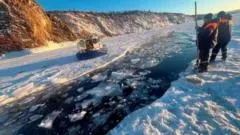
The emergency response following the Lake Baikal accident showcased the challenges faced during rescue operations in such an extreme environment. Divers were deployed to recover the bodies under conditions that are often icy and treacherous. Locating individuals who fall through the ice requires specialized equipment, including underwater cameras, and the skills of trained professionals adept at navigating the lake’s depths. The difficulty of these operations emphasizes the need for rapid response teams to be adequately equipped and trained to handle emergencies on the ice.
Moreover, the actions taken by Irkutsk authorities in other recent incidents reinforce the importance of preparedness in emergency situations. Early rescues of motorists trapped in their vehicles on the ice serve to illustrate the unpredictable nature of Baikal’s winter conditions. This urgency for better emergency protocols leads to discussions on enhancing coordination between different emergency services to ensure quick responses in future scenarios. Ensuring that response teams are fully prepared and well-resourced can save lives and mitigate the risks associated with winter travel on Lake Baikal.
Moving Forward: Strengthening Regulations for Lake Baikal Tourism
In light of the recent fatal accidents, there is a growing consensus among Irkutsk officials, local business owners, and community members that stricter regulations are essential for the safety of those who venture onto Lake Baikal. Establishing clear guidelines regarding which areas are safe for tourist activities is a crucial step, alongside rigorous enforcement aimed at curbing independent travel that poses significant risks to individuals. The focus must shift towards creating a safer environment that can fully accommodate the influx of tourists drawn to the lake’s beauty.
Strengthened regulations should encompass not only safety measures but also the training and certification of tour operators. By fostering a professional standard that tour groups must adhere to, the safety and enjoyment of tourist activities can be maximized. It’s vital that the local governance and community work collaboratively to find a balance between promoting tourism and ensuring that rigorous safety standards are met. This dual approach is key to resuming the safe enjoyment of Lake Baikal for generations to come.
Frequently Asked Questions
What happened during the recent Lake Baikal tourist accident involving Chinese tourists?
The recent Lake Baikal tourist accident involved a mini-bus carrying Chinese tourists that fell through a three-meter-wide ice fissure, plunging to the bottom of the lake. Tragically, seven Chinese tourists and their Russian driver lost their lives, while one tourist managed to escape.
How deep is Lake Baikal where the tourist accident occurred?
The Lake Baikal tourist accident took place at a site with a depth of 18 meters (59 feet). Lake Baikal is known to be the world’s deepest lake, reaching a maximum depth of 1,642 meters (5,387 feet).
What safety measures are in place for tourists visiting Lake Baikal?
Irkutsk authorities advise that venturing onto Lake Baikal’s ice is prohibited due to safety concerns, particularly during the harsh winter months. Tourists are urged to only use official tour operators to ensure their safety on the ice.
How have Irkutsk authorities responded to the Lake Baikal tourist accident?
Irkutsk authorities, including regional Governor Igor Kobzev, expressed condolences to the families of the victims. They also highlighted the dangers of Lake Baikal’s ice and reinforced the importance of following safety guidelines to protect tourists.
What ongoing actions are being taken following the Lake Baikal tourist accident?
Following the Lake Baikal tourist accident, a criminal investigation is underway to determine the cause of the tragedy. Authorities aim to increase awareness of ice safety to prevent such incidents in the future.
What lessons have been learned from previous Lake Baikal accidents?
Despite previous fatal accidents on Lake Baikal, authorities, including Governor Kobzev, have noted that many tourists continue to disregard safety warnings about venturing onto the ice, indicating a need for increased education on tourist safety in this area.
What should tourists consider before visiting Lake Baikal during winter?
Tourists planning to visit Lake Baikal during winter should consider the ice safety warnings issued by authorities and avoid venturing onto the frozen surface unless they are part of a guided commercial tour, as conditions can be unpredictable and dangerous.
| Key Point | Details |
|---|---|
| Accident Overview | A mini-bus carrying Chinese tourists and a Russian driver fell through the ice of Lake Baikal. |
| Casualties | The bodies of seven Chinese tourists and one Russian driver were recovered. |
| Survivor | One Chinese tourist managed to escape before the bus sank. |
| Accident Location | The incident occurred at a site on the lake with a depth of 18 meters (59 feet). |
| Governor’s Statement | Irkutsk Governor Igor Kobzev offered condolences and emphasized the life-threatening danger of venturing onto the ice. |
| Criminal Investigation | A criminal investigation regarding the causes of the accident has been launched. |
| Official Warning | Tourists are advised to use official operators and not travel independently on the ice. |
| Previous Incidents | The area has a history of fatal accidents, including a recent death of a Chinese tourist. |
Summary
The Lake Baikal tourist accident serves as a tragic reminder of the dangers associated with venturing onto the ice of this iconic Siberian lake. Following the loss of seven Chinese tourists and a Russian driver, authorities are emphasizing the importance of safety and the need for tourists to use regulated tour services. Governor Igor Kobzev’s call to action highlights the continuing dangers that exist during harsh winter months when the ice can be deceptive. This incident not only raises awareness about the risks present on frozen lakes but also underscores the need for stricter enforcement of safety regulations.

