
Listen to this article
Knife crime has become a pressing issue, particularly exemplified by recent incidents in South East London, where rising violence is deeply affecting communities. This Panorama special takes a closer look at the tragic cases of Daejaun Campbell and Kelyan Bokassa, two young lives cut short by unforgiving acts of aggression. Daejaun’s plea for life echoes the plight of countless youths grappling with the specter of knife-related violence, as his story intertwines with the murder investigation in Woolwich. The killings, which have sparked widespread concern about youth violence in London, highlight the urgent need for action against this epidemic. As we delve into the heart of these tragedies, the implications of knife crime on families and neighborhoods remain painfully clear.
The surge in violent altercations involving sharp weapons calls attention to the broader phenomenon of youth aggression in urban settings. In recent times, South East London has witnessed a distressing increase in stabbing incidents, with notable cases like the Kelyan Bokassa stabbing and the harrowing story of Daejaun Campbell capturing public interest. Such events serve as stark reminders of the dangers looming in the lives of young people, where the thrill of life can quickly turn tragic. As investigations unfold, including the ongoing murder inquiry in Woolwich, the dialogue surrounding youth violence emerges as a critical topic for parents, educators, and policymakers alike. Ultimately, the urgency to address the root causes of this violence is more imperative than ever.
The Escalation of Knife Crime in South East London
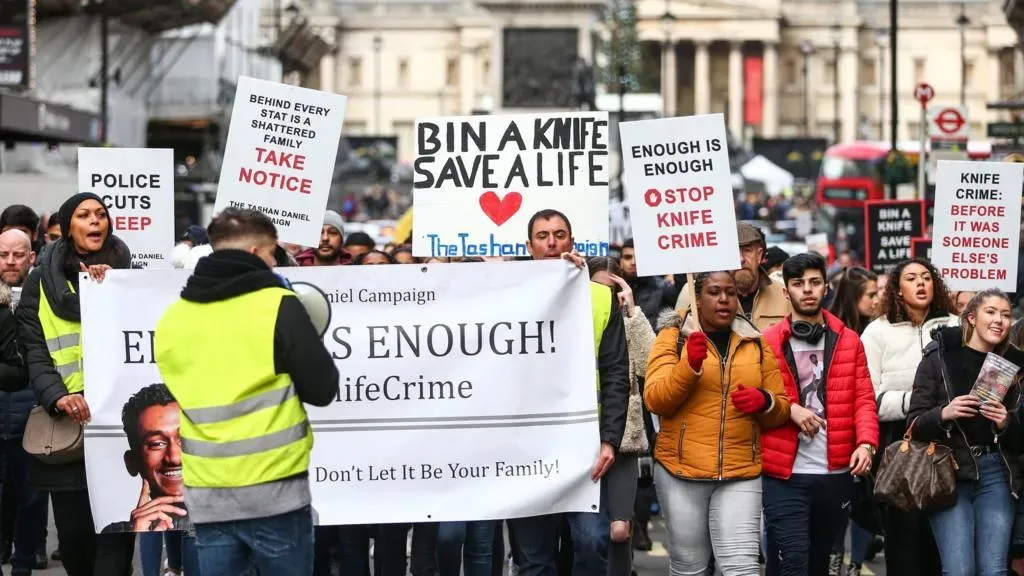
Knife crime has become a significant concern in urban areas across the UK, particularly in South East London. The alarming increase in incidents involving knives highlights a worrying trend that not only affects victims but also severely impacts entire communities. Families are torn apart, and the psychological scars left on those who witness such violence can be lifelong. Reports have indicated that young people are often involved in these violent acts, with youth violence in London becoming a critical issue for both law enforcement and social services.
The tragic cases of Kelyan Bokassa and Daejaun Campbell are emblematic of this growing crisis. Both boys lost their lives within a short span, and their stories resonate deeply with the public, prompting urgent discussions about the root causes of knife crime. Factors such as gang culture, social deprivation, and exposure to violence at a young age contribute to this devastating epidemic. As highlighted in the recent Panorama special ‘Knife Crime: What Happened to Our Boys?’, tackling knife crime requires a multifaceted approach involving education, community support, and intervention strategies.
Frequently Asked Questions
What factors contribute to South East London knife crime rates?
South East London knife crime rates can be attributed to several factors including youth violence, gang affiliations, drug-related offenses, and socio-economic disparities. The alarming incidents in this area, such as the stabbings of Daejaun Campbell and Kelyan Bokassa, highlight the urgent need for community interventions and preventative measures.
How has the Daejaun Campbell case impacted public perception of knife crime in London?
The Daejaun Campbell case has amplified public concern regarding knife crime in London, particularly amongst youth. This tragic event sparked discussions about violence, safety, and the effectiveness of law enforcement, reinforcing the perception that knife crime is a critical issue that needs immediate attention.
What lessons can be learned from the Kelyan Bokassa stabbing incident?
The Kelyan Bokassa stabbing incident serves as a grim reminder of the dangers associated with knife crime. It underscores the importance of community engagement and youth mentorship programs aimed at preventing violence. Additionally, it points to the necessity for stronger policies and interventions to address the root causes of youth violence in London.
What role do gangs play in youth violence in London, particularly related to knife crime?
Gangs play a significant role in youth violence in London, often leading to escalations in knife crime. Young individuals may be drawn into gang culture due to a sense of belonging, and this can lead to increased confrontations and violent acts, such as the murders of Daejaun Campbell and Kelyan Bokassa.
What measures are being taken to combat knife crime in Woolwich?
To combat knife crime in Woolwich, local authorities, schools, and community organizations are implementing various measures, including educational campaigns, increased police presence, and youth engagement programs. These initiatives aim to raise awareness about the consequences of knife crime and provide support and alternatives to at-risk youth.
How can communities support victims of knife crime like Daejaun Campbell’s family?
Communities can support victims of knife crime, such as Daejaun Campbell’s family, by creating support networks, fundraising for legal and emotional assistance, and advocating for policy changes. Public memorials and community forums can help raise awareness and build solidarity against knife violence.
What is the significance of the Panorama special on Knife Crime and its implications?
The Panorama special on knife crime, titled ‘Knife Crime: What Happened to Our Boys?’, is significant as it sheds light on the human stories behind the statistics. By focusing on victims like Daejaun Campbell and Kelyan Bokassa, it aims to foster a deeper understanding of the social issues at play and encourages public discourse on preventive strategies.
How do legal consequences for knife crime offenders impact community safety?
Legal consequences for knife crime offenders, as seen in the cases of Daejaun Campbell and Kelyan Bokassa, play a crucial role in community safety. Tough sentencing can deter potential offenders, while also sending a strong message that violent actions will have severe repercussions, thereby promoting a safer environment.
What support is available for youth at risk of being involved in knife crime?
Youth at risk of being involved in knife crime can access support from various organizations offering mentorship programs, counseling, and educational resources. Initiatives aimed at diverting young people from violence, along with community involvement, are essential in providing alternatives to gang participation and knife crime.
How can parents help prevent knife crime among youth in London?
Parents play a vital role in preventing knife crime among youth by fostering open communication, setting clear expectations, and educating their children about the dangers of carrying weapons. Engaging with community resources and encouraging positive peer relationships can also significantly reduce the likelihood of involvement in youth violence.
| Key Points |
|---|
| Two murders occurred in South East London involving knife crime. Kelyan Bokassa and Daejaun Campbell were both victims of stabbings in Woolwich. |
| Daejaun was ambushed and stabbed while asking for help, highlighting the shocking nature of such attacks. |
| Kelyan was later killed on a bus and called for his mother, illustrating the public danger posed by knife crime. |
| Imri Doue was sentenced to life for Daejaun’s murder, while his accomplice Marko Balaz received a lesser sentence for manslaughter. |
| Kelyan’s killers received life sentences as well and smiled during sentencing, reflecting the tragic desensitization to violence. |
| Daejaun’s mother expressed devastation over the knife crime epidemic, emphasizing the impact on families and communities. |
| The Panorama special titled ‘Knife Crime: What Happened to Our Boys?’ aims to expose the severity of this ongoing crisis. |
Summary
Knife crime continues to devastate communities, as illustrated by the tragic cases of Kelyan Bokassa and Daejaun Campbell. These two young lives lost to senseless violence in South East London raise urgent questions about safety and the need for effective measures to address this epidemic. With families shattered and communities on edge, it is crucial that society comes together to combat knife crime and protect our youth.