
Listen to this article
Knife crime remains a pressing issue within urban areas, as highlighted by the recent tragic incident in Wembley, London. A 22-year-old man lost his life after suffering multiple stab wounds, reflecting the alarming rise in knife-related violence. The community is left shaken, and local police are actively pursuing leads in their crime investigation efforts. In the wake of this act, Detective Chief Superintendent Luke Williams emphasized the profound impact knife crime has on residents. With heightened police presence expected in the area, officers are on hand to address concerns and gather essential knife attack news from community members.
The term ‘blade-related violence’ is often used interchangeably with knife crime, indicating a broader issue that extends beyond just one method of aggression. Incidents of stabbing and assaults involving sharp objects have increasingly drawn public attention, particularly in high-density locations like London. The challenge of addressing such violence requires concerted efforts from law enforcement agencies and community support networks. As police in Wembley ramp up their operations against such attacks, many seek to understand the underlying factors contributing to this trend. Public awareness and vigilance play a crucial role in mitigating the impact of these violent occurrences.
Understanding the Impact of Knife Crime in London
Knife crime has become a pressing concern in London, reflecting a broader wave of violence that affects communities across the city. The tragic stabbing of a 22-year-old man in Wembley is a stark reminder of the harsh realities residents face. With each incident, the ripple effect of grief and fear spreads amongst families and friends, highlighting the emotional and psychological toll of such violence. Authorities are increasingly tasked with finding innovative solutions to reduce these attacks and create safer environments for their citizens.
As police investigations continue in the wake of this latest incident, it is essential to recognize the community’s role in addressing knife crime. Initiatives aimed at educating young people about the risks associated with carrying knives and fostering skills for conflict resolution can serve as vital preventive measures. The commitment of law enforcement, as observed in the statements from Wembley police, emphasizes building trust with the community, encouraging residents to report suspicious activities and become active participants in fostering safety.
Recent Trends in Knife Attacks and Responses from Authorities
In recent years, the rise in knife attacks in London has raised alarms among residents and law enforcement alike. The striking number of incidents, including the recent attack in north-west London, has prompted a comprehensive response from police departments. With an increase in violent crime, officers have implemented strategies such as heightened patrols and community engagement programs, aiming to mitigate the fear of violence on the streets.
Moreover, the police are not only focused on immediate reactions but also on long-term solutions to combat the factors leading to knife crime. This includes collaborating with local organizations, schools, and youth groups to educate young individuals about the dangers of carrying weapons. As coverage of knife attack news proliferates in the media, public awareness and education are crucial components in the fight against this alarming trend.
The Role of Community Support in Crime Investigation
In the aftermath of violent incidents such as the recent stabbing in Wembley, the importance of community support in crime investigations cannot be overstated. Local residents possess valuable information that can aid police efforts in solving these crimes. As highlighted by Detective Chief Superintendent Luke Williams, community cooperation is pivotal for swift and effective investigations. Encouraging individuals to come forward with any relevant details not only helps in apprehending perpetrators but also fosters a sense of collective responsibility towards community safety.
Additionally, community support extends beyond just reporting crimes; it involves fostering a network of solidarity among neighbors to deter crime. Initiatives like Neighborhood Watch schemes and community meetings can empower residents to be more vigilant and proactive in their environments. When communities unite against crime, it sends a strong message that violence will not be tolerated, creating a safer atmosphere for everyone.
Increased Police Presence: What to Expect
Following the recent violence in Wembley, residents can expect to see an increased police presence in the area. This heightened visibility is part of a strategic response to reassure the community and provide a sense of security. Officers are dedicated to not only preventing further incidents but also to engaging with locals to address their concerns. The police’s commitment to transparency and communication is crucial in rebuilding trust with residents after such traumatic events.
Increased patrols also serve as a deterrent to potential offenders, signaling that authorities are actively monitoring and responding to crime. Throughout this period, the police aim to connect with community members, offering support and resources to help them feel more secure. By visibly demonstrating their commitment to public safety, law enforcement hopes to cultivate an environment where people feel empowered to help in the fight against crime.
Supporting Victims and Their Families After Violent Crimes
The emotional aftermath of violent crimes, such as the recent stabbing in Wembley, deeply affects not only the victims but also their families and loved ones. In light of these tragic events, it is vital for support systems to be in place to assist those who are grieving. Various organizations and community groups provide psychological counseling and other resources tailored to helping individuals cope with the trauma of violence.
Support services are crucial for bridging the gap during such difficult times, as families often struggle to navigate their emotions following a loss. Community outreach programs that offer grief counseling and practical help can play an essential role in the healing process. As society grapples with knife crime and its repercussions, fostering environments where victims’ families feel supported is imperative for resilience and recovery.
Police Investigations: Strategies for Solving Knife Crimes
The investigation of knife crimes requires a multifaceted approach, combining forensic analysis with community intelligence. The police must meticulously gather evidence while engaging with the public to solicit information that could lead to breakthroughs in their cases. In the wake of the stabbing on High Road, police have urged witnesses or anyone with information to come forward, highlighting the collaborative efforts needed to resolve these cases.
Detectives often utilize advanced technology, such as CCTV analysis and data collection from social media, to piece together events leading up to the crime. Coupled with on-the-ground intelligence, these strategies are crucial in building strong cases against suspects. The ongoing collaboration between law enforcement and the community demonstrates a holistic approach in tackling the increasing violence within the city.
Community Initiatives to Combat Knife Crime
Community initiatives have emerged as a powerful force in combating knife crime, particularly in urban areas like London. Programs geared towards youth engagement and education aim to deter young individuals from becoming involved in gangs or carrying knives. Workshops that emphasize self-defense, conflict resolution, and positive life choices have become integral in communities striving to lower the instances of violent crime.
Moreover, local authorities are collaborating with charities and schools to provide mentorship and vocational training, thereby establishing pathways for youth outside of gang culture. These initiatives play a significant role in addressing the underlying social issues that contribute to knife crime, promoting a culture of safety and mutual support within neighborhoods.
Navigating the Media Coverage of Knife Attacks
Media coverage of knife attacks in London, including the recent tragic incident in Wembley, often shapes public perception and awareness of violence. While reporting on such sensitive subjects is crucial for informing the community, it is essential for journalists to approach the topic responsibly. Nuanced reporting that highlights community resilience and police efforts can help counteract the fear often associated with violent crime.
Additionally, by focusing on broader context and preventative measures, media outlets can contribute positively to the narrative surrounding knife crime. Responsible journalism that encourages community engagement and promotes healing can play a vital role in breaking the cycle of violence and fear prevalent in the wake of these incidents.
The Future of Crime Reduction Strategies in London
As London continues to grapple with the troubling rise in knife crime, adapting and evolving crime reduction strategies will be imperative. Law enforcement agencies are exploring innovative techniques based on data and community feedback, indicating a shift towards a more holistic approach. Emphasizing partnership with communities, these strategies aim to address root causes rather than just the symptoms of violence.
The future may also see an increased focus on mental health resources and community rehabilitation programs, recognizing that intervention at a young age can prevent the cycle of violence. As police continue to adapt to the changing landscape of crime in London, the success of these initiatives will hinge on the active participation and support from local communities.
Frequently Asked Questions
What is the current situation regarding knife crime in London, particularly with recent cases like the Wembley police investigation?
Knife crime in London has been a growing concern, highlighted by recent incidents like the tragic stabbing in Wembley. Authorities, including the Wembley police, are actively investigating these cases to ensure community safety. Increased police presence has been implemented in areas experiencing spikes in incidents. Public vigilance and cooperation with law enforcement are crucial in combating knife violence.
How are law enforcement agencies addressing the issue of knife attacks in London?
Law enforcement agencies in London are actively working to address knife attacks by increasing community engagement and visibility. Following incidents like the recent stabbing in Wembley, police have reassured local residents of their commitment to safety through patrols and investigations. They encourage anyone with information related to such crimes to report it, which aids ongoing crime investigations.
What support is available for communities affected by knife crime, such as the residents in Wembley after the recent stabbing?
Communities affected by knife crime, including those in Wembley, have access to various forms of support. Local police offer resources for residents to share concerns and receive assistance. Outreach programs aim to educate people about the dangers of knife violence and promote community safety. Detective Chief Superintendent Luke Williams emphasized that officers are dedicated to supporting those impacted by such events.
What can residents do if they witness a knife crime incident, especially in light of recent violence in London?
If residents witness a knife crime incident, it is essential to prioritize safety and report the issue immediately. Contact local police at 101 or call 999 for emergencies. Witnesses can also provide information anonymously via Crimestoppers at 0800 555 111. Community awareness is critical in combating knife crime and ensuring swift action fromlaw enforcement.
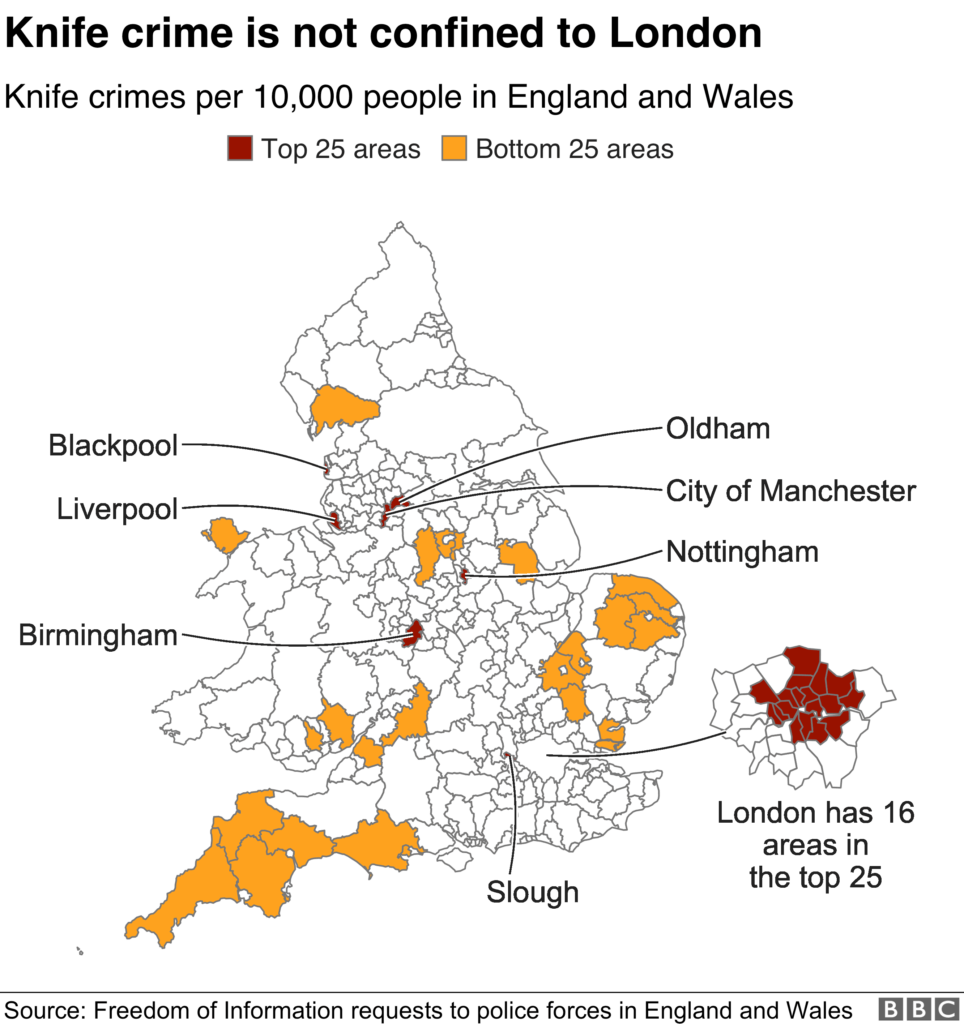
How do knife crime statistics in London help in understanding trends like the recent Wembley stabbing?
Knife crime statistics in London are vital for understanding trends and identifying hotspots for violence, such as areas like Wembley. By analyzing data, law enforcement can deploy resources more effectively, enhance crime prevention strategies, and engage communities. Recent incidents, including stabbings, reflect broader patterns, prompting strategic responses aimed at reducing knife violence and improving public safety.
| Key Points |
|---|
| A 22-year-old man was stabbed in north-west London. |
| The incident occurred on High Road, Wembley. |
| The police were alerted at 12:55 GMT on Monday. |
| The victim received treatment from paramedics and was taken to the hospital. |
| Sadly, he later died from his injuries. |
| No arrests have been made, and police investigations are ongoing. |
| Detective Chief Superintendent Luke Williams expressed condolences to the victim’s family. |
| He highlighted the devastating impact of knife crime on communities. |
| Increased police presence will be seen in the area for the next few days. |
| Residents are encouraged to report any information related to the crime to the police. |
Summary
Knife crime remains a critical issue in many communities, as highlighted by the tragic incident in Wembley that claimed the life of a young man. The impact of such violence is felt widely, affecting families and communities alike. As local authorities and police increase their presence to ensure safety and gather information, it becomes imperative for residents to support these efforts by reporting any knowledge they may have regarding knife-related offenses. This collaborative approach is essential in combating knife crime and fostering safer environments for everyone.