
Listen to this article
The Kingston University tower proposal has sparked significant debate within the South London community, as residents rally against the plan for a 29-meter high education building that threatens to overshadow their environment. Locals voice their concerns over the tower’s shadow impact on vital community spaces, including a treasured village green that they have worked diligently to preserve. With the proposed structure aimed at enhancing the university’s educational offerings, opposition remains strong, citing worries about how such a high-rise building could disrupt the character of the neighborhood. Areas adjacent to this Southampton landmark, especially the homes and schools nearby, could feel the effects of the towering addition, transforming their daily lives. As Kingston University pushes forward with its aspirations, the community stands firm in protecting their interests amid rising tension.
The recent proposal for a towering structure at Kingston University has generated considerable discussion focused on community concerns in South London. Residents have raised alarms about the prospective high-rise’s potential overshadowing effects, particularly on cherished local areas such as the village green. This education building, alongside its promised lecture theater and public spaces, is viewed by many as an intrusion that may disrupt the established character of the neighborhood and the conservation efforts surrounding it. Voices of opposition within the community have highlighted the importance of maintaining their local identity against the backdrop of modernization. As Kingston University continues its development plans, the balance between academic growth and community preservation remains a pivotal topic.
Community Opposition to Kingston University Tower Proposal
Residents in South London are uniting against the Kingston University tower proposal, expressing their serious concerns over its potential impact on the local community. The planned education building, soaring 29 meters high, is viewed by many as a significant intrusion on the neighborhood. They argue that the proposed structure is not suitable for the area, which has a distinct character and community atmosphere that residents have nurtured over many years.
The opposition is particularly vocal about the tower’s overshadowing effects, which they believe will darken their cherished village green. This green, recognized as a village green in 2006, symbolizes the heart of the community where families gather for events and activities. The residents feel that the university has not adequately addressed their concerns about how the towering structure would disrupt not only their daily lives but also the essence of their neighborhood.
The Impact of High-Rise Buildings on Local Communities
High-rise buildings like the one proposed by Kingston University can drastically alter the landscape and character of a community. In the case of the proposed education building, local residents fear the loss of light and space that they currently enjoy. Shadow impacts resulting from such tall structures can encroach upon gardens, homes, and community gathering areas, leading to diminished quality of life for those affected.
Moreover, the development threatens nearby important natural features, such as the rare chalk stream in the vicinity. Residents argue that any new development should prioritize the preservation of the natural environment, especially in a residential area that values its green spaces. The Kingston University education building proposal has sparked a broader discussion about the necessity of thoughtful urban planning and the importance of balancing educational needs with community well-being.
Concerns Over Community Consultation by Kingston University
The consultation process concerning the Kingston University tower proposal has faced criticism from local residents who feel their voices have been overlooked. There are strong sentiments that the engagement efforts by the university have been insufficient, particularly regarding the building’s height and design. Many believe that genuine dialogue could have fostered a more collaborative approach to development, aligning educational enhancements with community needs.
Residents like Chris Park have highlighted that a more consultative approach could have mitigated opposition by incorporating suggestions from community members. The lack of effective communication has contributed to growing mistrust and resistance towards the university’s plans. Engaging the community in a meaningful way is essential not only for project acceptance but also for the harmonious development of educational facilities that support local aspirations.
The Role of Conservation Areas in Urban Development
The Kingston University tower proposal raises essential questions concerning the protection of conservation areas in urban development. The neighborhood surrounding the proposed site is noted for its historical and environmental significance, aimed at maintaining the area’s unique character. Residents argue that allowing a high-rise building to overshadow such important spaces could lead to irreversible changes in the region’s cultural heritage.
Preserving conservation areas is paramount for ensuring that new developments do not compromise the character and aesthetics of neighboring communities. Opponents of the tower stress the importance of aligning new construction with existing values and the community’s commitment to protecting its heritage. The prospective shadow effect of the tower adds urgency to these conservation concerns.
Educational Enhancements vs. Community Integrity
The proposed education building by Kingston University is framed as a project aimed at enhancing educational facilities and providing amenities for students and the local community. However, this assertion is met with skepticism by many residents who fear that such benefits come at the cost of community integrity. They argue that educational advancements should not be prioritized over the social and environmental quality of their neighborhood.
Many community members express that while improvements to educational infrastructure are valuable, these developments must be balanced with the needs of local residents. The idea of a public square and café is appreciated, but opposing voices highlight that these proposed benefits could overshadow the essential nature of local life, which relies on the preservation of natural spaces and community gathering spots.
The Importance of Village Green Protection
The village green surrounding the proposed Kingston University tower site is a vital part of the community’s identity. Registered due to residents’ efforts over the years, it acts as a communal space for gatherings, leisure, and vital social interaction among neighborhood families. The threat posed by the construction of a tall building has galvanized residents to protect this space against encroachment, as they view it as irreplaceable to their lifestyle.
The protection of such community greens is crucial, not only for maintaining local ecology but also for fostering a sense of belonging and community spirit. The residents’ commitment to preserving this space is a significant factor in their opposition to the tower and reflects a broader concern for the wellbeing of the South London community amidst urban development pressures.
Environmental Concerns Regarding the Proposed Tower
In addition to structural and aesthetic concerns, environmental implications of the Kingston University tower proposal have sparked controversy among local residents. The potential disruption to local flora and fauna due to construction activities near the rare chalk stream is particularly troubling. Residents worry that development in this sensitive area could jeopardize existing ecosystems that many species depend upon.
Community members advocate for sustainable development practices that prioritize ecological conservation alongside educational goals. They stress that planning for new buildings should include comprehensive environmental assessments to ensure minimal impact on local wildlife and habitats. The dialogue surrounding the tower reflects a growing awareness of the need to integrate environmental considerations into urban planning.
The Future of Community Engagement in Development Projects
As the Kingston University tower proposal advances, the discussion surrounding community engagement in development projects has taken center stage. The critical feedback from residents emphasizes the need for educational institutions to adopt a more collaborative and transparent approach when proposing new builds. Building trust and fostering dialogue with local communities can lead to more successful and sensitive developments.
Going forward, it is crucial for developers and universities alike to prioritize community feedback and involve residents in the planning stages. Such collaboration could lead to solutions that honor both educational advancement and the preservation of community identity, ensuring that future development projects do not inadvertently alienate those they are meant to serve.
Monitoring the Decision-Making Process by Kingston Council
With the Kingston University tower proposal currently under review by Kingston Council, local residents are closely monitoring the decision-making process that could shape the future of their community. This situation reflects ongoing tensions between educational institutions aiming to expand and the residents who seek to preserve their neighborhood identity and quality of life.
The role of Kingston Council is critical in mediating these interests and making decisions that truly reflect the needs and desires of the community. Transparent communication from the council about the review process, as well as opportunities for residents to express their views, will be vital in fostering a sense of inclusivity as the council deliberates on the proposed tower.
Frequently Asked Questions
What are the main concerns regarding the Kingston University tower proposal?
The primary concerns surrounding the Kingston University tower proposal include its height of 29 meters, which residents argue could overshadow nearby homes and the village green. Community opposition stems from fears that the high-rise building will disrupt local life, impact conservation efforts, and threaten the character of the neighborhood, which is sensitive to changes due to its proximity to historical and communal spaces.
How does the Kingston University tower proposal affect local community spaces?
The Kingston University tower proposal is feared to overshadow the village green, recognized as the heart of the community and a site for local events. Residents have worked to protect this space since its registration in 2006, and there are concerns that the construction would darken the area, limiting its accessibility and reducing its importance to community life.
What are the potential impacts of the high-rise building on nearby schools and the environment in South London?
The proposed high-rise building by Kingston University may negatively impact nearby schools by overshadowing them, affecting educational experiences for children. Additionally, the construction could threaten local environmental features, such as a rare chalk stream, posing risks to the ecological balance of the area.
How has the community responded to the Kingston University education building proposal?
The community has shown strong opposition to the Kingston University education building proposal, expressing concerns through letters, informal gatherings, and organized campaigns. Residents have voiced their anxieties regarding the potential negative changes to their neighborhood, emphasizing the region’s need for conservation rather than high-rise structures.
What benefits does Kingston University claim the tower proposal would bring to the community?
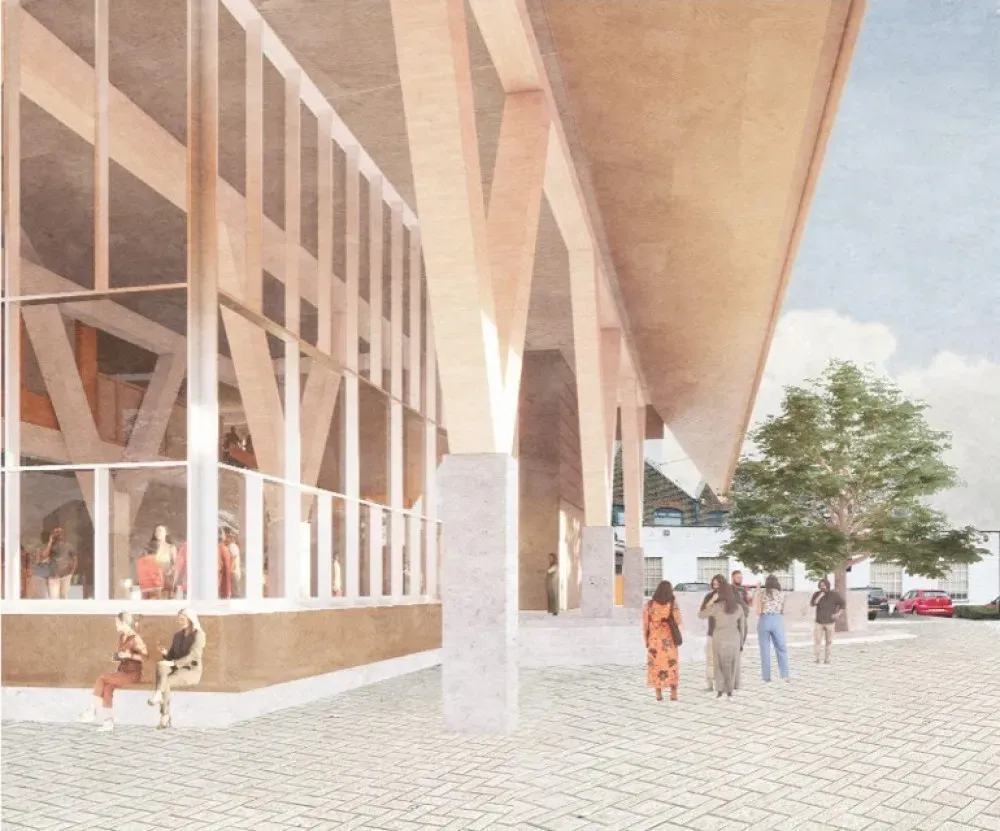
Kingston University claims that the proposed tower would enhance education by providing a lecture theater, student gallery, and teaching studios, as well as a café and public square at its base. The university believes the building would contribute to community improvements and integrate with the surrounding area.
What steps are being taken by Kingston Council regarding the tower proposal?
Kingston Council is currently reviewing the Kingston University tower proposal, considering community feedback and the implications of the construction. A decision is expected soon, reflecting the balance between the university’s objectives and the concerns raised by local residents about protecting their community.
Why is there community opposition to the high-rise building in Kingston?
Community opposition to the high-rise building in Kingston is driven by fears that it will overshadow residential areas, impact local daily life, and alter the neighborhood’s character. The villagers, who have actively worked to maintain their village green and support community cohesion, see the tower proposal as a threat to their established environment.
| Key Points | Details |
|---|---|
| Opposition from Residents | South London residents are strongly opposing the proposed tower by Kingston University, citing it as unsuitable for the area. |
| Height of the Building | The proposed building is 29 meters high. |
| Impact on Community Spaces | Concerns raised about overshadowing community spaces, including a village green, schools, and a rare chalk stream. |
| Demolition of Existing Structures | Current student accommodation at Middle Mill would be demolished to build the new tower. |
| Proposed Facilities | The new building is intended to house a lecture theater, student gallery, teaching studios, a café, and a public square. |
| Community Concerns | Residents fear disruption to local life and the potential loss of character in the neighborhood. |
| Engagement with Community | Criticism regarding Kingston University’s community consultation on the tower’s impact and design. |
| Decision Pending | The proposal is currently under review by Kingston Council, with a decision expected soon. |
Summary
The Kingston University tower proposal has generated significant opposition from local residents who are concerned about its impact on their community. The planned 29-meter high education building is seen as a threat to the character of the neighborhood and valuable community spaces, like the village green. As Kingston Council reviews the proposal, the voices of residents underscore the need for a careful consideration of how such developments affect local life.