Listen to this article
King’s US visit is currently shrouded in controversy, as the Liberal Democrats urge Prime Minister Keir Starmer to reconsider the timing of this important diplomatic engagement. Planned for the end of April, this state visit entails the King and Queen Camilla meeting US President Donald Trump, a move critics say could grant him a significant diplomatic win amidst rising tensions over the Iran conflict. With UK diplomatic relations hanging in the balance, many believe that such a visit during this politically charged atmosphere could exacerbate already strained transatlantic relations. Sir Ed Davey, leader of the Lib Dems, emphasizes that this visit should be called off, fearing it would signal an endorsement of Trump’s foreign policy. While Downing Street remains tight-lipped about the confirmation status of the King’s visit, the weight of public opinion is shifting rapidly as the situation unfolds.
The monarch’s potential trip to the United States has sparked a heated debate within UK political circles, particularly regarding the implications of King Charles III’s visit during a time of international conflict. As tensions arise from the escalating situation in Iran, questions about the appropriateness of fostering ties with the US administration come to the forefront. Many are concerned that an official engagement with President Trump could undermine Britain’s stance in global affairs, especially given the recent criticisms directed at UK responses to foreign interventions. This scenario highlights the intersection of ceremonial royal duties and political optics in a rapidly changing world, ultimately shaping the narrative of UK diplomatic relations on the international stage.
Call for Cancellation of King’s US Visit
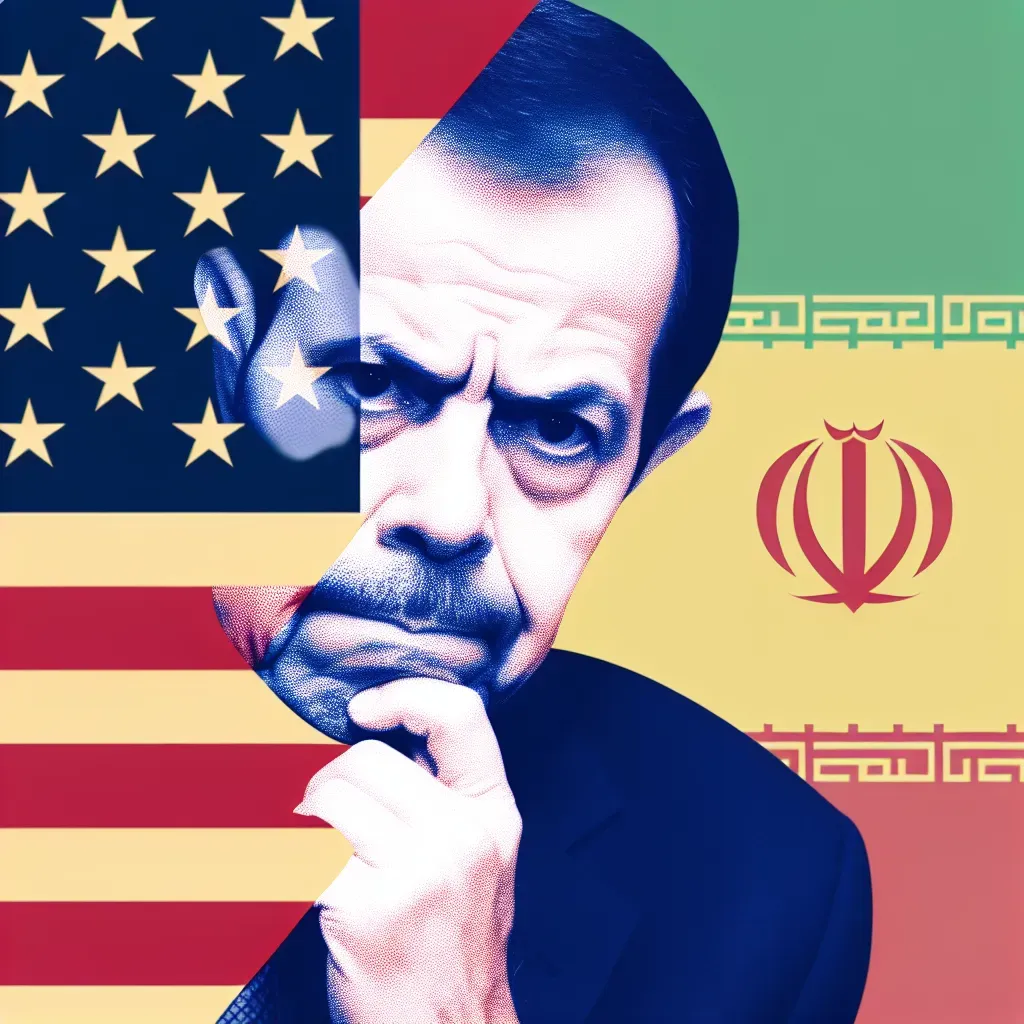
The Liberal Democrats, led by Sir Ed Davey, have raised concerns about the upcoming state visit of King Charles III to the United States, suggesting it should be cancelled due to current geopolitical tensions surrounding Iran. With President Trump’s controversial stance on the UK’s military involvement in the Iran conflict, the Lib Dems argue that the visit would effectively validate Trump’s approach, granting him a significant diplomatic victory. As Sir Ed pointed out, this visit could be perceived as a slap in the face for a nation grappling with the ramifications of international conflict and rising energy costs.
The discussions surrounding the King’s visit highlight the precarious nature of UK diplomatic relations during tumultuous times. The perceived leniency towards Trump’s provocations further complicates the UK’s position on the global stage. The Lib Dems believe that maintaining a stance against the US’s actions in the Middle East should take precedence over royal engagements, suggesting that the government should prioritize national values and interests over ceremonial diplomacy.
Impact on Transatlantic Relations
The tension between the UK and the US regarding military actions in Iran has the potential to strain transatlantic relations. While the UK has permitted American forces to utilize its bases, there remains discomfort among British politicians regarding the implications of such decisions. Sir Keir Starmer’s previous hesitation in allowing US planes to carry out bombing raids demonstrates the complex nature of UK foreign policy. The King’s visit could symbolize unity; however, it risks being interpreted as complicity in an ongoing conflict that several British leaders strongly oppose.
Furthermore, the criticism directed at Sir Keir by Trump, who has historically undermined Britain’s stature, only adds to the tensions. The ideal balance of cooperation in transatlantic relations while supporting national interests is a challenge that the UK government must navigate carefully. A state visit by the King during such a critical time could disrupt ongoing negotiations and efforts to establish a strong diplomatic front on issues concerning Iran and beyond.
Political Reactions to the Proposed Visit
The request by the Lib Dems to cancel King Charles III’s visit has sparked a wave of political reactions. Critics, including Conservative leader Kemi Badenoch, emphasize that royal visits should remain above the fray of political squabbling, advocating for the monarch’s role in fostering relations rather than becoming a pawn in party conflicts. The government’s position is clear: it is not for opposition leaders to dictate royal activities, thereby creating a potential rift among party lines on national protocol.
Moreover, as the date of the King’s proposed visit draws nearer, there is growing concern within Labour ranks. Some MPs are already anticipating increased internal and external pressure to address the contradictory nature of the visit amidst Trump’s inflammatory remarks and the ongoing Iranian conflict. It remains to be seen whether such pressures will prompt a significant shift in strategy or further exacerbate divisions within the UK Parliament.
The King’s Diplomatic Legacy
King Charles III’s role as a monarch has evolved significantly since ascending to the throne. His approach to international relations has often been marked by a dedication to fostering cordial ties with global leaders, focusing on issues of mutual concern such as environmental sustainability and humanitarian efforts. However, his upcoming state visit to the United States presents a unique challenge, particularly given the current climate surrounding the Iran conflict and Trump’s contentious policies.
A successful visit could bolster the King’s diplomatic legacy, showcasing the UK’s commitment to transatlantic solidarity; however, it carries the risk of backlash if perceived as an endorsement of US military actions. As a contemporary monarch, King Charles III must navigate these complexities to maintain the integrity of the British monarchy while also upholding the nation’s values in foreign relations.
Public Sentiment Towards the Royal Visit
Public opinion plays a crucial role in the discussions surrounding King Charles III’s proposed visit to the United States. Many citizens are wary of the political implications of royal engagements, particularly in light of the ongoing tensions related to Iran and the criticism levied at both the UK government and Trump. A significant portion of the public shares the sentiment expressed by the Lib Dems, believing that the visit may tacitly endorse provocative behaviors instead of promoting peace and stability.
Conversely, others argue that royal visits serve to strengthen diplomatic ties and demonstrate British values on the international stage. Balancing these contrasting views will be essential for the government, as well as for the monarchy, to ensure that any decisions made reflect the will and concerns of British citizens amidst the current geopolitical landscape.
Counterarguments to Cancellation Calls
While the Liberal Democrats advocate for the cancellation of King Charles III’s visit, there are compelling counterarguments supporting the trip’s continuation. Proponents argue that diplomatic engagements can pave the way for dialogue and reconciliation, especially during times of conflict. Rather than withdrawing from international discussions, the UK could use the visit to assert its stance on Iran and showcase a united front in the transatlantic alliance.
Additionally, the monarchy plays a pivotal role in maintaining Britain’s global stature and influence. By attending important state visits, the King is positioned to advocate for British interests directly, potentially offering a more balanced perspective on contentious issues such as military actions in the Middle East. This perspective emphasizes that the royal visit could serve not just ceremonial out of goodwill but as a strategic effort to engage with a key ally strategically.
The Role of the Prime Minister in Diplomatic Visits
The role of the Prime Minister is pivotal when it comes to facilitating state visits, particularly those involving high-profile leaders such as King Charles III. Sir Keir Starmer’s government must navigate complex international waters while balancing domestic pressures regarding the ongoing Iran conflict. Decisions about the King’s travel itinerary impact not only diplomatic relations but also the political landscape back at home, particularly with party lines starkly divided on foreign policy.
Ultimately, the Prime Minister’s decisions should reflect broader national interests and the values held by British citizens. The consultation with advisors and party leaders indicates that any diplomatic visits will be scrutinized, particularly during periods of heightened conflict. Therefore, the Prime Minister must weigh all factors carefully to uphold the integrity of both the monarchy and the UK’s standing in international relations.
Concerns Over US-Israeli Military Actions
Tensions surrounding the US-Israeli military actions in Iran have drawn sharp critiques from various political entities within the UK, impacting the planned royal visit. The military operations may be seen as exacerbating an already volatile situation, leading to public outcry that any royal endorsement could inadvertently sanction such actions. The notion that the King may lend legitimacy to contentious US policies raises serious concerns for politician leaders who prioritize peaceful resolutions and stability in the region.
In light of these realities, many UK politicians believe that the King’s presence during times of conflict could alter public perception of the monarchy itself. They argue that the monarchy should remain politically neutral to uphold its longstanding tradition and, therefore, any engagement during a politically charged environment could call into question the institution’s role in British society.
Future of UK-Diplomatic Relations amid Challenges
As challenges arise in the global political landscape, the future of UK diplomatic relations will be critical when weighing decisions regarding royal visits. There is a growing recognition that the government’s stance on international conflicts, particularly those involving powerful leaders like Trump, will dictate the nature and dynamics of these relations. The King’s proposed visit to the US emerges as a litmus test for the current administration’s ability to balance national interests with international obligations.
In this context, the monarchy can play an influential role in reinforcing Britain’s commitment to international cooperation while prioritizing its values. A successful visit could open new avenues for dialogue and collaboration, reinforcing alliances that may counterbalance existing tensions stemming from the Iran conflict and other geopolitical issues.
Frequently Asked Questions
What are the main reasons behind the Lib Dems’ backlash against King’s US visit?
The Liberal Democrats, led by Sir Ed Davey, argue that King Charles III’s US visit should be called off due to the alleged political repercussions tied to Donald Trump’s criticism of the UK’s response to the Iran conflict. They fear that the visit would provide a diplomatic victory to Trump during a sensitive time marked by US-Israeli military actions in the region.
How could King’s US visit affect UK diplomatic relations?
King Charles III’s US visit is seen as pivotal in shaping UK diplomatic relations, especially amidst tensions related to the Iran conflict. Critics, including the Lib Dems, suggest that the visit might reinforce Trump’s position and influence against the backdrop of his confrontational policies, potentially harming the UK’s image and diplomatic standing.
What stance has Downing Street taken regarding the confirmation of King’s US visit?
As of now, Downing Street has stated that King Charles III’s US visit has yet to be confirmed. They have refrained from commenting in detail, indicating that negotiations and discussions are ongoing, particularly relating to the sensitive context of UK-US relations during the Iran conflict.
What effect does the Iran conflict have on transatlantic relations amid King’s planned visit?
The Iran conflict has strained transatlantic relations, leading to increased scrutiny of military decisions and diplomatic moves. As King Charles III plans his US visit, the implications of UK’s military involvement in the region and how it aligns with US policies will be at the forefront of diplomatic discussions between the two nations.
What arguments are being made against the timing of King’s US visit amidst political tensions?
Critics like Lib Dem leader Sir Ed Davey argue that the timing of King Charles III’s US visit is inappropriate given the current political climate, highlighting concerns over Trump’s conduct and the broader implications for UK foreign policy. They believe the visit could be perceived as an endorsement of Trump’s controversial actions regarding Iran.
How have Labour and Conservative leaders responded to the King’s planned visit to the US?
Labour leaders express worry about the fallout of King Charles III’s potential US visit amidst ongoing criticisms of Trump’s actions in relation to the Iran conflict. Meanwhile, Conservative figures, including Kemi Badenoch, emphasize the need for the visit to remain non-political, advocating for a strong defense posture rather than a diplomatic backtrack.
What past visits have shaped King Charles III’s approach to international diplomacy preceding his US visit?
Before planning his upcoming US visit, King Charles III conducted several significant state visits to countries such as Germany, France, and Kenya since ascending to the throne, establishing a pattern of active engagement in international diplomacy that is likely to guide his interactions during his US visit.
| Key Points |
|---|
| The Liberal Democrats urged Sir Keir Starmer to prevent the King’s US visit due to Trump’s criticism of British actions towards Iran. |
| Sir Ed Davey, Lib Dem leader, argued that the visit would grant a diplomatic victory to Trump during a sensitive conflict. |
| Downing Street has not confirmed the King’s planned visit, scheduled for the end of April, amidst rising tensions. |
| The conflict has caused strain between the UK and US, especially regarding military cooperation in Iran. |
| Criticism arose from Trump, who disparaged Starmer’s leadership amidst the diplomatic disagreement. |
| Concerns have been raised that the King’s visit might be perceived as supporting Trump’s controversial policies. |
| Sir Keir defended his stance on military responses in the region, emphasizing alignment with UK interests. |
| Plans for the King’s outbound visits are managed by the FCDO, which coordinates invitations and arrangements. |
| King Charles III’s recent state visits include Germany, France, and others, signaling strong diplomatic engagement. |
Summary
King’s US visit is currently under scrutiny as the Liberal Democrats call for its cancellation, citing diplomatic tensions with President Trump over Iran. The proposed visit is seen as potentially rewarding the controversial US president amid a volatile international climate. Concerns over the implications of this visit highlight the delicate balance the UK must maintain in its foreign relations, particularly regarding its historical ties with the US and contemporary geopolitical challenges.