
Listen to this article
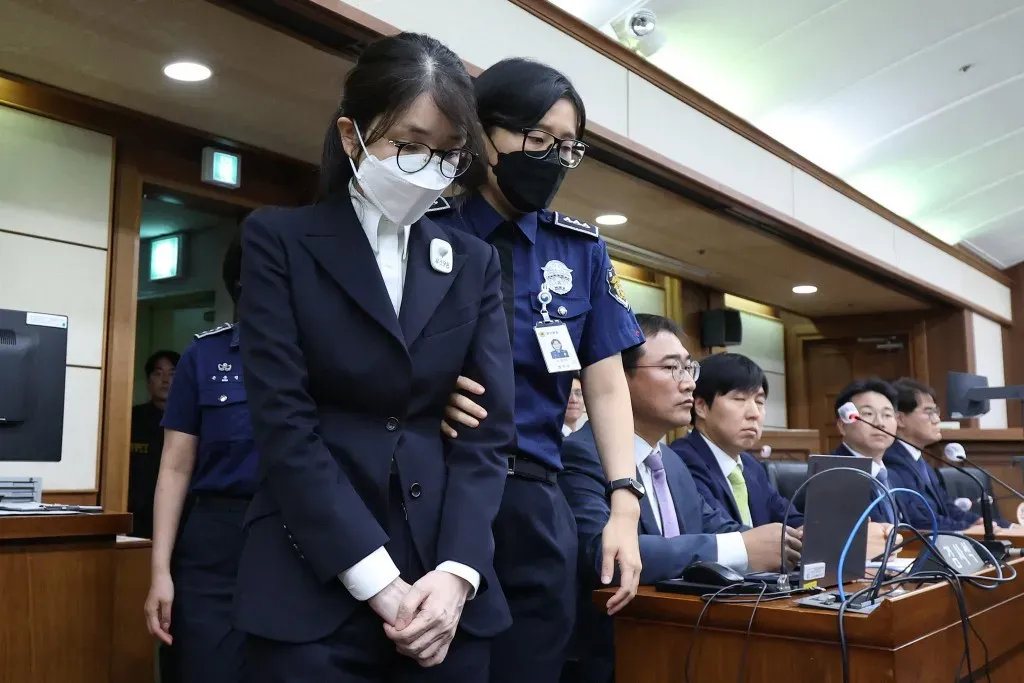
The Kim Keon Hee bribery case has sparked intense scrutiny and debate within South Korea, as the former first lady was recently sentenced to 20 months in jail for receiving illicit benefits from the controversial Unification Church. This political scandal is unprecedented, marking the first time in the nation’s history that both a former president and their spouse face conviction simultaneously, with Yoon Suk Yeol already serving a five-year term for abuse of power. As details of the case emerged, it became evident that issues of bribery in politics continue to plague the country’s democratic landscape, raising questions about the integrity of its leaders. Kim’s case is a stark reminder of how personal gain can jeopardize public trust and political legitimacy. With many closely following the implications of this scandal, it’s crucial to understand not only the legal outcomes but also the broader impact on South Korea’s political fabric and public perception.
In the heart of a controversy that has captivated South Korea, the case involving Kim Keon Hee highlights the darker side of political influence and corruption. This situation, rooted in allegations of unethical practices closely tied to the Unification Church, underscores the precarious nature of political integrity in a country still reeling from various scandals. As the former first lady faces legal repercussions for her actions, the repercussions extend beyond her own fate, intertwining with the fate of her husband, President Yoon Suk Yeol, who himself grapples with his imprisonment linked to similar abuses of power. The intertwining narratives of Kim and Yoon paint a larger picture of the ongoing struggles against bribery and corruption that plague political systems around the world. As the public watches closely, the fallout from these events will likely shape the future landscape of South Korean politics.
The Kim Keon Hee Bribery Case: A Political Scandal Unveiled
The Kim Keon Hee bribery case has emerged as one of the most significant political scandals in South Korean history, marking a stark reminder of corruption intertwined with governance. Kim, who was the first lady during her husband Yoon Suk Yeol’s presidency, was convicted for accepting bribes from the Unification Church. This case not only highlights the influence of controversial organizations in politics but also raises questions about ethical standards among those in power. The implications of this scandal extend beyond Kim; they reflect on the current political climate in South Korea, where trust in public officials is further eroded by such high-profile corruption cases.
The courtroom dynamics unfolded with a clear focus on Kim’s acceptance of luxury gifts, including an extravagant diamond necklace and several designer handbags, which were allegedly exchanged for political favors. As the court deliberated, it also shed light on the cultural nuances surrounding gift-giving within South Korea’s political landscape, where such practices are often normalized. This case sets a precedent, illustrating the judiciary’s role in ensuring that even the most powerful figures are held accountable for their actions.
Yoon Suk Yeol’s Imprisonment: A Political Context
The political fallout from Kim Keon Hee’s conviction is closely tied to the controversies surrounding her husband, Yoon Suk Yeol. Yoon, who recently faced his own legal challenges, has been sentenced to five years in prison for offenses related to power abuse and obstructing justice, which further complicates the narrative of corruption among South Korea’s ruling elite. This intertwining of their legal battles brings to light a broader context of systemic issues within the nation’s political framework, raising concerns about the future of governance and public trust.
Yoon’s imprisonment alongside Kim reflects an unprecedented moment in South Korean history, where the former first family is simultaneously embroiled in legal troubles. This scenario has sparked widespread debate about the ethical responsibilities of public figures and their fallout on the political party they represent. As both faces of the People Power Party are judicially reprimanded, analysts speculate on the long-term effects on their party’s credibility and voter trust, which could lead to significant shifts in upcoming elections.
The Unification Church Controversy and Its Political Implications
The Unification Church controversy serves as a backdrop for the bribery allegations against Kim Keon Hee, raising profound questions about the intersection of religion and politics in South Korea. The church, known for its controversial practices and influence, has long been suspected of exerting undue influence on political figures, manipulating them for mutual benefits. Kim’s acceptance of gifts from the church has rekindled discussions surrounding the permissible boundaries of political alliances and the risks of corruption that accompany them.
In society, the connection between the Unification Church and political figures creates a significant narrative that can lead to public scandal and distrust. As the details surrounding Kim’s bribery case unfold, it becomes evident that this controversy extends beyond her actions alone, indicating a larger systemic issue within political spheres. Understanding the ramifications of such relationships is crucial, as they ultimately shape public perception and scrutinize the integrity of elected officials.
Bribery in Politics: The Broader Context
Bribery in politics remains a focal point of concern globally, and the case of Kim Keon Hee is a stark example of how such practices can tarnish political integrity. This issue, while prominent in South Korea, resonates with a universal narrative—where leaders and public officials may succumb to corruption, undermining the principles of democracy and accountability. The ramifications of bribery lead to disillusionment among the electorate, sparking widespread calls for reform and transparency.
As the Kim Keon Hee case unfolds, it offers South Korea an opportunity to reflect on its political culture and the mechanisms of accountability that govern its leaders. The discussions surrounding the case could prompt legislative reforms aimed at reducing the prevalence of bribery and enhancing ethical standards within the political arena. It also poses questions about how society can push for systemic changes to discourage such misconduct and foster a more transparent and accountable government.
The Sentencing of Kim Keon Hee: Legal and Social Repercussions
The sentencing of Kim Keon Hee to 20 months in prison for bribery has sparked a nationwide conversation about the legal implications of corruption in high office. As one of the few first ladies to face legal consequences for her actions, Kim’s case sets a significant precedent in South Korea’s legal landscape. The case challenges societal norms regarding the expectation of ethical behavior among public figures and opens discussions about the accountability of those who wield power.
This sentencing not only affects Kim but also resonates with the populace—reflecting deep disappointments in leadership. The ruling signifies a critical stand against corruption, showing that the judiciary is willing to confront those in power, regardless of their status. This bold move can inspire public faith in the judicial system, making citizens more likely to seek justice against corruption within other layers of government.
Public Reaction to the Kim Keon Hee Case
Public reaction to the Kim Keon Hee bribery case is multifaceted, with citizens expressing a mix of outrage and support for judicial accountability. Many South Koreans view Kim’s conviction as a long-overdue response to the rampant corruption that has plagued political spheres historically. Social media platforms buzz with discussions on the implications of her case for future political conduct, urging for higher standards and transparency among public officials.
Conversely, some supporters argue that the conviction could be perceived as a politically motivated attack on the ruling party, complicating the narrative around judicial independence. Concerns about fairness in the trial process are raised, highlighting the tensions between political loyalty and legal accountability. This disparity in public sentiment emphasizes the need for ongoing dialogue regarding the intersection of justice, politics, and public opinion.
The Intersection of Law and Politics in South Korea
The intersection of law and politics in South Korea has never been more apparent than in the Kim Keon Hee bribery case. The fact that both a former first lady and her husband, the ex-president, are facing serious legal repercussions illustrates the inadequacies that exist within the political system, fostering an environment where corruption can flourish unchecked. This convergence of legal action against powerful figures challenges traditional norms and encourages citizens to demand accountability and substantial reform in their government.
This duality of law intersecting with political power raises critical questions about the balance needed to maintain democratic integrity. Public calls for systematic changes highlight the importance of establishing robust legal frameworks to safeguard against future misconduct. As South Korea navigates this complicated landscape, the ongoing developments surrounding Kim’s case may catalyze essential discussions on reforming laws governing political conduct, thereby reinforcing the principles of justice and integrity in politics.
Future Implications for South Korean Politics
The implications of the Kim Keon Hee case for the future of South Korean politics are profound. As the nation grapples with the ramifications of a corruption scandal involving its former highest-ranking officials, there is a growing demand for reform within political systems. Citizens are becoming increasingly vigilant, demanding transparency and accountability from their leaders, reflecting a significant shift in public expectations of government conduct.
Furthermore, the dual convictions of both Kim and Yoon may lead political analysts to speculate on shifts within party landscapes, potentially impacting upcoming elections. The electorate’s discontent may drive voters towards alternative political parties, signaling a desire for change and accountability. Such ripples could reshape South Korea’s political fabric, emphasizing the necessity for rigorous ethical standards to ensure that the mistakes of the past do not persist.
South Korea’s Corruption Landscape: A Historical Perspective
Examining South Korea’s corruption landscape provides context for the gravity of the Kim Keon Hee bribery case. Historically, South Korea has dealt with numerous political scandals where leaders engage in unethical practices without facing consequences, leading to a powerful narrative of corruption. The intertwining of business interests with political power has fostered an environment where bribery is often seen as a method for navigating the political landscape.
However, Kim’s conviction represents a potential turning point in this history, suggesting that legal frameworks are strengthening to combat such pervasive issues. As society evolves, this case serves as a reminder of the need for continued evolution in governance and law enforcement. Ultimately, it urges future leaders to adhere to stricter ethical standards, forging a new pathway towards a more transparent and responsibly governed South Korea.
Frequently Asked Questions
What is the outcome of the Kim Keon Hee bribery case?
In the Kim Keon Hee bribery case, the former first lady of South Korea was sentenced to 20 months in prison for accepting bribes from the Unification Church. She was also ordered to return a diamond necklace and pay back approximately 12.85 million won.
How has the Kim Keon Hee bribery case affected her husband, Yoon Suk Yeol?
The Kim Keon Hee bribery case has significant ramifications for her husband, Yoon Suk Yeol, who has also been sentenced to five years in prison for power abuse related to a failed martial law bid in 2024, marking a historically unprecedented situation for a presidential couple in South Korea.
What were the specific charges against Kim Keon Hee in the bribery scandal?
Kim Keon Hee faced charges stemming from her acceptance of gifts worth approximately 80 million won from the Unification Church in exchange for political favors. While she was convicted for bribery, she was acquitted of charges related to stock price manipulation and receiving free opinion polls.
What are the implications of the Kim Keon Hee bribery case for political ethics in South Korea?
The Kim Keon Hee bribery case raises critical questions about political ethics in South Korea, particularly regarding bribery in politics and the misuse of power by public officials. The case underscores the need for stringent regulations on political conduct and the handling of gifts to prevent corruption.
What connection does the Unification Church have to the Kim Keon Hee bribery case?
The Unification Church plays a central role in the Kim Keon Hee bribery case, as Kim accepted expensive gifts from the church in return for providing business and political favors, highlighting the controversial ties between religious organizations and political figures in South Korea.
Are there other legal issues facing Kim Keon Hee beyond the bribery case?
Yes, in addition to the bribery case, Kim Keon Hee is still facing charges regarding her alleged involvement in recruiting Unification Church followers to her husband’s party and accepting gifts in exchange for government job appointments, which are under consideration by the court.
How does Kim Keon Hee’s sentencing compare to others involved in political scandals?
Kim Keon Hee’s 20-month sentence is notable as it coincides with her husband Yoon Suk Yeol’s five-year prison term for related charges, reflecting a significant moment in South Korea’s political landscape, where both a former president and a first lady have faced conviction.
What role does the judicial system play in the Kim Keon Hee bribery case?
The judicial system in South Korea has played a crucial role in the Kim Keon Hee bribery case by ensuring accountability for political figures. The court’s decision emphasizes the seriousness of bribery in politics and the importance of safeguarding public trust in governance.
What are potential future developments in the Kim Keon Hee bribery case?
As Kim Keon Hee still faces additional charges related to her involvement with the Unification Church and political dealings, future developments may include new court rulings and implications for how political figures manage their relationships with organizations like the Unification Church.
How has public reaction been to the Kim Keon Hee bribery case?
Public reaction to the Kim Keon Hee bribery case has been mixed, with some expressing outrage at the corruption scandal involving a former first lady, while others see it as part of a broader pattern of political misconduct in South Korea. This case has sparked conversations about integrity in politics.
| Key Point | Details |
|---|---|
| Kim Keon Hee Sentencing | Sentenced to 20 months in jail for bribery. |
| Bribery Amount | Reported bribes worth 80 million won from the Unification Church. |
| Confiscation Orders | Ordered to return a diamond necklace and pay back 12.85 million won. |
| Charges Cleared | Cleared of stock price manipulation and receiving opinion polls before the election. |
| Unique Conviction | First instance of a former presidential couple convicted simultaneously. |
| Judge’s Remarks | Judge noted misusing her position for personal gain. |
Summary
The Kim Keon Hee bribery case has highlighted significant issues of corruption within South Korea’s political elite, particularly involving a former first lady. Sentenced to 20 months in jail, Kim Keon Hee’s conviction marks a notable moment in South Korean history, as it is unprecedented for a former presidential couple to face legal repercussions simultaneously. The case underscores the importance of accountability for those in power, as well as the need for ethical governance in the wake of scandals.