
Listen to this article
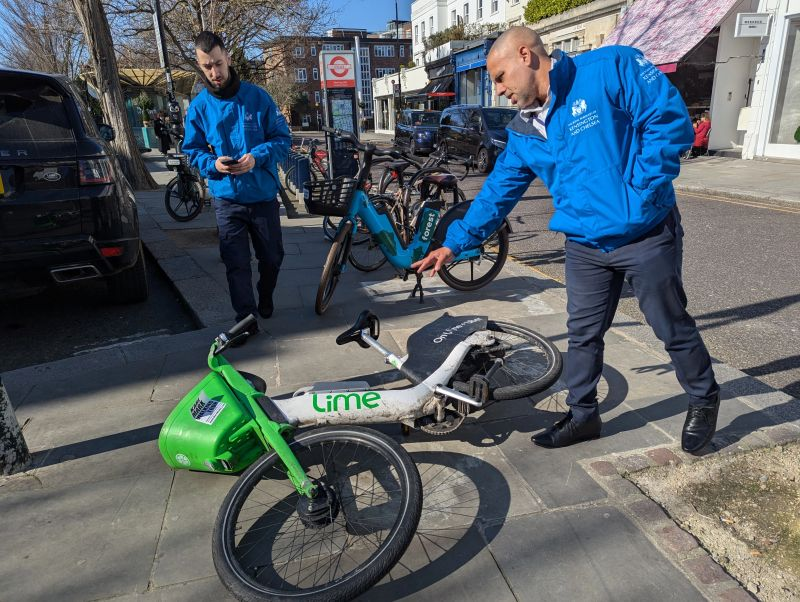
Kensington and Chelsea e-bike enforcement has become a crucial issue in the bustling borough of West London, where safety concerns stemming from improperly parked bikes have reached a boiling point. With over 1,000 rental e-bikes removed this year alone, the council aims to tackle the growing nuisance of pavement obstruction e-bikes that threaten pedestrian safety and mobility. Residents have voiced their frustrations over blocked footpaths, prompting a reactionary approach from local authorities, who are keen to ensure compliance with e-bike parking regulations. Leading the charge is Johnny Thalassites, who emphasizes the urgent need for effective London council bike policies to manage the booming popularity of e-bikes. As the council collects fees from seized bikes, these funds are reinvested into enhancing enforcement efforts, making it clear that the message on responsible e-bike usage is resonating throughout the community.
The enforcement of e-bike regulations in Kensington and Chelsea reflects a wider trend in urban areas where the proliferation of electric bikes has outpaced existing infrastructure and legislative frameworks. Authorities are increasingly addressing issues surrounding improper bike parking and its impact on pedestrian and vehicular traffic. In light of rising complaints from locals about scooters and bicycles cluttering pathways, the council’s proactive measures include the removal of bikes that violate designated parking zones. As communities seek solutions to ensure safe travel for both cyclists and pedestrians, the ongoing challenge of balancing convenience and public safety continues to shape conversations around urban mobility. Furthermore, the collaboration with rental operators underscores the need for a coordinated approach to promote compliance and enhance the overall e-bike experience.
The Rise of Kensington E-Bikes
In recent years, e-bikes have gained immense popularity in urban transport, particularly in Kensington and Chelsea. These eco-friendly vehicles offer a convenient way for residents to navigate the bustling streets of London while also promoting sustainable travel options. However, the surge in e-bike usage has been met with a series of challenges, particularly concerning parking regulations and pavement obstruction. Companies like Lime and Voi have introduced rental services, allowing users to quickly access bikes, but this has also led to concerns among local residents about safety and accessibility.
As e-bike usage continues to rise, it is imperative for local councils to establish clear guidelines and regulations to manage their impact on public spaces. The Kensington and Chelsea Council has already begun addressing these challenges, highlighting the need for designated parking bays and responsible operation policies. With the implementation of parking regulations, the council aims to facilitate the integration of e-bikes into the transportation ecosystem while prioritizing the safety of pedestrians and road users.
Frequently Asked Questions
What are the current e-bike parking regulations in Kensington and Chelsea?
Kensington and Chelsea Council has established strict e-bike parking regulations to combat pavement obstruction and ensure pedestrian safety. There are 246 designated parking bays for rental e-bikes. If bikes are parked outside these bays and are causing obstruction, operators are notified and must relocate them within 2 to 6 hours. Failure to comply may lead to the e-bikes being seized.
How does Kensington and Chelsea Council enforce e-bike parking policies?
Enforcement of e-bike parking policies in Kensington and Chelsea involves the street enforcement team, which has been strengthened with additional officers from Kingdom Local Authority Support. This team actively responds to resident reports and conducts patrols in high-traffic areas to monitor compliance with e-bike parking regulations.
What actions has Kensington and Chelsea taken against dangerously parked e-bikes?
Since January, Kensington and Chelsea Council has seized over 1,000 rental e-bikes that were dangerously parked and posed trip hazards on pavements. The council is committed to removing obstructive e-bikes to improve road safety and has collected significant fees from operators for the seizure and storage of these bikes.
Why is Kensington and Chelsea Council focused on e-bike pavement obstruction?
The focus on e-bike pavement obstruction in Kensington and Chelsea stems from community complaints about blocked paths hindering pedestrian movement. Council member Johnny Thalassites noted that residents are ‘sick’ of bikes obstructing roads and walkways. This initiative aims to enhance public safety and maintain clear access for pedestrians.
What is the impact of e-bike removal on Kensington and Chelsea residents?
The removal of improperly parked e-bikes positively impacts Kensington and Chelsea residents by reducing trip hazards and improving accessibility on pavements. The council’s efforts to enforce e-bike parking regulations aim to create a safer environment for residents and visitors navigating the area.
How many e-bike parking bays are available in Kensington and Chelsea compared to London?
Kensington and Chelsea has 246 designated e-bike parking bays, significantly fewer than the approximately 3,000 bays available across London. This limited availability highlights the importance of compliance with parking regulations to prevent undue obstruction.
What do e-bike operators in Kensington and Chelsea say about parking challenges?
E-bike operators like Lime acknowledge the challenges associated with e-bike parking in Kensington and Chelsea. They are actively working to address these issues by creating more parking bays and enhancing their on-street teams to prevent their bikes from causing obstruction.
What are the potential consequences for e-bikes parked outside designated bays in Kensington and Chelsea?
If e-bikes are parked outside designated bays and cause obstruction, the operators will be notified and given a limited time to move them. Failure to comply can result in the council seizing the bikes to ensure safety and accessibility for pedestrians.
What legislation governs the removal of e-bikes in Kensington and Chelsea?
E-bike removal in Kensington and Chelsea is governed by the Highways Act, which allows for the removal of vehicles that obstruct pavements, pose risks of toppling over, or endanger road users. This legislative framework supports the council’s efforts to manage e-bike parking effectively.
How is the revenue from e-bike seizures being used by Kensington and Chelsea Council?
The revenue generated from e-bike seizures and storage fees, amounting to over £81,000, is being reinvested by Kensington and Chelsea Council to enhance enforcement efforts. This funding is crucial for maintaining safety and compliance within the council’s jurisdiction.
| Key Point | Details |
|---|---|
| Concern Over Obstruction | Residents have complained about rental e-bikes blocking footpaths, creating trip hazards. |
| E-bike Seizures | Kensington and Chelsea Council has seized 1,000 rental e-bikes since January 2023. |
| Revenue from Seizures | The council has collected £81,000 in fees from e-bike operators, reinvesting this money for enhanced enforcement. |
| Collaborations with E-bike Companies | Companies like Lime and Forest are working to improve their services and reduce pavement obstruction. |
| Additional Enforcement Staff | The council has strengthened its enforcement team by hiring extra staff to monitor e-bike parking. |
| Designated Parking Bays | Kensington and Chelsea has 246 designated parking bays for rental e-bikes, compared to 3,000 in London. |
Summary
Kensington and Chelsea e-bike enforcement has become increasingly necessary as the council addresses residents’ concerns over obstructive and dangerously parked bikes. Since January, the council has taken decisive steps by seizing 1,000 rental e-bikes and collecting significant fees to bolster enforcement efforts. Collaborative initiatives with e-bike providers such as Lime and Forest aim to enhance service, while the addition of staff for monitoring ensures prompt responses to parking violations. These actions not only address immediate safety concerns but also contribute to the overall improvement of transportation in Kensington and Chelsea.