
Listen to this article
Kensal Canalside is poised for significant transformation as the Kensington and Chelsea Council recently approved a redevelopment project that promises to reshape the area. This ambitious plan encompasses the construction of 2,500 new homes and a variety of amenities designed to enhance the local community. However, the fate of current Canalside House tenants raises concerns, with many community organizations facing potential relocation due to the planned demolition. The displacement of these vital services has sparked a dialogue among residents and campaigners who advocate for preserving the community’s rich diversity. As the redevelopment progresses, it remains crucial to ensure that the needs of Canalside House tenants are thoughtfully addressed, fostering a balanced approach to community growth and support.
The ongoing transformation of the Kensal Canalside area highlights a pivotal moment in the development landscape of Kensington and Chelsea. While the redevelopment initiative aims to introduce thousands of housing units and modern amenities, it also poses challenges for local organizations currently based in Canalside House. Discussions surrounding the prospective relocation of these community services are essential, as many fear that their displacement could disrupt the support systems integral to the area. This situation underscores the urgency of ensuring that the needs and voices of those affected are integral to the planning process. As stakeholders navigate the complexities of development and community organization relocation, the future of this vibrant neighborhood hangs in the balance.
Understanding the Kensal Canalside Development
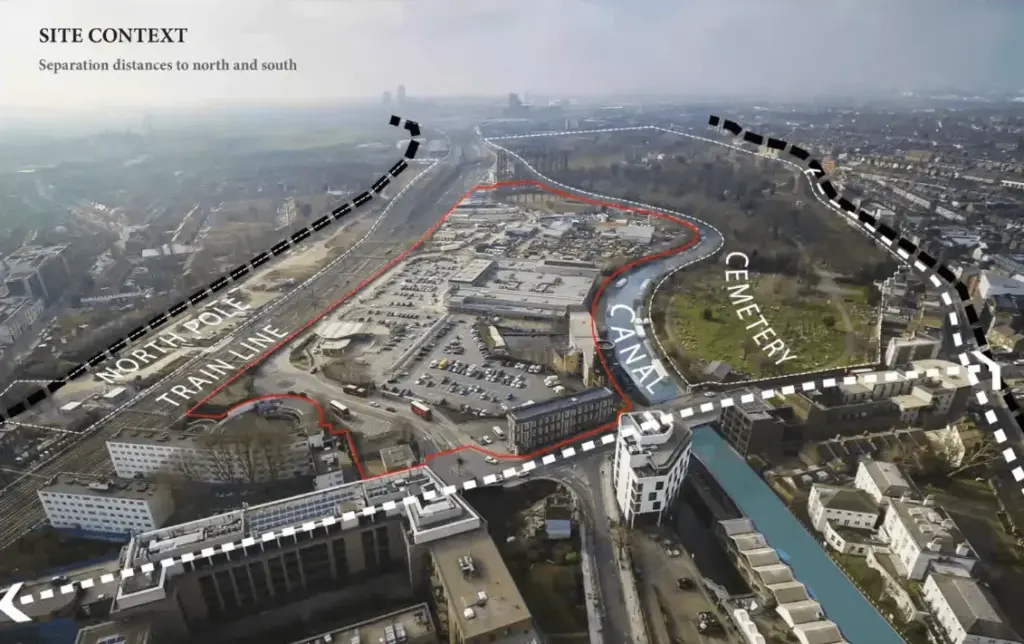
The Kensal Canalside redevelopment is a transformative project initiated by the Kensington and Chelsea Council. This initiative aims to revitalize the area with over 2,500 new residences alongside ample community amenities. However, as this ambitious development progresses, it also raises questions about the current tenants of Canalside House, who are integral to the local community. The plans have generated both excitement and concern among stakeholders, particularly the diverse organizations that operate from Canalside House.
The proposal was officially approved in November, yet it has not been without controversy. Many locals fear that the displacement of Canalside House tenants, including vital community organizations, could lead to a loss of support services for the area’s disadvantaged residents. As we delve into the details of the Kensal Canalside proposal, it becomes clear that while the development has the potential to enhance the community, the fate of current tenants must remain a focus to ensure fairness and inclusivity.
The Impact on Canalside House Tenants
As the Kensal Canalside project unfolds, the wellbeing of the Canalside House tenants is a primary concern. These tenants include several important community organizations, such as the Hodan Somali Community and the French African Welfare Organisation, which provide essential services to local residents. The uncertainty surrounding their potential relocation to Maxilla Hub, a proposed temporary site, has created significant anxiety among these community leaders. Indeed, many are worried that the interim change may lead to disruption of the services for which they are known.
Moreover, even though the council has committed to finding suitable alternative accommodations, the adequacy of these options remains questionable. Community leaders have expressed that a shift to Maxilla Hub could distance them from their clients, undermining the effectiveness of the support they offer. This highlights the necessity for the Kensington and Chelsea Council to ensure that the relocation process is handled with transparency and respect towards the tenants’ needs.
Concerns Over Community Organization Relocation
The relocation of community organizations from Canalside House has sparked considerable debate among locals and community advocates. Concerns have been raised regarding the potential loss of a vital community hub that has served West London’s residents for years. Community leaders believe that displacing these organizations could severely disrupt the support infrastructure essential to many families in the area. As discussions continue, it is crucial to prioritize the voices and needs of these groups to ensure they remain an integral part of the new Kensal Canalside vision.
Relocation plans to Maxilla Hub have been met with skepticism, as many fear this site’s accessibility and suitability for their ongoing programs. The community organizations argue that their presence at Canalside House is more than just a physical location; it embodies a supportive network that has thrived within the existing neighborhood. As stakeholders negotiate the terms of these relocations, a collaborative approach is essential to uphold the foundation that Canalside House has built over the years.
Kensington and Chelsea Council’s Role
The Kensington and Chelsea Council is navigating a complex path as it oversees the Kensal Canalside redevelopment and the associated displacement of Canalside House tenants. A spokesperson for the council emphasized their commitment to conducting a careful and considered relocation process that respects the community’s needs during construction. The council’s efforts to finalize a Section 106 agreement with the developer suggest they are attempting to balance growth with social responsibility as part of this major project.
However, criticisms have emerged about the council’s communication strategies and the perceived lack of involvement of local representatives. Voices such as Cllr Emma Dent Coad have pointed out that ward councillors have been excluded from crucial discussions regarding this transition. For the redevelopment to be truly inclusive, it is vital that the council collaborates openly with community leaders to address these concerns and foster a transparent dialogue about the future of the Canalside tenants.
The Maxilla Hub: A Temporary Solution?
Maxilla Hub has emerged as a proposed temporary solution for the relocation of Canalside House tenants during redevelopment. Located beneath the Westway, this site is approximately a 10-minute walk from the original location, and the council has identified it as a viable new home for several community organizations. However, the viability of this solution raises questions about the long-term support and functionality for the displaced tenants, who have voiced their preferences and anxieties about moving.
While the Maxilla Hub could initially accommodate these groups, the real challenge lies in ensuring that the relocation does not disrupt their ongoing services. Community leaders fear that being housed at Maxilla will impact their operations and accessibility, thus diminishing their effectiveness. It is imperative that Kensington and Chelsea Council reassesses this option and works closely with tenants to explore all possible alternatives that could better meet their needs in the face of impending changes.
Community Voices in Kensal Canalside Planning
Community voices remain at the forefront of discussions surrounding the Kensal Canalside redevelopment. Critics have voiced frustration over the way planning has progressed without thorough community engagement, arguing that the council and developers need to prioritize resident input. Tom Charles, a local editorial voice, highlighted the contradictory information provided regarding tenants’ futures, which amplifies community mistrust in the decision-making processes surrounding the development.
To effectively transform Kensal Canalside and uphold the community’s integrity, it’s crucial that representatives from Kensington and Chelsea Council engage meaningfully with the local residents. By fostering an inclusive dialogue, they can better understand the nuances of community needs, ultimately leading to a more equitable redevelopment plan that honors the legacy of Canalside House.
Addressing Community Housing Needs
The Kensington and Chelsea redevelopment plan not only aims to enhance the physical environment but also to address pressing community housing needs. Amid the excitement about new homes and amenities, it is vital that the council ensures the transitional arrangements for Canalside House tenants include permanent solutions tailored to their unique circumstances. The concerns surrounding the future of these community organizations must not get lost in the redevelopment dialogue.
Patterns in urban development have shown that community needs often take a back seat to larger commercial interests. The council should critique its own practices to ensure it acts in the best interest of those currently relying on Canalside House. By outlining clear expectations for housing accessibility and the sustainability of existing community services, the council can foster trust and support throughout the redevelopment process.
Future of Canalside House: A Collaborative Path
As the Kensal Canalside redevelopment continues to evolve, the emphasis on collaboration among various stakeholders will be crucial. The fate of Canalside House tenants represents more than just a logistical challenge; it serves as a test case for how well the Kensington and Chelsea Council can effectively engage with its community. Ensuring that the voices of those affected are heard and prioritized will greatly determine the success of this ambitious project, as well as its impact on the livelihoods and well-being of local residents.
While plans are underway for a potential relocation and integration of tenants into future developments, ongoing dialogues with the Canalside House tenants will help shape effective solutions. By combining community insight with council support, the redevelopment can address the needs of West London residents and create a thriving ecosystem within the new Kensal Canalside neighborhood.
Mitigating Disruption During Transition
One of the prime concerns during the Kensal Canalside redevelopment is minimizing disruption for the Canalside House tenants. The transition to a new location, such as Maxilla Hub, should be carefully orchestrated to ensure that essential services remain accessible throughout the process. The Kensington and Chelsea Council must prioritize the logistical aspects of moving while also considering the emotional and operational impacts on the tenants, many of whom provide critical services to vulnerable populations.
Strategizing ways to help tenants maintain their connections with the community during this move is essential. This could involve supporting existing programs or establishing transitional arrangements that facilitate continued service provision during the development phase. Such initiatives will go a long way in demonstrating a commitment to community resiliency as developers undertake the Kensal Canalside vision.
Frequently Asked Questions
What is the Kensal Canalside redevelopment project about?
The Kensal Canalside redevelopment project, recently approved by Kensington and Chelsea Council, aims to transform the area into a vibrant neighborhood featuring 2,500 new homes along with various community amenities. This project focuses on enhancing local housing and infrastructure while providing essential services to residents.
What will happen to Canalside House tenants during the Kensal Canalside redevelopment?
During the Kensal Canalside redevelopment, tenants of Canalside House will undergo a temporary relocation phase. Kensington and Chelsea Council has stated that tenants will eventually be provided with permanent space within the new development post-construction.
How is Kensington and Chelsea Council addressing tenant concerns regarding the Kensal Canalside redevelopment?
Kensington and Chelsea Council is actively working with Canalside House tenants to address concerns regarding their relocation during the Kensal Canalside redevelopment. The council is drafting a Section 106 agreement that includes provisions for temporary relocation and permanent space allocation for tenants within the new development.
Where might Canalside House tenants be relocated during the redevelopment process?
Canalside House tenants may be relocated to the Maxilla Hub, located beneath the Westway, approximately a 10-minute walk from their current location. This site has been identified as a potential interim solution before tenants return to the redeveloped Kensal Canalside area.
Why are community organizations worried about the Kensal Canalside redevelopment?
Community organizations are concerned about the Kensal Canalside redevelopment due to potential disruptions caused by the relocation of services from Canalside House. They fear that losing this vital community asset may negatively impact support services, especially for marginalized groups and those affected by events such as the Grenfell fire.
What commitments has the Kensington and Chelsea Council made concerning community space in the Kensal Canalside redevelopment?
Kensington and Chelsea Council has committed to providing permanent community space on-site as part of the Kensal Canalside redevelopment. This commitment is enshrined in the planning application, which mandates that community resources will be safeguarded and enhanced after the completion of the project.
What are the sentiments of local activists regarding the Kensal Canalside redevelopment?
Local activists have expressed significant concern regarding the Kensal Canalside redevelopment, arguing that communication from Kensington and Chelsea Council and developers has been contradictory and dismissive of community input. Many feel that decisions are being made without adequate consultation with the affected community organizations and residents.
How can Canalside House tenants ensure their voices are heard in the Kensal Canalside redevelopment process?
Canalside House tenants can ensure their voices are heard by actively participating in discussions with Kensington and Chelsea Council and the developers, advocating for their needs, and engaging with community organizations that represent their interests during the Kensal Canalside redevelopment process.
What types of amenities are planned for the Kensal Canalside redevelopment project?
The Kensal Canalside redevelopment project includes a range of amenities such as parks, retail spaces, and community facilities to support the new housing developments. These amenities aim to create a vibrant neighborhood that meets the needs of local residents and businesses.
When can we expect decisions regarding the relocation of Canalside House tenants?
Decisions regarding the relocation of Canalside House tenants in relation to the Kensal Canalside redevelopment are expected to be made early this year, with ongoing discussions between the council, the developer, and the tenants about suitable arrangements.
| Key Points |
|---|
| The Kensal Canalside redevelopment was approved in November 2022. |
| Concerns about the relocation of Canalside House tenants remain. |
| Plans include building 2,500 homes and community amenities. |
| Community organizations may be temporarily relocated to Maxilla Hub. |
| Developers Ballymore and Sainsbury’s involved in the project. |
| The council assures no demolition until all tenants are relocated. |
| Ongoing discussions with tenants about their future accommodations. |
| Cllr Emma Dent Coad raised concerns about community involvement. |
| Council claims to be negotiating permanent space in the new development. |
Summary
Kensal Canalside has become a focal point for significant urban redevelopment within the borough of Kensington and Chelsea. The approved project aims to not only provide new housing but also enrich the community with vital amenities. However, this initiative is accompanied by ongoing concerns regarding the future of local organizations housed in Canalside House. Community voices are urging for transparency and involvement in decisions that substantially affect their lives, especially regarding relocation plans and the safeguarding of community spaces. The development promises both opportunity and challenge, calling for careful management to ensure that the needs of existing residents and organizations are met throughout the transition.