
Listen to this article
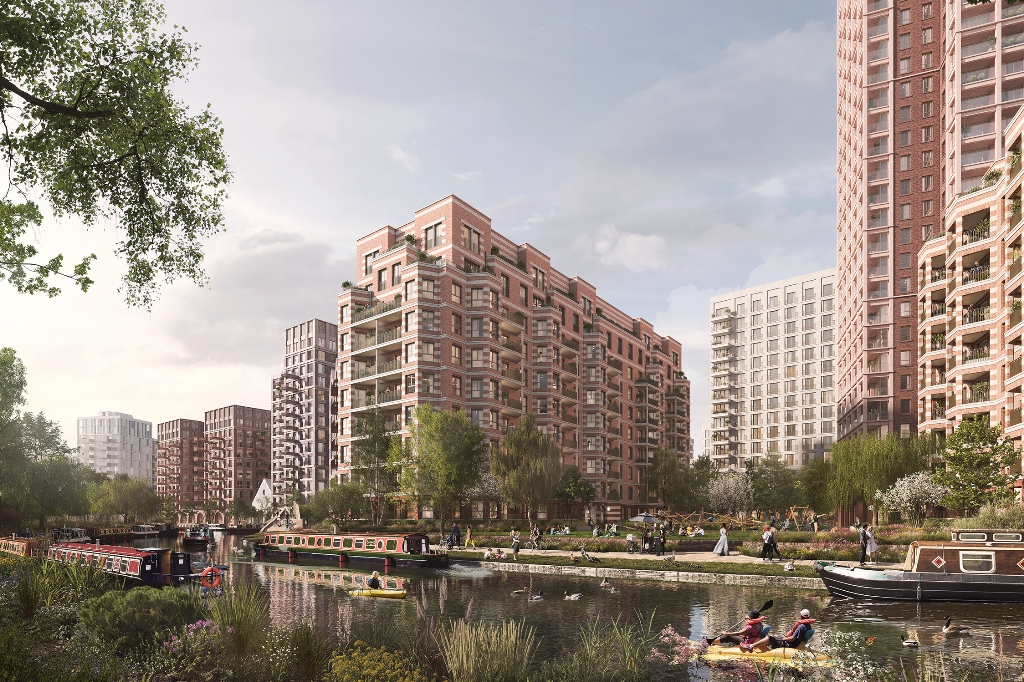
The Kensal Canalside housing project marks a significant step forward in addressing West London’s urgent housing needs. This ambitious redevelopment initiative is set to transform a former gasworks site into a vibrant community, featuring over 2,500 new homes, including affordable options in Kensington. Notably, 342 of these residences will be made available for social rent, aiming to provide relief to families struggling with housing costs in the capital. Alongside residential units, the project promises essential amenities such as retail spaces, offices, and a leisure center, making it a well-rounded addition to local infrastructure. While the project faces scrutiny over its height and potential impacts on historic sites, the anticipated benefits present a hopeful outlook for housing development in West London.
The Kensal Canalside housing initiative represents a transformative housing development in the heart of West London. Positioned to revitalize a long-vacant gasworks site, this project is set to create thousands of new dwellings, with a focus on making affordable homes available to residents of Kensington. This undertaking, proposed by Ballymore Kensal Green and Sainsbury’s, aims to deliver not just housing but also essential community facilities, potentially reshaping the neighborhood’s future. The integration of various facilities alongside residential properties is designed to foster a sense of community while addressing critical social rent properties needs in London. Critics and supporters alike have closely monitored this ambitious plan, reflecting the community’s vested interest in creating a balanced urban environment.
Overview of the Kensal Canalside Housing Project
The Kensal Canalside housing project represents a significant step forward in addressing the housing shortage in west London, particularly within the Royal Borough of Kensington and Chelsea. This major redevelopment initiative aims to transform a former gasworks site into a thriving mixed-use community featuring over 2,500 new homes. Among these, the provision of 500 affordable homes showcases a commitment toward offering diverse housing options that cater to various socio-economic groups, which is crucial in a city facing an acute housing crisis.
In addition to residential developments, the project plans to integrate commercial spaces, recreational areas, and community facilities that enhance the lifestyle of future residents. The mix of elements—such as office spaces, shops, and parks—will not only support local businesses and create jobs, but also foster a sense of community. Proponents of the project, including the developers Ballymore and Sainsbury’s, argue that the Kensal Canalside housing project will be a catalyst for revitalization in the area, providing substantial public benefits alongside the new housing.
Affordable Housing Challenges in Kensington
Despite the promise of 500 affordable homes in the Kensal Canalside housing project, concerns remain about the adequacy of this provision relative to the urgent housing needs in Kensington. Critics highlight that the proposed number falls short of the borough’s target of 35.7% affordability, which raises questions about the project’s potential to truly alleviate housing deprivation in local communities. As the ongoing dialogue unfolds, local leaders and residents are calling for a re-evaluation of the housing policy to ensure that more social rent properties and affordable homes are included in future plans.
Additionally, the legacy of previous disasters, such as the Grenfell Tower fire, looms large over discussions on housing safety and community welfare. Local advocates are pushing for more than just the minimum required number of affordable homes, aiming for a strategic approach that prioritizes social equity and long-term sustainability. As the council reassesses the affordable housing provision throughout the project’s development, there is an opportunity to set a new standard for future housing projects in Kensington, ensuring they genuinely meet the needs of the community.
Community Concerns and Public Response
The Kensal Canalside housing project has sparked significant public interest, evidenced by a collection of over 1,800 objections against the proposal alongside 1,673 letters of support. This mixed response highlights the community’s desire for improved housing options, alongside legitimate concerns over the project’s impact on infrastructure, transport links, and environmental conditions due to the site’s history as a gasworks. Residents have expressed apprehensions about the tall buildings overshadowing heritage sites, such as Kensal Green Cemetery, and have called for a balanced approach that respects local history while promoting development.
Community leaders, including councillor Emma Dent Coad, have emphasized the importance of incorporating local voices into the planning process. The project’s future relies on addressing these community grievances and ensuring that ongoing dialogue includes perspectives from those most affected by the development decisions. By actively listening and adapting to the concerns raised by residents, the council can help build trust and foster greater community engagement, which is vital for the successful implementation of the Kensal Canalside housing project.
Long-term Vision for Kensington Housing
The approval of the Kensal Canalside housing project signifies an important step toward emulating a long-term vision for sustainable housing development in west London. Stakeholders at all levels must collaborate to create a housing strategy that not only meets immediate demands but also plans for future needs as the borough continues to grow. The inclusion of amenities, green spaces, and transportation improvements reflects a modern approach to urban living that prioritizes residents’ quality of life.
Moreover, it’s crucial that developments like the Kensal Canalside project lead to broader changes in Kensington’s housing landscape. Transitioning towards a diversified housing model that encompasses more social rent properties and affordable options can address the growing concern of housing deprivation in disadvantaged neighborhoods. As this project progresses, it sets a precedent for future developments, encouraging other areas in London to prioritize inclusivity, community engagement, and environmental sustainability.
Balancing Development with Heritage
One of the prominent discussions surrounding the Kensal Canalside housing project is the balance between modern development and the preservation of local heritage. With some towers proposed to reach heights of up to 29 stories, concerns have been raised about the visual and environmental impacts on historical sites such as Kensal Green Cemetery. Advocates for the project argue that by integrating thoughtful design and considering the aesthetic context, it’s possible to harmonize modernity with the historical character of the area.
Addressing these issues requires informed dialogue among developers, local authorities, and heritage organizations like Historic England. Through strategic planning and community input, the project can not only meet its housing objectives but also respect and enhance the existing heritage of Kensington. This approach may serve as a template for future developments in west London, showcasing how growth and preservation can coexist.
The Role of Local Government in Housing Development
The pivotal role of local government in overseeing projects like Kensal Canalside cannot be underestimated. Council-led initiatives must aim to ensure that housing developments align with community interests and the broader objectives of urban planning. The recent approval process highlights the complexity of balancing various stakeholder interests, including developer targets, public needs, and environmental considerations. As the project moves forward, the council’s commitment to ongoing evaluation of affordable housing provisions will prove critical to local support.
Moreover, the council has a responsibility to listen actively to community feedback and incorporate input into decision-making processes. By fostering transparency and encouraging participation, local officials can build a stronger relationship with residents, helping to address concerns related to social inequality and housing access. In this way, local governance will not only facilitate housing development but also promote a fair and equitable environment for all community members.
Financial Considerations and Investment in Housing
The financial implications surrounding the Kensal Canalside housing project are substantial, influencing both development viability and potential community benefits. Investments from developers like Ballymore and key stakeholders, such as the local council, must ensure adequate resources are allocated to maximize social rent properties and affordable housing contributions. This financial backing is crucial in achieving long-term sustainability within an increasingly expensive housing market, where the demand for housing continues to outpace supply.
Additionally, partnerships with private organizations, non-profits, and community groups can enhance the project’s impact, leveraging diverse funding streams to support a broader range of housing options. As the project unfolds, transparent financial planning and committed investment strategies will be essential to offer genuine affordable homes for current and future residents in Kensington, mitigating the risks of a housing crisis.
Future Community Facilities and Urban Planning
The plans for the Kensal Canalside housing project extend beyond residential units, aiming to create a vibrant community through the inclusion of various public amenities. With spaces for offices, retail, and leisure facilities, the design emphasizes creating a well-rounded urban environment. Community hubs, parks, and recreational areas will not only enhance the quality of life for residents but also integrate them into a larger community fabric, encouraging social interaction and cohesion.
As the project progresses, it is crucial for urban planners to ensure that these facilities are accessible and meet the needs of a diverse population. By prioritizing inclusive planning, the development can evolve into a model of modern living that champions collaboration, wellness, and sustainability. Such forward-thinking approaches are essential in revitalizing Kensington and creating a thriving community that adequately responds to the demands of its residents.
Environmental Impacts and Sustainability Measures
The environmental implications of the Kensal Canalside housing project are a significant consideration for developers and local authorities alike. Given the historical contamination from the former gasworks, careful assessment and remediation efforts are essential before construction can commence. Addressing these environmental issues is vital to ensure that the new development contributes positively to local ecology and public health.
Incorporating sustainable design practices within the housing development also presents an opportunity to create not just livable spaces but resilient communities as well. The integration of green infrastructures, such as energy-efficient buildings, renewable energy sources, and ample green spaces, can significantly enhance the overall environmental footprint of the Kensal Canalside project. A commitment to sustainability will ensure that the development not only meets current housing demands but also safeguards the environment for future generations.
Frequently Asked Questions
What is the Kensal Canalside housing project?
The Kensal Canalside housing project is a major redevelopment initiative in west London that aims to construct over 2,500 homes on a former gasworks site. The development includes 500 affordable homes, with a portion designated for social rent, making it a key housing development in Kensington.
How many affordable homes will the Kensal Canalside housing project include?
The Kensal Canalside housing project will include 500 affordable homes, with 342 of these homes specifically designated for social rent and 158 offered at an intermediate rate, addressing the demand for affordable homes in Kensington.
What concerns have been raised about the Kensal Canalside housing project?
Concerns about the Kensal Canalside housing project include the height of the proposed towers, which may reach up to 29 stories, and potential overshadowing of nearby historical sites, such as the Grade I-listed Kensal Green Cemetery.
Who are the developers behind the Kensal Canalside housing project?
The Kensal Canalside housing project is a joint initiative proposed by property development firm Ballymore and Sainsbury’s, aiming to transform a vacant site into a vibrant housing development in West London.
What amenities will the Kensal Canalside housing project offer besides homes?
In addition to housing, the Kensal Canalside housing project will include offices, shops, a leisure center, and a public park, making it a comprehensive community development in the area.
What is the current stage of the Kensal Canalside housing project’s planning application?
The Kensal Canalside housing project’s planning application has been approved by the local council and is now pending review by the Mayor of London, who will decide whether to confirm the approval or request further assessment.
How has the community reacted to the Kensal Canalside housing project?
The community response to the Kensal Canalside housing project has been mixed, with over 1,800 objections raised, highlighting concerns about transport links and the impact on the local environment, along with 1,673 supportive letters expressing the need for new housing.
What is the significance of the Kensal Canalside housing project for local housing needs?
The Kensal Canalside housing project is significant for local housing needs as it represents the largest housing delivery site in the borough in 60 years, crucial for addressing the acute housing shortage and providing affordable homes in Kensington.
Will the number of affordable homes in the Kensal Canalside housing project be reassessed?
Yes, the council has indicated that the number of affordable homes in the Kensal Canalside housing project will be reassessed as the development progresses to better meet the housing needs of the community.
What potential challenges could delay the Kensal Canalside housing project?
Potential challenges that could delay the Kensal Canalside housing project include ongoing public objections, environmental assessments related to contamination from the gasworks site, and the eventual decisions by the Mayor of London regarding the planning application.
| Key Point | Details |
|---|---|
| Project Approval | Redevelopment of a former gasworks site in West London resulting in 2,500 homes including 500 affordable units. |
| Affordable Housing | 342 homes for social rent and 158 units at intermediate rates, which is less than the Council’s target. |
| Criticism | Height of towers (up to 29 stories) raised concerns about overshadowing nearby historic sites. |
| Mixed Response | 1,800 objections vs 1,673 letters of support received during the planning process. |
| Future Plans | Includes offices, shops, leisure center, parks, reassessment of affordable housing as the project progresses. |
| Community Concerns | Concerns over transport links and contamination from the decommissioned gasworks raised by local residents. |
| Final Approval | Passed to Mayor of London, Sir Sadiq Khan, for final review and decision. |
| Local Opinions | Mixed opinions from local officials and residents on the project’s impact and necessity. |
Summary
The Kensal Canalside housing project marks a significant step in addressing the housing needs of West London, as it proposes the construction of over 2,500 homes in a transformed former gasworks site. Despite criticisms regarding the height of the proposed buildings and the quantity of affordable housing, the project aims to revitalize the area by including commercial spaces and community facilities. With strong local support but notable objections, the final decision now rests with the Mayor of London, highlighting the ongoing community dialogue about the future of housing in this vibrant neighborhood.