Listen to this article
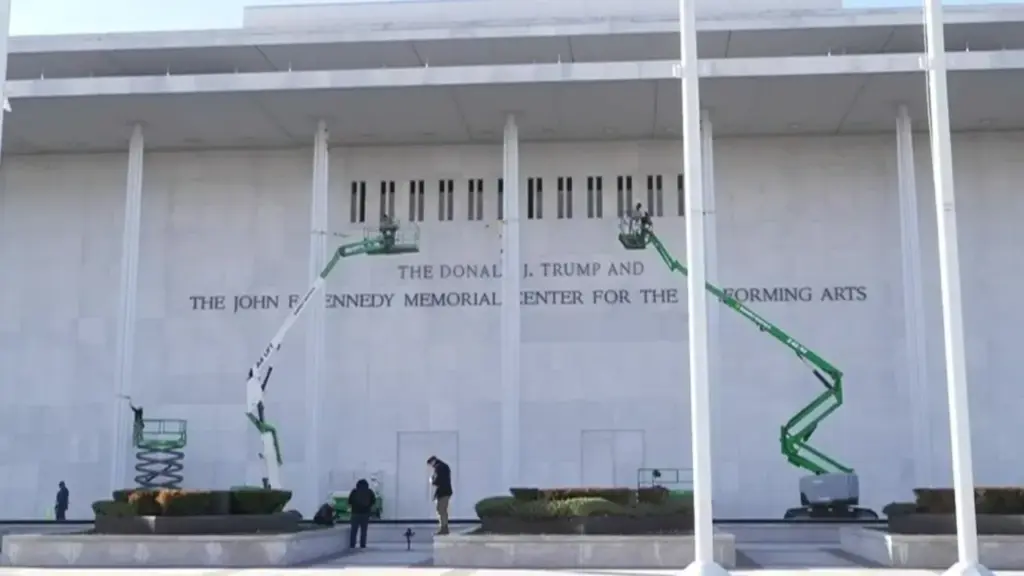
The recent Kennedy Center cancellations have ignited a wave of reactions from artists and audiences alike, following the controversial decision by its board to rename the iconic venue to include President Donald Trump’s name. This move has led to well-known performers like the veteran jazz band, the Cookers, and renowned dance troupe Doug Varone Dancers to withdraw from their upcoming shows, citing moral and ethical concerns. The Cookers’ announcement of canceling their New Year’s Eve performances reflects the sentiments of many who feel that the center’s new identity strays from its original purpose as a cultural sanctuary. Folk singer Kristy Lee and others have echoed this sentiment, linking their withdrawals to a protest against what they perceive as a troubling politicization of an artistic space. As the Kennedy Center faces backlash and controversy, it raises questions about the intersection of art, politics, and heritage in contemporary society.
In light of recent events, artistic withdrawals from the Kennedy Center have generated significant dialogue around the implications of political influences on cultural institutions. High-profile cancellations by various musicians and dance companies, spurred by the venue’s controversial rebranding to include Trump’s name, illustrate a complex interplay between creative expression and political ideologies. The Cookers, rallying against this perceived moral compromise, and Doug Varone Dancers, speaking out on the degradation of artistic integrity, mold this narrative. Cancellation declarations from these groups, as well as condemnation from figures like Kristy Lee, spotlight a broader discussion about the role of legacy and memory within performing arts venues. As the controversy unfolds, the artistic community wrestles with the ramifications of these decisions, examining how individual beliefs collide with the larger legacy of such revered spaces.
Kennedy Center Cancelations: A Reflective Reaction from Artists
In recent weeks, the Kennedy Center has experienced significant turmoil, marked by a series of cancelations from renowned artists. With the controversial decision to rename the venue to include President Trump’s name, musicians like The Cookers jazz band have stepped back from previously scheduled performances. The Cookers announced their cancellation of two New Year’s Eve shows, highlighting a rapid response to the recent political climate surrounding the Center. Ultimately, their decision stood not just as a protest, but as an embodiment of jazz’s fundamental message of freedom and expression.
Similarly, Doug Varone and Dancers chose to forgo their performance dates in April out of solidarity with the sentiments expressed by many in the artistic community. Their leader stated firmly, ‘We can no longer permit ourselves nor ask our audiences to step inside this once great institution,’ highlighting how deeply the name change resonated with their artistic integrity. Such decisions illustrate a broader discontent among artists about the implications of this change, revealing how the Kennedy Center, a bastion for the arts, has become embroiled in a political controversy that threatens its original mission.
Political Implications Behind the Kennedy Center Name Change
The decision to incorporate Donald Trump’s name into the Kennedy Center’s title has sparked frustrations both within the artistic community and among the public. Critics, including artists like Kristy Lee, argue that renaming a cultural institution after a controversial political figure is an affront to American values, leading her to cancel her January performance. In her poignant statement, she emphasizes the importance of preserving history without manipulation, stating, ‘When American history starts getting treated like something you can ban, erase, rename, or rebrand for somebody else’s ego, I can’t stand on that stage.’ Such statements resonate with many, as the implications of this name change go beyond mere semantics.
Even Chuck Redd, a musician with long-standing ties to the Kennedy Center, canceled his Christmas Eve performance, which had become a cherished tradition. His cancellation was framed as a stance against what he perceives as a serious misstep by the Center’s leadership. Richard Grenell, President of the Kennedy Center, refers to these cancellations as ‘a form of derangement syndrome,’ underscoring how intertwined politics have become with the arts at this venue. This conflict shines a light on the question of whether artistic venues can remain neutral spaces dedicated to all forms of expression, irrespective of political affiliations.
The Outcry: Artists Speak on Freedom and Expression
In the face of the recent name change at the Kennedy Center, leading artists are vocal about their beliefs in freedom of expression. The Cookers jazz band made headlines not just for their cancellation, but for their powerful statement on the nature of jazz itself. They articulated that jazz emerged from struggle and a deep insistence on freedom—a sentiment that directly challenges the implications of aligning the Kennedy Center with a politically polarizing figure like Donald Trump. Their words highlight an intrinsic connection between art and activism, suggesting that art must liberate rather than impose restrictions.
Furthermore, Kristy Lee’s comments reflect the emotional turmoil artists face in representing their craft under controversial circumstances. Lee’s assertion that she cannot perform in an environment that betrays American history captures the struggle many artists share. This collective response signifies a harsh critique of the current administration’s influence on cultural institutions, as declared by many artists who feel their creative voices may be muted by political interference. Such a halt in performances not only affects the artists and their immediate audiences but sends ripples through the broader conversation on cultural integrity.
Kennedy Center’s Response to Artist Cancellations
In light of the cancellations, Richard Grenell, president of the Kennedy Center, has garnered attention with his pointed comments, suggesting that the artists’ actions stem from political ideologies rather than genuine concerns over the venue’s name change. He described the cancellations as ‘political stunts,’ indicating a stark dichotomy between the administration’s vision for the Center and the artists’ responses. Grenell’s defensive stance poses a crucial question: can the Kennedy Center maintain its status as an apolitical platform dedicated to performances that celebrate diverse voices?
Moreover, Grenell’s emphasis on the idea that the previous leadership prioritized ‘far-left political activists’ over artists willing to perform across the spectrum implies a contentious relationship between current and former leadership visions. This narrative places the Kennedy Center at the center of a debate that intertwines cultural expression with political allegiance. As legal scholars and lawmakers analyze the implications of the name change, the Kennedy Center’s ability to navigate these cancellations while preserving its artistic integrity remains in question.
Public Backlash and Political Controversy Surrounding the Kennedy Center
The public backlash against the Kennedy Center’s name change has been immense, with critiques emerging from various fronts, including political figures and legal scholars. Notably, members of President John Kennedy’s family have denounced the actions taken by the Center’s board. Joe Kennedy III articulated a fervent defense of the institution’s original purpose as a living memorial dedicated to his granduncle, emphasizing that renaming it is as inappropriate as altering historical landmarks like the Lincoln Memorial.
This uproar illustrates a societal tension between the reverence for historical legacies and an evolving political landscape. The legal murmurings regarding whether Congress should officially approve the name change add another layer of complexity to the ongoing controversy. The narrative stitches together the importance of preserving historical integrity amidst political maneuvering, making it clear that the decisions made by the Kennedy Center resonate far beyond the arts community, tapping into larger themes of justice, memory, and identity.
The Future of the Kennedy Center: Growing Concerns
As the Kennedy Center grapples with the fallout from its controversial name change, questions about its future loom large. The cancelations by prominent artists signal a concerning trend that could hinder the Center’s ability to fulfill its mission of providing a platform for the arts. If the current trajectory continues, the Kennedy Center risks alienating itself from the very community it was designed to serve, raising concerns among both audiences and creators about the venue’s viability and integrity.
Moreover, as discussions circulate around potential financial damages from canceled performances, the institution could find itself navigating precarious waters, financially and reputationally. Artists and their supporters are watching closely, as each cancellation underscores a profound disagreement over what the Kennedy Center represents moving forward. The union of art and politics at this level has the potential to irreversibly shape the landscape at the Kennedy Center. Observers and stakeholders will need to pay heed to these developments as they unfold.
Jazz and Cultural Identity: The Cookers’ Message
The Cookers, in their recent cancellation announcement, not only expressed their discontent regarding the Kennedy Center’s name change but also emphasized the cultural significance of jazz as a genre born from struggle. Their call to remember jazz as a representation of freedom and identity speaks volumes about the artist-venue relationship and the responsibilities that come with it. The Cookers seek to invoke a reexamination of how cultural institutions should honor the traditions and values upheld by the art forms they represent.
By channeling this message, The Cookers have placed themselves at the forefront of a broader cultural movement opposing the commercialization of artistic spaces while demanding respect for the roots of jazz. Through their actions, they invite audiences to engage with the profound connection between music, history, and identity. This systematic cancellation of shows serves not just as a protest but as a statement about preserving the integrity of a beloved art form in the ever-evolving sociopolitical landscape.
Impacts of the Cancellation on Local Communities
The ripple effects of the Kennedy Center’s cancelations extend beyond the artists themselves, including local communities that thrive on cultural engagement. When prominent acts like The Cookers and Doug Varone and Dancers choose to withdraw, it troubles the cultural fabric of the community they leave behind. Events hosted at the Kennedy Center have been instrumental in bringing together diverse audiences, and their absence signals a loss not just for arts lovers but for the cultural dialogue that thrives within such shared experiences.
Furthermore, the local economy may also see negative repercussions, as shows canceled at the Kennedy Center can lead to diminished business for nearby restaurants, hotels, and shops that rely on concertgoers. The community’s connection to these events creates a unique synergy that fosters local vibrancy. As the cancellations continue to unfold, local stakeholders—including businesses, arts organizations, and audience members—must reckon with the consequences of political decisions that influence cultural representation in their neighborhoods.
Audience Reactions: The Cultural Conversation Continues
The audience’s reactions to the Kennedy Center’s recent cancellations are as varied as the performance itself. Some patrons strongly support the artists’ decisions, valuing integrity and authenticity in cultural representations over mere political aligning. These audience members argue that engaging in art should never come at the cost of one’s values and ethical stances, which reinforces a long-standing narrative of art’s role as a mirror to society.
Conversely, others may view the cancelations as a loss to the cultural landscape, lamenting that political disagreements overshadow the enjoyment and importance of the arts. This divide among audiences speaks to a larger societal discourse—one where culture and politics intertwine, pushing the boundaries of how institutions can operate in a politically charged atmosphere. As discussions around the Kennedy Center continue, it becomes crucial to engage in dialogue that cultivates understanding and fosters inclusivity despite differing opinions.
Frequently Asked Questions
What led to the recent Kennedy Center cancellations by artists?
Artists have been canceling performances at the Kennedy Center following the controversial decision to rename the venue to include President Donald Trump’s name. This move has sparked significant backlash, prompting artists like The Cookers and Doug Varone and Dancers to withdraw from scheduled shows.
How has the name change affected performances at the Kennedy Center?
The name change at the Kennedy Center has directly impacted performances, with several artists canceling their shows. This includes notable groups such as The Cookers and Doug Varone and Dancers who cited the name change as a factor in their decision to withdraw, indicating a refusal to support what they perceive as a disrespectful alteration of the venue’s legacy.
What statements did artists make regarding their cancellations at the Kennedy Center?
The Cookers articulated their concerns by emphasizing the importance of freedom of thought and expression in jazz, which they believe is compromised by the Kennedy Center’s name change. Similarly, Doug Varone and Dancers expressed that performing at the venue was no longer viable due to its altered identity.
What is the Kennedy Center’s response to the artist cancellations and their reasons?
Richard Grenell, the president of the Kennedy Center, dismissed the artists’ cancellations as signs of ‘derangement syndrome.’ He claimed that the cancellations originated from the previous leadership’s inclination towards far-left politics rather than a genuine concern for artistic integrity.
How have lawmakers and public figures reacted to the Kennedy Center’s name change?
The Kennedy Center’s name change has drawn criticism from lawmakers and members of President John F. Kennedy’s family, who argue that such a significant alteration violates the original law that named the center. They maintain that the Kennedy Center should remain a memorial to its namesake and not be altered for political reasons.
Have any specific performances been noted for cancellation at the Kennedy Center due to its name change?
Yes, specific performances such as those by The Cookers jazz band, Doug Varone and Dancers, and folk singer Kristy Lee have been canceled in direct response to the Kennedy Center’s name change to include President Trump’s name. Each artist expressed their discontent with the alteration impacting their decision to perform.
Can the name of the Kennedy Center be changed legally?
Legally, the name change of the Kennedy Center is complex, as it necessitates congressional approval given that it was established by federal law. Legal scholars and members of the Kennedy family argue against the alteration, positing it cannot be renamed without formal legislative action.
What implications do the cancellations hold for the Kennedy Center’s future performances?
The cancellations of various artists may significantly affect the Kennedy Center’s audience and programming. As more performers withdraw in protest of the name change, the center could face challenges in attracting diverse talent and maintaining its reputation as a premier cultural institution.
| Key Points | Details |
|---|---|
| Musician Cancellations | The Cookers and Doug Varone and Dancers canceled performances due to the Kennedy Center’s name change. |
| Reason for Cancellations | Artists object to the inclusion of Donald Trump’s name, citing political and ethical concerns. |
| Statements from Artists | Musicians expressed their commitment to artistic integrity and freedom of expression. |
| Response from Kennedy Center | Richard Grenell defended the name change and criticized the artists for their cancellations. |
| Political and Legal Implications | Some lawmakers and scholars argue that official renaming requires Congressional approval. |
Summary
Kennedy Center cancellations have sparked controversy following the decision to rename the venue to include former President Donald Trump’s name. The recent withdrawal of performances by prominent artists highlights the deep divisions in the arts community regarding political affiliations and artistic integrity. As musical acts distance themselves from the center, the implications of these actions underscore broader debates about the intersection of art and politics.