Listen to this article
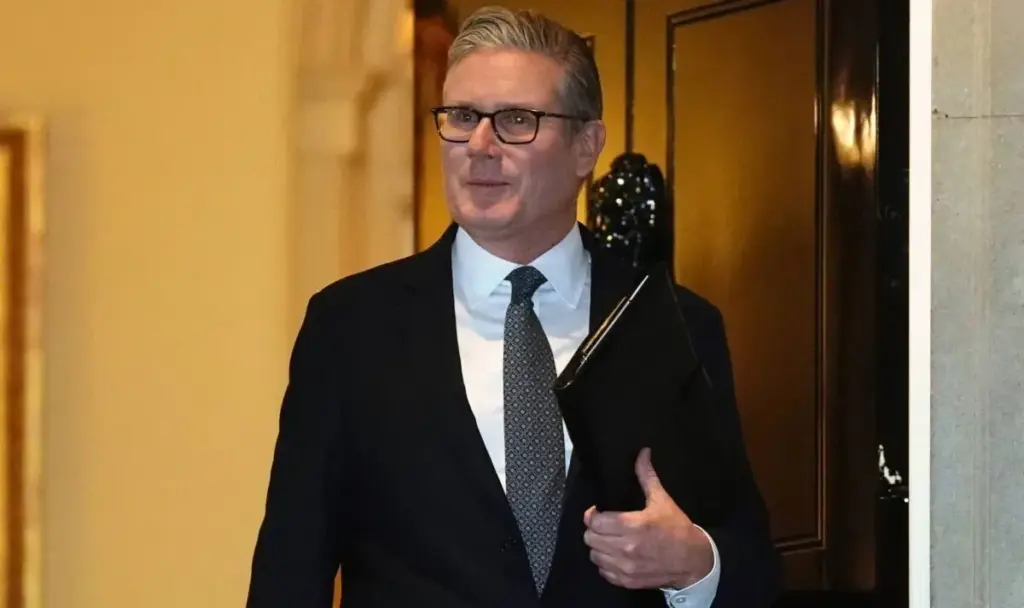
Keir Starmer, the current leader of the Labour Party, finds himself navigating through a tempest of political uncertainty as whispers of leadership challenges echo within party ranks. His tenure has been marked by significant political upheaval, not least fueled by the ambitions of rivals like Anas Sarwar, leader of Scottish Labour, seeking to capitalize on any perceived weakness. With the party facing crucial by-elections in Greater Manchester and impending local elections across England, Starmer’s ability to maintain his position hangs by a thread. Despite receiving some support from cabinet ministers, the ongoing dissatisfaction among members poses a risk to his leadership stability. As dissent grows, many are left wondering whether Starmer can rally the party and stave off threats to his leadership amid these turbulent times.
In recent times, the political landscape for the Labour Party has been fraught with challenges, and Sir Keir Starmer’s position is more precarious than ever. Competing aspirations within the party, particularly from figures such as Wes Streeting, hint at a deep-seated disconnect that could lead to a shift in leadership. With the looming threat of elections in Scotland and Wales, alongside local council votes, the pressure mounts for Starmer to solidify his role. The party must now navigate its internal divisions while facing external pressures, marking a pivotal moment in its leadership journey. As the party grapples with its identity amid calls for reform, the question remains – can Starmer steer his party away from further crisis?
The Ongoing Leadership Challenges for Keir Starmer
Keir Starmer’s leadership of the Labour Party has recently faced intense scrutiny, particularly in light of growing public dissatisfaction and internal pressures. The recent political events surrounding the party have only amplified these challenges, signaling that while he may currently maintain his position, the road ahead is fraught with hurdles. Current dynamics suggest that Starmer’s leadership could be tested again, especially with pivotal elections on the horizon, including the Gorton and Denton by-elections as well as devolved elections in Scotland and Wales.
Within this precarious political landscape, Starmer must navigate a multitude of concerns among Labour members regarding the effectiveness of his leadership. This sentiment reflects a classic case of political uncertainty, as whispers of potential challengers like Anas Sarwar gain traction. While support has consolidated around Starmer for now, moving forward without a clear and compelling electoral strategy could ultimately determine his fate and the party’s success.
Wes Streeting’s Political Aspirations Amidst Turmoil
Wes Streeting, as the Health Secretary, has increasingly become a focal point within Labour’s dynamics. His recent moves to distance himself from the Lord Mandelson scandal by publicly sharing text messages demonstrate how he is positioning himself amid the current political upheaval. With an eye on future leadership possibilities, Streeting’s actions indicate a desire to rehabilitate his image, particularly as skepticism grows within the party regarding Starmer’s ability to unite various factions effectively.
The potential for a leadership contest looms larger with each passing day, especially as election dates approach. Streeting’s actions may not only bolster his reputation but could also simultaneously serve as a commentary on the shifting loyalties within the party. The uncertainty surrounding Labour’s future and its leaders is palpable, and Streeting’s strategic maneuvers paint a picture of a party preparing for possible internal strife. As he positions himself as a viable successor, Labour’s need for solid leadership at this critical juncture resonates strongly.
Scottish Labour’s Role in the Leadership Debate
The role of Scottish Labour under Anas Sarwar adds an intriguing layer to the ongoing discussion about leadership within the broader Labour Party. Sarwar’s ambitions, particularly his desire to challenge Starmer, reflect the tensions present not only within Labour but also between regions. The Scottish Labour branch has been vocal about the need for revitalization, aiming to reclaim lost ground in both local and national conflicts.
With regional leaders like Sarwar seeking to elevate their profile, the ongoing leadership uncertainty within Labour resonates deeply. If elected constituents feel that Scottish Labour can provide a more compelling narrative than what Starmer has offered, this could shift the dynamics of leadership further. A push for a diverse voice in leadership—one that keeps regional interests at heart—will likely intensify as Labour heads into significant elections.
The Implications of Political Uncertainty for Labour
Political uncertainty presently looms large over the Labour Party, accentuated by recent events that threaten to undermine the party’s coherence. The narrative surrounding Sir Keir Starmer’s leadership raises critical questions about Labour’s direction and strategy at a time when the electorate demands clarity. Challenges such as the revelations concerning Lord Mandelson have intensified scrutiny of the leadership, creating an atmosphere of mistrust and doubt.
As momentum builds in the lead-up to elections, any failures could have grave consequences for Labour, including public backlash and loss of seats. Navigating through this climate of upheaval will require strong, decisive leadership to transform current tensions into a unifying agenda that resonates with voters. The ramifications of remaining complacent during this politically charged period could lead to a significant shift in Labour’s electoral fortunes.
Surviving the Political Storm: Keir Starmer’s Immediate Strategy
In recent days, Keir Starmer has demonstrated a pragmatic approach to sustaining his leadership amidst a sea of dissent. His ability to rally support from cabinet colleagues serves as a temporary lifeline; however, it may not be sufficient to escape the looming threats to his tenure. As elections approach, the necessity for clear messaging and a unifying framework becomes increasingly critical to ensure the party does not become mired in political discord.
A critical part of Starmer’s strategy will involve addressing internal party concerns while simultaneously presenting a robust front to the electorate. By focusing on key issues that resonate with voters and reinforcing the Labour Party’s core values through targeted communication, Starmer may well be able to stave off immediate threats to his leadership while laying groundwork for a more stable future.
The Potential for Leadership Change in Labour
The murmurs of discontent within Labour have inevitably raised the question of a leadership change. While Keir Starmer appears to have temporarily sidestepped immediate calls for his resignation, the specter of leadership challenges remains present in the shadows. Political upheaval often demands decisive action, and the party’s historically fractured nature means discontent could easily erupt into open dissent at any moment.
As Labour navigates through a landscape marked by rising expectations and shifting allegiances, the legitimacy of Starmer’s leadership hangs precariously in the balance. Should upcoming elections yield disappointing results for the party, the calls for change could intensify, potentially empowering rivals like Anas Sarwar or Wes Streeting to stake their claims. This precarious balance means that the prospect of change, though currently sidelined, remains a potential reality.
How Public Perception Shapes Labour’s Future
Public perception plays a significant role in determining the future trajectory of the Labour Party, especially as Sir Keir Starmer faces growing scrutiny. Recent political turmoil has showcased how quickly fortunes can change within the party, hinging largely on how the public receives political messaging. With the general public increasingly aware of Labour’s internal struggles, maintaining a cohesive narrative is essential to avoid further reputational damage.
Furthermore, a shift in public sentiment could act as a catalyst for leadership debates within Labour. If Starmer fails to galvanize voter support during the upcoming electoral tests, his leadership credibility may come under serious fire. Aligning party goals with public interests will be crucial in curbing the potential for negative sentiment to escalate and influence future electoral outcomes.
The Repercussions of Leadership Instability on Electoral Strategy
Leadership instability within the Labour Party has profound implications for its electoral strategy as it heads into critical by-elections and devolved elections. This uncertainty often breeds a lack of confidence among voters, who may perceive the party as directionless. The recent calls for a rethink of Labour’s approach come at a time when a cohesive and forward-thinking strategy is crucial to attract support and engender trust.
Future electoral endeavors must therefore focus on reinforcing unity within the party while also appealing to voters’ forthright needs. The prevalence of political disillusionment may set the stage for Labour to re-evaluate its priorities, adjusting strategies to better align with public expectations. Only by addressing these vulnerabilities can Labour enhance its appeal and mitigate the risks posed by leadership questions.
The Impact of Inner Party Dynamics on Leadership Stability
The inner dynamics of the Labour Party are pivotal in shaping the stability of its current leadership structure. Power struggles and factionalism have historically characterized Labour, and with figures like Wes Streeting attempting to redefine their political identities, the potential for realignment becomes increasingly palpable. A united front is vital, especially in the face of an adversarial political climate.
As challenges from within continue to simmer, the capacity for effective leadership will be tested. Understanding these dynamics can illuminate how relationships between party factions may influence the prevailing leadership narrative. With mounting concerns regarding Starmer’s leadership, how these inner party dynamics unfold could ultimately unravel or fortify his position.
Frequently Asked Questions
What challenges is Keir Starmer facing as leader of the Labour Party?
Keir Starmer is currently facing significant challenges, including upcoming by-elections in Gorton and Denton, as well as crucial elections in Scotland and Wales. His leadership has come under scrutiny due to party unrest and the need for strong electoral performances to maintain support amid political uncertainty.
How have Labour Party members reacted to Keir Starmer’s leadership?
Labour Party members have expressed mixed sentiments towards Keir Starmer’s leadership. While there is concern over political upheaval and the potential for instability if he were to be replaced, many believe that any leadership change should be approached with caution, especially given the lack of strong public support for alternatives.
What impact does Wes Streeting’s actions have on Keir Starmer’s position?
Wes Streeting’s transparent moves to distance himself from controversial figures like Lord Mandelson indicate a strategic effort to enhance his political standing. This reflects broader concerns within the Labour Party about maintaining unity and support for Keir Starmer as electoral pressures mount.
Is Scottish Labour’s leadership a threat to Keir Starmer’s position?
Scottish Labour’s leader, Anas Sarwar, has ambitions that could pose a challenge to Keir Starmer, especially if public support for replacing him grows. However, the current sentiment within the Labour Party appears to lean toward stabilizing support around Starmer to avoid another episode of political upheaval within the party.
What does the future hold for Keir Starmer and the Labour Party?
The future for Keir Starmer and the Labour Party remains uncertain, especially with significant elections on the horizon. As internal and external pressures mount, his administration could face further scrutiny, and the consequences of any failures in upcoming elections could dramatically influence his leadership stability.
How are recent events impacting Labour’s strategy under Keir Starmer?
Recent events, including cabinet support and departures of key aides, have contributed to an atmosphere of political uncertainty for Keir Starmer. The Labour Party’s strategy may need to adapt quickly to address emerging challenges and maintain public confidence ahead of crucial elections.
What implications do the upcoming elections have for Keir Starmer’s leadership?
The outcomes of the upcoming elections will play a critical role in determining Keir Starmer’s leadership viability. Poor results could lead to increased dissent within the Labour Party and calls for a leadership change, while successful performances could reaffirm his position and mandate.
How does the political landscape affect Keir Starmer’s approach as Labour leader?
The political landscape marked by upheaval and uncertainty demands that Keir Starmer adopt a strategic approach to unify the Labour Party, address member concerns, and prepare for significant electoral contests to enhance his leadership’s credibility and the party’s competitiveness.
What potential leadership changes are being discussed within the Labour Party related to Keir Starmer?
Discussions of potential leadership changes have emerged within the Labour Party, particularly concerning rising figures like Anas Sarwar. However, the consensus among Labour MPs appears to favor avoiding immediate upheaval, looking instead to bolster support for Starmer unless circumstances drastically shift.
What are the most pressing issues for Keir Starmer currently?
Keir Starmer’s pressing issues include navigating internal party dissatisfaction, preparing for multiple upcoming elections, and addressing any fallout from scandals involving prominent party members, all while maintaining public support and party cohesion.
| Key Point | Details |
|---|---|
| Keir Starmer’s Leadership Stability | Despite recent turmoil, Starmer remains as leader, supported by party members and cabinet. |
| Public and Political Pressure | Anas Sarwar’s challenge to Starmer adds pressure; however, cabinet loyalty keeps him in position. |
| Upcoming Elections Concern | By-elections and devolved elections loom ahead, raising questions about Labour’s performance. |
| Damaging Week for Starmer | Recent events have weakened Starmer’s leadership and raised doubts within the party. |
| Leadership Change Concerns | Members are wary of a leadership change that could mirror Conservative upheaval. |
| Wes Streeting’s Reputation Management | The Health Secretary is trying to rehabilitate his image after association with Mandelson. |
| Political Repercussions Expected | The Lord Mandelson scandal may have ongoing effects in Westminster and beyond. |
Summary
Keir Starmer currently navigates a precarious political landscape as his leadership of the Labour Party faces significant challenges. Despite recent support from cabinet ministers and a lack of immediate pressure for a leadership change, upcoming elections might determine the party’s future direction. The party is caught between the need for stability and the pressing concerns over election performance, leading to a heavily scrutinized environment for Starmer. The ramifications of recent events, including scandals and internal pressures, could shape the Labour Party’s trajectory in the months to come, highlighting the importance of careful leadership amidst a backdrop of uncertainty.