Listen to this article
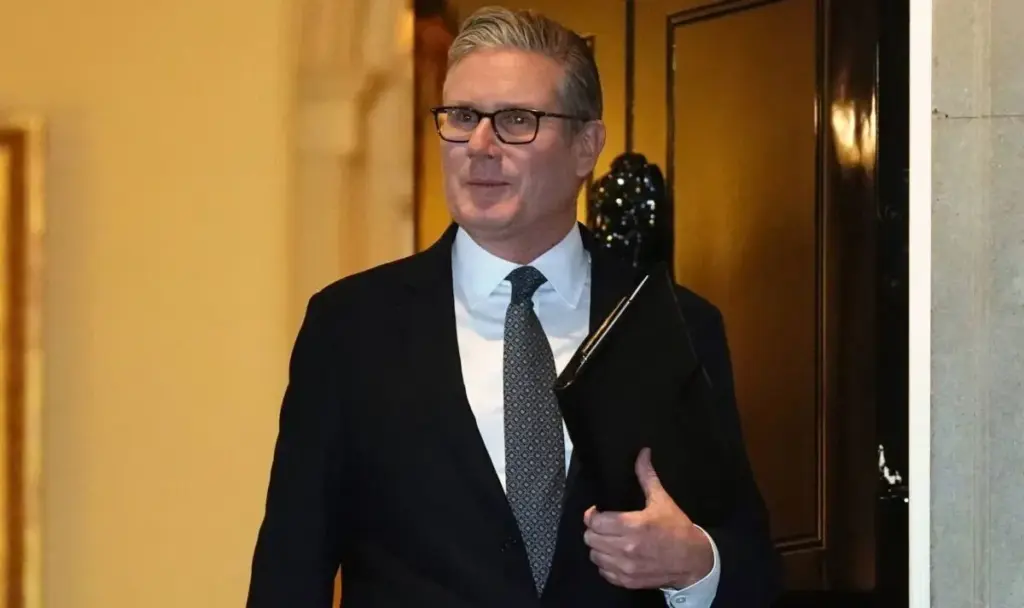
Sir Keir Starmer, the leader of the Labour Party, finds himself at the center of a tumultuous period in UK politics as he navigates the ongoing cost of living crisis and the mounting pressure for his resignation. His recent political interview highlighted the challenges he faces, including the need to address the complexities of public sentiment during these pressing times. With the backdrop of a struggling government and a prime minister at risk, Starmer has been keen to put his leadership to the test, emphasizing his vision for a Labour revival. While battling to maintain his position, Starmer’s ability to articulate solutions for the current economic woes will play a pivotal role in his political future. The dynamics within Labour leadership are shifting, as both support and dissent continue to emerge amid the turbulent landscape of UK governance.
Sir Keir Starmer’s stance as the head of the Labour Party is especially critical now, as he grapples with the intricate layers of the cost of living crisis. Engaging in strategic discussions during recent interviews, he must address the pressing issues that affect citizens while simultaneously dealing with pressures surrounding his leadership. These circumstances arise as the political arena witnesses shifts, influenced by public dissatisfaction with the current administration and a clamoring for alternative guests in power. Starmer aims to revive confidence among party members and the electorate, using his platform to propose innovative solutions for economic recovery. As he faces the scrutiny of a potential leadership contest, navigating these waters will require adeptness and foresight from the Labour leader.
Keir Starmer’s Challenge Amidst Political Turbulence
In recent weeks, Keir Starmer has found himself at the center of a political storm, grappling with pressures not only from his opponents but also within his party. As he navigates the complexities of UK politics, his leadership is being tested against the backdrop of the ongoing cost of living crisis. Despite his determination to address the pressing economic issues affecting the electorate, the chaos from both international and domestic landscapes has constrained his opportunities to communicate effectively with the public.
The atmosphere surrounding Starmer’s leadership has become increasingly tense, with calls for his resignation surfacing as dissatisfaction among party members grows. Starmer’s attempts to reset his leadership following a series of setbacks highlight both his resilience and the challenges he faces in maintaining unity within the Labour Party. With elections on the horizon, the stakes are high as he seeks to regain the confidence of both his party and the broader electorate.
Navigating the Cost of Living Crisis: Starmer’s Focus
The cost of living crisis remains a critical concern in the UK, and Keir Starmer has expressed a desire to focus on this pivotal issue. With inflation continuing to rise and household budgets being squeezed, it is imperative for political leaders to step up and provide clear solutions. Unfortunately, Starmer has often found his agenda overshadowed by crises abroad and domestic disputes, limiting his ability to convey his economic plans to the public effectively.
Addressing the cost of living is not just a matter of policy; it is also a vital aspect of connecting with voters who are feeling the strains of economic hardship. Starmer must find ways to break through the current political noise and ensure that discussions around solutions to the financial pressures faced by families remain front and center. This may require strategic reframing of his messages and a renewed commitment to engaging directly with communities affected by these economic challenges.
Labour Leadership Dynamics Under Pressure
The dynamics within the Labour Party are becoming increasingly complicated as Keir Starmer’s leadership is scrutinized both internally and externally. With every challenge faced, from dissent within parliamentary ranks to pressure from the public, questions about his authority and effectiveness loom large. The threat of leadership contests adds another layer of complexity, possibly undermining the stability Starmer seeks to establish as he prepares the party for upcoming elections.
Inevitably, speculation regarding alternative leadership figures continues to circulate, and while many Labour MPs express hesitation at the thought of a protracted leadership battle during a governmental role, the reality of Starmer’s situation demands their attention. The Labour Party must prioritize cohesion and clarity in messaging if they want to present a united front to the voters and counteract the ongoing challenges posed by the opposition during these turbulent times.
Public Confidence: The Key to Starmer’s Future
For Keir Starmer, rebuilding public confidence is paramount if he is to successfully navigate through the tumultuous waters of UK politics. With an unpopular sitting government to contend with, Starmer’s ability to connect with voters hinges on his leadership style, communication skills, and the credibility of his policies. The pressure to perform is mounting, particularly as the Labour Party looks to capitalize on the current government’s controversies and shortcomings.
However, the need for immediate action is tempered by the reality of political fatigue and skepticism among the electorate. Starmer’s challenge lies in not just addressing the surface-level issues but instilling a sense of trust that Labour can deliver on its promises. By directly engaging with the concerns of citizens and presenting viable solutions to the cost of living crisis, he may be able to restore faith in his leadership and the party as a whole.
The Resignation Pressure: Navigating the Internal Landscape
The prospect of resignation hangs heavily over Keir Starmer as speculation grows over his ability to lead the Labour Party effectively. Reports of mounting pressure from various factions within the party add to the uncertainty surrounding his tenure. Starmer’s previous commitment to not abandon his post has been tested in light of recent challenges, and the perception of weakness could compromise his leadership if not addressed decisively.
Navigating these internal pressures requires deft handling and a strong communication strategy. Starmer must not only respond to calls for resignation but also articulate a vision that unifies the party members around shared goals. This is crucial in the run-up to critical elections where every vote matters. By demonstrating resilience and focusing on party cohesion, he can quell doubts and reinforce his standing as a leader able to weather political storms.
Starmer’s Engagement with Constituents: A Path to Relevance
Keir Starmer’s direct engagement with constituents is essential to reestablishing his relevance in the fast-changing political landscape. By visiting community centers and engaging with everyday citizens, he can foster a deeper connection and better understand the issues they face, particularly in light of the cost of living crisis. These engagements not only humanize his leadership but also present opportunities for him to share Labour’s vision for economic recovery directly.
However, these community visits must translate into tangible policy initiatives that resonate with the electorate. Voters need to see that Starmer is not merely listening but also taking actionable steps to alleviate their concerns. As he redoubles his efforts to engage with supporters across the UK, it is critical that he effectively communicates Labour’s solutions while also addressing the fears and frustrations that constituents face daily.
The Intersection of National and Local Politics for Starmer
For Keir Starmer, balancing national priorities with local concerns is increasingly critical as Labour seeks to regain footholds in constituencies across the UK. The intersection of national issues like the cost of living crisis and local governance challenges presents a dual challenge for his leadership. As he contemplates strategies to resonate with a diverse voter base, Starmer must ensure that Labour’s messages are tailored to meet both perspectives effectively.
To accomplish this, Starmer must not only advocate for broad national reforms but also empower local leaders within Labour to address specific community needs. Establishing a collaborative dialogue between local and national agendas will serve to bolster the party’s appeal, demonstrating an understanding of the unique circumstances facing different regions. As Starmer continues to lead the Labour Party, this multifaceted approach may be essential for garnering the trust and loyalty of the electorate.
Understanding Voter Sentiment in UK Politics
Keir Starmer’s understanding of voter sentiment is essential if he hopes to steer Labour back into a position of strength within UK politics. Recent polling trends illustrate a complex landscape where voter priorities are not solely within the economic realm but also encompass broader social issues. Engaging with constituents to ascertain their concerns directly can grant Starmer critical insights into how best to frame Labour’s policy proposals in a way that resonates with the electorate.
Furthermore, staying attuned to changing voter sentiment can help Starmer navigate shifts in public opinion that influence electoral outcomes. This requires a combination of grassroots engagement and strategic communication to address the urgent matters at hand, such as the cost of living crisis. By prioritizing transparency and responsiveness, Starmer can position himself and the Labour Party as the go-to option for voters dissatisfied with the current government.
Future of Labour: Planning Beyond the Immediate
Looking beyond the immediate challenges, Keir Starmer must also consider the long-term future of the Labour Party and its direction in UK politics. The upcoming elections present an opportunity not just to secure seats but to redefine the party’s identity and purpose in a changing political environment. A clear vision for the future, aligned with the hopes and needs of constituents, will be essential to mobilizing support and expanding Labour’s base.
As Starmer navigates his leadership and the pressures surrounding it, a proactive approach that blends addressing present anxieties with aspirations for a better future can galvanize support amongst the electorate. By emphasizing policy innovation and community engagement, he can work to shape Labour’s narrative as one of resilience and hope, providing a counter-narrative to the prevailing sentiment of dissatisfaction with the current government.
Frequently Asked Questions
What are Keir Starmer’s views on the cost of living crisis in the UK?
Keir Starmer has frequently emphasized the urgency of addressing the cost of living crisis in the UK, calling for strategic government interventions to alleviate the pressures faced by families. He believes that the government must prioritize economic policies that support those most affected by rising costs.
How is Keir Starmer addressing resignation pressure within the Labour leadership?
In recent months, Keir Starmer has faced significant resignation pressure due to the Labour Party’s performance in polls. To counter this, he is focusing on uniting the party and presenting a clear vision for economic recovery while engaging in public discussions about pressing issues like the cost of living.
What challenges does Keir Starmer face in UK politics as Labour leader?
As Labour leader, Keir Starmer faces numerous challenges in UK politics, including managing internal party dynamics, responding to public concerns about the cost of living crisis, and navigating the pressure from opposition parties while trying to position Labour as a viable alternative to the current government.
How does the current political interview impact Keir Starmer’s leadership position?
Political interviews play a crucial role in shaping public perception of Keir Starmer’s leadership. These interviews provide him opportunities to communicate Labour’s stance on vital issues like the cost of living crisis while also allowing him to respond to resignation pressure and criticisms from within and outside the party.
What steps is Keir Starmer taking to strengthen the Labour leadership amidst political turmoil?
Keir Starmer is actively working to strengthen his leadership amidst political turmoil by fostering unity within the Labour Party, articulating clear policy proposals addressing the cost of living crisis, and engaging directly with voters through community events and political interviews, reaffirming his commitment to leading effectively.
How does Keir Starmer plan to navigate resignation pressure following recent political challenges?
Following recent political challenges, Keir Starmer plans to navigate resignation pressure by leveraging the support of his cabinet and Labour MPs. He aims to focus on delivering effective governance, addressing voter concerns over the cost of living, and demonstrating that he is a capable leader in UK politics.
What impact does public opinion have on Keir Starmer’s Labour leadership?
Public opinion significantly impacts Keir Starmer’s leadership of the Labour Party, particularly regarding key issues like the cost of living crisis. Negative public sentiment can intensify resignation pressure, which prompts him to adapt his approach and policy focus to align more closely with voter expectations.
What are the implications of recent events for Keir Starmer’s position in UK politics?
Recent events in UK politics, including pressures for resignation and discussions about leadership dynamics, pose implications for Keir Starmer’s position. He must effectively manage his public image and party unity while addressing pressing issues like the cost of living to maintain credibility and support.
How has Keir Starmer responded to calls for his resignation from fellow Labour leaders?
Keir Starmer has responded to calls for his resignation from fellow Labour leaders by reaffirming his commitment to lead the party and addressing concerns head-on. He emphasizes the significance of cooperation and progress on critical issues, particularly the cost of living crisis that affects many voters.
What strategies is Keir Starmer using to re-establish credibility in UK politics?
To re-establish credibility in UK politics, Keir Starmer is employing strategies such as increasing his visibility through political interviews, addressing pressing issues like the cost of living crisis directly with the public, and fostering alliances within the Labour Party to present a united front.
| Key Point | Details |
|---|---|
| Survivor Smiles | Sir Keir Starmer appeared relieved during a visit to a community center amidst political challenges. |
| Reset Attempts | Starmer’s goal was to make community visits more frequent, but international news overshadowed his agenda. |
| Economic Concerns | Starmer aims to discuss the cost of living despite the chaotic political landscape limiting his opportunities. |
| Cabinet Support | Facing pressure, Starmer received unexpected support from his cabinet, alleviating immediate political urgency. |
| Leadership Challenges | With elections approaching, the pressure for alternative leadership options persists within the Labour party. |
| Public Disagreements | Tension remains between Starmer and Scottish Labour leader Anas Sarwar concerning Starmer’s competency as PM. |
| Internal Strain | The release of sensitive information by Wes Streeting indicates internal discord within Starmer’s cabinet. |
| Future Outlook | Starmer’s energized demeanor raises questions about effective changes in response to recent challenges. |
Summary
Keir Starmer is currently navigating a complex political landscape filled with challenges but has made efforts to reestablish his leadership amidst potential crises. His recent public appearances suggest a fresh drive to engage with constituents, despite significant hurdles such as economic issues and party divisions. While he faces pressures to resign, the support from his cabinet and visible determination mark a pivotal moment in his leadership. Moving forward, how effectively he addresses these challenges will be critical for both his standing and the Labour Party’s future.