Listen to this article
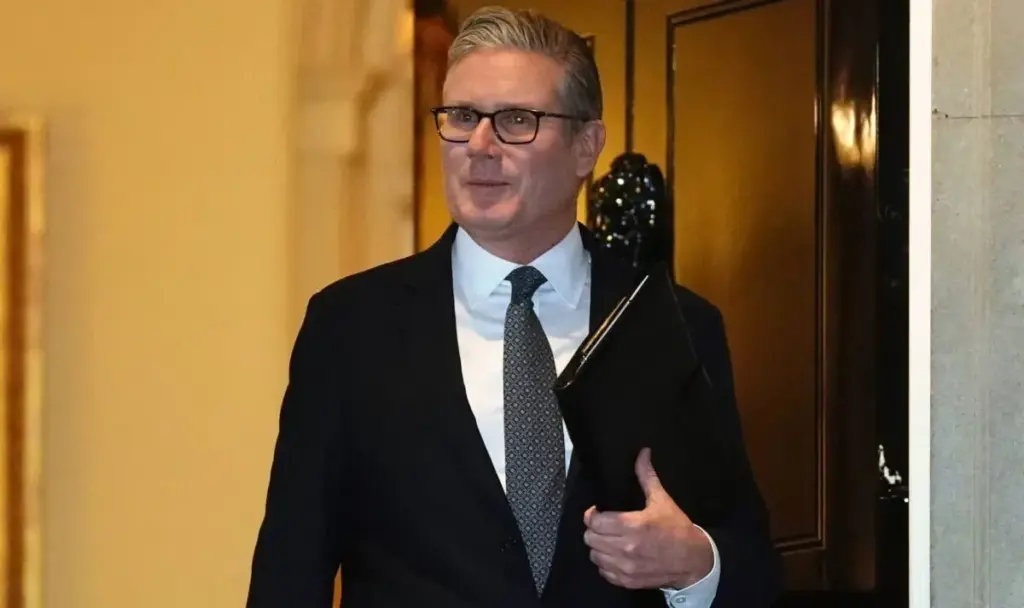
Keir Starmer, the current leader of the Labour Party, recently faced a challenging moment that tested his leadership in the UK political landscape. On a day fraught with tension, Starmer’s position was questioned as Anas Sarwar called for his resignation, prompting a rapid response from his cabinet. Surrounded by uncertainty, Starmer managed to rally support from key figures within his party, an action that not only solidified his standing but also highlighted the precarious nature of Labour’s future under his guidance. Despite the turmoil, this moment could serve as a turning point for Starmer, as he seeks to navigate the political storms and maintain his leadership amidst rising ambitions within the party, particularly those of Wes Streeting and others eyeing his position. As speculation about Keir Starmer’s future continues, it remains crucial to observe how these internal dynamics will shape the Labour Party’s trajectory in the coming months.
Sir Keir Starmer’s recent struggles reflect a broader narrative within the Labour Party, marked by political discord and competing ambitions. The leadership crisis was ignited when Scottish Labour leader Anas Sarwar publicly challenged Starmer’s authority, thrusting the party’s stability into the spotlight. This critical juncture, coupled with the aspirations of notable figures like Wes Streeting, underscores the shifting dynamics that may influence the trajectory of the party. As Sir Keir navigates these turbulent waters, the question of his long-term viability as Prime Minister looms large, inviting scrutiny and debate across the political spectrum. Observing Starmer’s response to these challenges will reveal much about the vitality of Labour as it prepares for future electoral battles.
The Political Landscape Surrounding Keir Starmer
Keir Starmer’s position as the leader of the Labour Party is deeply intertwined with the current UK political landscape, which is characterized by intensity and uncertainty. Following a recent upheaval in his leadership, the resilience shown by Starmer has not only solidified his role but also highlighted the ideological divisions within Labour. The calls for resignation from figures like Anas Sarwar expose the friction between the party’s Scottish and UK leadership bodies, bringing to the forefront issues of alignment and loyalty within the party—key aspects that shape the future of Labour’s governance.
As Starmer navigates this fluctuating environment, the dynamics are further complicated by potential leadership challengers, like Wes Streeting, who aim to position themselves favorably amid the unrest. The Labour Party’s ability to sustain cohesiveness in its messaging and strategy could determine Starmer’s longevity as leader and will impact the broader perception of Labour across various demographics. As the UK continues to grapple with pressing issues, the political strategies employed by both Starmer and his rivals, such as their approaches to social justice and economic reform, will be pivotal in steering the narrative surrounding the Labour Party.
Challenges to Keir Starmer’s Leadership
While Keir Starmer’s leadership survived one of its most substantial challenges recently, the undercurrents of dissent within the party indicate that the path ahead remains precarious. Anas Sarwar’s public call for resignation directly criticized Starmer’s leadership effectiveness, signaling a break in the unity that is essential for political survival. This dissent not only reflects personal grievances but also encompasses broader questions about Labour’s objectives and strategies amidst changing voter expectations and national sentiments, framing a landscape fraught with potential upheaval.
The implications of such challenges affect not just Starmer but the entire Labour Party’s prospects in upcoming elections. The necessity for an engaging and inclusive approach to governance has never been more prominent. Starmer must address both the discontent expressed by Sarwar and the anticipation from figures like Wes Streeting, whose political ambitions could further destabilize his leadership if unaddressed. The ability of the Labour Party to unite around clear policies and a shared vision will be paramount for sustaining Starmer’s leadership in the coming months.
Wes Streeting’s Ambitions and Their Impact on Labour
Wes Streeting, as one of the prominent figures within the Labour Party, is often viewed through the lens of his aspirations for leadership. His recent demonstrations of loyalty to Keir Starmer, alongside the backdrop of his own ambitions, shape a compelling narrative in the Labour Party’s current dynamics. While Streeting publicly reiterates his support for Starmer, the political maneuvers perceived by many as self-serving raise questions about his true allegiance. This dual role of being both an ally and a potential rival complicates Starmer’s task of unifying his party.
Moreover, Streeting’s actions—such as the release of his WhatsApp messages—indicate a strategic attempt to assert his leadership qualities while navigating his role as Health Secretary. This complex interplay between support and ambition has implications for Labour’s internal politics and illustrates the challenges Starmer faces in maintaining harmony within his cabinet. As Streeting and other potential contenders leverage their influence, the urgency for Starmer to clearly outline his vision and policy goals has become more pressing to secure party loyalty and advance Labour’s agenda.
Anas Sarwar’s Influence on Labour’s Future
Anas Sarwar’s recent call for Keir Starmer’s resignation serves as a significant marker of his influence within the Labour Party, particularly regarding Scottish Labour’s positioning in the UK political landscape. His willingness to challenge the leadership not only reflects his frustrations with Starmer’s approach but also indicates the ongoing struggle for control and direction within Labour. Sarwar’s actions can be interpreted as a clear message about the dissatisfaction with current leadership and the push for more robust representation of Scottish interests—a crucial topic as Labour looks toward future elections.
As Sarwar continues to exert his influence, the interplay between his leadership of Scottish Labour and Starmer’s leadership of the UK party will be critical in navigating regional differences. The ability of both leaders to foster collaboration rather than conflict will be essential in crafting a coherent strategic message for Labour. If Sarwar can effectively translate his criticisms into actionable plans that resonate not just within Scotland but across the UK, it could either bolster Starmer’s authority or further embolden dissenting voices—ultimately shaping the immediate future of Labour.
The Future of the Labour Party Under Starmer
The future of the Labour Party under Keir Starmer’s leadership is poised at a crucial juncture, particularly following recent turbulent events that tested his authority. With elections on the horizon and numerous internal challenges to address, Starmer must strategize on how to revitalize the party’s image and unify its members around a common vision. His approach to key issues like economic inequality, healthcare, and climate change will play an integral role in redefining Labour’s appeal to voters, especially as societal expectations shift.
Moreover, Starmer’s ability to adapt and demonstrate effective leadership in the face of calls for greater boldness from figures such as Ed Miliband reflects the dual challenge he faces: to maintain party unity while also addressing the need for substantive change in policy direction. As the political landscape evolves, the questions remain: will Starmer seize the opportunity to consolidate his power, or will the aspirations of potential successors like Wes Streeting and Anas Sarwar redefine the path forward for Labour? The stakes are high, and Labour’s direction will significantly impact the upcoming elections.
Potential Leadership Contenders Beyond Starmer
In light of recent challenges faced by Keir Starmer, speculation about potential leadership contenders within the Labour Party has gained momentum. Names like Angela Rayner, Wes Streeting, and Shabana Mahmood are often mentioned in discussions about who could succeed Starmer should he falter. Understanding these dynamics is vital, as each contender brings distinct visions and priorities that could reshape Labour’s trajectory. However, most of these discussions also reveal more about the weaknesses than strengths of the potential successors, which underscores why Starmer has managed to retain his position up to now.
Furthermore, the perception that many leadership hopefuls are overshadowed by Starmer’s leadership prompts an introspection within the party. Questions about their capability to inspire confidence among party members and the public are crucial. Effective leadership will not just depend on their political aspirations but also on their ability to address the party’s longer-term goals—redefining Labour’s identity in a rapidly changing UK political landscape. It remains to be seen whether one of these potential successors can effectively galvanize support and cultivate a vision for Labour that resonates with the electorate.
Shifts in Labour’s Agenda Post-Crisis
Following the recent political crisis, Keir Starmer’s ability to pivot the Labour Party’s agenda will be critical in re-establishing trust and authority within the party. Calls from inside the ranks, including Ed Miliband’s call for bolder policies, amplify the demand for a decisive course correction. Labour’s effectiveness in addressing current issues like healthcare, education, and economic reform have been central to Starmer’s platform but require a renewed urgency if the party hopes to capture the public’s attention and confidence ahead of upcoming elections.
Evaluating the Labour Party’s agenda involves not just responding to internal pressures but also to the broader societal needs that have emerged during recent crises. Starmer must navigate through these changes deftly, ensuring that Labour not only responds to immediate challenges but also outlines a compelling vision for the UK’s future. Addressing these concerns head-on will determine whether Labour can regain lost ground and thrive in the volatile political landscape, positioning itself as a party of both principles and pragmatism under Starmer’s leadership.
Evaluating Starmer’s Governance and Its Impact
The question of how effectively Keir Starmer governs during this precarious time ultimately shapes perceptions of his leadership. While his talents as a leader are acknowledged, criticisms regarding his handling of controversies and internal party management persist. The recent upheavals highlight the need for transparent communication and decisive action that resonates across all factions within the Labour Party. Should Starmer enhance his governance approach, it is likely to reinforce his call for unity and broader support from party members.
Additionally, to assess Starmer’s governance is to consider its implications on the party’s electoral prospects. Labour’s ability to connect with working-class voters and urban populations, in particular, will be instrumental in reclaiming seats lost in prior elections. As the next election approaches, voters will scrutinize not just policy proposals but Starmer’s capacity to galvanize Labour into a cohesive force. If he fails to address the deep-seated concerns regarding his governance effectively, it might lead to more serious challenges that could jeopardize Labour’s standing in UK politics.
The Role of Cabinet Unity in Starmer’s Leadership
Cabinet unity has been identified as essential to the success of Keir Starmer’s leadership, particularly in light of the recent tumultuous events within the Labour Party. The strong show of support from cabinet members represents a critical turning point where dissent was quelled, signaling a collective commitment to back Starmer against internal challenges. This solidarity is crucial for maintaining a stable political environment and ensuring that the party presents a united front to the electorate.
However, the challenges that lie ahead necessitate more than mere displays of unity; they require genuine collaboration and strategic alignment on key policy initiatives. As individuals such as Wes Streeting and Anas Sarwar navigate their roles, it is imperative that Starmer fosters open dialogue within the cabinet to harness diverse perspectives while minimizing the risk of factionalism. The real test of cabinet unity will be whether it can withstand future crises and bolster Labour’s mission under Starmer’s leadership, as both supportive and dissenting voices will play significant roles in shaping the party’s direction.
Frequently Asked Questions
Is Keir Starmer safe in his position as Labour leader?
As of now, Keir Starmer appears to be safe in his job as Labour leader, thanks to a significant show of support from his cabinet after a tense period of potential resignation calls, particularly from Anas Sarwar.
What challenges does Keir Starmer face in the UK political landscape?
Keir Starmer faces significant challenges in the UK political landscape, including pressure from within his party and external criticism, particularly regarding his leadership style and policy decisions, which may impact Labour’s prospects in upcoming elections.
Who are the potential successors to Keir Starmer in the Labour Party?
Potential successors to Keir Starmer include figures such as Wes Streeting, Angela Rayner, Shabana Mahmood, and Ed Miliband, although they are often mentioned more in the context of their faults rather than as viable leadership candidates.
What role does Anas Sarwar play in the Labour Party under Keir Starmer’s leadership?
Anas Sarwar plays a critical role as the Scottish Labour leader, having publicly called for Keir Starmer’s resignation, which reflects the tensions within the party and highlights the challenges Starmer faces in unifying the Labour Party.
What are Wes Streeting’s ambitions in relation to Keir Starmer’s leadership?
Wes Streeting’s ambitions appear to be viewed through the lens of his potential aspirations for higher office, with many interpreting his actions as indications of whether he might seek to challenge or support Keir Starmer in future leadership dynamics.
How does Keir Starmer plan to address potential changes in his government’s agenda?
Keir Starmer is currently under pressure to adopt a bolder agenda as leader of the Labour Party, particularly in light of recent cabinet turmoil and calls for more left-leaning policies from within his party.
What are the implications of recent cabinet changes for Keir Starmer’s leadership?
Recent cabinet changes mark a period of transition under Keir Starmer’s leadership, with the departure of key staff members potentially reshaping the government’s operational support and decision-making processes.
What is the current status of support for Keir Starmer within the Labour Party?
Despite earlier calls for his resignation, Keir Starmer currently enjoys a more united backing from his cabinet, although uncertainties remain regarding the longevity of this support as internal dynamics continue to evolve.
| Key Question | Summary |
|---|---|
| Is Sir Keir Starmer Safe in His Job? | For now, yes. Sir Keir previously faced potential calls for his resignation but managed to regain support from his cabinet after a commendable effort from his inner circle. |
| How Long Is Sir Keir Safe For? | Sir Keir’s position is currently stable, but potential challenges may arise in the approaching weeks, especially during the May elections and following upcoming by-elections. |
| What Is Wes Streeting Up To? | While Wes Streeting professed loyalty to Sir Keir, speculation surrounding his ambitions for leadership has created tension within the cabinet, impacting perceptions of support. |
| Who Are the Other Leadership Contenders? | Angela Rayner and other notable Labour figures are frequently mentioned as potential successors, yet discussions often focus on their flaws rather than strengths. |
| Will There Be Other Changes in 10 Downing Street? | With several key personnel changes already occurring, Sir Keir’s leadership team is under pressure to perform and adapt to maintain party dynamics. |
| Will the Government’s Agenda Now Change? | Sir Keir is urged to adopt a bolder agenda, with potential flashpoints looming on key policy issues, raised by the departure of his Chief of Staff. |
Summary
Keir Starmer’s recent challenges highlight his precarious position within the Labour Party, yet his ability to rally support demonstrates his leadership resilience. As he navigates upcoming elections and potential crises, the focus remains on whether he can maintain this momentum or if dissent will grow, especially looking toward future leadership contenders. His success hinges on the actions he takes in the near future and his ability to align the party’s agenda with the expectations of its members.