Listen to this article
In his hopeful New Year message, Keir Starmer sets the stage for what he believes will be a transformative 2026 for Britain, vowing to counteract the decline and division that has plagued the nation. He recognizes the struggles citizens have faced and outlines a vision that promises significant improvements, including enhancements in public services, lower bills, and a fortified police presence amidst sluggish economic growth. By focusing on future gains and emphasizing the importance of local elections in the UK for 2026, Starmer encourages citizens to believe in achievable change. With an eye on competing messages from political leaders like Kemi Badenoch, who cited challenges such as record unemployment and increased taxes, Starmer reaffirms his commitment to overcome these issues for the betterment of all. His message resonates as a call to action, aiming to inspire hope and engagement as the government works towards economic growth in Britain and meaningful reforms in the upcoming year.
The commencement of a new year often brings with it fresh aspirations, and this sentiment is strongly echoed in Sir Keir Starmer’s message for 2026. He acknowledges the myriad difficulties facing the UK while providing a roadmap toward potential recovery and advancement in public services. Contrary to the conservative narrative offered by Kemi Badenoch, which paints a grim picture of stagnation and financial strain, Starmer’s focus lies on fostering optimism and mobilizing support for measurable changes. With local elections on the horizon, the determination to revitalize communities and enhance economic conditions takes precedence, illustrating a clear divide in visions for the future of the nation. As the political landscape evolves, the importance of engaging the electorate in discussions surrounding pivotal issues such as healthcare improvements and economic strategies will undoubtedly shape the dialogue leading into the new election cycle.
Keir Starmer’s New Year Message: A Vision for 2026
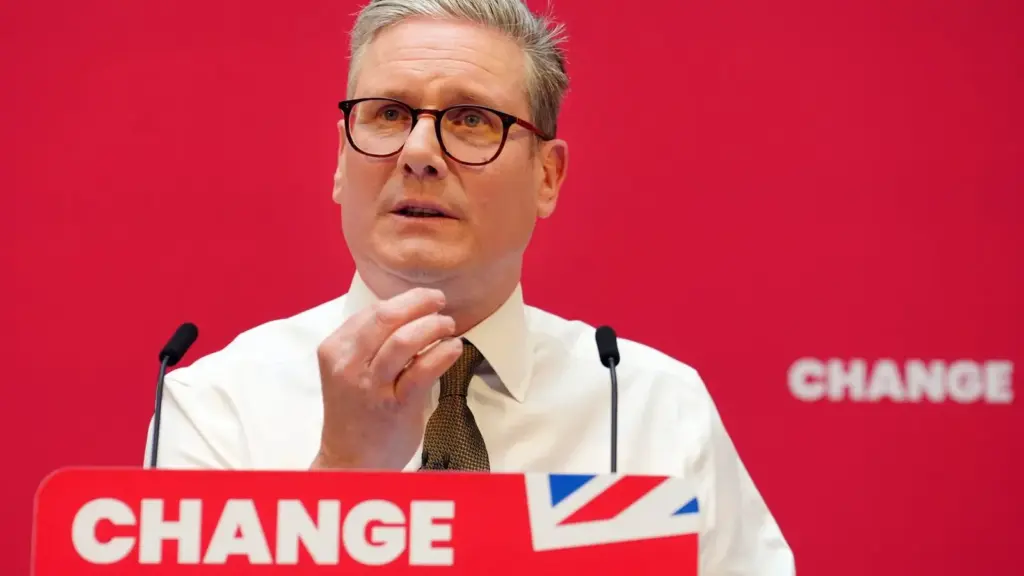
In his New Year message, Prime Minister Sir Keir Starmer has set a hopeful tone for the year ahead, emphasizing his commitment to overcome the challenges facing Britain. He stated that 2026 is poised to be a year of transformation, where the effects of policy changes will begin to manifest positively in the daily lives of citizens. Starmer candidly acknowledged the hardships that many have endured, attributing them to prolonged periods of economic stagnation and division among the populace. He believes that by focusing on economic growth and community improvements, the Labour party can steer the nation towards recovery and rejuvenation.
Starmer’s emphasis on concrete improvements, such as reducing energy bills and enhancing local police presence, reflects a strategic approach to restoring public confidence. By highlighting initiatives like new healthcare hubs and frozen train fares, he aims to present a clear agenda focused on uplifting public services, a crucial aspect as discussions about the local elections in 2026 intensify. The Prime Minister reassured the public that their well-being is paramount, and the government is taking steps that indicate a shift towards more responsible management of resources and services.
Kemi Badenoch’s Perspective on Britain’s Economic Future
In response to the current political climate, Conservative leader Kemi Badenoch delivered a contrasting New Year message, where she painted a stark picture of the challenges faced in 2025—namely, no economic growth, tax hikes, and rising unemployment rates. Badenoch argues that these challenges do not predetermine the fate of Britain; instead, she presents her party as a beacon of hope. By emphasizing a commitment to stimulate business operations and economic activity, she aims to create an environment that finances essential public services, including healthcare and national defense.
Her strategic emphasis on economic growth in Britain suggests a platform built around job creation and stability. Badenoch’s insistence that the country is not bound for decline seeks to invigorate her party’s agenda, particularly as they look towards the local elections in 2026. By positioning the Conservative party as champions of innovation and support for businesses, she hopes to harness public sentiment towards economic recovery and improved public service capabilities, steering the narrative away from the previous years of decline.
Local Elections UK 2026: Shifting Political Dynamics
As the local elections in the UK approach in 2026, various political factions are preparing for a significant showdown that could reshape the landscape of British politics. The Liberal Democrats and Reform UK are both expressing optimism, recognizing a potential shift in voter sentiments. Liberal Democrat leader Sir Ed Davey’s hope of regaining lost ground in these elections hints at a growing public desire for alternatives to the traditional two-party system. This election could act as a bellwether for the wider implications of Starmer’s and Badenoch’s national strategies.
On the other side of the political spectrum, Reform UK’s Nigel Farage is pushing for a narrative of hope and change, emphasizing the importance of adapting to emerging technologies like cryptocurrencies and artificial intelligence. He argues that understanding these innovations is critical for future economic resilience. The atmosphere surrounding the impending elections suggests a dynamic and potentially volatile contest, where key issues like economic stability, technological adaptation, and public service efficiency will play central roles.
Economic Growth in Britain: Future Prospects
The prospect of economic growth in Britain has become a pivotal topic as political leaders outline their visions for the future. Both Prime Minister Starmer and Kemi Badenoch address the critical need for recovery from the stagnation that has plagued the nation. Starmer’s focus on relieving the economic burden on citizens through reduced bills and better local services is a clear indication that he understands the public’s demand for tangible improvements. His promise for 2026 aims to align economic recovery with enhanced living standards, reflecting a comprehensive plan to invigorate public trust.
Contrastingly, Badenoch’s message outlines a commitment to support businesses as a means to achieve broader economic growth. Her perspective hinges on the belief that a thriving business environment will lead to job creation, increased tax revenues, and ultimately greater investments in vital public services. As both parties navigate their approaches to revitalize the economy, the competition will hinge on their ability to connect with voter concerns surrounding economic issues and public welfare.
Improvements in Public Services: A Priority for 2026
In order for the promises of economic growth to translate into real benefits for citizens, improved public services must take center stage. Starmer’s New Year message highlights a commitment to initiatives aimed at enhancing healthcare delivery and community support systems. By announcing the introduction of new healthcare hubs and lowered prescription charges, he aims to alleviate pressures on existing services. This focus on public health is crucial, especially in the context of a post-pandemic society looking for reassurance and support.
Badenoch, too, acknowledges the necessity of robust public services, emphasizing that investment in such areas is essential to foster growth. Her assertion that effective healthcare and public safety must be priorities reflects a shared understanding among political leaders of the significance of public services in promoting societal well-being. As 2026 approaches, the dialogue surrounding public service improvement will likely influence voter behavior and shape the political landscape.
Challenges Ahead: Addressing Public Frustration
Public frustration has been palpable as citizens seek immediate resolutions to longstanding challenges. Starmer has openly acknowledged this frustration, attributing it to a history of underperformance and division that has characterized British politics. His reassurance that tangible changes will begin to unfold in 2026 is a direct appeal to voters who have been disheartened by years of stagnation. Acknowledging the need for sustained effort and time for renewal demonstrates his understanding of the public’s sentiment and desire for accountability.
Similarly, Badenoch’s New Year message addressed the urgency of addressing public concerns regarding economic performance and service provision. By promising support for job creation and a stable economic environment, she aims to counter the notion that the Conservative party has abandoned its commitment to public welfare. As the 2026 elections draw closer, how these leaders address the frustrations and aspirations of voters will be critical to their political fortunes and to the future of governance in Britain.
Technological Advancements and Political Change
The conversation surrounding technological advancements, particularly in areas like AI and cryptocurrency, has emerged as a critical component in the political landscape of 2026. Farage’s emphasis on these technologies not only reflects a forward-thinking agenda but also addresses the necessity for politicians to engage with contemporary issues influencing the electorate. As the economy becomes increasingly intertwined with technology, the ability of leaders to adapt their policies and present innovative solutions will be essential in gaining voter trust.
Starmer and Badenoch will both need to navigate these technological changes as they craft their campaign strategies for the upcoming local elections. The integration of modern technology into traditional sectors presents both challenges and opportunities for job creation and intellectual growth. Engaging the public in discussions about these advancements can lead to increased political engagement and voter turnout, making technology a pivotal theme in the lead-up to 2026.
Public Services and New Initiatives for Community Support
Community support and public service initiatives are central to the political discourse as Britain looks ahead to 2026. Sir Keir Starmer’s plans to improve local services resonate with voters who are eager for change, particularly in areas like healthcare and public safety. By promising new healthcare hubs and enhanced local policing efforts, Starmer is signaling a dramatic shift in priorities towards community-centric governance, which could yield significant improvements in public welfare.
In light of ongoing challenges, Badenoch’s message also highlights the importance of investing in public services to ensure that the foundations of society remain strong. Both leaders now face the task of aligning their proposals with the public’s expectations, demonstrating that improvements in public services are not merely aspirational but rather achievable goals. As we approach the local elections, the emphasis on public service enhancements could be a deciding factor for many voters.
The Impact of Starmer and Badenoch’s Policies on British Society
As political leaders outline their visions for 2026, the impact of their policies on British society is becoming a focal point. Starmer’s emphasis on overcoming decline and promoting growth highlights his intention to combat the existing divisions within communities. By addressing key issues like economic burdens and public service enhancements, his administration seeks to restore faith in the political system and unify voters under a common purpose.
On the other hand, Kemi Badenoch’s approach heralds a conservative commitment to stimulate economic activity through business support and innovation. Her assertion that Britain is not destined for decline coupled with calls to prioritize public services underscores a belief in collective resilience. As both parties convey their messages, the effectiveness of their strategies will determine how citizens engage with the political process as 2026 approaches.
Frequently Asked Questions
What are the key points from Keir Starmer’s New Year message regarding 2026 changes in Britain?
Keir Starmer’s New Year message focused on overcoming decline and division in Britain, promising that 2026 will bring positive changes. He emphasized improvements in public services, economic growth, and lower costs for essentials like bills and healthcare. Starmer aims to show progress in community services and policing to rebuild public trust.
How does Keir Starmer’s New Year message compare to Kemi Badenoch’s?
While Keir Starmer’s New Year message offers a vision of hope with proposed improvements in healthcare and economic growth by 2026, Kemi Badenoch highlighted the challenges of the previous year, including no growth and rising unemployment. Badenoch’s message emphasized supporting businesses to prevent decline, contrasting Starmer’s focus on public service enhancements.
What improvements did Keir Starmer highlight for public services in his New Year message?
In his New Year message, Keir Starmer assured the public of upcoming improvements in public services by 2026, including lowered bills, enhanced healthcare hubs, frozen train fares, increased minimum wage, and reduced fuel duties. These measures aim to alleviate financial pressure on families and improve community wellbeing.
What does Keir Starmer say about economic growth in Britain in his New Year message?
Keir Starmer acknowledged the sluggish economic growth impacting Britain in recent years but remains optimistic that the changes promised for 2026 will lead to a boost in economic conditions. His message stresses the importance of collaboration and strategic planning to facilitate lasting economic improvements.
How might the local elections in 2026 be influenced by Keir Starmer’s New Year message?
Keir Starmer’s New Year message might influence the local elections in 2026 by establishing a narrative of renewal and improved public services, appealing to voters anxious for change. Both Lib Dem and Reform UK leaders have also echoed hopeful messages, indicating a competitive electoral landscape potentially swayed by public sentiment around Starmer’s vision for progress.
What changes can the public expect in public services according to Keir Starmer’s New Year message?
According to Keir Starmer’s New Year message, the public can expect significant changes in public services by 2026, including reduced bills, improvements in healthcare availability, an increase in police presence, and community investments aimed at enhancing overall living standards.
What did Keir Starmer imply about the timeline for changes in Britain in his New Year message?
In his New Year message, Keir Starmer implied that while changes may take time due to decades of challenges, the public should begin to see tangible improvements as early as the upcoming year, laying the groundwork for a better Britain by 2026.
What was the public’s reaction in relation to Keir Starmer’s New Year message?
The public’s reaction to Keir Starmer’s New Year message reflects a mix of skepticism and cautious optimism. Many are hoping for the promised improvements in economic growth and public services, but there’s also notable frustration over the historically slow progress in enacting change in Britain.
| Key Points | Keir Starmer’s New Year Message | Kemi Badenoch’s New Year Message | Opposition Leaders’ Messages |
|---|---|---|---|
| Promises for 2026 | Starmer believes 2026 will bring positive changes including lower bills and better healthcare. | Badenoch claims that 2025 had no growth and emphasizes support for businesses to prevent decline. | Ed Davey (Lib Dems) is optimistic about winning local elections in 2026; Farage (Reform UK) advocates for embracing new technologies. |
| Acknowledgment of Tough Times | Starmer recognizes the challenges faced by the public and reassures them of improvements in 2026. | Badenoch insists Britain can overcome its challenges and points to efforts to boost the economy. | The Green Party and SNP emphasize different priorities, with the SNP reflecting on global challenges like sports and elections. |
| Changes Promised | Starmer promises frozen train fares, increased minimum wage, and reduced prescription charges in 2026. | Badenoch plans to support the economy through businesses, armed forces, and healthcare funding. | The opposition leaders focus on community improvements and technology-driven growth as key areas for change. |
Summary
Keir Starmer’s New Year message conveys a determined outlook for 2026, promising to tackle the decline and division experienced in Britain. He emphasizes the need for improvement in public services and the economy, reflecting on the challenges faced by citizens. Alongside contrasting views from Kemi Badenoch and other opposition leaders, Starmer’s assurances about healthcare, wage growth, and community support paint a hopeful picture for the year ahead.