Listen to this article
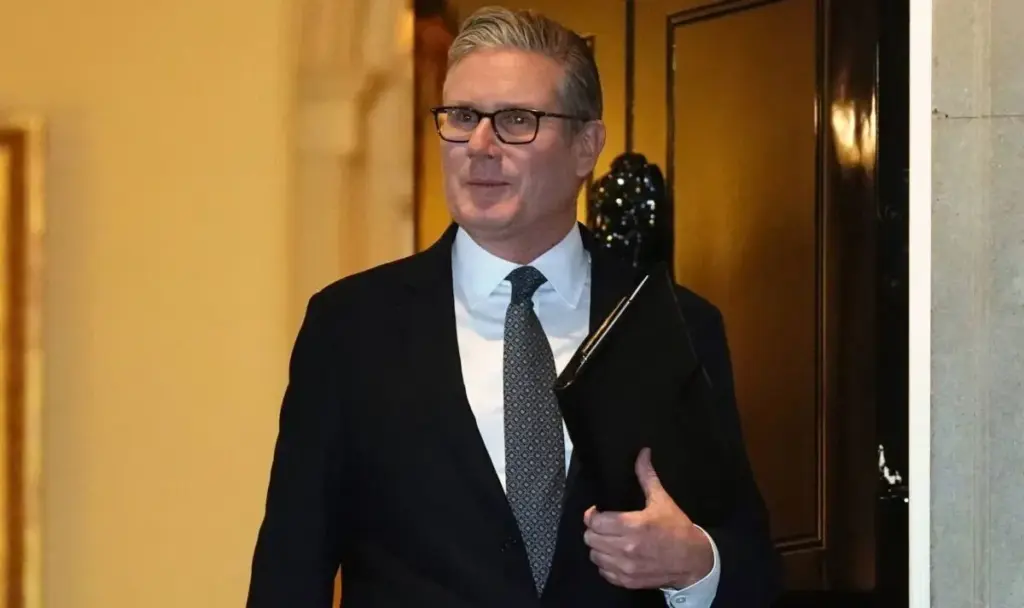
Sir Keir Starmer stands at a pivotal juncture in his leadership of the Labour Party, navigating through political turmoil that has engulfed the UK. As criticism mounts from figures like Anas Sarwar, who has openly called for Prime Minister resignation, Starmer’s recent decisions, including the controversial appointment of Peter Mandelson, are under intense scrutiny. The support of cabinet ministers indicates a united front, yet the growing dissent threatens to undermine Starmer’s efforts to solidify his leadership. With elections looming, the Labour Party’s ability to rally behind Starmer could determine its future, making this an essential moment for party morale. Amidst these challenges, many are questioning whether Sir Keir can regain the confidence of his party and the public while addressing pressing issues such as economic policy and governance.
At a critical crossroads, the leader of the Labour Party, Sir Keir Starmer, faces an array of challenges that could reshape his political future. With dissent brewing from Scottish Labour’s Anas Sarwar and unrest regarding his recent staff appointments, including controversies surrounding Peter Mandelson, Starmer’s capacity to maintain party cohesion is being tested. As he strives to consolidate Labour support, Starmer must navigate not only the immediate political strife but also the expectations of voters looking for stability in the face of leadership crises. Stakeholders within the party are keenly aware that the upcoming elections will be a litmus test for both his leadership and the party’s strategy moving forward. In times of uncertainty, these developments are critical, as they could directly influence the Labour Party’s structural integrity and public perception.
The Political Climate Under Keir Starmer’s Leadership
Keir Starmer’s leadership of the Labour Party has been marked by both challenges and pivotal moments. The recent political turmoil in the UK has placed him under a magnifying glass, particularly after Anas Sarwar’s bold calls for the Prime Minister to resign. This incident highlights the fractious atmosphere within the party, as many Labour members are grappling with the consequences of leadership decisions and their impact on the party’s image. Starmer’s response to such pressure from within could define his tenure, as he seeks to unify various factions while navigating the complexities of governing amid growing criticism.
In the face of criticism regarding the appointment of Peter Mandelson, Starmer is confronted with the dual challenge of maintaining party cohesion while avoiding the pitfalls of political missteps. The ongoing scrutiny showcases the delicate balance he must strike, as internal calls for change and accountability rise among party ranks. Sir Keir’s approach to these controversies will be instrumental not just for his leadership reputation, but also for the Labour Party’s standing heading towards critical future elections.
Anas Sarwar’s Role in the Labour Party Landscape
Anas Sarwar has positioned himself as a noteworthy figure in Scottish Labour, particularly with his recent statements calling for Prime Minister Keir Starmer’s resignation. Sarwar’s criticisms underscore a significant rift within the party, as he publicly questions the government’s effectiveness in light of leadership choices that have drawn negative attention. His remarks signal a growing frustration among Labour MPs who are keen to see a stronger response from their leader in turbulent times.
Sarwar’s position amplifies the voices of dissent within the Labour Party, asserting that leadership accountability is essential, especially with elections looming in Scotland. The criticism he has directed at the Prime Minister implies that many Labour supporters expect a more robust and decisive approach to governance. As he navigates this tense landscape, Sarwar is also aware that these actions will resonate with constituents who are increasingly impatient for change.
The Influence of the Peter Mandelson Controversy
The controversy surrounding Peter Mandelson’s appointment as UK ambassador to the US has reignited discussions about leadership integrity under Keir Starmer. With allegations linking Mandelson to Jeffrey Epstein emerging, the implications for Starmer’s administration are profound. The criticism from both sides of the Labour Party exemplifies how contentious choices can impact not only the party’s reputation but also voter confidence leading up to crucial elections. This situation highlights the urgent need for Sir Keir to address these issues effectively or risk alienating key demographics within the party and its supporters.
Moreover, Mandelson’s past associations and the storm of public scrutiny that has followed serve as a constant reminder to Starmer of the complexities that accompany leadership roles. The significance of this controversy is further compounded by Sarwar’s vocal opposition, suggesting that internal party unity is at stake. As Labour strives to consolidate support in the shadow of such scandals, Starmer’s handling of the Mandelson affair will be critical to his leadership’s perceived credibility.
Labour Party Support Amidst Internal Strife
Despite the growing tensions within Labour, cabinet ministers have expressed unwavering support for Keir Starmer, emphasizing the importance of party unity at this crucial juncture. Following Anas Sarwar’s demands for resignation, figures like Ed Miliband have reaffirmed their commitment to Starmer’s leadership, arguing that moving towards a chaotic leadership election would further destabilize the party. This collective defense reflects a strategic decision by seasoned leaders to reinforce Starmer’s position as Labour navigates political uncertainty.
However, the public sentiment toward Labour reveals a dichotomy. While leaders within the party endorse Starmer, grassroots members and supporters might feel differently, especially in light of recent controversies. The party’s ability to maintain voter trust is integral, and Starmer must find ways to address the increasingly vocal criticisms of his leadership to sustain support moving forward. Acknowledging internal dissent, while also fostering a cohesive front, will be crucial for Labour’s future success.
Navigating Chaos: Leadership Elections and Speculation
As speculation about potential leadership elections looms over Sir Keir Starmer, the Labour Party is at a critical crossroads. The dissatisfaction among Labour backbench MPs, with some openly calling for Starmer’s resignation, indicates a palpable sense of urgency for change within the party. If current discontent continues to grow, the specter of a leadership contest could arise sooner than anticipated, posing serious implications for Labour’s coherence and strategic direction as it approaches upcoming elections.
This speculation is layered with complexities, as emerging contenders like Wes Streeting position themselves in contrast to Starmer’s leadership style. The dynamics of public opinion and the party’s past election performances weigh heavily on the minds of party elites, making it vital for Starmer to assert control and present a clear vision for Labour’s future. The way he navigates this period of uncertainty could ultimately determine not only his role but the party’s trajectory as it seeks to regain a foothold in UK politics.
The Impact of Resignations in Downing Street
The recent wave of resignations from Downing Street, including high-profile figures like Morgan McSweeney and Tim Allan, has added to the perception of instability within Sir Keir Starmer’s administration. These departures not only signal tumult behind the scenes but also exacerbate the ongoing narrative of leadership failure, as critics argue that the Prime Minister is losing control of his government. The connection between these resignations and the broader political climate raises questions about Starmer’s capacity to govern effectively amidst such uncertainty.
Moreover, these resignations may have ramifications that extend beyond personnel changes; they could trigger shifts in policy direction or strategic priorities that impact Labour’s approach to governance. The ongoing turnover in senior positions underscores the importance of a stable leadership team, particularly as Labour seeks to regain public trust. Starmer must now not only address the fallout from these resignations but also reassure members and supporters that his leadership is resilient enough to weather this storm.
Public Sentiment and Labour’s Path Forward
Public sentiment toward Keir Starmer and the Labour Party appears to be diverging from the support expressed by political insiders. Many outside the party are calling for a shift in priorities, urging the government to focus more on urgent issues like cost of living and caregiving solutions rather than internal frictions or leadership contests. It is vital for Starmer to understand and respond to these public expectations, as the party will be judged not solely on its leadership struggles but on its ability to deliver policies that resonate with everyday concerns.
As the Labour Party prepares for the challenges of forthcoming elections, capturing and maintaining the confidence of the general public will be essential. Stakeholder engagement and clear communication about the party’s goals can help bridge the gap between internal and external perceptions. By focusing on relevant issues facing constituents, Starmer can steer the narrative towards a more constructive and progressive agenda, thus positioning Labour as a viable alternative in the face of political unrest.
Reinforcing Leadership in Challenging Times
As Keir Starmer continues to navigate the turbulent waters of leadership, his response to internal dissent and external criticism becomes increasingly crucial. The endorsement of his leadership by seasoned ministers amidst calls for change demonstrates a commitment to weathering the storm as a unified force. However, maintaining this solidarity requires regular communication and actionable steps that can rebuild trust and confidence among Labour MPs and supporters.
Moreover, Starmer’s ability to remain adaptive while addressing the immediate fallout from controversies will significantly influence how he is perceived going forward. Building a proactive strategy that reinforces Labour’s values and commitments can enhance the party’s coherence and public image. For Starmer, demonstrating resilience in the face of challenges and providing clear direction will be key to his enduring success as the leader of the Labour Party.
Comparative Leadership Styles: Starmer vs. Potential Rivals
The contrasting leadership styles within the Labour Party, particularly between Keir Starmer and potential rivals such as Wes Streeting and Angela Rayner, highlight an evolving political landscape. While Starmer promotes a unifying message in a tumultuous environment, challengers are positioned to capitalize on any perceptions of weakness or indecision. As factions within the party begin to scrutinize Starmer’s policies and actions more critically, the dynamics of leadership could shift, leading to changing power balances.
Streeting, for instance, has been vocal about the need for accountability and a clear economic growth strategy, suggesting a forward-thinking approach that might resonate with the party’s younger base. On the other hand, Rayner’s emphasis on grassroots mobilization reflects an understanding of the urgent need to connect with long-time Labour supporters. The ideological differences among these leaders demonstrate the complexity of Labour’s internal workings and the necessity for Starmer to build consensus around a shared vision, or risk facing formidable and unified competition.
Frequently Asked Questions
What is the current situation regarding Keir Starmer’s leadership amid recent criticisms from Anas Sarwar?
Keir Starmer’s leadership is facing scrutiny, particularly after Anas Sarwar, the leader of Scottish Labour, publicly called for the Prime Minister to resign due to ongoing political turmoil in the UK. Despite this criticism, several Labour ministers have rallied in support of Starmer, emphasizing the need for stability within the party rather than a leadership contest.
How has Anas Sarwar’s criticism affected Labour Party support for Keir Starmer?
Anas Sarwar’s criticism has created complexity within Labour Party support for Keir Starmer. While Sarwar urges for change, his remarks have prompted cabinet ministers, including Ed Miliband, to express solidarity with the Prime Minister, indicating a collective decision to back Starmer to avoid chaos within the party during a critical period.
What are the implications of the Peter Mandelson controversy on Keir Starmer’s leadership?
The Peter Mandelson controversy has intensified discussions around Keir Starmer’s leadership as allegations about Mandelson’s connections to Jeffrey Epstein surface. This has led to internal party discontent, with some MPs questioning Starmer’s judgment. The controversy adds pressure on his leadership amidst broader concerns about government performance.
How are Labour MPs responding to Keir Starmer’s leadership during this political turmoil?
Labour MPs have shown mixed responses to Keir Starmer’s leadership amid political turmoil. While many MPs expressed support for Starmer during a Parliamentary Labour Party meeting, critical voices also emerged, indicating dissent regarding his handling of recent controversies, particularly concerning Lord Mandelson.
What are the potential consequences for Keir Starmer following Anas Sarwar’s calls for resignation?
The calls for resignation from Anas Sarwar could signify deeper unrest within the Labour Party and increase pressure on Keir Starmer. If discontent grows, especially with the upcoming Scottish elections, Labour could be compelled to reconsider its leadership structure, particularly if Starmer fails to demonstrate improvements amidst ongoing controversies.
| Key Point | Details |
|---|---|
| Support for Keir Starmer | Cabinet ministers have publicly backed Sir Keir Starmer despite calls for his resignation from Anas Sarwar. |
| Response to Criticism | Following Sarwar’s accusations of ‘too many mistakes’ in Downing Street, Ed Miliband expressed the importance of supporting their leader. |
| Public Confidence | During a Labour Party meeting, MPs applauded Starmer, indicating strong internal support despite ongoing criticisms. |
| Leadership Speculation | Speculation regarding Starmer’s leadership continues as several MPs have called for his resignation amid recent controversies. |
| Ministerial Departures | The resignation of key advisers suggests instability within Starmer’s government, increasing pressure on his leadership. |
Summary
Keir Starmer finds himself at a critical juncture as support from cabinet ministers shines amidst significant public and political scrutiny. The recent upheaval, echoing leadership challenges and internal disputes, underscores the delicate balance Starmer must maintain if he is to lead the Labour Party successfully in the face of adversity. As opposition factions and public discontent grow, how he navigates these challenges now will determine both his legacy and the future trajectory of the Labour Party.