Listen to this article
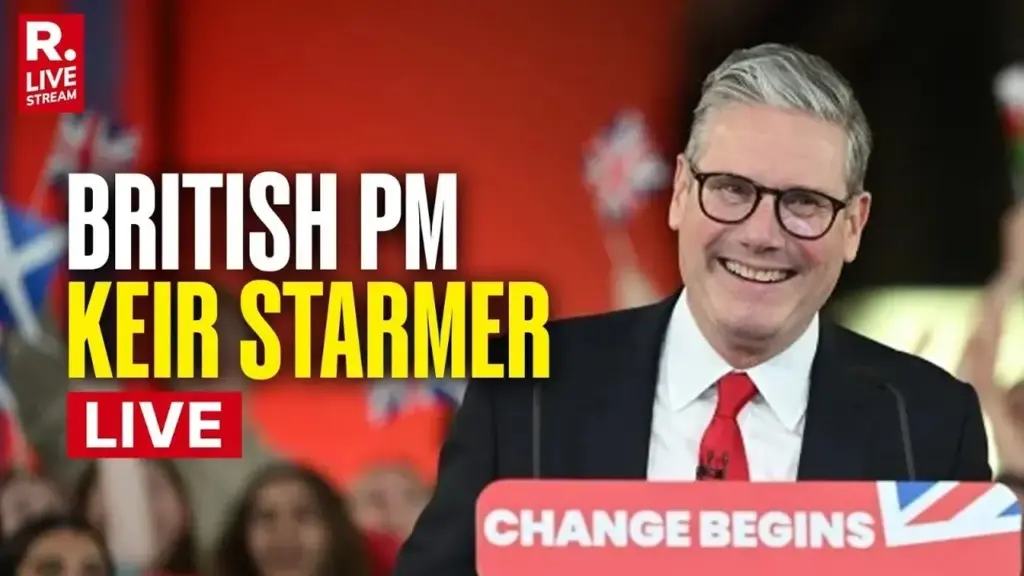
In 2026, Keir Starmer will face a pivotal moment in his political career, and his strategies will undoubtedly shape the future of the Labour Party. As the prime minister grapples with the escalating cost of living and the rising influence of Reform UK, he has drawn stark contrasts between his vision for the nation and what he describes as the divisiveness of his opponents. Starmer has articulated a clear message: voters must choose between a Labour government focused on rejuvenating the country and a Reform movement that thrives on division and grievance. With the UK elections in 2026 looming, these differentiating lines will be crucial in preserving Labour’s relevance in a rapidly changing political landscape. As Starmer’s leadership faces scrutiny, the upcoming elections will test the resilience of his political strategy amidst growing challenges.
As the countdown begins toward the significant electoral landscape of 2026, Keir Starmer’s leadership will be closely observed, particularly in the wake of challenging economic conditions and rising competition from parties like Reform UK. Starmer’s vision for the Labour Party focuses on revitalization and unity, contrasting sharply with the narrative pushed by his opponents who capitalize on public dissatisfaction. The essence of the upcoming UK elections will revolve around key issues like the cost of living crisis, with voters keen on determining which party offers tangible solutions to their struggles. In a context where labor relations and political aspirations intertwine, Starmer’s adept navigation of these waters will be crucial. The stakes are undeniably high as strategies evolve and public sentiment continues to shift.
Keir Starmer and Labour’s Vision for 2026
As the political landscape shifts ahead of the 2026 UK elections, Sir Keir Starmer aims to redefine Labour’s narrative as a vehicle for renewal rather than division. By emphasizing his party’s commitment to reforming the country, Starmer seeks to establish a clear contrast between Labour’s progressive values and the regressive stance of Reform UK, led by Nigel Farage. This strategic positioning is critical for Starmer as he hopes to rejuvenate his party’s image following a dip in popularity after their landslide victory in 2024. The focus on the cost of living crisis remains pivotal; Starmer believes that demonstrating tangible improvements in everyday life will resonate with voters and fortify Labour’s standing in the eyes of the public.
In these challenging political times, Starmer’s leadership strategy hinges upon connecting with voters’ concerns. He recognizes that rising household bills and stagnant wages play a significant role in shaping public sentiment. His cabinet discussions have revolved around the need for proactive measures that not only address the immediate financial burdens faced by families but also lay down a vision for long-term economic security. Starmer’s assertion that the choice is between a progressive Labour government and a divisive Reform movement reflects a crucial tactical approach designed to unify his party’s supporters around common goals while also appealing to undecided voters.
Frequently Asked Questions
What are the key challenges Keir Starmer will face in the 2026 elections?
In the 2026 elections, Keir Starmer will need to address significant challenges such as rising inflation and the cost of living crisis. His strategy focuses on differentiating the Labour Party from Reform UK by promoting a vision of renewal for the country, amidst declining poll ratings and public dissatisfaction. Starmer emphasized the need for hard work and determination to ease financial burdens on households.
How is Labour under Keir Starmer responding to Reform UK’s rise ahead of 2026?
Keir Starmer’s Labour Party is actively countering the rise of Reform UK by drawing sharp contrasts between Labour’s commitment to addressing grievances and Reform’s perceived divisive tactics. Starmer has positioned Labour as a force for positive change, aiming to restore public trust by prioritizing issues like the cost of living, while also framing the election as a critical choice for the future of the UK.
What political strategies is Keir Starmer employing to regain voter confidence by 2026?
To regain voter confidence by 2026, Keir Starmer is focusing on key political strategies such as emphasizing economic stability, delivering tangible improvements in public services, and addressing the cost of living. He aims to connect with voters by demonstrating how Labour’s policies foster change, contrasting this with the divisive rhetoric of Reform UK.
Why is 2026 considered a crucial year for Keir Starmer and Labour?
2026 is viewed as a crucial year for Keir Starmer and the Labour Party due to the upcoming elections where they face strong competition from Reform UK, which has gained momentum. Starmer’s leadership will be under scrutiny, and the party’s performance will significantly influence public perceptions and its future viability, necessitating a solid strategy to address pressing issues like the economy and social unity.
What is Keir Starmer’s stance on the cost of living crisis as the 2026 elections approach?
As the 2026 elections approach, Keir Starmer has highlighted the cost of living crisis as a top priority for his government. He is advocating for continuous efforts to relieve financial pressures on households, believing that how effectively Labour manages these economic challenges will directly impact voter perception and influence the electoral outcome.
How does Keir Starmer differentiate Labour from Reform UK ahead of the 2026 elections?
Keir Starmer differentiates Labour from Reform UK by promoting a narrative of national renewal versus division. He criticizes Reform UK’s approach as one that thrives on grievance and dissent, while Labour is portrayed as a party focused on unity, progress, and taking concrete actions to improve the lives of UK citizens amid challenging economic conditions.
What is Keir Starmer’s vision for the UK by 2026?
By 2026, Keir Starmer envisions a UK where the Labour Party has successfully addressed fundamental issues such as the cost of living and public service efficiency. He aims to inspire hope and confidence among voters, positioning Labour as the party that will deliver real change while combating the divisive influence of parties like Reform UK.
What impact does public opinion have on Keir Starmer’s leadership as the 2026 elections loom?
Public opinion significantly influences Keir Starmer’s leadership, especially as the 2026 elections draw near. With Labour’s ratings dropping and Reform UK gaining traction, Starmer understands that regaining public trust is vital. He has communicated the importance of resilience and belief in Labour’s mission to navigate these challenges successfully.
| Key Point | Details |
|---|---|
| Starmer’s Target | Focus on combating the popularity of Reform UK and restoring Labour’s political fortunes. |
| Key Message to Voters | Present Labour as a party of renewal versus Reform feeding grievances and division. |
| Political Strategy | Emphasize the cost of living crisis and deliver visible changes to improve public services. |
| Reform UK’s Stance | Claims to have more members than Labour and focuses on the government’s failures. |
| Challenges Ahead | Upcoming May elections may pose risks for Labour and Starmer’s leadership. |
| Starmer’s Determination | Maintains a strong resolve despite poll declines, emphasizing the hard work needed for 2026. |
Summary
Keir Starmer 2026 is poised to be a critical year for Labour as the Prime Minister emphasizes the need to combat the divisive politics of Reform UK. Focused on rejuvenating party fortunes, Starmer aims to appeal to voters by addressing pressing issues like the cost of living while showcasing Labour’s proactive policies. The stakes are high as the party navigates significant challenges in the upcoming elections, requiring unwavering determination from Starmer and his team.