Listen to this article
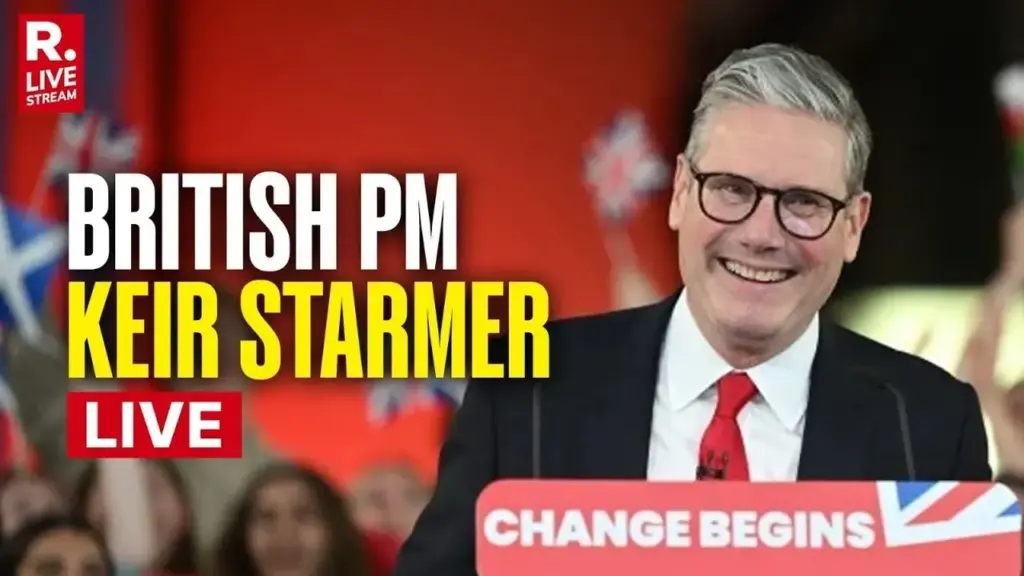
Keir Starmer 2026 marks a pivotal point in UK politics, as he navigates through a landscape fraught with challenges for the Labour Party. With the looming Welsh elections and local authority contests, Starmer’s future as Prime Minister is under scrutiny, inciting discussions about his leadership and the direction of the party. The performance of Labour in these elections could signal either a resurgence or a decline, significantly impacting Starmer’s political trajectory. As the political landscape in the UK shifts, the Labour Party must confront its messaging and accountability to resonate with voters. All eyes will be on how Starmer addresses the pressing issues facing the nation, potentially shaping his legacy in UK politics 2026 and beyond.
The year 2026 is poised to be a decisive milestone for Keir Starmer, who stands at the forefront of a Labour Party grappling with numerous obstacles. With significant electoral events such as the Wales elections and various local council races, Starmer’s leadership is increasingly scrutinized amid a complex and evolving political backdrop. The urgency for clear and effective communication from the Labour Party has never been greater, as they seek to redefine their identity in a shifting landscape. As public sentiment sways, the forthcoming electoral contests will undoubtedly influence not only Starmer’s fate but also the broader implications for Labour’s position within UK politics. The stakes are high for all involved as they attempt to navigate these turbulent waters in a rapidly changing environment.
Keir Starmer: The Pressure Builds for 2026
As the Labour Party gears up for the significant electoral tests of 2026, Keir Starmer finds himself at a crossroads. The upcoming Welsh Parliament elections and local council contests will not merely test the political waters for Labour; they will also serve as a litmus test for Starmer’s leadership. With the party’s reputation on the line in regions it historically dominated, there is palpable anxiety among Labour MPs about the risks of an electoral setback. Every electoral cycle brings its set of challenges, and at this juncture, many are questioning whether Starmer’s strategies resonate with voters or if a change in leadership will be necessary following a poor showing at the polls.
Adding to the complexity, external political pressures magnify the scrutiny on Starmer. In addition to Labour’s internal dynamics, the rising influence of the Nationalists in Scotland and the unsettling prospects in Wales highlight the fragile balance of power within UK politics. Political analysts around Westminster are observing these developments closely, suggesting that 2026 could mark a defining moment, not just for Starmer but for the very fabric of the Labour Party. Some argue that focusing on grassroots issues and community outreach could be vital for recovery, while others fear that shifts in public sentiment require a stronger, more charismatic leadership.
Labour Party Challenges: Navigating the Political Landscape in 2026
Labour’s challenges in the lead-up to 2026 extend beyond mere electoral strategy; they also encompass deep-rooted issues of identity and messaging. The party must grapple with its historical base while appealing to a new generation of voters who may be disillusioned with traditional politics. Many in the party acknowledge that they need to articulate a clearer vision for the future, one that resonates with the everyday concerns of ordinary citizens, from economic stability to health and education.
Moreover, in the face of rising third-party movements such as the Liberal Democrats and the Green Party, Labour’s campaign approach must adapt to an increasingly fragmented political landscape. This variety presents both a challenge and an opportunity for the party. By addressing the unique needs and aspirations of different voter demographics, Labour has the potential to not only galvanize its base but also capture undecided voters. The upcoming elections will be a critical measure of Labour’s adaptability amid these evolving dynamics.
Wales Elections 2026: A Critical Battleground for Labour
With the 2026 Senedd elections on the horizon, Wales emerges as a crucial battleground for Labour’s future. The potential loss of governing power in Wales, a long-standing stronghold for the party, could have severe repercussions, not only for local governance but for the party’s morale across the UK. The emergence of strong competition from Plaid Cymru and Reform UK has intensified the urgency for Labour to solidify its appeal in this region. As Welsh politics evolves, Labour must focus on addressing local concerns—from the economy to public services—to regain the trust of the electorate.
The strategic approach Labour takes in Wales could serve as a template for broader party initiatives throughout the UK. Failing to secure a strong showing could pave the way for a pivotal shift in Welsh politics, potentially altering the party’s historical influence. Engaging with the electorate through meaningful dialogue and policy initiatives will be essential for Labour to not only retain its influence but to thrive in the upcoming political climate.
The Political Landscape of the UK: 2026 and Beyond
As we move closer to 2026, the political landscape of the UK remains ever-changing, shaped by a myriad of factors such as Brexit implications, economic shifts, and social movements. The interplay between the major parties and emerging political actors complicates the narrative. For Labour, articulating a responsive and relevant platform that addresses the anxieties of voters in this turbulent environment is paramount to its success. Starmer’s leadership will be rigorously evaluated against his ability to navigate these complexities effectively.
Additionally, the broader political conversations surrounding identity, social justice, and equality are becoming increasingly pertinent to voters. The extent to which Labour can set the tone for these discussions while offering tangible solutions will likely hinge on its performance in key elections. Hence, 2026 is not merely another election year; it’s a critical juncture that may ultimately redefine Labour’s role within the political fabric of the UK.
The Importance of Storytelling in Politics
Amidst the electoral challenges ahead, the importance of effective storytelling in politics has never been clearer. A compelling narrative can reshape public perception and drive engagement, positioning Labour as a relatable and proactive force in addressing pressing societal issues. The ability to communicate a clear and inspiring vision for the country could bolster the party’s image and voter support ahead of the critical elections in 2026. Starmer’s team must craft a coherent message that resonates with diverse communities, emphasizing both current successes and future aspirations.
However, the challenge lies in overcoming the barrier of skepticism from disenchanted voters. If Labour fails to effectively convey its purpose and achievements, it risks alienating potential supporters. As this narrative unfolds, it represents not just an avenue for connecting with the electorate, but also a crucial opportunity for the party to establish a distinct identity in a crowded political arena.
Challenges for the Conservative Party in 2026
As Labour battles to redefine its strategy ahead of 2026, the Conservative Party finds itself grappling with its own struggles. With voter discontent growing, evidenced by declining poll numbers, leader Kemi Badenoch faces significant pressure to rejuvenate the party’s appeal. The interplay of internal divisions, external criticisms, and the fallout from previous administrations creates a complex backdrop for the Conservatives as they approach crucial election seasons.
Moreover, if Labour capitalizes on the Conservatives’ vulnerabilities, it could lead to a formidable challenge for Badenoch. To maintain relevance, the Conservative Party must not only address economic and social issues but also reconnect with the grassroots support that has historically sustained it. Consequently, the political race ahead appears to be a tightly contested affair, with both major parties seeking to assert themselves in a rapidly shifting landscape.
The Role of the Liberal Democrats in UK Politics 2026
Emerging from the shadows, the Liberal Democrats have positioned themselves as a potential game-changer for UK politics in 2026. With a growing base targeting dissatisfaction with both Labour and Conservative policies, their ability to disrupt traditional voting patterns could have far-reaching implications during the upcoming elections. Many expect them to leverage their gains from previous elections, particularly in the south, to capitalize on this moment of flux.
Their success hinges on effectively communicating a clear, alternative vision that resonates with disillusioned voters. The historic precedents of voters choosing third-party candidates in times of crisis may bolster the Liberal Democrats’ prospects as they seek to capitalize on political instability. With an engaged electorate willing to voice their dissatisfaction, they could become a significant factor in shaping the results of the 2026 elections.
Impact of the Green Party on Political Dynamics in 2026
As environmental concerns continue to take center stage, the Green Party’s influence on UK politics is likely to elevate in 2026. With a fresh leadership dynamic and increasing public awareness of climate issues, the Greens are positioned to attract a diverse spectrum of voters, particularly younger demographics. Their platform, which emphasizes sustainability and social justice, resonates well with contemporary societal concerns, presenting them as a viable alternative to the traditional parties.
The Green Party’s growing popularity could affect election outcomes, particularly in key urban areas where climate policy is a decisive factor for voters. Their ability to galvanize on these platforms may push Labour and the Conservatives to more strongly incorporate environmental policies into their agendas, shaping the overall political landscape as 2026 approaches. As such, the Green Party’s trajectory in the forthcoming elections will be closely watched.
The Future of UK Governance: What Lies Ahead After 2026
Looking beyond 2026, the evolving political landscape may herald new governance models in the UK. The potential rise of alternative parties creates an unpredictable environment where coalition politics could become the norm. Each party will need to navigate partnerships and compromises to create viable majority governments, reflecting a shift from historically dominant two-party systems. This raises significant questions about how power is distributed and exercised within the political framework.
The implications of such shifts could redefine the UK’s governance landscape, challenging traditional political narratives and strategies. Consequently, the decisions made during the pivotal elections of 2026 will not merely influence party politics but could also reshape the future of public policy and governance in the UK for years to come.
Frequently Asked Questions
What challenges does Keir Starmer face in UK politics in 2026?
In 2026, Keir Starmer will confront significant challenges in UK politics, primarily from upcoming elections that could alter the Labour Party’s standing in Wales and Scotland. With a potential loss of support in local councils and devolved governments, Starmer must effectively convey Labour’s narrative and manage perceptions of stability amidst mounting pressure from opposition parties such as Reform UK.
How will the Labour Party’s performance in Wales impact Keir Starmer’s future in 2026?
The performance of the Labour Party in the 2026 Welsh elections could critically affect Keir Starmer’s future. A significant loss in these elections may weaken his position as leader and spark discussions about a potential leadership challenge within the party, particularly if Labour fails to maintain control of the Senedd.
Why is 2026 considered a make or break year for Keir Starmer?
2026 is seen as make or break for Keir Starmer due to the convergence of critical elections and the necessity for Labour to demonstrate its governance capability. The outcome of these elections could dictate Starmer’s viability as Labour leader, especially in light of growing criticism about the party’s messaging and effectiveness.
What role do local elections play in Keir Starmer’s strategy for 2026?
Local elections in 2026 are pivotal for Keir Starmer’s strategy, as they will serve as a barometer for Labour’s performance and public support. Success in these elections is vital for reinforcing his leadership and asserting Labour’s relevance in various regions, especially in light of threats from parties like Reform UK.
How could the political landscape in the UK change in 2026 under Keir Starmer’s leadership?
Under Keir Starmer’s leadership, the political landscape in the UK could shift significantly in 2026, particularly if Labour can regain lost ground in Wales and Scotland. However, failure to resonate with voters may not only perpetuate Labour’s struggles but could also lead to unexpected gains by rival parties, reshaping the overall political dynamics.
Who are potential challengers to Keir Starmer within the Labour Party in 2026?
Potential challengers to Keir Starmer within the Labour Party in 2026 include figures like Health Secretary Wes Streeting and the Mayor of Greater Manchester, Andy Burnham. The internal dynamics of the party could prompt a leadership challenge if Starmer’s electoral strategy does not yield positive results.
What is at stake for the Labour Party in the 2026 elections?
The 2026 elections carry high stakes for the Labour Party, including the risk of losing its established power in Wales and key councils across England. Such outcomes could not only diminish Labour’s influence but also potentially jeopardize Keir Starmer’s leadership as party members reassess their electoral strategies and leadership effectiveness.
How does public perception affect Keir Starmer’s leadership prospects in 2026?
Public perception will play a crucial role in determining Keir Starmer’s leadership prospects in 2026. If Labour struggles to connect with voters or fails to deliver on promises of change, the increasing dissatisfaction could lead to heightened scrutiny and calls for new leadership within the party.
What might the performance of other parties indicate for Keir Starmer’s strategy in 2026?
The performance of other parties, including the Liberal Democrats and the Green Party, in the 2026 elections may influence Keir Starmer’s strategy. If these parties make significant gains, it could reshape Labour’s approach to policy and messaging, necessitating a stronger narrative to win back disillusioned voters.
What conclusions can be drawn about Keir Starmer’s electoral strategy leading into 2026?
Keir Starmer’s electoral strategy leading into 2026 must focus on clearly articulating Labour’s vision and responding effectively to voter needs. Building a robust narrative around progressive policies while addressing economic concerns will be essential to securing electoral success amidst a challenging political landscape.
| Key Point | Details |
|---|---|
| Political Vulnerability | Sir Keir Starmer is facing discussions about his vulnerability as Prime Minister, particularly after the Labour Party’s electoral challenges in May 2026. |
| Upcoming Elections | Elections on May 7, 2026, could significantly impact Labour’s power, especially in Wales and local councils in England. |
| Leadership Speculations | There is speculation about potential successors to Starmer, including Wes Streeting and Andy Burnham, amidst concerns regarding Labour’s leadership. |
| Communication Challenges | There is a need for the government to effectively communicate its policies and achievements, with a focus on the cost of living. |
| Opposition Dynamics | Despite the potential for Labour losses in various regions, opposition parties like Reform UK and the Greens are gaining strength. |
| Risk of Major Political Shifts | The possibility of significant electoral losses could result in a profound shift in the UK’s political landscape. |
Summary
Keir Starmer 2026 stands as a pivotal year for the Labour leader. Facing electoral challenges and growing discussions about his leadership stability, Starmer must navigate the crucial elections to the Welsh Parliament and local councils. With potential successors looming in the background, effective communication of Labour’s vision, particularly on pressing issues like the cost of living, has never been more crucial. As parties like Reform UK gain traction, the outcome of the elections could reshape Starmer’s future and the political landscape of the UK.