Listen to this article
Jury trials are a cornerstone of the British legal system, giving ordinary citizens the vital role of determining the fate of defendants in serious criminal cases. Recently, a coalition of over 3,200 lawyers, including top barristers and retired judges, has voiced strong opposition to proposals aimed at the abolishment of certain jury trials, stating that such changes could exacerbate existing court backlog issues rather than alleviate them. This letter, addressed to Prime Minister Sir Keir Starmer, highlights concerns surrounding the implications of disrupting jury trial rights in the quest for criminal justice reforms. With the backlog of cases in Crown Courts reaching unprecedented levels, many argue that focusing on the reform of the judicial system is crucial for restoring public confidence. As these proposed changes are debated in Parliament, it becomes clear that the future of jury trials may be at a critical juncture that requires careful consideration of their role in ensuring fair justice.
The debate surrounding layperson panels in legal proceedings is gaining momentum, particularly in light of potential judicial system changes. Advocacy efforts against the reduction of community involvement in trials emphasize the importance of maintaining traditional trial mechanisms that empower citizens to adjudicate over significant criminal matters. As discussions unfold, terms such as ‘court adjudication by jury’ and ‘community juries’ emerge, reinforcing the notion that these systems are vital to safeguarding democratic values within the legal framework. The momentum for reform within the justice sector aims to address inefficiencies and delays, highlighting the need for thoughtful modification rather than wholesale abolition. The prospect of reforming how cases are handled in courts, while preserving the integral role of public participation, serves as a critical focal point for lawmakers and justice advocates alike.
The Importance of Jury Trials in the Justice System
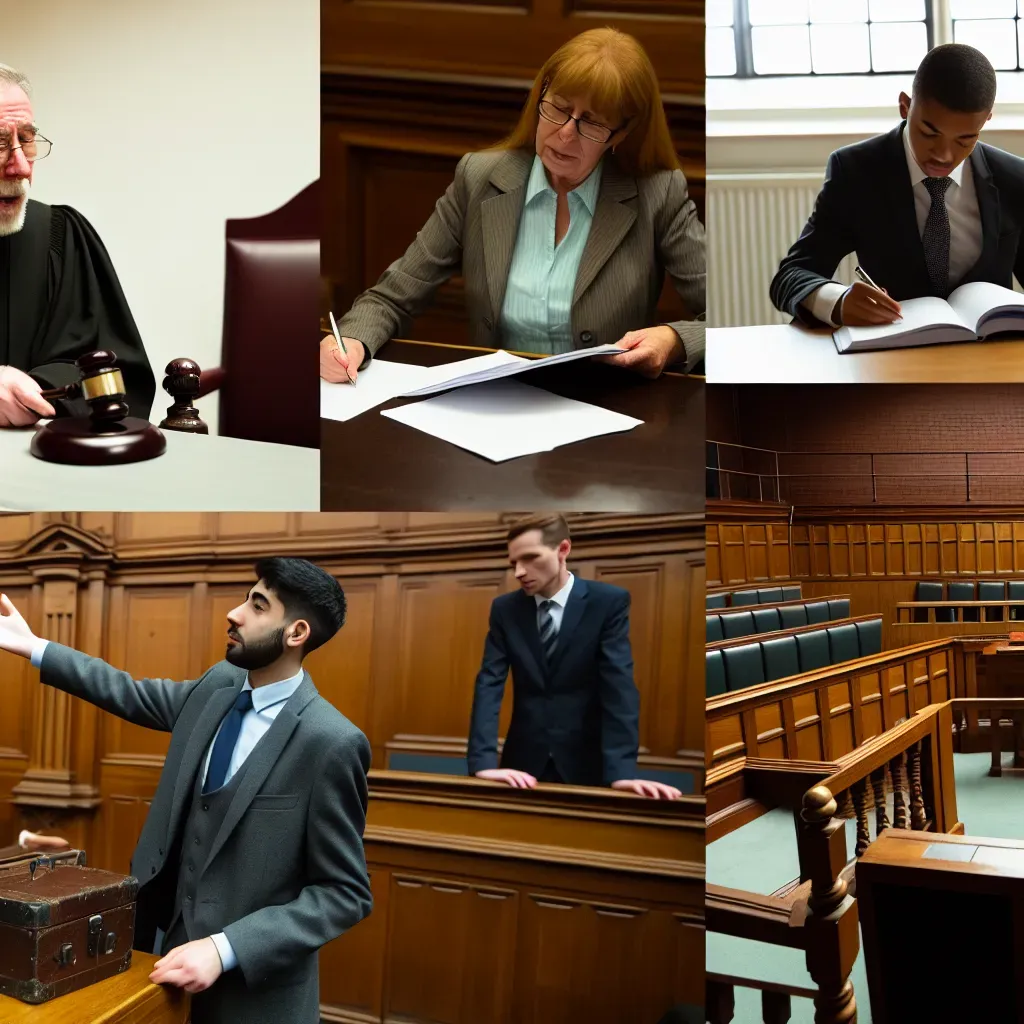
Jury trials are an integral part of the British justice system, serving to ensure that citizens play a direct role in legal accountability. The concept of ordinary citizens assessing the guilt or innocence of defendants is foundational, fostering public trust in legal proceedings. Historically, this practice has been in place for over 800 years; it acts as a crucial safeguard against potential governmental overreach. Allowing a group of jurors, rather than a single judge, to determine outcomes reinforces community ties and guarantees that judgments reflect societal values.
The opposition to proposed abolishments of certain jury trials has drawn considerable attention from legal experts and practitioners. Notably, more than 3,200 legal professionals, including seasoned barristers and retired judges, have voiced their concerns regarding the government’s intents. They argue that the pressures facing the judicial system today, such as delays and a backlog of cases, should not come at the expense of jury trial rights, which are seen as pivotal to maintaining the integrity of the judicial process.
Addressing Court Backlog Issues with Judicial Reforms
The ongoing backlog in the court system has emerged as a significant issue, influencing discussions around judicial reforms. With the Crown Court facing record numbers of cases—over 80,000 pending—there is a pressing need for solutions that preserve the fundamental rights of defendants while addressing efficiency. Justice Secretary Lammy’s proposal to replace jury trials with single-judge adjudication in lesser cases seeks to alleviate these pressures. However, many critics argue that this move fails to tackle the underlying issues causing the bottleneck.
Instead of abandoning jury trials, experts suggest that reforms should focus on enhancing court efficiency through modernization and increased funding. Initiatives such as investing in technology and improving case management processes could lead to quicker resolutions without sacrificing the public’s confidence in the legal system. The calls for a comprehensive review of the current proposals highlight the belief that a balanced approach to judicial system changes is essential for long-term improvements.
The Debate Over the Abolishment of Jury Trials
The proposal to abolish certain jury trials has sparked intense debate among legal professionals and policymakers. The overwhelming response from the legal community, including a letter signed by numerous barristers and judges, indicates a strong consensus against this move. They believe that jury trials are not the root cause of the current crisis within the criminal justice system. As suggested by the Bar Council, the focus should instead be on meaningful reforms that enhance the system’s effectiveness while upholding the right to a jury trial.
Critics of the proposed changes warn that this could set a dangerous precedent for further erosion of citizens’ jury trial rights. As highlighted by various legal figures, including shadow justice officials, parliament faces a pivotal choice: to uphold one of the oldest rights in the justice system or to allow significant alterations that could undermine public trust in legal proceedings. Discussions in Parliament reflect the gravity of this decision, with MPs ready to propose amendments to safeguard the jury system in forthcoming debates.
Impact of Jury System Changes on Public Trust
Changes to the jury system, particularly proposals to limit jury trials, have raised concerns about the impact on public trust in the legal system. A study from the Institute of Government suggests that while reducing jury trials might address some efficiency issues, it could undermine confidence among the public, particularly among marginalized communities. This is especially relevant given research indicating that ethnic minority defendants view jury trials as a vital safeguard against systemic biases within the courts.
Justice Minister Sarah Sackman’s assertion that ‘jury trials will remain a cornerstone of British justice’ reflects a recognition of the need to balance reforms with the preservation of public confidence. The challenge lies in ensuring that any reforms aimed at expediting processes do not disenfranchise citizens from participating in their justice system. The potential repercussions of altering such a long-standing institution merit careful consideration, emphasizing the importance of involving all stakeholders in any discussions regarding judicial reforms.
Reform Proposals and Their Implications for Justice
The reform proposals put forth by the government are intended to modernize the judicial system to match the needs of the 21st century. However, experts caution that these reforms must be carefully designed to avoid unintended consequences. For instance, substituting jury trials with a single judge may seem expedient but could lead to perceptions of inequity and reduced community involvement in the justice process. Many legal experts argue that more comprehensive solutions are needed to address the challenges faced by the justice system.
Critics advocate for a collaborative approach to reform that considers the insights from legal professionals, ensuring that any changes made do not compromise essential rights. The ongoing dialogue about potential reforms emphasizes the necessity for a thorough evaluation of the consequences on the justice system as a whole. Achieving an effective balance between judicial reforms and the preservation of jury trial rights is imperative, as this will ultimately determine the future credibility and fairness of the British justice system.
Community Perspectives on Jury Trial Rights
Community perspectives play a pivotal role in discussions about jury trial rights, as these rights impact the general public’s confidence in legal systems. Ordinary citizens have historically viewed jury trials as a mechanism for ensuring that justice is not only done but seen to be done. The involvement of peers in adjudicating cases helps to foster trust and transparency within the judicial process. The proposals to limit this access have the potential to alienate communities and diminish their trust in the justice system.
Moreover, community engagement is vital in reform discussions, ensuring that the views of ordinary citizens are considered alongside those of lawmakers and legal professionals. The emphasis on collective input in the decision-making process can help guide more equitable solutions that address systemic backlog issues without infringing on civic rights. In essence, the heart of justice lies in its accessibility and community participation, aspects that must not be overlooked when contemplating reforms to the jury system.
Exploring Alternatives to Jury Trials
With proposals to abolish certain jury trials under consideration, the legal community is now tasked with exploring viable alternatives that can maintain justice while addressing systemic delays. While juries are traditionally seen as a critical component of the trial process, the idea of implementing alternative mechanisms, such as volunteer magistrates working alongside judges, has been proposed. This approach seeks to combine the expertise of legal professionals with community perspectives, promoting collaborative adjudication and potentially alleviating the court backlog.
However, the viability of such alternatives must be rigorously assessed. The experiences of jurisdictions like Canada, which have successfully redesigned elements of their justice systems, provide valuable insights into how such changes could be implemented without sacrificing public confidence. The challenge remains to adapt these alternatives to the unique context of the UK’s judicial framework, ensuring that community ties are preserved and the integrity of the judicial process is maintained.
Legal Expertise and Advocacy Against Abolishment
Legal experts and advocates have risen to voice their staunch opposition to the proposed abolishment of specific jury trials. This resistance highlights the depth of concerns surrounding the recent government proposals, as industry veterans insist that such changes lack empirical support. The Bar Council’s initiative to unify more than 3,200 legal signatories in a letter to the Prime Minister is emblematic of a broader fight to protect the jury system, affirming the belief that these trials are essential to a fair legal process.
Advocacy from seasoned practitioners, such as K.C.s and retired judges, lends credibility to the arguments against hasty reform. By asserting that abolishing jury trials is neither popular nor beneficial, these voices emphasize the importance of maintaining a system where ordinary citizens can participate in judicial processes. Protecting jury trials from such reforms is seen as crucial to preserving the integrity and foundational principles of the nation’s legal system.
Future of Jury Trials Amidst Ongoing Legal Reforms
The future of jury trials amid ongoing legal reforms is uncertain, as policymakers weigh the necessity of efficiency against the preservation of fundamental rights. The debates surrounding the Courts and Tribunals Bill not only reflect legislative intentions but also echo public sentiment regarding the need for transparency and accountability in the judicial process. Ensuring that judges and jurors alike are available to adjudicate cases in a timely manner without compromising rights makes this a critical juncture for the justice system.
As both legal professionals and the public engage in discussions around these proposed changes, the importance of continuous evaluation becomes evident. The outcome of current proposals will not only shape the landscape of the judicial system for years to come but also define the relationship between citizens and their government. The overarching objective should be to craft a judicial system that is fair, efficient, and reflective of societal values.
Frequently Asked Questions
What are the implications of the abolishment of jury trials in the UK?
The abolishment of jury trials in the UK raises significant concerns about justice and fairness in the judicial system. Critics argue that replacing juries with a single judge in cases with potential imprisonment for up to three years undermines the fundamental right to a jury trial, which has been a cornerstone of British justice for over 800 years. This change could lead to public distrust in the legal system and does not address the underlying issues causing court backlogs.
How could judicial system changes impact jury trial rights?
Judicial system changes that aim to reduce the backlog of court cases may inadvertently impact jury trial rights. Proposals to limit the use of juries in certain cases are viewed by many as a threat to the constitutional rights of defendants, compromising the principle of having ordinary citizens determine guilt or innocence. It’s crucial that any reforms respect these rights while simultaneously addressing the urgent need for modernization within the criminal justice system.
Are criminal justice reforms effective in addressing court backlog issues?
The effectiveness of criminal justice reforms in addressing court backlog issues is a subject of debate. While some reforms, including the potential abolishment of jury trials, are proposed to expedite proceedings and clear case backlogs, many experts argue that these measures do not tackle the root causes of delays. Substantial evidence suggests that without comprehensive reforms and investment in the system, such changes will provide minimal relief from the current backlog of over 80,000 cases.
What are the arguments against the abolishment of certain jury trials?
Arguments against the abolishment of certain jury trials center around the preservation of an important public safeguard and the constitutional rights of defendants. Many legal professionals emphasize that jury trials are integral to the justice system, ensuring citizen participation and accountability. Critics contend that the proposed changes could lead to a lack of public confidence in the judicial system and fail to solve the pressing issues of delays in the courts.
How does the public perceive changes to jury trials from recent proposals?
Public perception of changes to jury trials, particularly the recent proposals for abolishment, is largely negative. Many citizens and legal experts see these changes as an unjustified alteration to a well-established system that protects rights and liberties. The Bar Council has voiced strong opposition, reflecting widespread concern that such measures are both unpopular and lacking sufficient justification to warrant implementation.
| Key Point | Details |
|---|---|
| Opposition to Jury Trial Abolishment | Over 3,200 legal professionals advocate against abolishing jury trials, arguing it won’t resolve court delays. |
| Proposal Details | The proposal suggests replacing juries with a single judge for cases with up to three years of imprisonment. |
| Court Delays | Current backlogs in Crown Courts have reached 80,000 cases, with some defendants potentially waiting until 2030 for trials. |
| Historical Context | The right to a jury trial is a constitutional principle in England and Wales, established over 800 years ago. |
| Call for Reforms | Critics urge a focus on existing reforms rather than eliminating jury trials, pointing to recommendations by Sir Brian Leveson. |
| Legal Community’s Stance | Kirsty Brimelow KC stated the letter shows strong opposition against restricting jury trials among legal professionals. |
| Government’s Position | Justice officials defend changes by stating jury trials need improvements to reduce delays and backlogs in courts. |
Summary
Jury trials are a pivotal component of the British justice system, and the current debate surrounding their potential abolishment has garnered significant attention. Legal experts and professionals are overwhelmingly voicing their concerns, asserting that such changes will not effectively address the longstanding issues of court backlogs and delays. The historical significance of jury trials has been emphasized, highlighting that they are not only a right but a fundamental element of fair adjudication. Moving forward, it is crucial for Parliament to consider the expert opinions presented in opposition to these proposals and to focus on implementing reforms that truly enhance the efficiency and integrity of the criminal justice system.