Listen to this article
Japan missile deployment marks a significant shift in the nation’s defense strategy, as it prepares to bolster its military presence on Yonaguni Island, located conveniently near Taiwan. By March 2031, surface-to-air missiles will be stationed on this strategically important landmass, reflecting Japan’s response to increasing regional tensions with China. This move comes in the context of Japan Taiwan tensions, where Beijing has openly expressed its intentions regarding Taiwan’s sovereignty. The missile system, with its advanced capacity to intercept threats, is designed to enhance Japan’s defense against potential aggressions in the area, particularly in light of fluctuating China Taiwan relations. As geopolitical landscapes evolve, Japan’s military developments signify its commitment to safeguarding national security and responding to the dynamic challenges of its neighbors.
The upcoming missile installation project in Japan reflects a crucial enhancement of the nation’s military capabilities, particularly in the context of defense mechanisms near the contentious region of Taiwan. Set for deployment on Yonaguni Island, this initiative symbolizes a proactive stance in response to mounting challenges posed by Chinese military posturing. With increased tensions surrounding Taiwan’s status, Japan aims to establish a robust defensive infrastructure that includes advanced surface-to-air weapons systems. This strategic upgrading underscores Japan’s shifting priorities in its defense doctrine and highlights the intricate relationship between Japan’s security objectives and the broader atmosphere of China-Taiwan interactions. As Japan fortifies its defenses, it also navigates the complexities of geopolitics in a rapidly evolving landscape.
Japan’s Strategic Missile Deployment Timeline
Japan has set a clear timetable for deploying surface-to-air missiles to Yonaguni Island by March 2031, marking a significant shift in its defense strategy. This move illustrates Tokyo’s response to increased regional tensions, particularly related to China’s assertive stance on Taiwan. Situated just 110 km from Taiwan, Yonaguni Island holds strategic importance, acting as a frontline defense post where Japan plans to enhance its military presence. Defense Minister Shinjiro Koizumi’s announcement provides a much-needed clarity on Japan’s intentions to bolster its defenses amid mounting pressure from Beijing.
The decision to deploy missiles is not made in isolation but rather reflects Japan’s recognition of the evolving security landscape in East Asia. Tensions between Japan and China have escalated, particularly following Prime Minister Sanae Takaichi’s remarks suggesting that Japan would activate its self-defense forces in defense of Taiwan. Such statements have contributed to a climate of distrust between Tokyo and Beijing, necessitating Japan’s preemptive military strategies to ensure national and regional security.
The Role of Yonaguni Island in Japan’s Defense Strategy
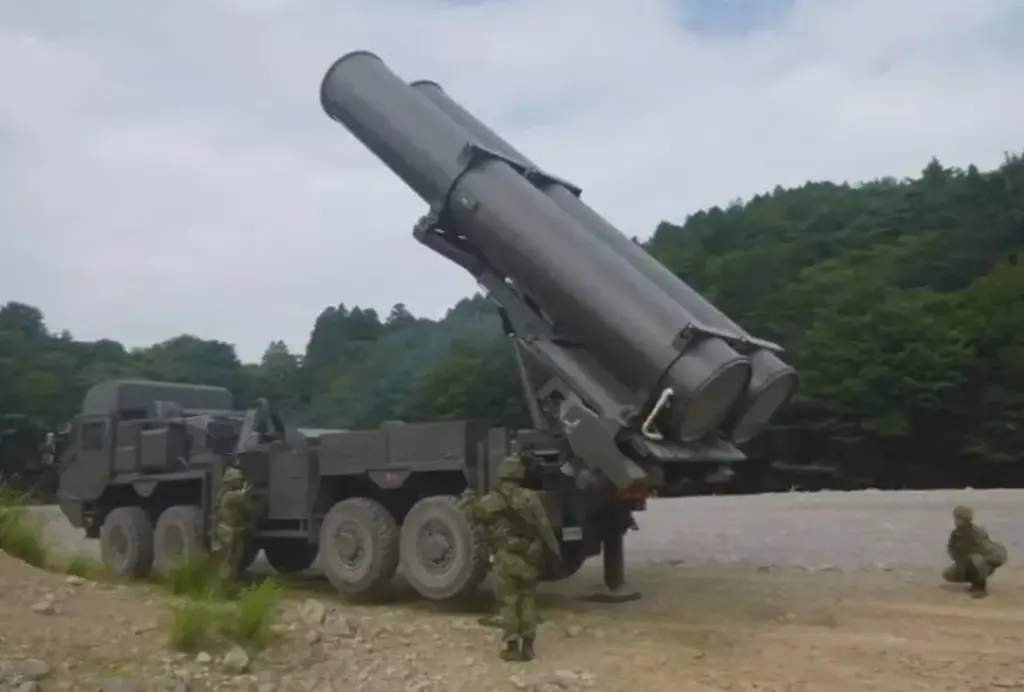
Yonaguni Island serves as a pivotal location in Japan’s defense strategy amid increasing tensions in the Taiwan Strait. This tiny island, previously relatively quiet, is now gearing up to play a crucial role in Japan’s military posture against potential threats from China. The installation of medium-range surface-to-air missiles is a significant development as it enhances the island’s capability to respond to aerial threats, demonstrating Japan’s commitment to securing its territorial integrity. The 360-degree radar system associated with these missiles represents a leap forward in Japan’s surveillance and defense technology, potentially altering the regional military balance.
With the proximity to Taiwan, Yonaguni is increasingly seen as a forward operating base that reinforces Japan’s stance in the event of a conflict regarding Taiwan. As Japan strengthens its military infrastructure on the island, it sends a clear message of readiness to both internal stakeholders and external adversaries. The upgrade to the military presence and technology on Yonaguni highlights Japan’s proactive approach to address the challenges presented by China-Taiwan relations while fostering greater reassurance among its allies, including the United States.
Escalating Japan-Taiwan Relations Amid Regional Tensions
Japan’s deployment of missiles on Yonaguni is closely tied to its relationship with Taiwan amid rising tensions with China. The mutual interests between Japan and Taiwan have become more pronounced, especially with the looming threat of Chinese military aggression. Japan’s decision to bolster its defenses is interpreted as a strategic alignment with Taiwan, emphasizing a united stance against potential Chinese hostility. This partnership not only solidifies Japan’s commitment to Taiwan’s security but also enhances the overall stability in the region.
The escalating military presence from Japan could act as a deterrent to Chinese encroachments in the Taiwan Strait. Both Japan and Taiwan share concerns regarding Beijing’s assertive military maneuvers, and as such, Japan’s proactive defense efforts may be seen as supporting Taiwan’s sovereignty in light of China’s aggressive posture. The closer military ties and the establishment of defense capabilities on Yonaguni Island signify Japan’s broader strategy of collective security in the region, showcasing how defense policies are being reshaped in the context of China-Taiwan relations.
Japan’s Response to Chinese Aggression
Japan’s recent military enhancements, particularly the missile deployment to Yonaguni, are being positioned as a direct response to China’s aggressive postures concerning Taiwan. The heightened military activity from Beijing, including military drills and air incursions near Taiwanese airspace, has prompted Japan to reevaluate its defense capabilities. Japan has begun to see its national security through the lens of regional stability and conflict deterrence, indicating a strategic shift in how it approaches its own defense strategy.
Furthermore, this response aligns with the broader U.S. defense strategy in Asia, highlighting the interconnectedness of Japanese defense with American military commitments in the region. By enhancing its military capabilities and preparing for potential conflicts, Japan not only fortifies its own defenses but also contributes to the collective security of the region. Such actions are crucial as they deter any possible miscalculations by China regarding Japan’s resolve and military readiness.
The Implications of Japan’s Enhanced Military Capabilities
The deployment of surface-to-air missiles on Yonaguni may have profound implications for Japan’s military capabilities and its regional standing. This strategic enhancement not only fortifies Japan’s self-defense mechanisms but also signals to other regional players a commitment to defending its national interests. As Japan increases its military spending and expands its defense forces, it establishes a precedent that may encourage other nations in the region to bolster their own defenses, potentially sparking an arms race.
Moreover, this policy shift has raised concerns from neighboring nations, particularly China, which might perceive Japan’s military buildup as a threat. In response, China may increase its military posturing or strategic alliances to counterbalance Japan’s enhanced capabilities. The ongoing adjustments in Japan’s defense strategy reflect the broader geopolitical challenges within East Asia, indicating a transformative period of defense realignment and military diplomacy.
The Future of Japan’s Defense Spending and Military Expansion
As Japan prepares for the deployment of missiles by 2031, its defense spending is poised for significant growth. The decision to enhance military capabilities is not simply a reaction to external threats; it is part of a long-term strategy to ensure national security in an increasingly volatile region. With Prime Minister Takaichi’s victory solidifying support for military expansion, Japan is likely to continue increasing its defense budget, fostering advancements in technology and military infrastructure to effectively counter threats from China.
In the coming years, we can anticipate Japan to invest in various defense technologies beyond just missile systems. This includes cyber defense capabilities and advanced surveillance techniques to further strengthen its deterrent capabilities. As Japan aligns more closely with its allies, particularly the United States, its expanded military capacity will not only serve to protect its own interests but also contribute to collective security arrangements amidst the broader context of regional security challenges.
Japan’s Military Dynamics in Response to Regional Rivalries
Japan’s evolving military dynamics in response to regional rivalries reflect a significant shift from its post-World War II pacifism. As tensions mount between China and Taiwan, Japan is increasingly recognizing the necessity of robust military preparedness. The strategic placement of surface-to-air missiles on Yonaguni reinforces Japan’s commitment to defense, aligning with broader regional security concerns. The significance of Japan’s response can be seen in its efforts to strengthen alliances, enhance inter-military cooperation, and engage in joint exercises with allies, which all contribute to a formidable deterrent against potential threats.
In this context, Japan’s military strategy becomes even more critical as it aims to navigate complex geopolitical landscapes. The deployment of defense systems on Yonaguni reflects a proactive approach to deter aggression while ensuring the security of vital maritime routes. This realignment of military dynamics amidst regional rivalries underscores Japan’s role not just as a national power, but as a key contributor to regional stability in East Asia. The ongoing developments will shape the future interactions among regional powers and influence the geopolitical fabric of the area.
Japan-Taiwan Relations: A Strategic Partnership
Strengthening Japan-Taiwan relations has emerged as a pivotal aspect of regional defense strategy amid growing tensions. The missile deployment on Yonaguni serves as a testament to Japan’s commitment to Taiwan’s security, emphasizing the significant ties that bind the two nations. Both countries share concerns about potential Chinese aggression, and engaging in cooperative security measures fosters a stronger defense posture against such threats. Japan’s military developments on Yonaguni are increasingly viewed as supportive of Taiwan’s sovereignty and territorial integrity.
Moreover, this partnership between Japan and Taiwan may pave the way for more extensive military collaboration, showcasing a united front against common adversaries. As both nations enhance their defense capabilities, they simultaneously strengthen diplomatic ties, which are crucial in the face of escalating pressures from China. The evolution of Japan-Taiwan relations signifies a strategic alignment that could redefine power dynamics in the region, underscoring the importance of collective security in an unpredictable geopolitical environment.
China’s Reaction to Japan’s Militarization Efforts
In response to Japan’s increasing militarization, particularly the announcement regarding the deployment of missiles on Yonaguni, China has exhibited a range of strategic reactions. China has voiced its concerns, framing Japan’s military upgrades as provocative actions that undermine regional stability. The tension escalates each time Japan enhances its military presence, as evidenced by China’s aerial maneuvers near Yonaguni following announcements of Japan’s defense strategies. These moves illustrate the delicate balance between military enhancement and diplomatic engagement, as China seeks to assert its influence in the region.
Additionally, the reactions from China reflect broader strategic objectives, aiming to deter Japan from further military developments. The ongoing military engagements and maneuvers suggest that China may bolster its own military presence in the region as a countermeasure. China perceives Japan’s actions as part of a larger attempt to contain its rise, contributing to a cycle of tension that complicates diplomatic relations. Understanding China’s perspective is essential in analyzing the future landscape of security dynamics in East Asia, where the balance of power remains in a state of flux.
Frequently Asked Questions
What is the significance of Japan’s missile deployment to Yonaguni Island?
Japan’s missile deployment to Yonaguni Island is significant as it demonstrates the country’s proactive defense strategy amidst escalating regional tensions, particularly concerning Taiwan. The location, only about 110 km from Taiwan, positions Japan to defend against potential threats from China, emphasizing its commitment to regional stability and security priorities.
How will Japan’s surface-to-air missiles on Yonaguni Island enhance its defense strategy?
The deployment of surface-to-air missiles on Yonaguni Island enhances Japan’s defense strategy by providing immediate intercept capabilities against incoming airborne threats. These medium-range missiles can engage multiple targets simultaneously, thereby increasing Japan’s deterrent capacity against potential aggression, particularly amid rising China Taiwan tensions.
What impact might Japan’s missile deployment have on China Taiwan relations?
Japan’s missile deployment may further strain China Taiwan relations by signaling Tokyo’s readiness to support Taiwan against possible Chinese aggression. This military buildup can be perceived by China as a provocation, heightening tensions in the Taiwan Strait and complicating diplomatic relations between Beijing, Tokyo, and Washington.
How does Japan’s plan to deploy missiles reflect its evolving military role in the region?
Japan’s plan to deploy missiles to Yonaguni Island reflects its evolving military role by transitioning from a pacifist post-war stance to a more assertive defense posture. This shift indicates Japan’s commitment to enhancing its self-defense capabilities in response to regional threats, particularly concerning stability and security around China Taiwan relations.
What are Japan’s defense minister’s comments regarding the timeline for missile deployment at Yonaguni Island?
Japan’s Defense Minister Shinjiro Koizumi announced a timeline for the missile deployment at Yonaguni Island, aiming for completion by March 2031, with potential adjustments based on facility improvements. This timeline marks a significant step in Japan’s defense strategy as it enhances military readiness in light of escalating tensions in the region.
What technological capabilities do the surface-to-air missiles planned for Yonaguni Island possess?
The surface-to-air missiles planned for deployment on Yonaguni Island possess advanced technological capabilities, including a range of about 50 km, 360-degree engagement abilities, and the capacity to track up to 100 targets while engaging 12 simultaneously. This enhances Japan’s defense infrastructure against aerial threats, particularly concerning Japan Taiwan tensions.
How does the deployment of military units to Yonaguni Island illustrate Japan’s strategic stance on regional security?
The deployment of military units to Yonaguni Island illustrates Japan’s strategic stance on regional security as it transforms the area into a robust military outpost. This action signifies Japan’s intention to actively participate in regional defense, countering possible aggression and asserting its role in the evolving dynamics related to China Taiwan relations.
What are the long-term implications of Japan’s missile deployment for regional military balances?
The long-term implications of Japan’s missile deployment for regional military balances may include increased military readiness and deterrence against Chinese expansionism. It could provoke responses from China, potentially leading to an arms race in the region, while compelling neighboring countries to reassess their own defense strategies in response to Japan’s assertive military posture.
| Key Point | Details |
|---|---|
| Missile Deployment | Japan plans to deploy surface-to-air missiles to Yonaguni Island by March 2031. |
| Location of Yonaguni | Yonaguni is 110 km away from Taiwan, making it strategic due to proximity. |
| China’s Position | China claims Taiwan as its territory and threatens military action for reunification. |
| Significance of Remarks | Prime Minister Takaichi’s comments about aiding Taiwan heightened tensions, impacting Japan-China relations. |
| Missile System Details | The planned missile system will engage targets up to 50 km away, tracking 100 targets simultaneously. |
| Potential Regional Impact | The deployment reflects Japan’s shift toward a more assertive defense posture amid regional threats. |
| Future Military Developments | Japan aims to enhance its defense forces with electronic warfare units by FY 2026. |
Summary
Japan missile deployment has become a pressing topic as the country plans to install surface-to-air missiles on Yonaguni Island by March 2031. This strategic move reflects Japan’s response to rising tensions in the region, particularly concerning Taiwan’s security. With mainland China’s assertive claims over Taiwan and its willingness to use force if necessary, Japan’s announcement marks a significant shift towards a robust defense strategy. This development highlights Japan’s commitment to protect its territorial frontiers and signals its readiness to engage with potential threats in the Asia-Pacific region, especially as it bolsters military collaborations with allies such as the United States.