Listen to this article
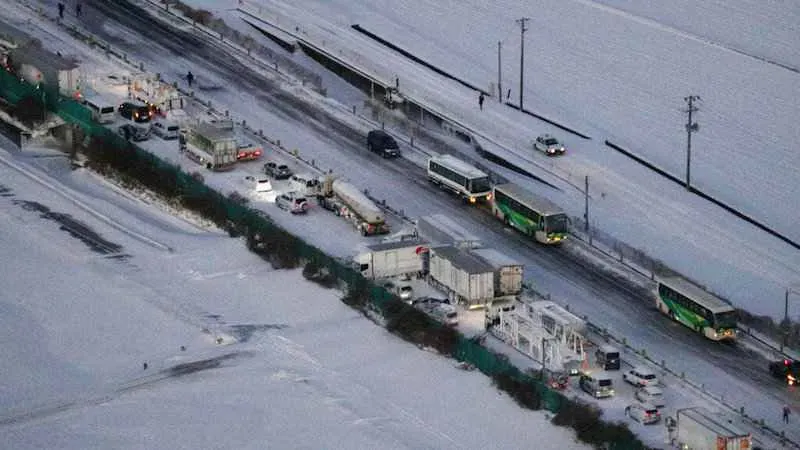
In a tragic incident on a Japan highway, a massive 50 vehicle pile-up has resulted in the loss of two lives and numerous injuries. The pile-up, which occurred on the Kan-etsu Expressway in Minakami, was exacerbated by heavy snow and icy conditions that made travel perilous. Eyewitness accounts detail a catastrophic chain reaction sparked by a collision between two trucks, igniting a fire that spread rapidly to at least ten other vehicles. Victims include a 77-year-old woman from Tokyo, highlighting the devastating human impact of the Japan motorway accident. Authorities are conducting investigations into the crash, assessing the road’s condition while urging caution for all travelers on affected highways around Japan amid worsening weather conditions.
A recent highway incident in Japan has captured attention due to its tragic consequences, where a massive collision involving 50 vehicles led to significant casualties. Known locally as a toll road disaster, this extensive vehicle wreck in Minakami during a severe snowstorm has raised concerns over road safety in winter months. The chain reaction, sparked by an initial truck crash, set off a series of events that resulted in multiple vehicles catching fire and left many injured. With officials reporting the ongoing assessments of the Kan-etsu Expressway, discussions around the hefty impact of winter weather on driving conditions are more vital than ever. This catastrophic event serves as a stark reminder of the hazards faced on Japan’s motorways during harsh weather.
Understanding the Japan Highway Pile-Up Incident
A devastating incident occurred on a central Japan highway, resulting in a tragic pile-up of over 50 vehicles. The collision involved two trucks that initiated a catastrophic chain reaction, which eventually included many passenger vehicles. Reports indicate that the crash directly led to severe injuries for more than 26 individuals and, regrettably, the loss of two lives. The alarming toll of this accident underscores the dangers posed by driving conditions in inclement weather, particularly during heavy snowfalls common in winter months in Japan.
In the aftermath of the accident, a thorough investigation began to uncover the exact circumstances that contributed to the tragedy on the Kan-etsu Expressway. Eyewitness accounts described terrifying scenes, including loud explosions and raging fires that spread rapidly between vehicles. Emergency services faced significant challenges as they worked for hours to extinguish the flames and assist those trapped in the wreckage, highlighting the extreme hazards faced by first responders at the scene.
The Impact of Weather on Road Safety
The severe weather conditions experienced in Japan during winter months, particularly heavy snow, play a crucial role in road safety. On the evening of the highway pile-up, a heavy snow warning was in effect, leading many vehicles to struggle with icy road conditions. Authorities believe that these hazardous conditions likely contributed to the trucks’ loss of control, emphasizing the importance of caution during adverse weather. Drivers must remain attentive and adjust their speeds to accommodate for potential skidding and reduced visibility.
Moreover, the broader implications of weather-induced accidents like this pile-up highlight the need for enhanced road safety measures. Improved signage, real-time weather alerts, and increased enforcement of traffic regulations during extreme weather conditions could significantly minimize accidents. Travelers utilizing Japan’s extensive motorway system, especially during winter, need to be well-informed and take proactive measures in preparing for unexpected weather changes.
Investigation Following the Kan-etsu Expressway Collision
Following the tragic 50-vehicle pile-up on the Kan-etsu Expressway, an investigation was launched to ascertain the sequence of events leading up to this catastrophic accident. Local police, alongside accident reconstruction specialists, are meticulously reviewing vehicle recovery data and interviewing witnesses to piece together the moments before the crash. This thorough examination aims not only to hold responsible parties accountable but also to prevent future occurrences of similar tragic incidents.
Initial findings suggested that the icy roads, which were exacerbated by heavy snowfall, played a significant role in the trucks’ skidding and subsequent collision. Factors like vehicle maintenance, driver experience, and adherence to cargo safety regulations are also being scrutinized as part of the investigation. The goal is to ensure that lessons are learned, and safety protocols are strengthened to protect motorists traveling on Japan’s busy highways.
Emergency Response to Road Accidents in Japan
In the wake of the Kan-etsu Expressway accident, the emergency response teams swiftly mobilized to manage the situation effectively. Local fire departments, paramedics, and law enforcement worked in synchrony to mitigate the chaos. They faced immense challenges, including the need to extinguish fires that engulfed multiple vehicles and to attend to the injured while ensuring the safety of additional motorists passing through the area.
Emergency services also had to deal with the psychological impact of such a tragic event on those involved, including witnesses who experienced the horror firsthand. Providing immediate psychological support and ensuring proper medical treatment for survivors are vital aspects of effective emergency response in these scenarios. The incident underlines the essential role that emergency responders play not just during the immediate aftermath of an accident but also in the long-term recovery efforts for those affected.
Preventive Measures for Winter Driving in Japan
The massive pile-up on the Kan-etsu Expressway serves as a poignant reminder of the urgent need for preventive measures when driving during Japan’s harsh winter conditions. Authorities recommend that drivers equip their vehicles with winter tires and chains to enhance traction. Staying informed about weather forecasts and road conditions before embarking on journeys is crucial in reducing the likelihood of accidents during winter storms.
Additionally, public awareness campaigns can assist in educating drivers about safe practices during low-traction conditions. Implementing more rigorous driving tests for winter conditions could also prepare drivers better. By fostering a culture of safety on the roads, the frequency of severe accidents like the recent pile-up can be greatly reduced, ultimately saving lives and minimizing injuries in future incidents.
The Long-Term Effects of Highway Accidents
Highway accidents like the recent 50-vehicle pile-up not only lead to immediate loss of life and injuries but also have long-term effects on victims and their families. Survivors may suffer from emotional trauma, requiring counseling and psychological support to cope with their experiences. Families of victims face profound loss and grief, which can impact their lives significantly and require community support services to navigate their pain.
Moreover, such accidents can lead to increased insurance costs and medical expenses for those involved. This financial strain can have a lasting impact on the victims’ quality of life, educating policymakers on the necessity for comprehensive support networks for those affected by tragic incidents. Addressing these long-term consequences is essential in fostering healing and recovery within communities.
Public Reaction to the Japan Motorway Accident
Public reaction to the tragic event on the Kan-etsu Expressway has been one of shock and sorrow. Social media has become a platform for mourning the victims and expressing concern for the safety of all motorists. Many have shared their experiences and concerns about road safety, especially during winter months when accidents like the 50-vehicle pile-up are more likely to occur.
Local authorities have also received calls for increased efforts to improve roadway safety measures, including better signage and more frequent updates regarding weather conditions. The community’s response highlights the collective desire for change and the importance of fostering dialogue around road safety and preventative measures to reduce the risk of similar accidents.
Infrastructure Improvements After Highway Crashes
In the wake of accidents such as the recent highway pile-up, there is always a call for infrastructure improvements to enhance roadway safety. After the Kan-etsu Expressway crash, transportation officials are assessing the condition of the road and considering potential upgrades to features such as guardrails and signage to better guide drivers through hazardous conditions. The evaluation includes checking for existing damage caused by the fire and accidents, ensuring that the roads are both safe and well-maintained for future use.
Various stakeholders, including local governments and road maintenance agencies, are also discussing the implementation of advanced road safety technology. This may include better weather monitoring systems and variable speed limits that change in accordance with weather conditions, which could greatly enhance safety for drivers traveling in adverse conditions. Such proactive measures are essential in preventing further accidents and promoting a safer driving environment.
Lessons Learned from the 50 Vehicle Pile-Up in Japan
Each tragic incident, including the pile-up involving 50 vehicles on a Japanese highway, provides valuable lessons on road safety and accident prevention. Analysts highlight the need for continued education on the risks of driving in severe weather, emphasizing that awareness and preparedness can save lives. Regular training and public discussions about winter driving safety are crucial to ensure motorists recognize the dangers posed by icy roads and heavy snowfall.
Additionally, reviewing emergency response protocols in light of this incident could yield improvements in how first responders manage multi-vehicle accidents. Regular drills and collaborative exercises among various agencies could enhance coordination and efficiency, leading to better outcomes in future emergencies. The hope is that through learning from these incidents, significant strides can be made in preventing similar tragedies on Japan’s highways.
Frequently Asked Questions
What caused the 50 vehicle pile-up on the Kan-etsu Expressway in Japan?
The 50 vehicle pile-up on the Kan-etsu Expressway was caused by a crash between two trucks that resulted in a chain reaction involving multiple vehicles. The incident occurred during a heavy snow warning, with icy road conditions likely contributing to the skid of the trucks.
How many people were injured in the Japan motorway accident?
The Japan motorway accident involving the 50 vehicle pile-up resulted in 26 injuries, with five individuals suffering serious injuries and 21 experiencing minor injuries.
What were the weather conditions during the Japan highway pile-up?
During the Japan highway pile-up, heavy snow conditions were reported, which prompted warnings and likely contributed to the icy surfaces that caused the vehicles to lose control.
Where did the truck crash in Japan occur?
The truck crash in Japan occurred on the Kan-etsu Expressway in Minakami, Gunma prefecture, approximately 160 km northwest of Tokyo.
What impact did the Kan-etsu Expressway crash have on traffic?
The impact of the Kan-etsu Expressway crash resulted in a section of the highway being closed, leading to significant traffic congestion as vehicles, many of which were charred beyond recognition, were stuck in the outbound lane.
How long did it take to put out the fire from the Japan motorway accident?
Firefighters took about seven and a half hours to extinguish the fire caused by the Japan motorway accident, which involved at least 10 vehicles igniting during the pile-up.
What are the warnings for travelers regarding the Japan highway pile-up area?
Travelers are warned by Nexco, the highway operator, not to use the Kan-etsu Expressway due to the recent pile-up and ongoing checks for potential damage to the road surface.
| Key Points |
|---|
| Incident: A 50-vehicle pile-up occurred on a highway in central Japan, resulting in two fatalities and 26 injuries. |
| Cause: The accident was initiated by a collision between two trucks, exacerbated by icy road conditions and heavy snow warnings. |
| Casualties: Among the dead were a 77-year-old woman from Tokyo and another victim found in a burnt truck; 5 seriously injured and 21 with minor injuries. |
| Fire: The pile-up induced a fire that involved at least 10 vehicles, which took approximately 7.5 hours to extinguish. |
| Location: The crash took place on the Kan-etsu Expressway in Minakami, Gunma prefecture, approximately 160 km northwest of Tokyo. |
| Response: Authorities closed the affected highway section, and towing efforts for damaged vehicles are ongoing. |
| Eyewitness accounts: Drivers reported hearing explosions and seeing flames, leading to evacuation to a nearby toll gate. |
Summary
The Japan highway pile-up was a tragic event that resulted in two deaths and numerous injuries due to hazardous road conditions during heavy snowfall. Authorities are investigating the causes and repercussions of the crash, which involved a chain reaction of vehicles igniting from a fire caused by a collision. This incident highlights the importance of driving cautiously in adverse weather conditions to prevent further accidents on Japan’s highways.